

How to Style Shift Dresses for Every Season
The shift dress stands as a sartorial chameleon, a garment whose simplicity is its greatest strength. Its defining characteristic—a straight, often sleeveless cut that hangs from the shoulders without cinching at the waist—liberates the wearer from the constraints of seasonal fashion dictates. This article is not about following fleeting trends, but about mastering a wardrobe cornerstone. We will dissect how to leverage the shift dress as a foundational canvas, adapting it with strategic layers, textures, and accessories to create looks that are both scientifically sound in their comfort and objectively stylish for every climatic chapter of the year. The goal is to empower you with professional knowledge that transcends mere aesthetics, offering a pragmatic and elegant approach to year-round dressing.
The Architectural Foundation: Understanding the Shift Dress
Before we embark on seasonal styling, it is crucial to understand the object itself. The shift dress emerged as a symbol of liberation in the 1960s, famously championed by designers like Hubert de Givenchy for Audrey Hepburn and embodied by the mod styles of Mary Quant. As fashion historian Valerie Steele notes in her work for The Museum at the Fashion Institute of Technology, this silhouette represented a decisive break from the structured, form-fitting fashions of the previous decade, offering women a new kind of physical and social freedom. Scientifically, its appeal lies in its universal fit and ergonomic design. Unlike body-con styles, the shift dress allows for greater air circulation, making it a thermoregulatory blank slate. Its straight lines can create an optical illusion of height and slimness, a principle often discussed in design psychology. From an objective standpoint, its versatility is documented across countless style archives, from the pages of Vogue to the casual elegance seen on campuses like Oxford or Stanford, where practicality meets polish. The shift dress is not merely a garment; it is a tool for self-expression built on a platform of minimalist design.
Spring: The Art of Layered Reawakening
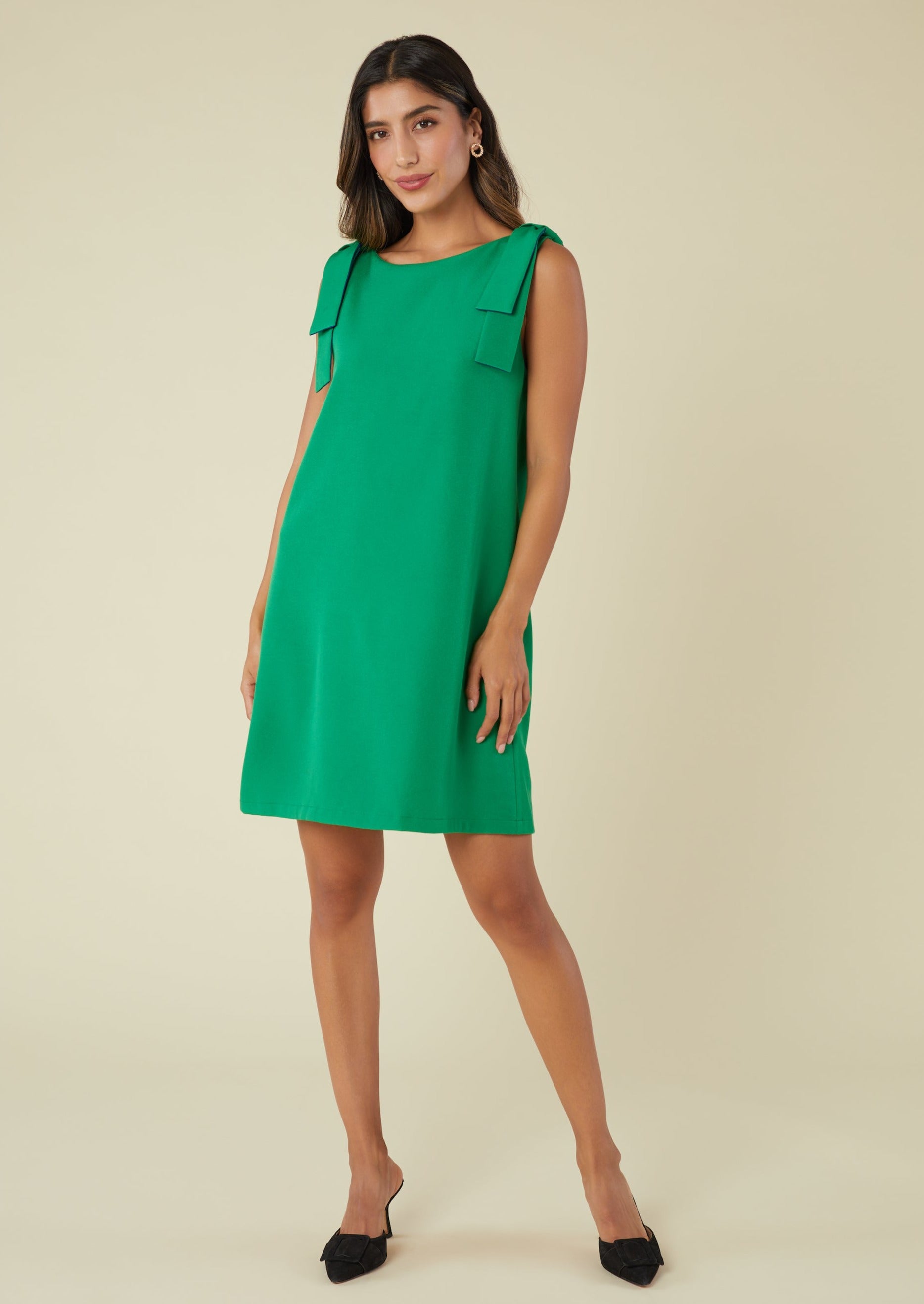
Spring’s capricious weather demands a strategy of adaptable layering, and the shift dress is the perfect base. The objective here is to bridge the gap between winter’s warmth and summer’s lightness. Begin with a mid-weight shift in a floral print or a soft pastel—a nod to the season’s renewal, a concept deeply rooted in art and literature, from Botticelli’s Primavera to the poetic imagery of Wordsworth. The key scientific principle is insulation through air pockets. A fine-gauge turtleneck or a crisp, long-sleeved collared shirt worn underneath provides warmth without bulk, trapping a layer of air close to the body. This technique, often cited by outdoor apparel experts on platforms like Outside Magazine, is as functional in the city as on a trail. For a more external layer, a tailored denim or utility jacket offers a structured contrast to the dress’s fluidity. Accessorize with ankle boots and a crossbody bag. As fashion influencer and author Susie Lau once articulated on her blog Style Bubble, “Spring dressing is about playful negotiation with the climate.” A sleeveless shift dress grants you the freedom to engage in that negotiation seamlessly, adding or subtracting layers as the day progresses from a cool morning to a balmy afternoon.
Summer: Embracing Minimalism and Breathable Fabrics
In the zenith of heat, the shift dress reaches its apex of utility. The goal shifts from layering to strategic reduction and material science. Opt for shift dresses crafted from natural, breathable fibers: linen, cotton, and lightweight rayon. The hygroscopic properties of cotton, meaning its ability to absorb and release moisture, are well-documented in textile science, making it a physiological choice for comfort. A classic white linen shift dress, for instance, reflects sunlight and allows for maximum air circulation, a principle understood in everything from traditional Mediterranean architecture to modern sun-protective clothing studies. Keep accessories minimalist—strappy sandals, a wide-brimmed hat for UV protection (a non-negotiable from dermatological perspectives), and perhaps a single statement piece of jewelry. This approach echoes the minimalist philosophy of “less is more,” associated with architect Ludwig Mies van der Rohe, applied to the human form. The silhouette itself keeps you cool, unencumbered by tight seams or heavy fabrics. It is the uniform of effortless summer elegance, seen on rivieras and city terraces alike, proving that sophistication often lies in simplicity and intelligent fabric choice.
Autumn: A Symphony of Texture and Tone
As the air turns crisp, styling the shift dress becomes a richer, more tactile endeavor. This season is about juxtaposing the dress’s clean lines with the profound textures and deep hues of fall. Think of a shift dress in burgundy, forest green, or ochre—colors that reflect the changing landscape, a palette celebrated in everything from the films of Wes Anderson to the autumn collections of brands like Ralph Lauren. The scientific explanation for our attraction to these colors in fall may be linked to biophilia, our innate connection to natural environments. Here, layering becomes more substantial. A chunky knit cardigan or a sleek leather moto jacket thrown over the shoulders adds instant warmth and visual weight. Tights or opaque stockings become essential, extending the dress’s wearability into cooler temperatures—a practical tip often highlighted in style guides from The New York Times to Who What Wear. Footwear transitions to loafers, booties, or knee-high boots. This method of styling transforms the simple shift into a central component of a complex, cozy ensemble. It demonstrates how a single item can evolve, taking on new character through the deliberate addition of textural contrasts and seasonal colors.
Winter: Strategic Insulation and Defiant Elegance
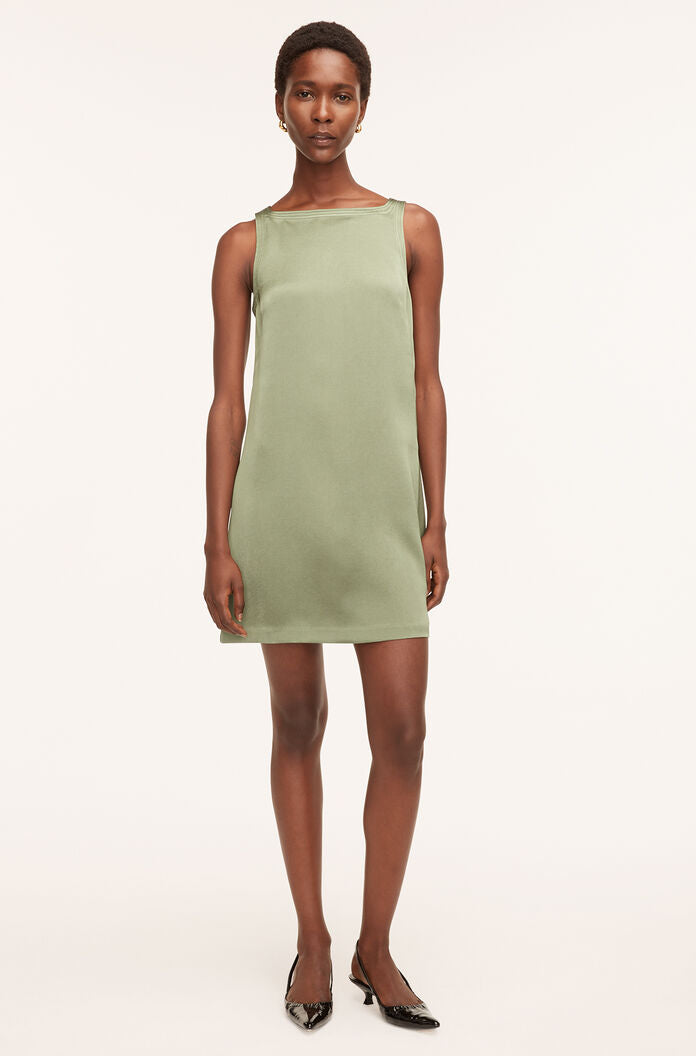
Conquering winter with a shift dress is the ultimate test of styling prowess, revolving around the principle of insulation without sacrifice. The dress now serves as a sleek inner layer. Start with a shift in a heavier fabric like wool crepe or a dense knit. The foundational step is base-layering: thermal or silk long underwear underneath, a technique endorsed by everyone from Scandinavian outdoor experts to high-fashion editors braving fashion week. Over the dress, add a structured blazer or a sleek turtleneck sweater. The final, crucial layer is a substantial coat—a tailored wool overcoat or a sophisticated puffer jacket. This creates a system of trapped warm air, a concept fundamental to thermal physics in apparel design. Accessories are key: knee-high or over-the-knee boots, thick tights, a substantial scarf, and leather gloves. This approach aligns with the pragmatic yet polished ethos of style icons like the late Queen Elizabeth II, who was known for her consistent silhouette adapted masterfully to the cold. The shift dress persists as the elegant constant beneath the winter armor, ensuring that style remains intact even in the deepest freeze. It’s a testament to the dress’s role as a versatile core, capable of anchoring the most robust seasonal defense.
Beyond Seasons: The Shift Dress as a Professional and Personal Asset
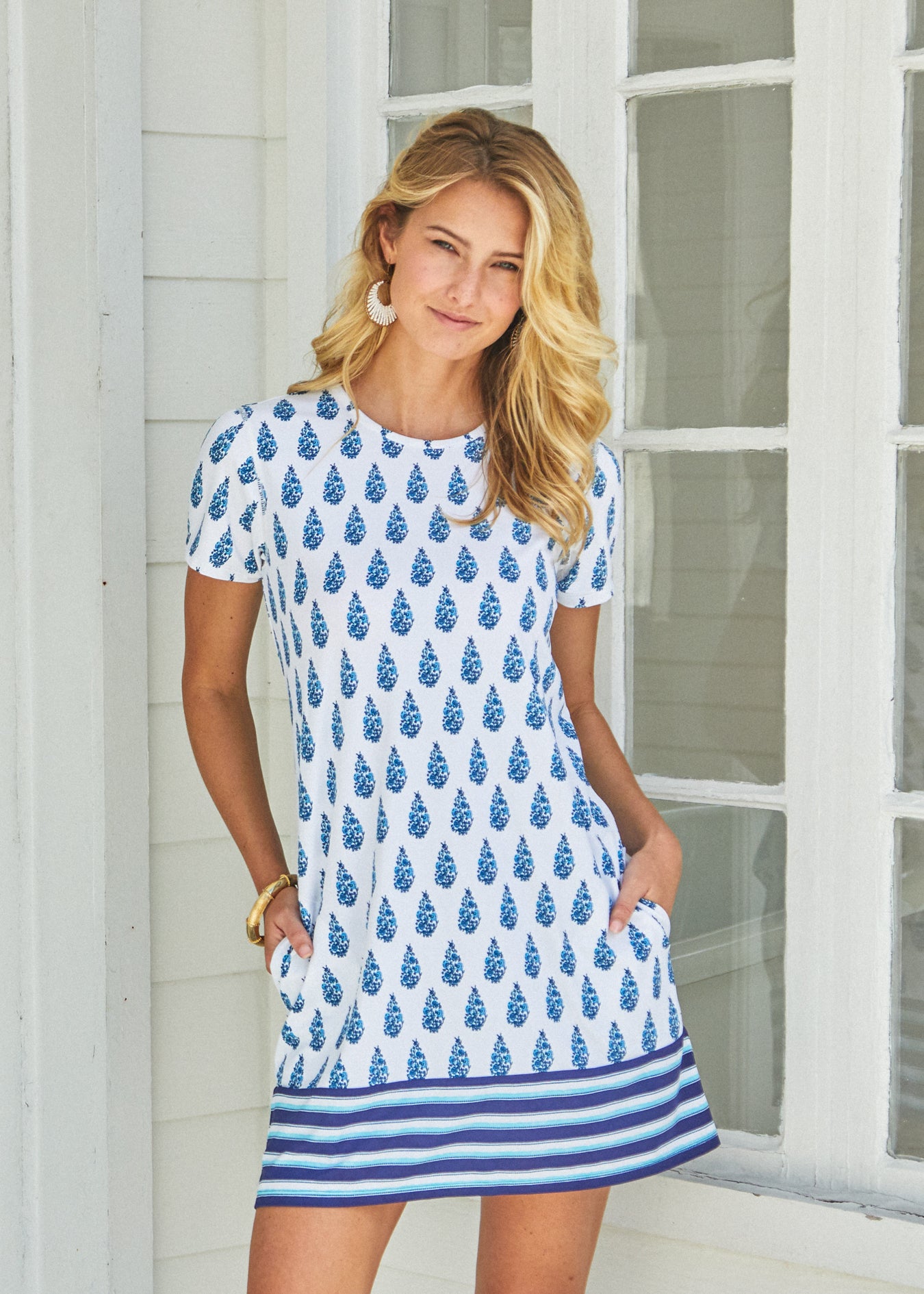
The true power of the shift dress extends beyond weather adaptation into the realms of professional and personal identity. In a work environment, a well-cut shift dress in a solid color or subtle pattern projects competence and confidence. It aligns with the “power dressing” concepts of the 1980s, reinterpreted with less rigidity. As Sheryl Sandberg noted in Lean In, while cautioning against over-focusing on appearance, presenting oneself professionally can impact perception. A shift dress offers a one-and-done solution that meets most business casual or formal dress codes, eliminating morning decision fatigue—a cognitive benefit discussed in psychological literature. For personal expression, it is a canvas for accessories. A bold necklace, a vintage belt, or a statement shoe can completely redefine its character, from preppy to bohemian to avant-garde. This aligns with the philosophy of stylist and TV host Tan France, who often emphasizes building a “capsule wardrobe” of versatile pieces. The shift dress is arguably the quintessential capsule item. Investing in quality versions—often available at discounted prices during end-of-season sales or through mindful shopping on reputable sites—means investing in years of reliable style. It is a garment that pays dividends in saved time, enhanced comfort, and enduring elegance.
Mastering the shift dress is an exercise in intelligent dressing. It moves beyond superficial trend-chasing to embrace principles of design, textile science, and practical psychology. By treating this simple silhouette as a foundational tool, you unlock a year-round wardrobe strategy that is as adaptable as it is sophisticated. It is about owning your style narrative, using one impeccable garment as the starting point for endless expression, from the first thaw of spring to the heart of winter, and in every facet of life in between.