

How to Style Shift Dresses for Every Season
The shift dress stands as a sartorial chameleon, a garment whose deceptively simple silhouette holds the key to year-round elegance and versatility. Its beauty lies not in constriction or complex draping, but in its clean, architectural lines that hang straight from the shoulders, offering a canvas for personal expression across climates and calendars. This is not merely about owning a single dress; it’s about mastering a foundational piece that, through strategic styling, transforms to meet the demands of spring breezes, summer heat, autumn chills, and winter layers. Let’s move beyond basic understanding and delve into the practical art of adapting this timeless piece, season by season, weaving in objective insights and professional styling knowledge to empower your wardrobe with both flair and function.
The Architectural Foundation: Understanding the Shift Dress
Before we embark on seasonal transformations, it is crucial to ground our discussion in the objective definition and heritage of the garment. A shift dress is fundamentally characterized by its straight, narrow cut. It typically lacks a defined waistline or seams that cinch at the torso, creating a rectangular or “A”-line silhouette that “shifts” with the body’s movement. This design philosophy champions comfort and ease, a direct contrast to the restrictive corsetry that dominated preceding eras. The shift dress’s explosion into mainstream fashion is widely attributed to the designs of Hubert de Givenchy for Audrey Hepburn, particularly in the film Breakfast at Tiffany’s (1961), and its subsequent adoption as a symbol of youthful liberation and modernist simplicity during the 1960s. As the Victoria and Albert Museum notes in its fashion archives, this silhouette represented a radical departure, aligning with broader social shifts towards women’s autonomy. From a textile science perspective, the success of a shift dress hinges on fabric “drape” and “hand”—the way material falls and feels. A well-constructed shift utilizes fabrics with enough body to hold the shape without appearing boxy, and enough fluidity to allow for graceful movement. This foundational understanding informs every seasonal styling decision we make, as the fabric choice becomes our primary tool for adaptation.
Spring: The Art of Layering and Renewal
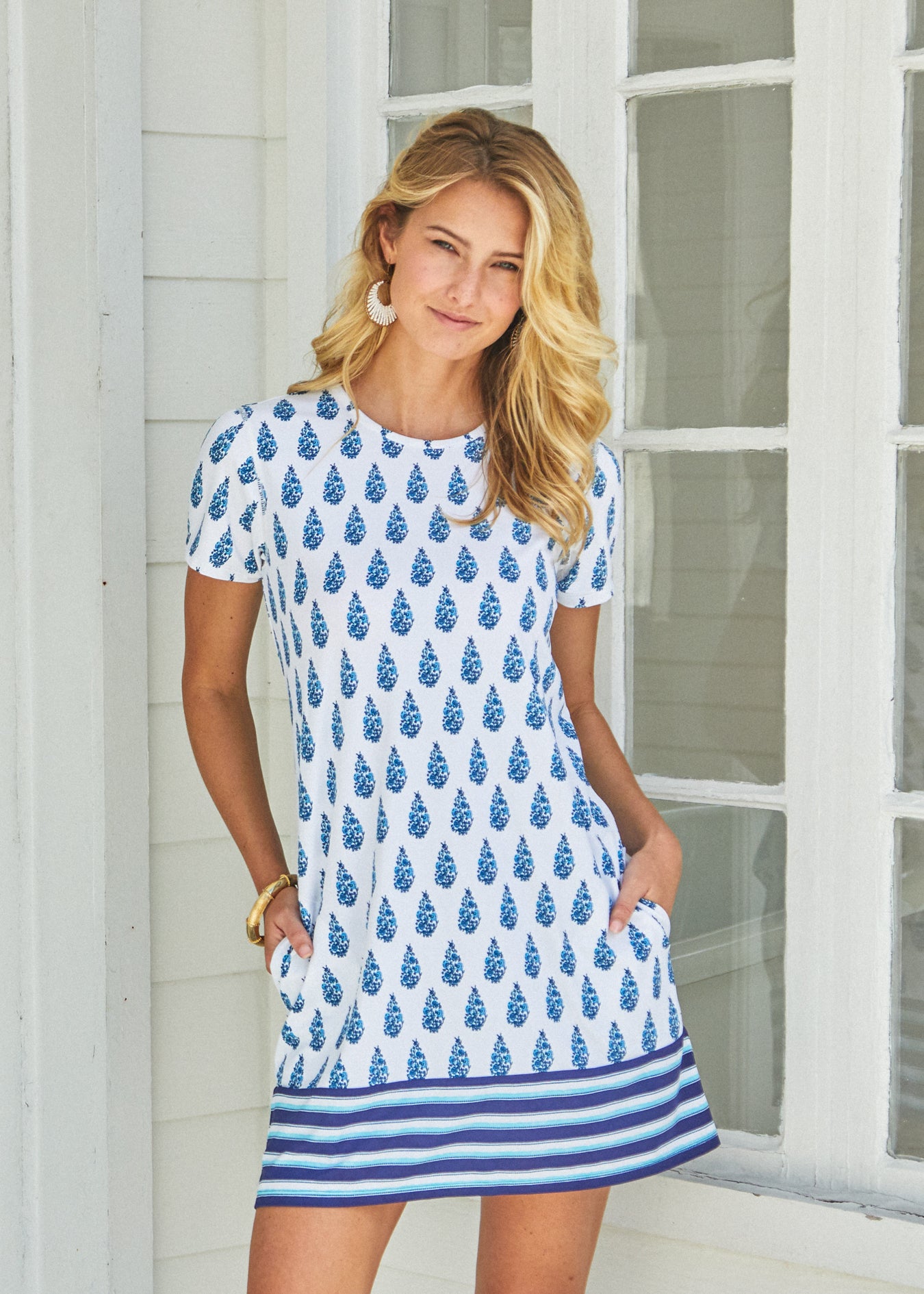
Spring styling is an exercise in transitional dressing, where the goal is to bridge the gap between winter’s warmth and summer’s lightness. Your shift dress becomes the perfect middle layer. Begin with a dress in a mid-weight fabric like a dense cotton, a linen blend, or a lightweight tweed. The key technique here is strategic layering. Consider a fine-gauge turtleneck or a crisp, long-sleeved button-down shirt worn underneath the dress. This not only adds warmth but also introduces textural contrast and a preppy, intellectual vibe—a look often championed by style icons like Diane Keaton. Alternatively, treat the dress as a tunic by pairing it with slim-fit ankle trousers or tailored leggings, a look frequently seen in collections from brands like Eileen Fisher, which emphasize modular, intelligent dressing. For outerwear, a tailored blazer in a complementary or contrasting color sharpens the silhouette, while a classic trench coat thrown over the shoulders offers timeless polish. Footwear should pivot from boots to lighter options: consider sleek loafers, ballet flats, or low-block heels in a neutral shade. Accessories are where spring truly blooms—a statement necklace can break up the neckline, a silk scarf tied at the throat or on a handbag adds a splash of pattern, and a structured crossbody bag keeps the look effortless. The objective is to create adaptable ensembles that can handle a cool morning and a warm afternoon, a principle supported by the “layering principle” often discussed in textile and apparel science for optimal thermal comfort.
Summer: Embracing Minimalism and Breathability
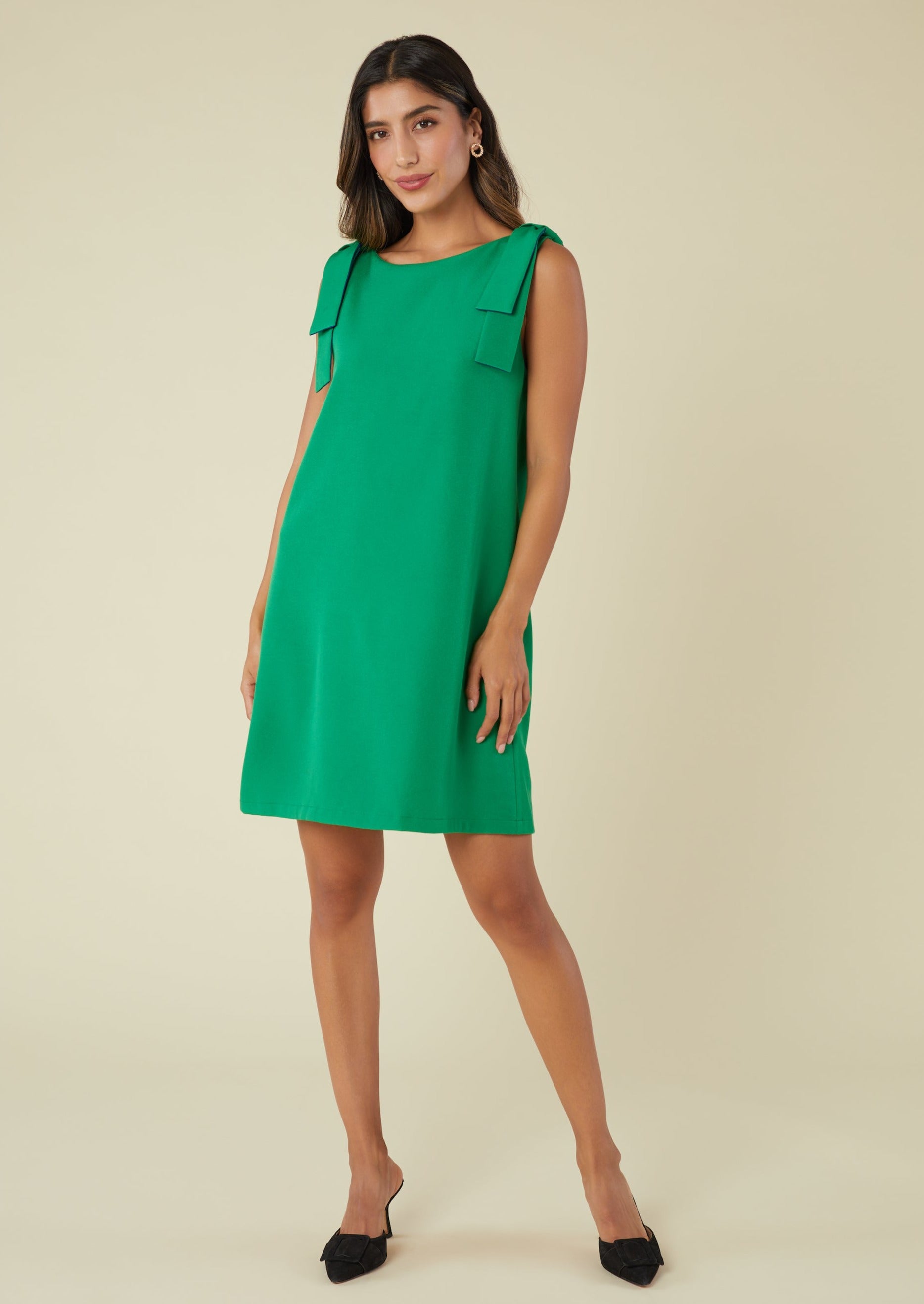
Summer is the season where the shift dress truly shines in its elemental form. Here, fabric science is paramount. Opt for natural, breathable fibers with high moisture-wicking properties. Linen, celebrated for its heat dissipation and textured weave, is a classic choice. Cotton poplin or seersucker offers crispness and airy structure, while high-quality rayon or Tencel™ provides beautiful drape and a cooling sensation against the skin. The styling moves towards minimalism. Let the dress stand alone, perhaps in a vibrant solid or a bold graphic print. Silhouettes can be slightly more relaxed—think a shift with a subtle A-line or cap sleeves. As fashion historian and writer Holly Brubach once noted in The New Yorker, “Simplicity is the essence of summer style,” and the shift dress epitomizes this. Footwear should be effortless: leather sandals, espadrilles, or even modern sneakers for a day of exploration. Accessories should be lightweight and functional—a wide-brimmed hat for sun protection (a non-negotiable for skin health, as dermatologists consistently advise), oversized sunglasses, and a woven tote or a small, hands-free belt bag. The goal is an outfit that feels like a second skin, cool and unencumbered, allowing you to move from a garden brunch to a coastal walk with ease. This approach aligns with the principles of thermoregulatory dressing, where fabric choice directly impacts physiological comfort in high temperatures.
Autumn: Textural Play and Rich Palettes
As the air turns crisp, styling your shift dress involves introducing weight, texture, and depth. This is the season for luxurious fabrics: wool crepe, cashmere blends, corduroy, or heavy silk. The color palette naturally deepens to embrace burgundy, forest green, ochre, charcoal, and navy. The single most effective autumn styling trick is the addition of opaques and boots. A pair of sheer black or patterned tights immediately grounds the dress for cooler weather, while knee-high or ankle boots in leather or suede complete the transformation. Layering shifts to the exterior. A chunky knit cardigan, belted or left open, adds a cozy contrast to the dress’s clean lines. A leather or suede moto jacket introduces an edge, while a structured wool blazer maintains sophistication. Don’t underestimate the power of a scarf—a large, woolen wrap can be both a functional and stylistic centerpiece. As interior designer and style observer Athena Calderone often demonstrates, autumn dressing is about “the beauty of juxtaposition”—the softness of a knit against the structure of a shift dress. From a practical standpoint, this layered approach creates insulating air pockets between garments, a concept rooted in the science of thermal insulation used in both fashion and outdoor apparel.
Winter: Strategic Insulation and Sophisticated Layers
Winter styling with a shift dress is a masterclass in staying warm without sacrificing style. It requires the most deliberate fabric and layer choices. Start with a shift in a substantial material like merino wool, a wool-blend jersey, or even a velvety corded fabric. The foundational layer is critical: thermal or silk long underwear, or a fitted turtleneck, provides a base layer of warmth without bulk. The dress itself becomes the middle layer. The outer layer is your statement piece: a long, tailored wool coat, a padded cocoon coat, or a sleek faux-fur jacket. The proportions are key—a shorter shift dress pairs elegantly with over-the-knee boots and thick tights, creating a continuous, elongated line that is both warm and chic. Accessories become functional armor: insulated leather gloves, a substantial beanie or beret, and a substantial scarf. Fashion director and stylist Kate Foley has often emphasized that winter elegance is about “coherence in layers”—every piece should look intentional. This methodology mirrors the “layered system” used in technical outdoor clothing, where each layer serves a distinct purpose (moisture management, insulation, weather protection) to maintain core body temperature in cold environments. Your shift dress seamlessly integrates into this system as a versatile insulating layer.
Beyond the Seasons: The Shift Dress as a Wardrobe Investment
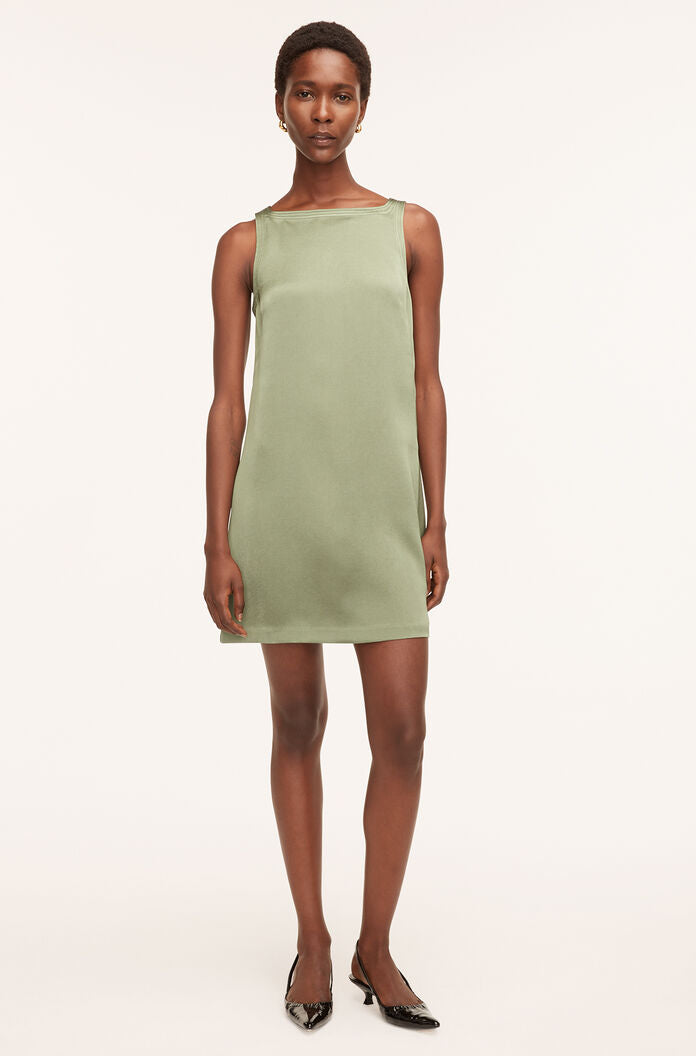
Viewing the shift dress through a purely seasonal lens only tells half the story. Its true value is as a perennial wardrobe investment. The cost-per-wear of a well-made shift dress in a neutral color or classic pattern becomes negligible when you consider its four-season utility. From a sustainability perspective, championed by institutions like the London College of Fashion’s Centre for Sustainable Fashion, investing in versatile, high-quality pieces that transcend trends and seasons is a cornerstone of a conscious wardrobe. Furthermore, the psychological impact of a reliable, flattering garment should not be underestimated. As style philosopher and author Nancy Etcoff explores in her work on the science of beauty, clothing that fits well and feels appropriate can significantly boost confidence and perceived competence. To maximize this investment, seek out dresses with impeccable construction—finished seams, aligned patterns, and quality hardware. Brands often offer these cornerstone pieces at accessible price points, especially during seasonal sales; a classic black wool shift dress might retail for $250 but can frequently be found at a discounted price of under $150 during post-holiday or end-of-season promotions, making sophisticated style an attainable goal.
The journey through the seasons with a shift dress reveals its profound adaptability. It is a garment that asks for creativity rather than dictates a single style. By applying the principles of fabric science, strategic layering, and accessory intelligence, you unlock a multitude of personas contained within one simple silhouette. It becomes your canvas for a breezy summer day, your sophisticated autumn uniform, your layered winter essential, and your fresh spring statement. This is not about following fleeting trends, but about cultivating a personal style language that is both intelligent and intuitive, built on a foundation as enduring and versatile as the shift dress itself.