

Mastering Semi-Formal Dresses for Every Occasion
Navigating the world of dress codes can often feel like deciphering a cryptic language. Between the strict formality of black-tie and the casual ease of weekend wear lies a versatile and essential category: the semi-formal dress. This style isn’t a compromise; it’s a powerful tool for self-expression, allowing you to project confidence and sophistication across a multitude of events. Whether you’re attending a garden wedding, a sophisticated cocktail party, or an important business dinner, the right semi-formal dress is your sartorial passport. This guide will demystify the code, offering not just aesthetic choices but a foundational understanding of fabric, cut, and context, empowering you to build a capsule wardrobe that is both elegant and endlessly adaptable.
Decoding the Semi-Formal Lexicon: Beyond the Label
The term “semi-formal” or “dressy casual” often sparks more questions than it answers. Objectively, it occupies the middle ground on the formality spectrum. According to sartorial scholars at institutions like the Fashion Institute of Technology, semi-formal attire for women typically implies a knee-length to midi dress, though elegant pantsuits are equally acceptable. The key differentiator from formal wear (like full-length gowns) is length and often, a slightly more playful approach to fabric and detail. From a sociological perspective, as noted in publications like The Psychology of Fashion, this dress code emerged as modern social events diversified, requiring attire that was polished yet not overly rigid, suitable for events that are celebratory but not strictly ceremonial. Think of it as sartorial intelligence—the ability to read a room and dress with appropriate respect and style. A semi-formal dress, therefore, is not a single garment but a concept: it is attire that acknowledges the importance of an occasion while allowing for personal flair and comfort. It’s the outfit that says you understand the assignment without being overwhelmed by it.

The Architectural Elements: Fabric, Silhouette, and Detail
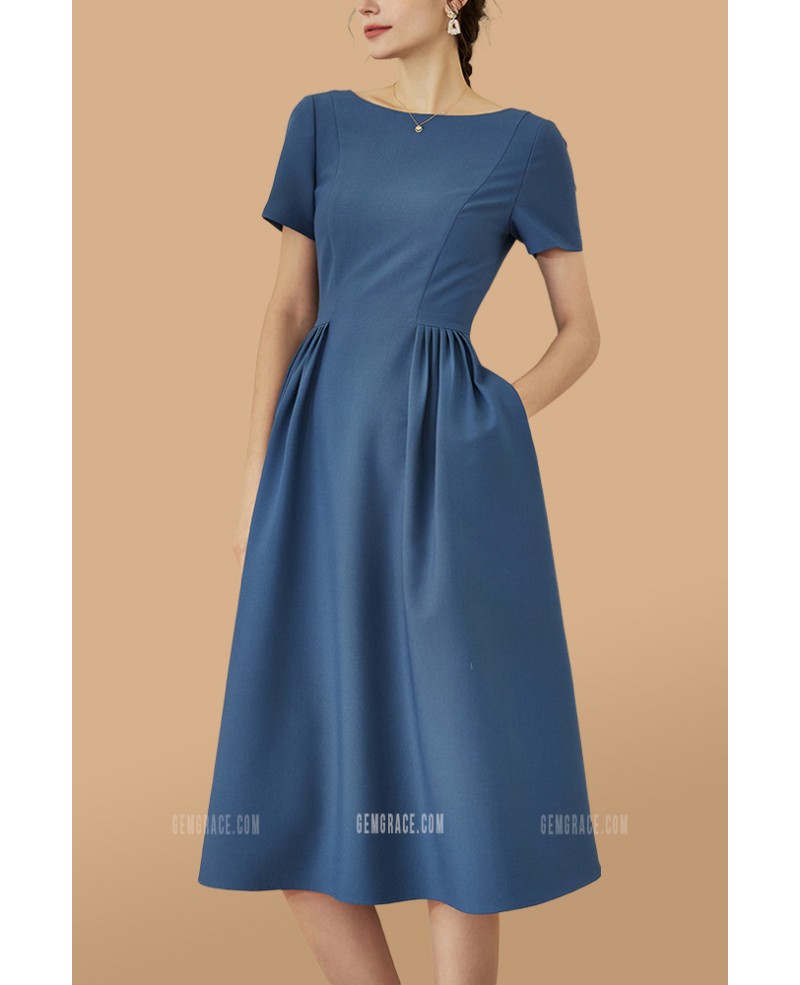
Choosing the perfect semi-formal dress is an exercise in understanding three core architectural elements: fabric, silhouette, and detail. Let’s begin with fabric, the very foundation of the garment. Scientifically, the drape, weight, and sheen of a material communicate instantly. Luxurious fabrics like silk crepe, chiffon, jacquard, and high-quality lace are perennial favorites for semi-formal events. As designer Diane von Fürstenberg famously stated, “Style is something each of us already has, all we need to do is find it.” Finding your style often starts with how a fabric feels against your skin and moves with your body. A silk crepe dress offers a sublime, flowing drape that exudes understated luxury, perfect for a dinner party. Conversely, a structured cotton-sateen or a brocade can provide a more architectural shape, ideal for a daytime wedding. The silhouette is your canvas. A-line cuts are universally flattering, offering elegance and ease. Sheath dresses provide a sleek, modern line that is both professional and chic. Fit-and-flare styles introduce a touch of playful femininity. The mastery lies in balancing these elements. A simple silhouette can be elevated with a luxurious fabric, while a bold cut might be best served in a matte, solid color. Details—the third element—are your punctuation marks. A strategic ruffle, a delicate beaded neckline, or an interesting back detail can transform a simple dress into a standout semi-formal dress. The rule of thumb here is focus: one or two deliberate details are sophisticated; too many can tip into extravagance better suited for a formal gala.
The Occasion Matrix: From Garden Parties to Boardroom Dinners
Context is king. The same dress rarely works for all semi-formal events, and understanding the sub-categories within this code is crucial. Let’s map it out. For Daytime Semi-Formal events such as garden weddings, brunches, or religious ceremonies, opt for lighter fabrics, brighter or softer colors, and hemlines that are generally knee-length. Florals, pastels, and prints are not only acceptable but encouraged. A chiffon wrap dress or a linen-blend shift dress would be impeccable choices. As the sun sets, Cocktail Attire takes center stage. This is perhaps the most common interpretation of semi-formal. Think little black dresses, but also jewel-toned sheaths, sequined minis (tastefully done), and sleek slip dresses. Hemlines can be shorter, fabrics can have more sheen (like satin), and details can be more dramatic. For Business Semi-Formal events, such as conferences, award dinners, or client meetings, lean towards tailored sophistication. A tailored midi dress in a solid color—navy, black, burgundy—with a high neckline or a conservative cut is powerful. Here, the semi-formal dress acts as professional armor, conveying competence and style. Finally, consider Creative Industry or gallery opening events, where the code allows for more avant-garde interpretation. A bold color-blocked dress, an asymmetrical hemline, or a dress with artistic print can showcase your personality while remaining polished. The common thread across all these scenarios is intentionality: your choice should feel like a deliberate and appropriate response to the event’s setting, time, and implied tone.

Investment vs. Accessibility: Building a Smart Wardrobe
A myth persists that looking polished requires a limitless budget. This is where knowledge becomes power. Building a capsule of go-to semi-formal dresses is an investment in your social and professional life, but it need not be prohibitive. The first principle is fabric integrity. Even a simple design in a natural fiber like silk or high-grade cotton will look and feel more expensive than a complex design in poor-quality polyester. Start with one or two foundational pieces in neutral colors—a black sheath and a navy wrap dress, for instance. These are your wardrobe workhorses. The second principle is strategic accessorizing. A single, beautiful dress can be reinvented multiple times. As style icon Iris Apfel has quipped, “More is more and less is a bore.” While her style is maximalist, the underlying truth is that accessories are transformative. A statement necklace, a bold cuff, or a unique clutch can completely alter a dress’s vibe. The third principle is savvy shopping. Look for end-of-season sales on higher-end contemporary brands. Explore reputable online retailers that offer direct-to-consumer pricing, cutting out middleman markups. Many such brands now offer exceptional quality at 30-50% below traditional retail. Furthermore, consider rental services for one-off events where you want a designer piece without the commitment. This approach brings professional knowledge of value and quality directly to you, ensuring you acquire pieces with longevity and style, all while being mindful of cost-per-wear, which ultimately defines true value.
The Personal Fit: Silhouette as a Form of Self-Knowledge
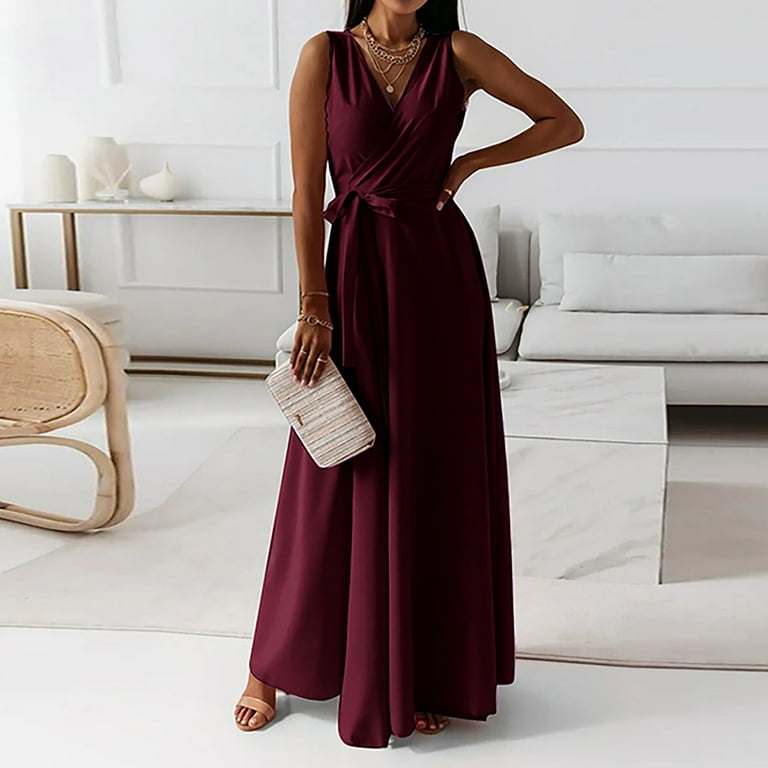
Beyond occasion and fabric, the most profound relationship you have with a dress is how it aligns with your body and self-perception. This isn’t about chasing trends; it’s about understanding your own architecture. The concept of “dressing for your body type,” often oversimplified in fashion media, is better framed as identifying silhouettes that make you feel confident and unrestricted. Scientific studies on enclothed cognition, cited in journals like the Journal of Experimental Social Psychology, suggest that the clothes we wear significantly impact our psychological processes. A dress that fits impeccably—not just in size, but in proportion—can enhance your posture, your mood, and your perceived authority. If you have an athletic build, a dress with a defined waist or draping can create beautiful curves. If you are pear-shaped, an A-line skirt that flows from the waist is eternally flattering. For those with an hourglass figure, a belted style or a fit-and-flare cut celebrates your natural proportions. This knowledge is empowering. When you shop, you are no longer at the mercy of mannequins; you are a curator seeking a specific silhouette that you know works for you. This turns the often-daunting task of finding a semi-formal dress into a targeted, successful, and even enjoyable mission. It’s the difference between wearing a dress and having the dress wear you.
The Final Touch: Cohesion from Head to Toe
A masterpiece painting is not judged by a single brushstroke, and an outstanding semi-formal look is not defined by the dress alone. The final 20% of your effort—the accessories, shoes, and grooming—creates 80% of the impact. This is where your look becomes cohesive. Let’s start with footwear. A classic pump in a neutral tone (nude, black, metallics) is the most versatile companion to a semi-formal dress. For a more modern edge, a sleek block heel or a tasteful strappy sandal works beautifully. The goal is harmony: a delicate dress can handle a more delicate shoe, while a structured dress might pair well with a stronger heel. Handbags should be compact and elegant—a clutch, a small structured box, or a minimalist crossbody. Jewelry requires a decision: are you making a statement with your neckline, or with your ears? If your dress has a detailed neckline, opt for simple studs and a bracelet. A simple dress is the perfect canvas for a bold necklace or dramatic earrings. Finally, consider outerwear. A tailored blazer, a elegant wool coat, or a chic faux-fur stole for evening can frame your look perfectly upon arrival. This holistic approach ensures that every element supports the central piece—your dress—creating a unified and polished presentation that is ready for any occasion.
Mastering the art of the semi-formal dress is, in essence, mastering a form of social and personal elegance. It moves beyond following rules to understanding principles—of fabric, context, silhouette, and cohesion. It is about owning a selection of dresses that don’t just hang in your closet but stand ready as trusted allies for the myriad moments that make up a full life. From the joyful celebration to the professional milestone, the right dress is both armor and expression. It is a testament to the idea that what we wear is not superficial, but a nuanced language. By investing thought into these choices, you ensure that you are always speaking fluently, with confidence, style, and grace.