Mastering Semi-Formal Dresses for Every Occasion
Navigating the world of event attire often feels like deciphering a cryptic code. “Cocktail attire,” “business casual,” “dressy casual”—the terms blur, leaving many of us staring into a closet full of clothes yet feeling we have nothing to wear. The sweet spot, the versatile hero of modern wardrobes, is the semi-formal dress. It’s the sartorial solution that bridges the gap between the overly casual and the strictly formal, offering a canvas for personal expression while adhering to social decorum. This isn’t about rigid rules, but about understanding a framework—a framework built on fabric, cut, length, and context—that empowers you to make confident choices. From garden parties to gallery openings, from sophisticated dinners to milestone celebrations, mastering the semi-formal dress is about unlocking a tool for poised self-presentation in an increasingly hybrid world of social and professional engagements.
Decoding the “Semi-Formal” Lexicon: More Than Just a Dress Code
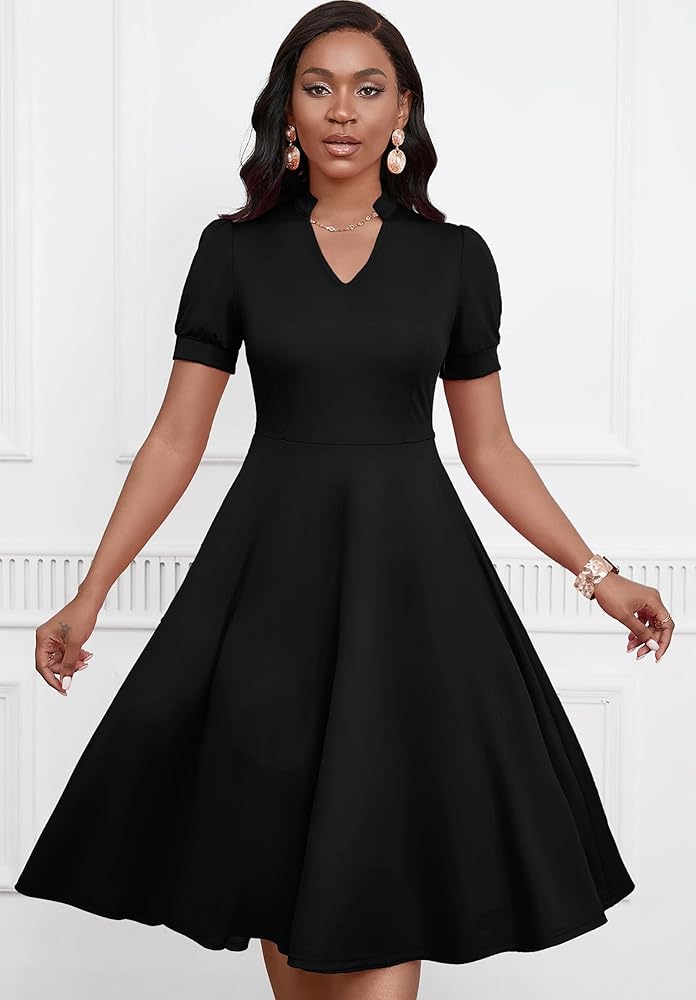
The term “semi-formal” or “half-dress” finds its roots in Western sartorial history, emerging as a distinct category in the early 20th century as social structures evolved and rigid formality relaxed. According to analyses of historical fashion, it represented a deliberate step down from the prescribed “white tie” or even “black tie” attire, allowing for greater comfort and individual style while maintaining a clear standard of polish. Today, its definition is less about historical precedent and more about contextual harmony. A semi-formal dress is characterized by its intentional design: it avoids the extreme brevity of a mini dress or the sweeping grandeur of a full-length ball gown. Think of it as the “Goldilocks zone” of dresses—not too casual, not too formal, but just right for a vast array of events. The key lies in its components: typically, fabrics like silk, chiffon, lace, high-quality jersey, or crepe elevate it beyond daywear. The cut is considered, often featuring defined waistlines, strategic draping, or elegant sleeves. Length usually falls at or just above the knee, or to a midi or tea-length, which, as noted by fashion institutes like the Fashion Institute of Technology, projects an air of refined sophistication suitable for events after 5 p.m. but not demanding full evening regalia.
The Fabric of Elegance: Material as the Foundation
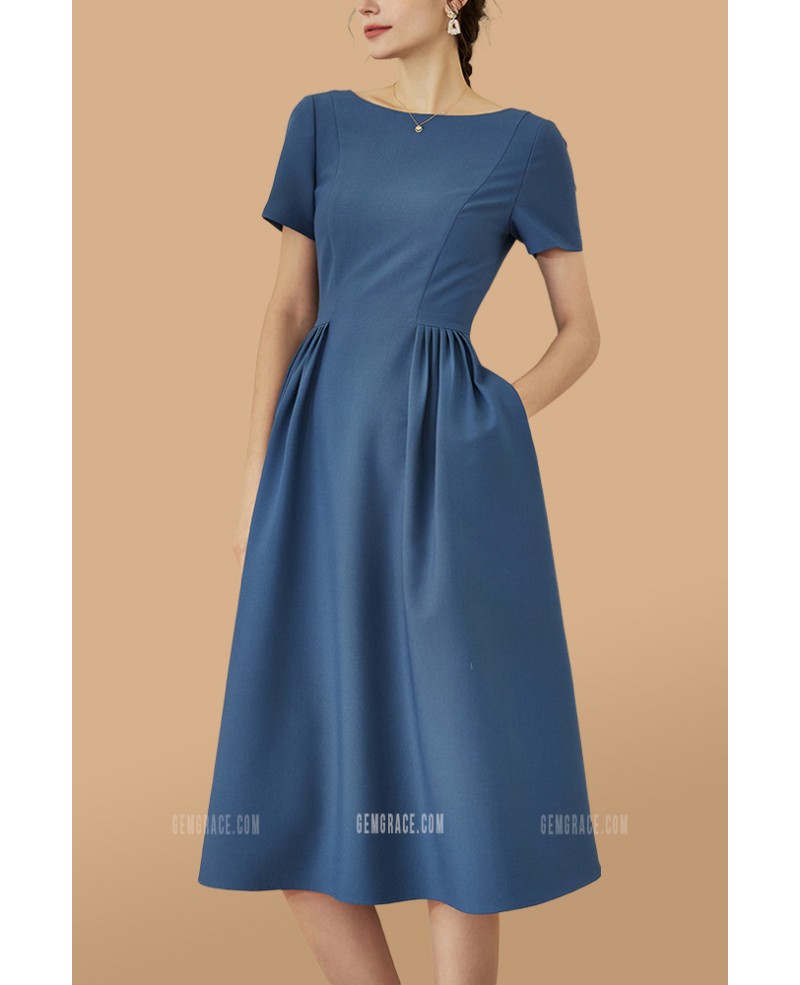
Your journey to mastering the semi-formal dress begins with touch and drape—the fabric. This is the most objective and scientific differentiator. A cotton sundress, while beautiful, belongs to a daytime picnic; a sequined lamé gown belongs to a gala. The semi-formal realm is governed by materials that convey substance and fluidity. Consider the molecular structure: natural fibers like silk (a protein fiber known for its luminous sheen and temperature regulation) and fine wool crepe offer breathability and a graceful fall. Synthetic or semi-synthetic wonders like high-quality polyester chiffon or rayon/viscose can mimic this drape beautifully and often at a more accessible price point, bringing professional knowledge of textile value to the user. As the iconic designer Coco Chanel once implied, elegance is refusal—and in this context, it is the refusal of overly casual or stiff materials. A jersey dress, for instance, can transcend its casual associations if the cut is impeccable and the fabric is a substantial, matte knit that holds its shape. The tactile experience matters; a fabric that feels luxurious against the skin psychologically elevates the wearer’s confidence. This is where savvy shopping comes in: understanding that a well-constructed dress in a premium synthetic blend, often found at discounted prices during seasonal sales, can offer 90% of the aesthetic impact of a pure silk garment for a fraction of the cost, making elegance economically accessible.
Silhouette and Structure: The Architecture of Flattery
Beyond fabric, the architecture of the dress—its silhouette—defines its semi-formal credentials. This is where art meets science, employing principles of geometry and anatomy to create harmony. The A-line, a timeless silhouette that gently flares from the waist, is universally flattering and inherently elegant, a fact often cited in style guides from publications like Vogue or Harper’s Bazaar. The sheath dress, a narrow, body-skimming cut, offers sleek modernity but demands precise tailoring to live in the semi-formal zone; a poorly fitted sheath slips into office-wear. The fit-and-flare, with its cinched waist and playful skirt, injects femininity and movement. Then there are details that act as structural punctuation: a defined waistline (through darts, seams, or a belt) creates intention. Strategic draping, like the famous designs of Madame Grès, sculpts fabric into becoming a part of the body’s landscape. Sleeves, whether cap, three-quarter, or long, can instantly modulate formality; a short-sleeved or sleeveless dress might require a wrap or jacket for certain settings, while a dress with elegant long sleeves stands complete. The neckline, too, plays a role. A jewel neckline or a tasteful V-neck offers versatility. The goal is a silhouette that feels considered and complete, not an afterthought. As the film The Devil Wears Prada subtly demonstrated through Andy Sachs’s transformation, the right cut doesn’t just clothe the body; it empowers the person within it, signaling competence and self-awareness to the world.
Context is King: Matching the Dress to the Occasion Matrix
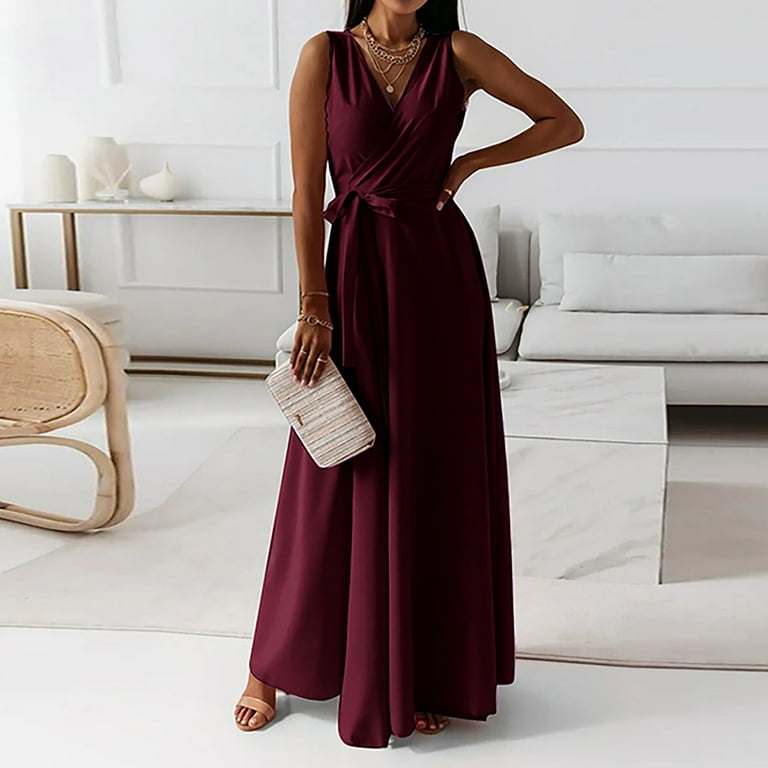
Owning a perfect semi-formal dress is only half the battle; deploying it correctly is the other. This requires a situational analysis, a skill akin to social intelligence. Let’s break down the occasion matrix. For a cocktail party, the name itself suggests a shorter, often more playful or glamorous iteration. Think sequins, bold colors, or interesting textures. This is your chance to embrace a “little black dress” with a twist, as famously endorsed by style luminaries from Audrey Hepburn to countless fashion bloggers today. A wedding (where you are not the bride) demands respect for the couple’s day. Here, a midi or tea-length dress in floral prints, soft pastels, or elegant jewel tones often works perfectly, avoiding white or anything overly revealing. Websites like The Knot provide extensive guest attire guides that reinforce these norms. A business dinner or upscale work event calls for muted sophistication—a tailored sheath in navy, gray, or black, or a elegant wrap dress. The sleeve length and neckline become more conservative here, prioritizing polish over overt fashion statements. An afternoon garden party or gallery opening leans into “dressy casual,” where a breezy midi dress in a printed silk or linen-blend shines. The common thread is research: when in doubt, investigate the venue’s typical ambiance, the time of day, and any explicit instructions. Your dress is a form of communication; ensure it’s speaking the right language for the room.
The Alchemy of Accessories: Completing the Narrative
No semi-formal ensemble is an island. It is the synergy between the dress and its accompanying elements that creates a cohesive and powerful statement. Accessories are the adjectives and adverbs of your sartorial sentence. The wrong ones can undermine a beautiful dress; the right ones can elevate a simple one to greatness. Footwear is paramount: a classic pump, a strappy sandal with a moderate heel, or even a sophisticated flat (like a pointed-toe loafer or embellished ballet flat) can ground the look. The bag should be compact and elegant—a clutch or a small structured handbag, not a day-to-day tote. Jewelry requires a measured hand. As the renowned stylist Rachel Zoe has often stated on her social platforms, the concept of “more is more” has its place, but for semi-formal elegance, “edit, edit, edit” is often wiser. Choose one focal point: statement earrings with a simple neckline, or a bold necklace with understated ears. A delicate watch can add a touch of refined practicality. Finally, consider the outer layer. A tailored blazer, a cashmere wrap, or a elegant trench coat not only provides practical comfort but also adds a layer of sophistication, framing the dress beneath. This holistic approach to styling is what transforms wearing a dress into crafting a look.

Cultivating a Versatile Semi-Formal Wardrobe: A Strategic Approach
Building a repertoire of go-to semi-formal dresses need not be an exercise in extravagance. It is an investment in social capital and personal confidence. The strategy is to think in terms of a capsule: a few high-quality, versatile pieces that can be mixed, matched, and re-contextualized. Start with the foundational LBD (Little Black Dress), but ensure yours has a distinctive detail—an interesting back, a unique sleeve, or luxurious fabric—to set it apart. Next, introduce a dress in a neutral tone like navy, burgundy, or emerald green, which can feel fresher than black in certain settings. A third piece could be a print—a floral, geometric, or abstract pattern—that reflects your personality. The fourth might be a wildcard: a jumpsuit of equal formality, or a dress in a currently fashionable silhouette. The key is that each piece should make you feel authentically powerful and comfortable. To acquire these, leverage end-of-season sales, outlet stores, and even reputable rental services for one-off events. This approach brings professional knowledge of wardrobe architecture and discounted prices to the user, ensuring style is sustainable both aesthetically and financially. Remember, the goal is not a closet overflowing with dresses, but a curated collection where every item has a purpose and brings you joy.
A Final Note on Confidence: The Invisible Accessory
All these guidelines on fabric, silhouette, context, and accessories coalesce into one ultimate goal: fostering confidence. The most beautiful, expensive, and perfectly appropriate semi-formal dress will fall flat if the wearer feels like an impostor in it. True mastery comes from internalizing these principles so you can then forget them. Try on dresses, move in them, sit down, and dance a little. Does it feel like you? Does it allow you to breathe, both literally and figuratively? As the writer and style icon Diana Vreeland famously quipped, “The eye has to travel.” Let your choice in a semi-formal dress be an extension of your inner landscape—polished, considered, and uniquely yours. When you step into a room, your dress is your ambassador, but your confidence is your voice. Let them work in harmony.