Mastering Semi-Formal Dresses for Every Occasion
Navigating the world of dress codes can often feel like deciphering an ancient, unspoken language. Among the most versatile yet frequently misunderstood categories is the semi-formal dress. It’s the sartorial sweet spot that bridges the gap between casual comfort and formal grandeur, offering a canvas for personal expression while adhering to a framework of elegance. This guide isn’t about rigid rules; it’s about unlocking the principles that make a semi-formal dress your most reliable ally for events ranging from sophisticated garden parties to intimate evening dinners and professional galas. By understanding the fabric, silhouette, and contextual nuances, you can build a wardrobe that feels both authentic and impeccably appropriate.
The Anatomy of a Semi-Formal Dress: Decoding the Dress Code
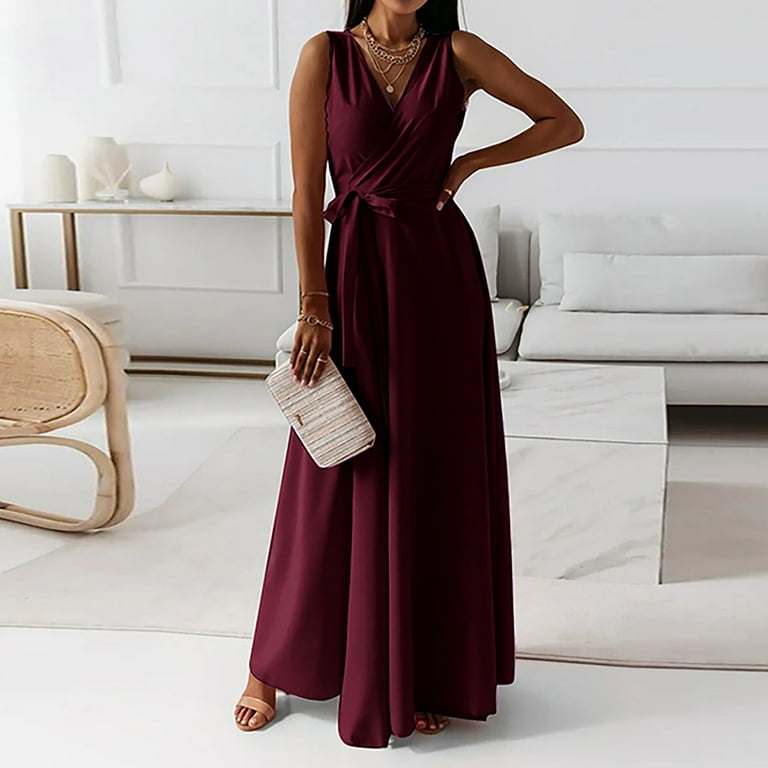
The term “semi-formal” or “half-dress” finds its roots in Western dress code history, evolving from the more rigid classifications of the 19th and early 20th centuries. According to resources like Wikipedia, semi-formal attire for women traditionally occupies the space between formal (full-length gowns) and informal (day dresses). The modern interpretation, however, is more fluid. A semi-formal dress is characterized by its balanced approach. Think of fabrics that have a certain weight and sheen—crepe, chiffon, silk blends, high-quality jerseys, or lace overlays—but avoid the ultra-casual feel of denim or the overwhelming opulence of heavy brocade. Silhouettes can vary dramatically, from sleek sheaths and fit-and-flare designs to elegant wrap dresses. The length is a key differentiator; it typically falls anywhere from just above the knee to midi-length, though tea-length or even shorter floor-length styles can be acceptable depending on the event’s time and setting. The neckline and sleeve style offer further avenues for personalization, allowing you to adapt the formality level. As fashion historian and author Amber Butchart has noted, “Clothes are a tool for communication,” and a well-chosen semi-formal outfit communicates respect for the occasion and confidence in one’s own style.
Context is King: Matching Your Dress to the Event
Selecting the perfect semi-formal dress is an exercise in contextual intelligence. A dress perfect for a daytime wedding may not translate to an evening cocktail party. Let’s break down common scenarios. For a daytime wedding or a garden party, lean towards lighter colors, floral prints, and breathable fabrics like linen blends or cotton sateen. Midi or knee-length dresses with playful details are ideal. As the sun sets, for an evening cocktail event or a dinner party, you can embrace darker hues, richer textures like velvet (in season), and more dramatic accessories. Think sequined details, metallic threads, or sleek satin. The setting is equally crucial; an event at a modern art museum calls for a different vibe than one in a historic ballroom. This concept of situational dressing is echoed by stylists and influencers across platforms like YouTube, where fashion experts like Ashley (BestDressed) often emphasize “reading the room” through the invitation’s venue, time, and implied tone. A statement from a Quora thread on dress codes succinctly puts it: “When in doubt, it’s always better to be slightly overdressed than underdressed. A semi-formal dress gives you that safe, elegant middle ground.”
The Power of Silhouette: Finding Your Form-Flattering Fit
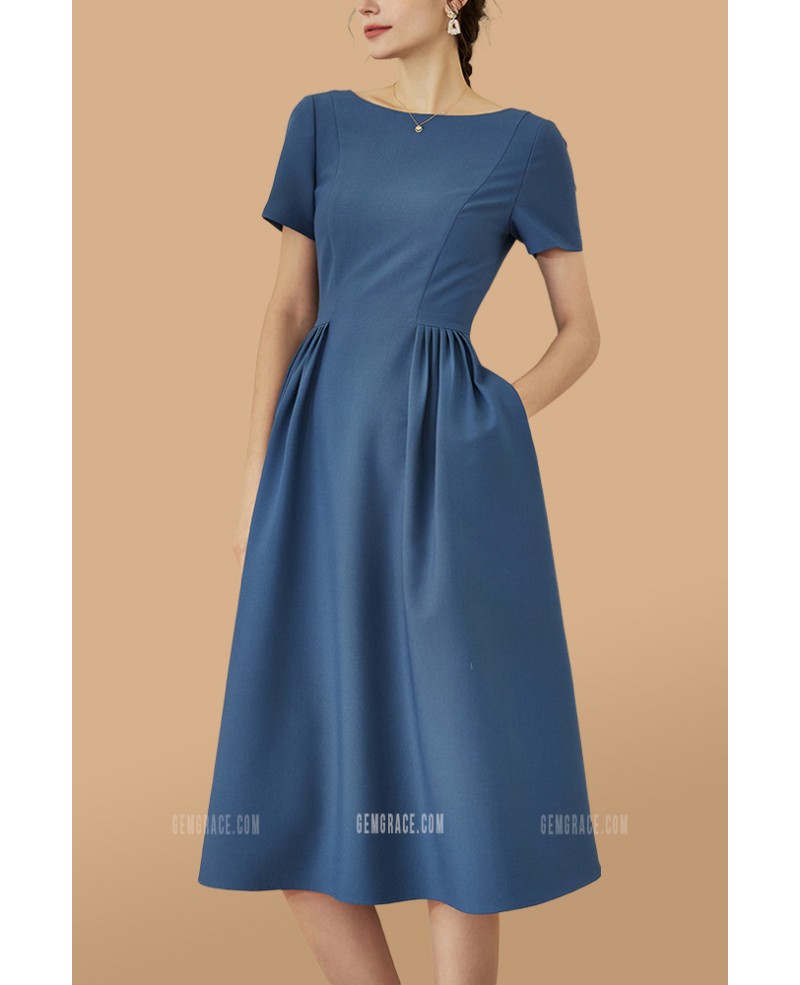
Beyond the event specifics, the true mastery of the semi-formal dress lies in understanding which silhouette celebrates your unique form. This isn’t about chasing trends but about identifying architectural lines that make you feel powerful and poised. The A-line dress, with its fitted bodice and skirt that flares out from the waist, is universally flattering, creating a balanced, feminine hourglass illusion. The sheath dress offers a streamlined, sophisticated profile that exudes modern minimalism—perfect for more corporate-leaning semi-formal events. For those who prioritize comfort without sacrificing style, the empire waist or wrap dress provides elegance with ease, skimming the body gracefully. Literature from fashion programs at authoritative institutions like the Fashion Institute of Technology (FIT) stresses the importance of proportion and balance in garment design. A well-constructed dress follows these principles, ensuring the visual weight is distributed in a way that is harmonious. Trying on various silhouettes is the most scientific method; observe how different necklines (V-neck, scoop, square) interact with your shoulders and face shape, and how the waistline’s placement defines your torso. The goal is a dress that you forget you’re wearing because it feels so intrinsically right.

Investment Pieces vs. Trend-Driven Choices: A Strategic Wardrobe Approach
Building a versatile semi-formal repertoire requires strategic thinking. It involves distinguishing between timeless investment pieces and fun, trend-driven items. Your foundation should be built on classic, high-quality semi-formal dresses in neutral colors like black, navy, burgundy, or emerald green, and in versatile fabrics. A little black dress (LBD) in a luxurious fabric like crepe or matte jersey is the quintessential example—it can be accessorized up or down for a decade. This aligns with the “capsule wardrobe” philosophy popularized by stylists and seen on platforms like Pinterest, which advocates for a small collection of interchangeable, high-quality items. Alongside these staples, you can incorporate trendier pieces—perhaps a dress with a current sleeve detail, a bold print, or an of-the-moment color. The key is to ensure even trendier items are well-made and align with your personal style, so they don’t feel disposable after one season. This approach is not only aesthetically sound but economically savvy. By investing in core pieces, you reduce the need for constant new purchases, and focusing on quality often means better construction, fit, and longevity, ultimately bringing a form of “discounted price” through cost-per-wear value.
Accessorizing the Narrative: The Final Touches of Mastery
A semi-formal dress is a foundation, but accessories write the full story. They are the punctuation marks that define your style sentence. The principle here is balance. A simple, elegant sheath dress can handle bold, architectural jewelry and a statement clutch. Conversely, a dress with intricate beading or a loud pattern calls for minimalist accessories—perhaps just elegant studs and a sleek bracelet. Footwear is a critical component; a classic pump, a strappy sandal, or a sophisticated block heel can ground the outfit. Consider the practicalities of the event—a garden party might necessitate a wedge heel over a stiletto. Handbags should be compact and refined; think clutches or small crossbody bags. The finishing touch is often outerwear; a tailored blazer, a chic leather jacket (for edgier events), or a elegant wrap can transform the look for different temperatures and settings. As Coco Chanel famously advised, “Before you leave the house, look in the mirror and take one thing off.” This underscores the semi-formal ethos: aiming for polished completeness, not overwhelming excess.
Confidence: The Ultimate Accessory
Ultimately, the most important element you wear with any semi-formal dress is confidence. This isn’t a cliché but a psychological reality. Studies in social psychology, referenced in literature from universities, suggest that clothing can significantly impact cognitive processes—a phenomenon known as “enclothed cognition.” When you feel your outfit is appropriate and flattering, it directly influences your self-assurance and demeanor. Mastering semi-formal wear is, therefore, an act of self-empowerment. It’s about having the knowledge to make choices that align with the context and your identity, freeing you from anxiety and allowing you to be fully present. Whether you’re navigating a work function, celebrating a friend’s milestone, or attending a cultural soirée, the right dress serves as armor and expression. It tells the world you understand the assignment, but you’ve also made it your own. So, view these guidelines not as restrictions, but as a framework for creativity. Experiment, find what resonates with you, and step into every semi-formal occasion with the quiet assurance that comes from knowing you are perfectly, and personally, dressed.