

Mastering Semi-Formal Dresses for Every Occasion
Navigating the world of event attire often leads us to the versatile yet sometimes ambiguous realm of the semi-formal dress. It’s a sartorial sweet spot that bridges the gap between casual daywear and opulent evening gowns, offering a canvas for personal expression while adhering to a framework of refined elegance. This guide isn’t about rigid rules but about unlocking the principles that make a semi-formal dress the perfect choice for a multitude of events, from garden weddings to sophisticated cocktail hours. We’ll dissect the objective criteria that define this dress code, explore its historical and social context, and provide you with the knowledge to select, style, and own this category with confidence, all while considering both timeless expertise and contemporary value.
Decoding the Semi-Formal Lexicon: More Than Just “Dressy Casual”
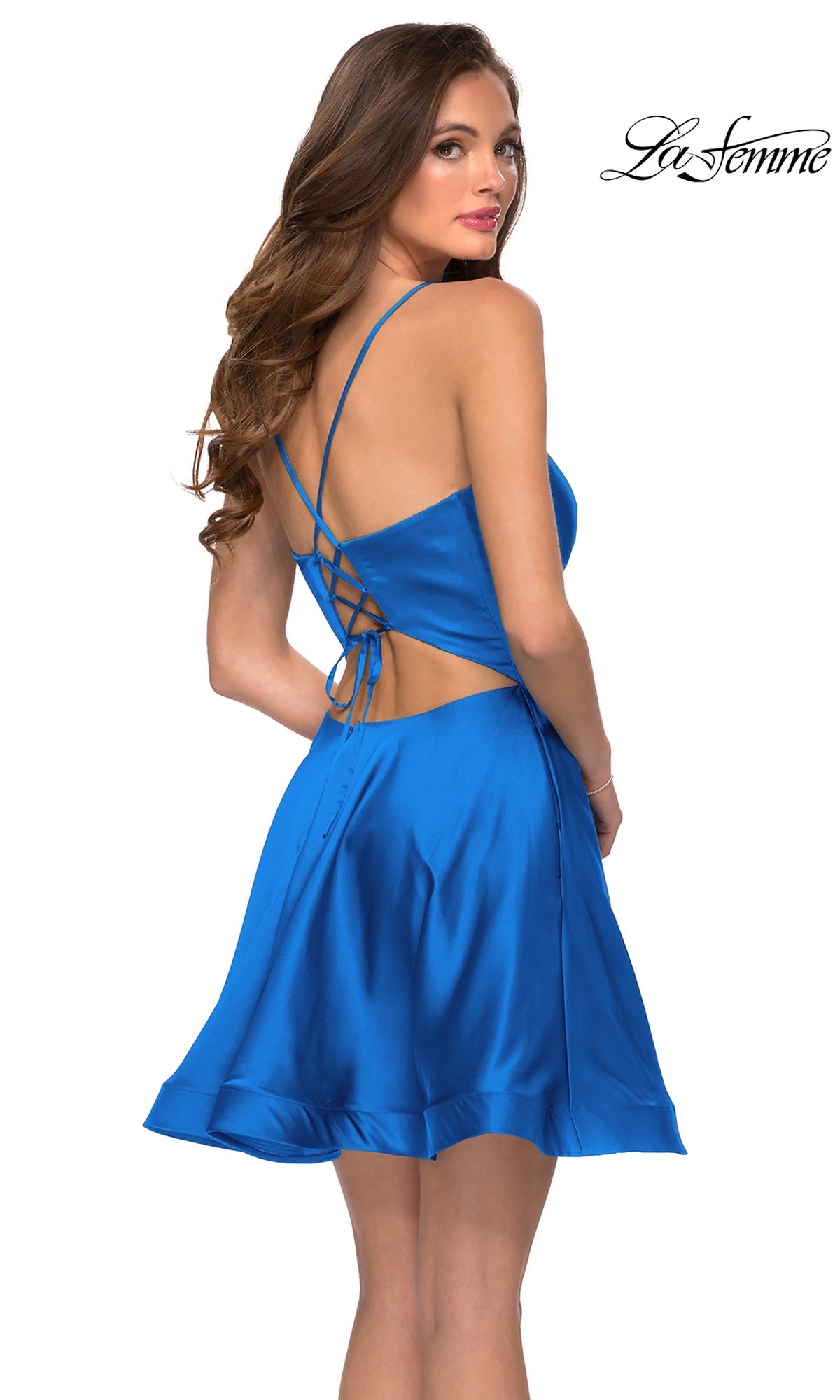
The term “semi-formal” or “half-dress” finds its roots in Western dress codes of the 19th and early 20th centuries, evolving from strict societal norms into a more fluid modern interpretation. According to resources like Wikipedia and various fashion historiography, semi-formal wear traditionally referred to evening events that were less rigid than white-tie affairs but still required a concerted effort—think tuxedos for men and cocktail dresses for women. Today, the semi-formal dress for women occupies this evolved space. It is objectively characterized by several key elements: length typically falling at or just above the knee to midi, though tea-length is also perfectly acceptable; fabrics that denote a deliberate choice, such as silk, chiffon, lace, high-quality jersey, or velvet, moving away from everyday cottons; and silhouettes that range from sleek sheaths to A-lines and fit-and-flare designs, often incorporating thoughtful details like strategic cut-outs, delicate beading, or elegant draping. The scientific explanation lies in social semiotics—the study of signs and symbols in social contexts. Your semi-formal dress communicates non-verbally, signaling respect for the event’s host, an understanding of the social setting, and a cultivated personal aesthetic. It’s a visual language where the grammar is defined by hemlines, textures, and form.
The Occasion Matrix: Matching Your Dress to the Event’s Vibe
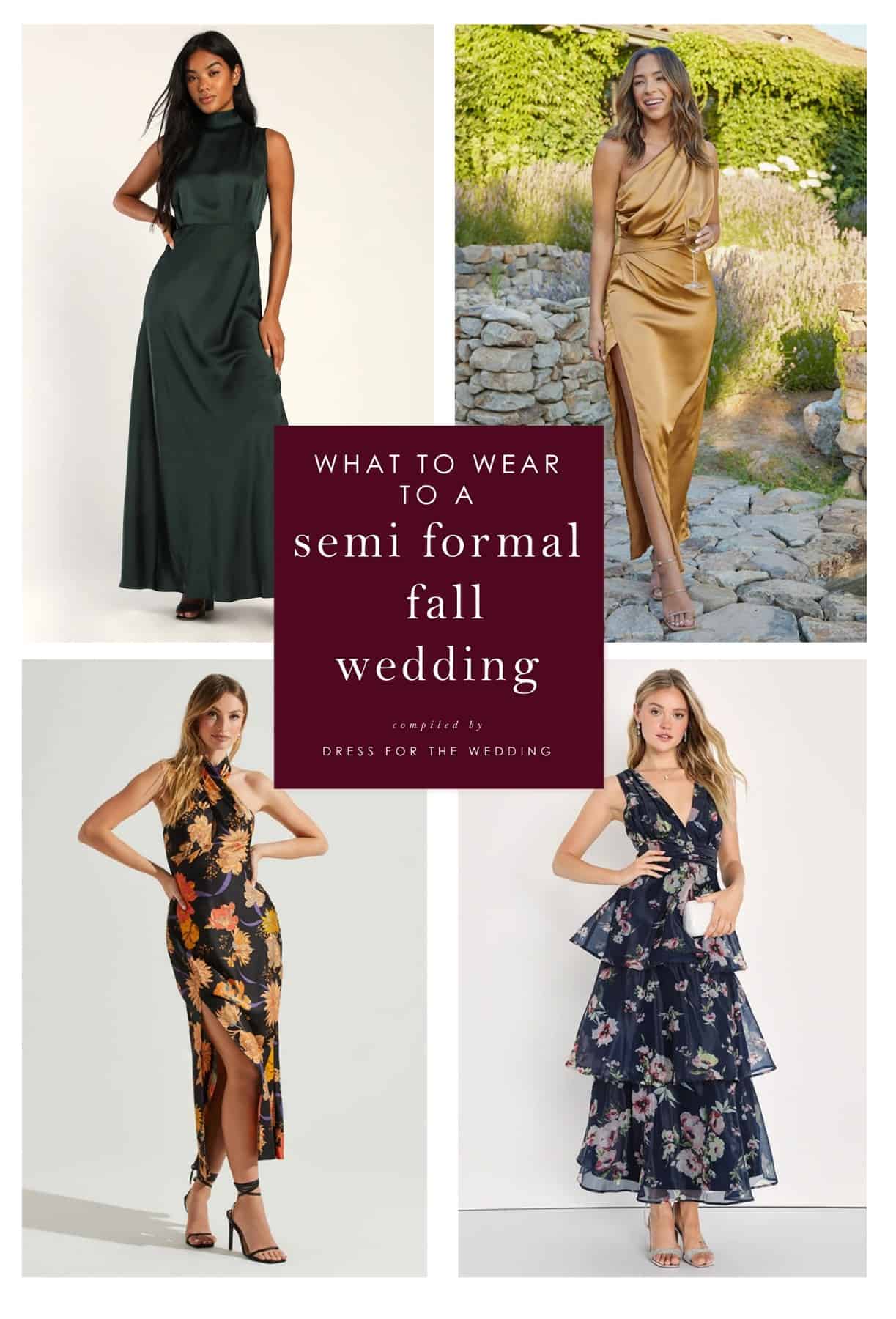
Understanding the specific occasion is paramount. A semi-formal dress for a daytime summer wedding will differ from one for an evening corporate gala. Let’s break this down through an objective lens, referencing common guidelines from platforms like Quora, Brides magazine, and event planning websites. For a daytime or garden wedding, lighter fabrics like chiffon, linen blends, and cotton sateen are ideal. Florals, pastels, and vibrant jewel tones work beautifully, with silhouettes that allow for movement. As fashion icon Iris Apfel once quipped, “More is more and less is a bore,” but in semi-formal contexts, this translates to bold choices in color or print, balanced with a relatively simple cut. Conversely, an evening event, be it a cocktail party or a dinner, calls for richer hues—navy, emerald, black, metallics—and luxe fabrics like silk crepe, satin, or velvet. The hemline can venture slightly shorter or into a dramatic floor-sweeping midi. For a work-related function, modesty and polish take precedence; a tailored shift or a wrap dress in a solid color projects professionalism. The viewpoint from countless style advisors on YouTube, such as Audrey Coyne, emphasizes the “one statement piece” rule: let the dress be the focal point, accessorizing minimally to maintain the semi-formal equilibrium.
Silhouette Science: Finding the Architecture That Loves You Back
The architecture of your dress—its silhouette—is the foundation of its impact. This isn’t about chasing trends but understanding the geometry that harmonizes with your form. Objective style principles, often outlined in literature from fashion institutes like FIT or Parsons, categorize women’s body types (though these are guidelines, not strict rules) and suggest complementary shapes. An A-line dress, which cinches at the waist and flares out, is universally flattering, echoing the iconic shapes popularized by Christian Dior’s “New Look” and offering comfort and elegance. A sheath dress, a column of fabric that follows the body’s lines, exudes modern sophistication and is a staple in the working woman’s wardrobe, as championed by figures like Christine Lagarde. The fit-and-flare or skater dress emphasizes the waist and creates a playful, feminine silhouette, perfect for dancing the night away. The key is to analyze the dress’s construction. Look for darts, seams, and lining—these are hallmarks of a garment built with intention, not just fabric sewn together. A well-constructed semi-formal dress will have structure, whether it’s through internal boning, a built-in slip, or precisely placed seams that create shape without discomfort.

The Alchemy of Fabric and Detail: Where Quality Speaks Volumes
Fabric is the vocabulary of your dress; it dictates how it moves, feels, and is perceived. A scientific approach to textiles reveals why certain materials are deemed semi-formal. Natural fibers like silk and wool crepe breathe, drape elegantly, and possess a inherent luster that synthetic fibers often try to mimic. As noted in textile resources from universities like NC State, the molecular structure of silk fibers reflects light in a soft, diffuse manner, giving it that coveted glow. A lace overlay adds texture and romance, a detail immortalized in countless films, from Grace Kelly’s bridal wear to the intricate costumes of “The Great Gatsby.” Embellishments should be deliberate—a scattering of sequins, a line of pearl beading—rather than overwhelming. This aligns with the minimalist yet impactful philosophy of designers like Carolyn Bessette-Kennedy, whose style is frequently analyzed on platforms like Twitter by fashion historians. The details—the zip closure, the hook-and-eye, the quality of the stitching—are the unsung heroes. They are the difference between a dress you wear once and a semi-formal dress that becomes a trusted companion in your wardrobe for seasons to come.
Strategic Accessorizing: The Final, Defining Layer
Accessories are the punctuation marks to your sartorial sentence. The semi-formal code demands a balanced approach. Drawing from the curated aesthetics seen on platforms like Pinterest and style blogs, the modern rule is to choose one or two focal points. If your dress is simple, a statement necklace or bold earrings can elevate it instantly. If the neckline is detailed or the dress is brightly patterned, opt for understated jewelry—simple studs or a delicate bracelet. The choice of shoe is critical; a classic pump, a strappy sandal, or an elegant block heel in a neutral tone can ground the entire look. A clutch bag, as opposed to a day-to-day tote, completes the transformation. Consider the wisdom of stylist and author Nina Garcia, who in her book “The One Hundred” emphasizes the power of the right shoe to define an outfit. Your accessories should feel like an extension of the dress, not a separate competing narrative. They are the tools that allow you to fine-tune the formality level, making the same semi-formal dress adaptable for a range of events with just a few strategic swaps.

Cultivating a Value-Conscious, Timeless Wardrobe
Mastering semi-formal dressing is also an exercise in intelligent consumption. The goal is to build a capsule of dresses that offer maximum versatility and longevity, which is the ultimate form of providing value. This means looking beyond the initial price tag to the cost-per-wear. Investing in a well-made, classic semi-formal dress in a neutral color or a timeless print (like polka dots or a subtle floral) from a reputable retailer often proves more economical over time than purchasing multiple trend-driven, poorly constructed pieces. Seek out brands that offer transparency about their materials and construction. Furthermore, the digital age brings the advantage of comparison shopping and access to discount codes and seasonal sales directly from brand websites or authorized retailers. Signing up for newsletters, following favorite brands on social media, and using price-tracking tools are modern strategies for acquiring quality at a discounted price. The knowledge of what makes a dress semi-formal—its cut, fabric, and finish—empowers you to spot quality and value, whether you’re shopping at a department store, a boutique, or an online marketplace, ensuring each addition to your wardrobe is both beautiful and astute.
Ultimately, the art of the semi-formal dress lies in its beautiful paradox: it is a category defined by guidelines yet liberated by personal interpretation. It demands discernment in fabric and form but rewards you with unparalleled versatility. By internalizing the principles of occasion, silhouette, fabric, and detail, you move from guessing to knowing. Your wardrobe transforms from a collection of clothes into a curated toolkit for life’s celebrated moments. You become the author of your own style narrative, equipped to select a dress that feels authentically you, meets the moment with grace, and stands the test of time—both in durability and in design. This is true mastery.