

Mastering the Art of Semi-Formal Dresses for Every Occasion
Navigating the world of event attire often feels like deciphering a cryptic code. “Cocktail,” “business casual,” “smart casual”—the terms blur, leaving one staring into a closet full of possibilities yet feeling utterly devoid of the right option. Amidst this sartorial confusion, one category stands as a versatile and powerful solution: the semi-formal dress. This is not about rigid rules or fleeting trends; it is about understanding a foundational pillar of modern dressing that empowers you to move seamlessly from a daytime garden party to an evening gallery opening with confidence and grace. The mastery of the semi-formal dress lies in recognizing it as a canvas for personal expression within a framework of refined elegance, a tool that bridges the gap between the overly casual and the strictly formal, allowing the wearer’s individuality to shine through a lens of sophisticated appropriateness.
Decoding the Semantics: What “Semi-Formal” Truly Means
The term “semi-formal” or “dressy casual” often generates more questions than answers. To build a scientific foundation, we must look beyond fashion magazines to sociological and historical definitions. According to research from institutions like the University of Cambridge on social rituals, dress codes are communicative tools that signal the nature of an event, the level of respect for hosts and other guests, and one’s own social role. Semi-formal attire, in this context, occupies the middle ground on the formality spectrum. It is less structured than white-tie or black-tie but significantly more polished than everyday casual wear. A pivotal explanation comes from style authorities like the Emily Post Institute, which defines semi-formal for women as “a cocktail dress or a dressy separates ensemble.” This is not merely an opinion but a codification of social etiquette that has evolved over decades. The key objective characteristic is the intention: it is attire chosen with deliberate care for an event that is special but not supremely ceremonial. The fabric, cut, and finishing of a semi-formal dress will inherently reflect this intention, often utilizing materials like silk, chiffon, lace, or high-quality synthetics that drape and move in a way denim or jersey simply cannot. The silhouette is considered, whether it’s a fit-and-flare, a sheath, or an elegant wrap style, designed to flatter without being overtly revealing or overly conservative.
The Architectural Elements of a Perfect Semi-Formal Dress
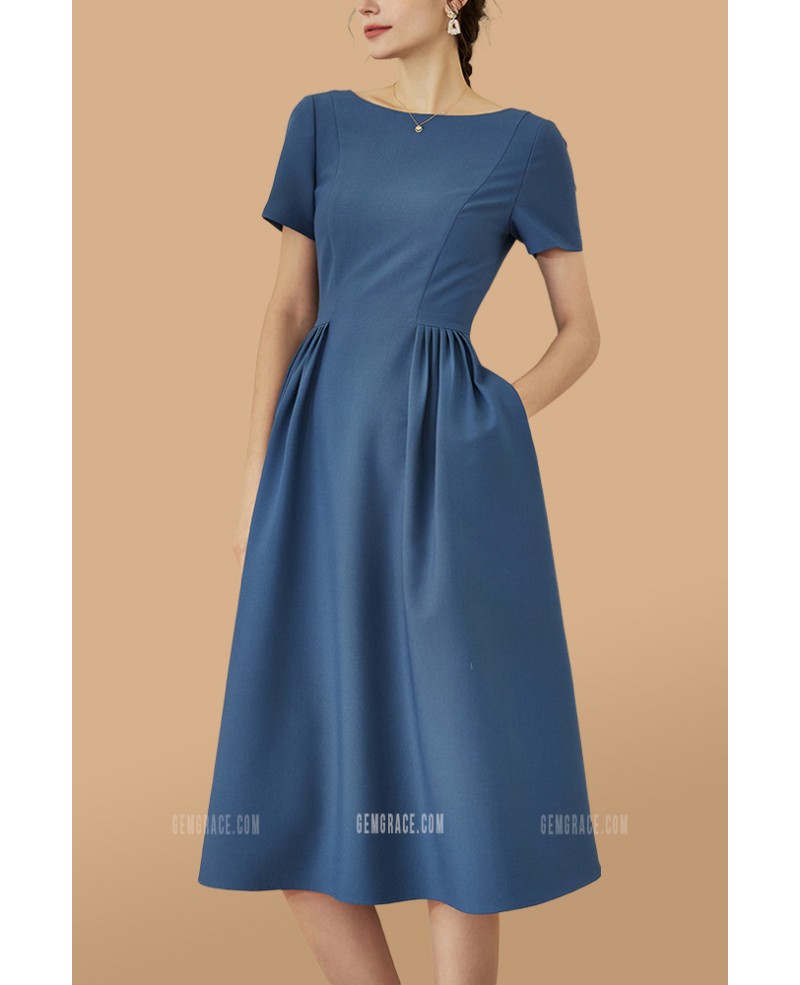
Constructing the ideal semi-formal dress is akin to an architect balancing form and function. Several core elements must harmonize. First, the silhouette. This is the dress’s overall shape. The A-line, immortalized by designers like Christian Dior in his post-war “New Look,” offers a universally flattering shape that cinches at the waist and flows away from the body, suitable for almost any body type and a vast array of occasions. The sheath dress, a staple championed by style icons from Audrey Hepburn to Meghan Markle, offers a sleek, body-skimming line that exudes modern sophistication. Second, the length. While the classic “cocktail length” (falling just at or above the knee) is the most common and versatile, the modern interpretation of semi-formal gracefully accepts midi (calf-length) and even certain tea-length dresses. The governing principle is not a rigid measurement but proportion and context; a flowing midi dress can be perfectly semi-formal for a daytime wedding, while a knee-length shift might be ideal for an upscale office holiday party. Third, fabric and texture. As noted by the Fashion Institute of Technology’s textile curriculum, the hand-feel and drape of a fabric communicate quality. Crepe, satin, velvet (for cooler months), and high-quality lace are hallmarks. They resist wrinkling, catch light elegantly, and move with the wearer. Finally, detailing. This is where personality enters. Strategic draping, a tasteful slit, intricate beading on the bodice, or elegant pleating can transform a simple dress into a standout semi-formal piece. The rule of thumb, often cited by stylists on platforms like YouTube, is to choose one focal point—a dramatic neckline, a detailed back, or a unique sleeve—rather than overwhelming the design with multiple competing elements.
Context is King: Matching the Dress to the Occasion
The true power of a semi-formal dress is unlocked only when perfectly matched to its setting. This requires a nuanced reading of the event’s “vibe,” a skill that blends observation with intuition. Let’s dissect common scenarios. For the Daytime Wedding (especially garden or beach settings), light and breathable fabrics like chiffon or linen blends reign supreme. Florals, pastels, or soft prints are encouraged, but the cut should remain refined. A fit-and-flare dress in a floral print, as opposed to a casual sundress, maintains the necessary formality. As event planner Marcy Blum once stated in an interview, “A wedding guest’s attire should complement the celebration, not compete with the bride.” This means avoiding stark white or anything excessively flashy. For the Cocktail Party or Evening Reception, the palette can darken and the shine can increase. A little black dress (LBD) is the quintessential hero here, but its semi-formal iteration should have distinctive details—perhaps metallic threading, a lace overlay, or an interesting architectural neckline. Think of the timeless elegance of Catherine Zeta-Jones in the film “Chicago”; her sleek, sparkling dresses captured a glamorous, semi-formal-to-formal vibe perfect for a night out. For the Professional or Networking Event (like a gala or award ceremony), sophistication and modesty often take precedence. A tailored sheath dress in a solid, rich color like navy, emerald, or burgundy projects confidence and polish. The length might lean toward the knee or below, and sleeves (even cap sleeves) can add a layer of professional appropriateness. The goal is to look authoritative and stylish, allowing your expertise to be the primary focus, supported by an impeccably chosen outfit.
The Investment Perspective: Quality, Versatility, and Smart Shopping
Building a wardrobe of go-to semi-formal dresses is an exercise in strategic investment, not impulsive spending. The professional knowledge here intersects directly with value. A well-made dress from quality fabric, with secure stitching and proper lining, will not only look better but will last for seasons, amortizing its cost over countless events. Versatility is your financial ally. A simple black sheath can be a blank slate: paired with statement jewelry and stilettos for evening, or with a tailored blazer and pumps for a business-related function. Similarly, a wrap dress in a solid jewel tone can transition from summer weddings to holiday parties with just a change of accessories. To bring discounted prices and high value to you, the savvy shopper, consider these tactics. First, invest in timeless silhouettes during off-season sales; buy winter velvet in spring and summer silk in fall. Second, explore reputable contemporary brands known for quality construction rather than chasing luxury labels. Many offer direct-to-consumer models that provide excellent value. Third, consider rental services for highly specific, one-off events, allowing you to wear a designer piece for a fraction of the retail cost. As financial advisor and author Suze Orman often emphasizes, “People first, then money, then things.” Apply this by prioritizing dresses that make you feel confident (the “people” and feeling aspect) and then seeking the most intelligent path (“money”) to acquire those “things.” This mindset ensures your closet is filled with purpose, not clutter.

The Personal Alchemy: Making the Dress Uniquely Yours
The final, and most crucial, layer of mastery is alchemy—transforming a beautiful garment into a personal statement. This is where you move from wearing a dress to embodying a look. It begins with fit. Even the most expensive dress will fail if it doesn’t fit perfectly. Budgeting for alterations is non-negotiable; taking in a waist, shortening a hem, or adjusting straps can make a mid-range dress look custom-made. Next, accessories. They are the punctuation marks of your outfit. A wide-brimmed hat and block heels for a garden party; sleek metallic clutch and strappy sandals for a cocktail event; a pashmina wrap and elegant pumps for a evening dinner. The philosophy of Coco Chanel, “Before you leave the house, look in the mirror and take one thing off,” remains a golden rule for semi-formal elegance—aim for curated, not crowded. Finally, confidence. This is the invisible accessory. It stems from knowing you are appropriately and attractively dressed for the occasion, freeing you to engage fully with the people and experiences around you. Your posture, smile, and demeanor complete the ensemble. As actor and style icon Lupita Nyong’o once expressed, “What I have learned is that the most beautiful thing you can wear is confidence.” When you feel secure in your chosen semi-formal dress, that assurance radiates outward, making the dress not just something you have on, but an integral part of your presence.

The journey through the landscape of semi-formal dressing reveals it not as a restrictive set of rules, but as a liberating language of style. It is a dialect that speaks of respect for occasion, an appreciation for quality, and a celebration of individual identity. By understanding its foundational principles—the definition, the architectural elements, the critical importance of context, the strategy behind acquisition, and the magic of personalization—you equip yourself with more than just outfits. You gain a sartorial toolkit that prepares you for the myriad of moments that make up a vibrant life. The perfect semi-formal dress is waiting not to define you, but to be defined by you, to become the canvas upon which you paint your confidence for the world to see.