

Mastering the Art of Shift Dresses for Every Season
There exists a garment so fundamentally versatile, so elegantly simple, that it transcends the whims of fashion to become a permanent fixture of a discerning wardrobe. This is the shift dress. Its mastery lies not in complex construction or fleeting trends, but in its architectural purity and its profound adaptability to the shifting moods of the year. To master the shift dress is to unlock a formula for effortless style, a canvas upon which you can paint your personal expression through every season’s light and temperature. It is a lesson in silhouette, fabric, and intelligent accessorizing—a sartorial philosophy as much as a clothing item.
The Architectural Foundation: Defining the Shift
Before we drape it for winter or lighten it for summer, we must understand its blueprint. The shift dress is defined by its straight, clean lines. It hangs from the shoulders, typically with a simple round, boat, or jewel neckline, and flows downward with little to no shaping at the waist. This absence of cinching is its very essence, offering a silhouette that is both forgiving and modern. Its origins are often traced to the 1920s flapper era, a symbol of women’s liberation from restrictive corsetry, but its contemporary form was crystallized in the 1960s. Fashion icons like Audrey Hepburn and designers like Cristóbal Balenciaga and Hubert de Givenchy championed this shape, favoring its geometric purity. As the Victoria and Albert Museum notes in its fashion archives, this silhouette represented a move towards “modernity and ease,” a stark departure from the highly structured looks of previous decades. The power of the shift dress is this inherent simplicity; it provides a neutral framework, a starting point of impeccable line and proportion from which all seasonal transformations begin.
Spring: The Awakening in Lightweight Layers
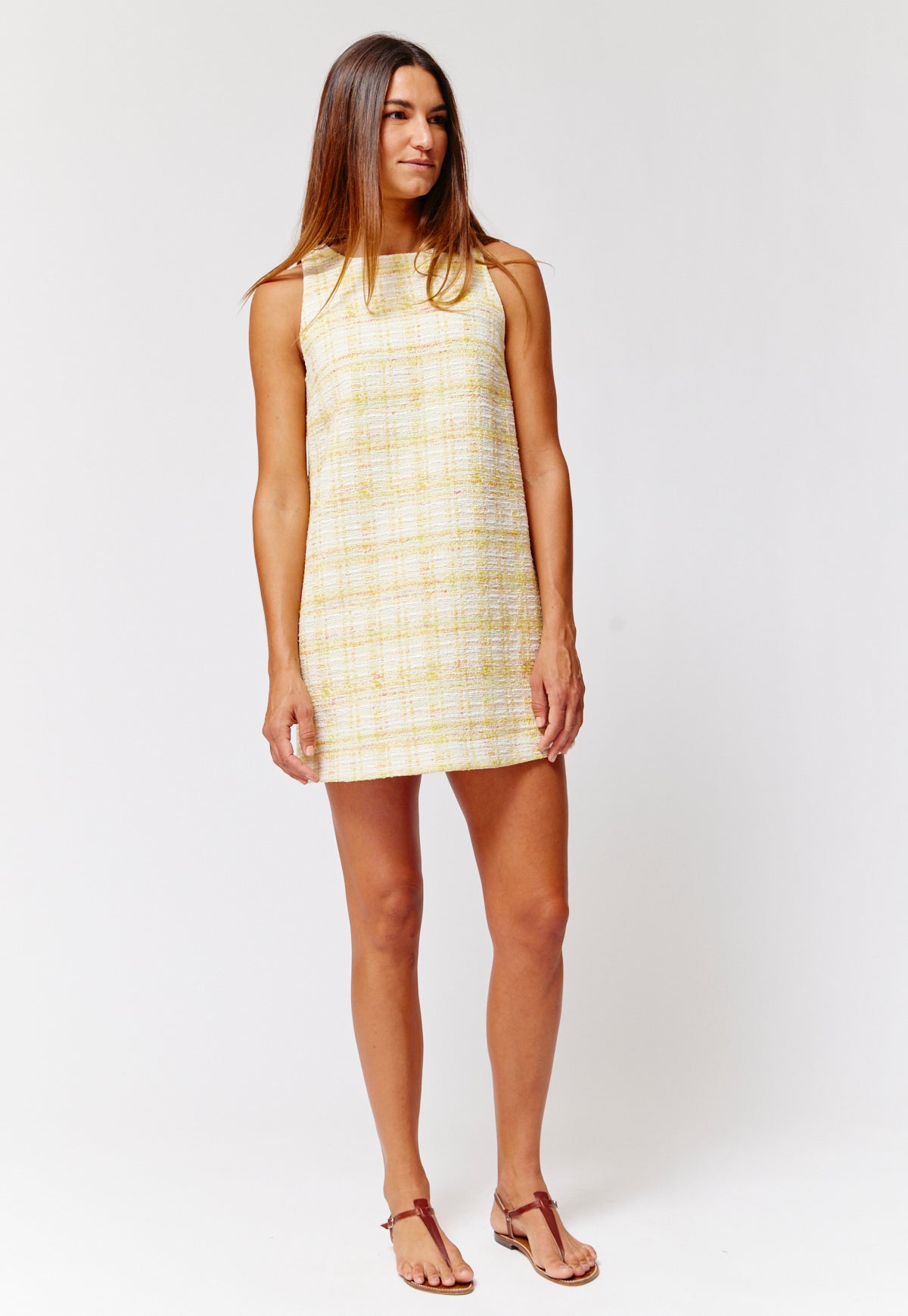
Spring is a season of transition, of unpredictable breezes and tentative warmth. Here, the shift dress shines in its most ethereal forms. Think of fabrics that embody renewal: crisp cotton poplin, fluid rayon, or soft linen blends. A sleeveless or short-sleeved shift in a pastel hue or a botanical print becomes your foundational layer. The true artistry for spring lies in the strategic layering that this simple shape allows. As stylist and author Allison Bornstein often discusses on her platform, the concept of a “third piece” elevates any outfit. For your shift dress, this could be a lightweight, unstructured blazer in a complementary neutral, a fine-gauge cardigan knotted over the shoulders, or a denim jacket for a casual touch. The straight cut of the dress means these layers sit perfectly without bulk. Footwear shifts from boots to sleek loafers or minimalist sneakers. Consider the words of designer Diane von Fürstenberg, who famously champions wrap dresses but understands the power of a simple shape: “Style is something each of us already has; all we need to do is find it.” The spring shift dress is about finding that style through lightness and layered possibility, a perfect canvas for the season’s optimism.
Summer: Breezy Minimalism and Bold Statements
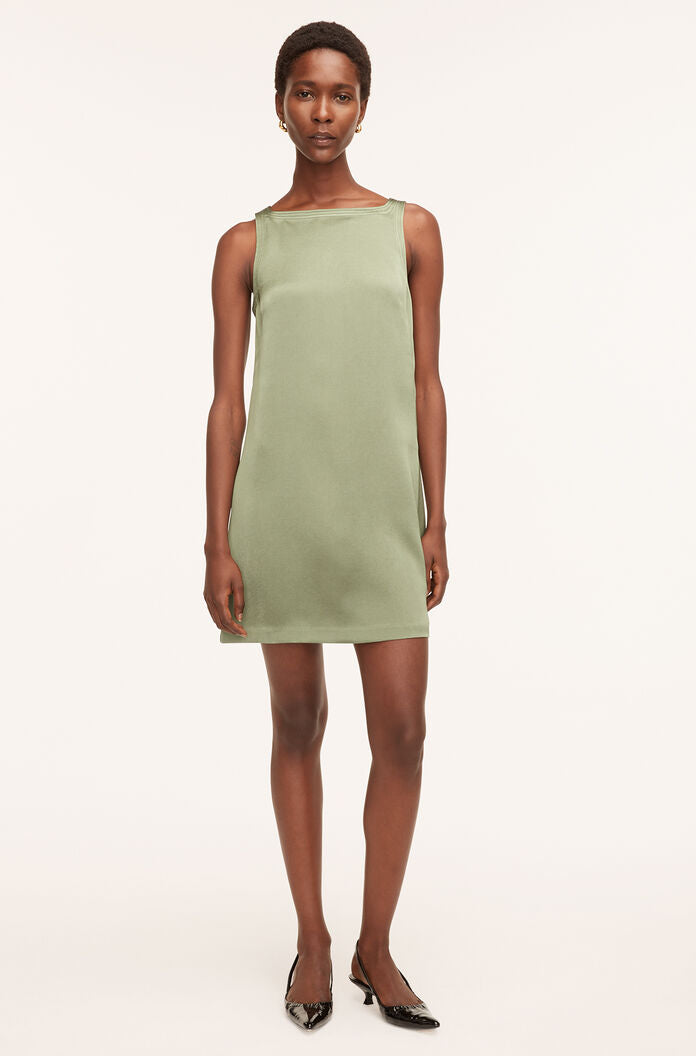
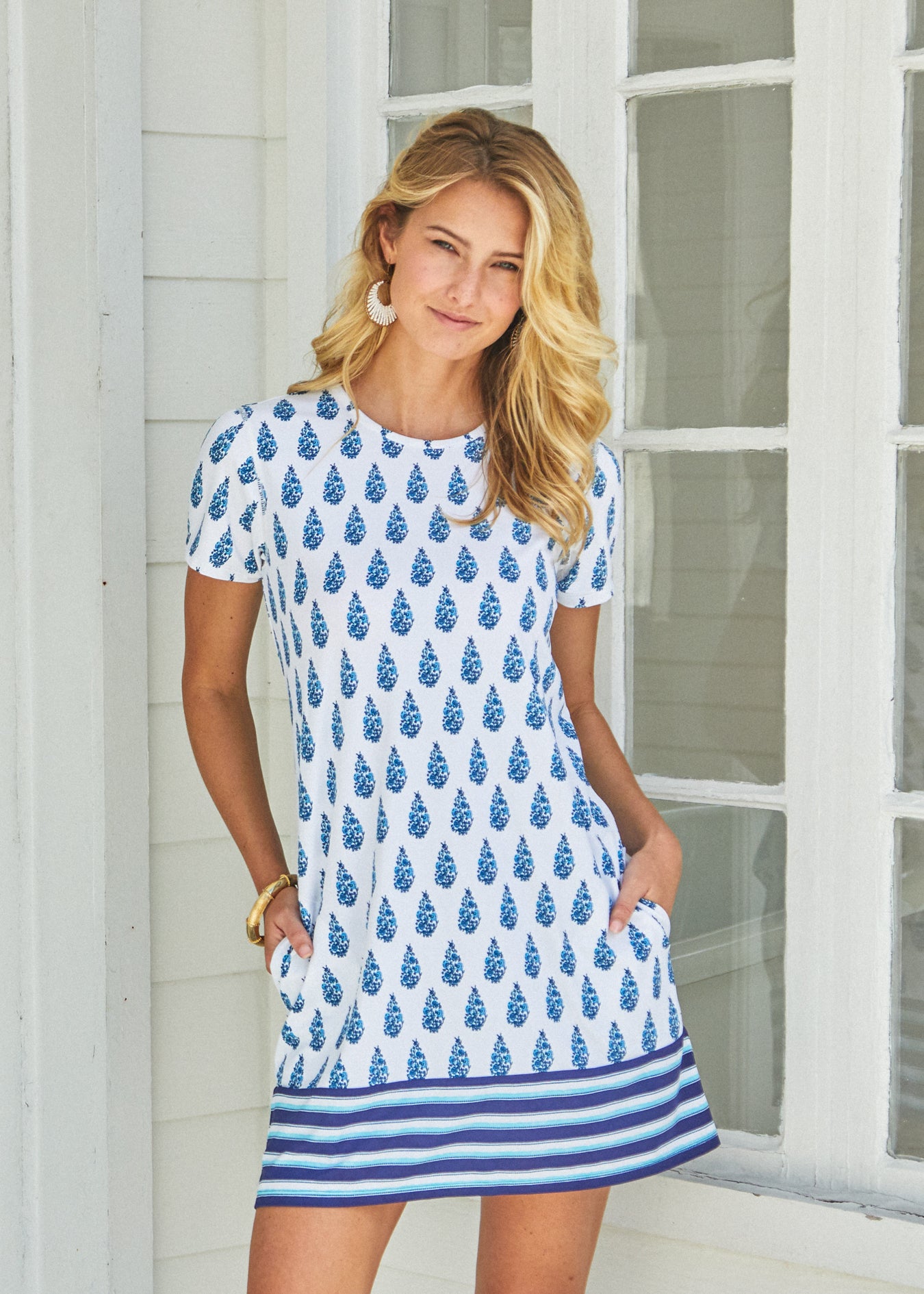
Summer demands a uniform of cool, easy dressing, and the shift dress is its undisputed champion. This is the season to embrace its most elemental form. Fabrics become paramount: breathable linen, airy cotton voile, and moisture-wicking technical blends are ideal. The silhouette can be played with—a slightly A-line shift to catch the breeze, a handkerchief hem for movement, or a classic straight cut in a vibrant, sun-reflecting white or cobalt blue. The lack of constriction is not just stylish but scientifically sensible; loose-fitting clothing, as noted in research from the University of Hawaii’s Department of Tropical Medicine, allows for better air circulation and heat dissipation in warm climates. Accessorizing is where personality erupts. A statement necklace against a solid-color shift, a wide-brimmed hat, or a basket bag defines the look. You can channel the effortless Riviera chic of a 1960s film star or the modern minimalist aesthetic popularized by brands like The Row. The summer shift is about liberation and expression. As the sun reaches its zenith, this dress offers a cool, composed, and incredibly stylish refuge, proving that simplicity can be the most powerful statement of all.
Autumn: The Textural Transition
As the air turns crisp and leaves begin their fiery transformation, your shift dress adapts through the magic of texture and weight. This is the season to explore fabrics that speak of comfort and richness: wool crepe, substantial jersey, corduroy, or lightweight tweed. A long-sleeved shift dress in a burnt orange, forest green, or deep burgundy becomes a seasonal anchor. The styling pivots to incorporate warmth while maintaining the dress’s clean lines. This is the perfect moment for the “dress and boots” formula—pairing your shift with knee-high or ankle boots in leather or suede. A leather jacket thrown over the shoulders adds an edge, while a chunky knit scarf provides cozy insulation. The beauty of the autumn shift lies in its textural dialogue. Consider the philosophy of interior designer Axel Vervoordt, who speaks of “wabi-sabi” and the beauty of natural materials and textures. Applying this to fashion, an autumnal tweed shift dress with its nubby surface, paired with smooth leather boots and a soft wool scarf, creates a harmonious and tactile ensemble that is deeply satisfying and seasonally appropriate, blending sophistication with earthy warmth.
Winter: Strategic Insulation and Layered Elegance
Mastering the shift dress in winter is the ultimate test of sartorial intelligence, and it passes with honors. The key is to treat the dress not as a standalone piece, but as the middle layer in a sophisticated insulation system. Start with a base of fine thermal wear or sleek turtlenecks. Your dress, now in a seasonally appropriate fabric like a dense merino wool knit, a velvety corded velvet, or a sophisticated wool blend, goes over this. The final, crucial layer is a tailored coat—a wool pea coat, a sleek parka, or a dramatic cocoon shape. The straight cut of the shift ensures all these layers integrate seamlessly without awkward bunching. Tights become essential, moving from sheer to opaque woolen ones. Footwear shifts to insulated boots or elegant block-heeled ankle boots. This approach aligns with the “functional fashion” principles often discussed by outdoor apparel engineers, where layering is a science for temperature regulation. A winter shift dress ensemble, when executed well, offers a silhouette that is both streamlined and warm, defying the bulky norms of cold-weather dressing. It is a look of deliberate, polished resilience.
The Art of the Investment: Knowledge and Value
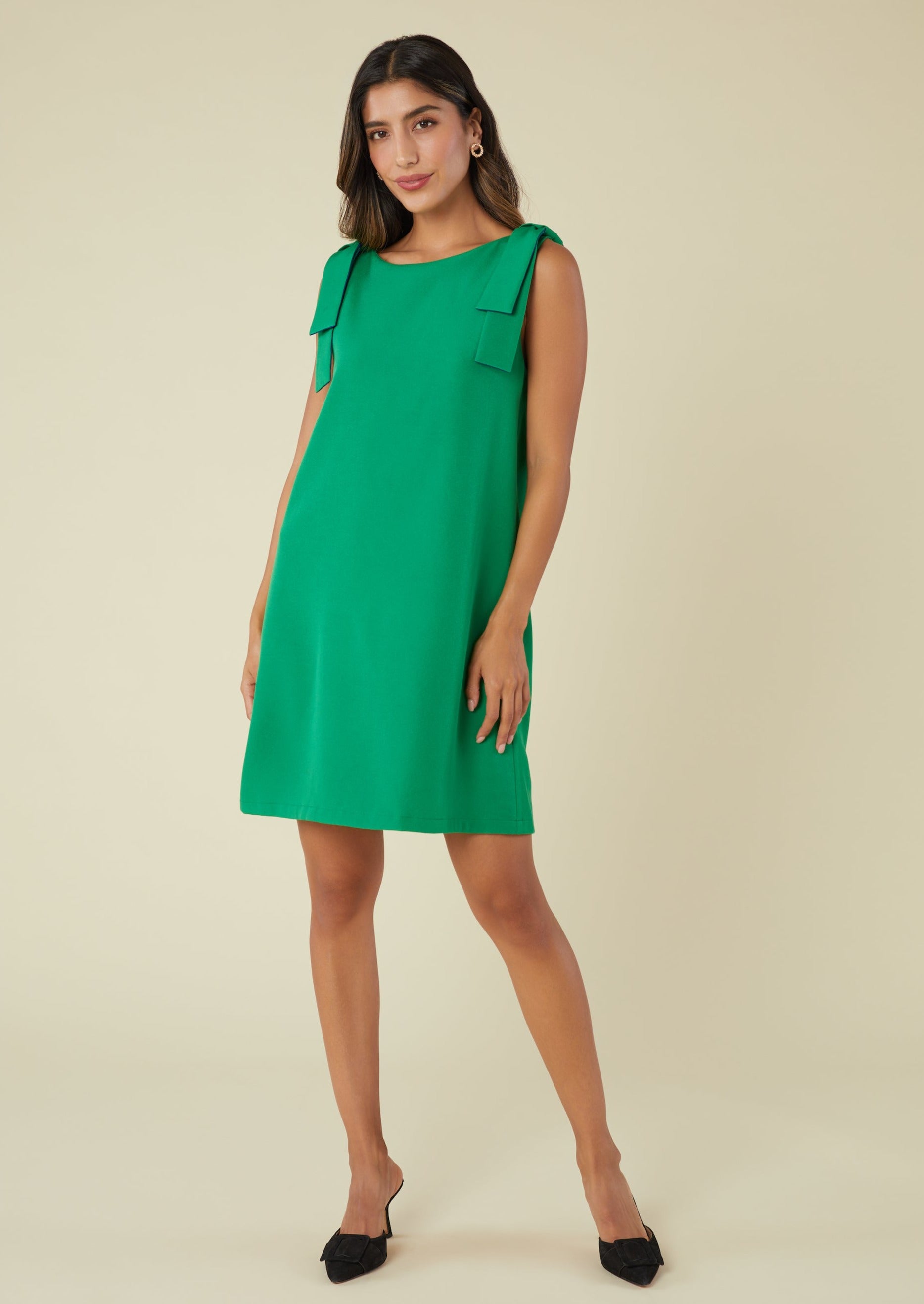
Mastery involves not just wearing, but acquiring wisely. A high-quality shift dress in a timeless fabric and color is a perennial investment. Look for precise stitching, substantial fabric that holds its shape, and a cut that flatters your shoulders and hemline. Brands known for their craftsmanship in this silhouette—from high-street staples to designer labels—often offer these cornerstone pieces. The professional knowledge here is in understanding cost-per-wear. A perfectly tailored wool shift purchased on seasonal sale for $150 and worn 30 times a year across multiple seasons has a far lower cost-per-wear than a trendy, disposable item. Keep an eye on end-of-season sales for classic colors like black, navy, cream, or camel, where discounts of 30-50% are common. Signing up for newsletters from your favorite retailers often grants early access to these sales. This strategic approach to building your wardrobe brings both the professional satisfaction of owning well-made pieces and the practical benefit of discounted prices, ensuring your style is both elevated and economically intelligent.
The journey through the seasons with a shift dress reveals its true nature: it is not merely a garment, but a principle. It is the principle of clean lines as a foundation, of fabric as a communicator of season, and of personal style expressed through intelligent additions. From the first light layers of spring to the sophisticated insulation of winter, the shift dress remains a constant, adaptable companion. Its mastery grants a quiet confidence, an assurance that within your wardrobe resides a tool of endless versatility, ready to meet any day, any weather, any occasion with effortless grace and unwavering style.