

Mastering the Versatility of Shift Dresses
In the lexicon of fashion, few garments claim the enduring, transformative power of the shift dress. It is not merely a piece of clothing; it is a sartorial proposition, a blank canvas of potential that speaks to autonomy, ease, and intelligent style. This exploration is not about following a trend but about unlocking a fundamental wardrobe principle. The shift dress offers a unique alchemy of structure and liberation, a silhouette that demands nothing yet confers everything—confidence, comfort, and an unassailable chic. We begin by recognizing it not as a simple dress, but as a tool for self-expression, adaptable to the myriad roles we play daily.
The Architectural Foundation: Deconstructing the Silhouette
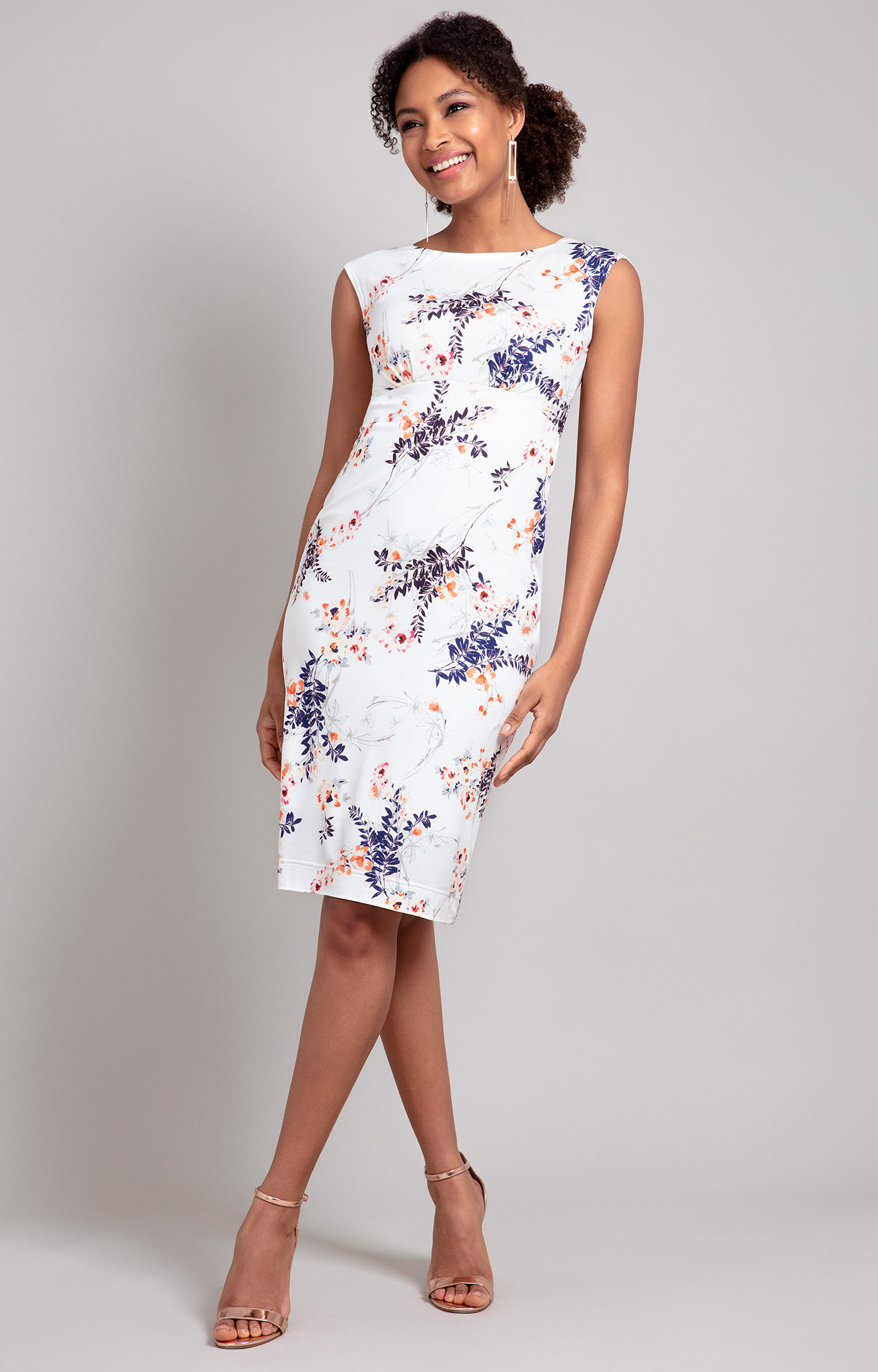
To master its versatility, one must first understand its architecture. The shift dress is defined by its straight, clean lines. Originating in the 1920s as a radical departure from the restrictive corseted silhouettes, it was championed by designers like Coco Chanel and embodied the newfound freedom of the flapper era. As the Victoria and Albert Museum notes, this was fashion aligning with social change, prioritizing movement and simplicity. The classic shift is characterized by a lack of waist definition; it falls straight from the shoulders, sometimes with subtle darts at the bust, creating a relaxed, boxy, or A-line shape. This foundational lack of constraint is its greatest asset. Scientifically, the silhouette interacts with the body’s form in a way that creates optical illusions. A shift that skims rather than clings can elegantly camouflage or balance proportions, a principle supported by the Gestalt laws of perception in visual psychology, where the overall shape (the dress) dominates over the perception of its individual parts (specific body contours). This is not about hiding, but about creating a chosen, streamlined aesthetic. The length, sleeve cut, neckline, and fabric become the variables in this equation, allowing for infinite customization from a deceptively simple base pattern.
Fabric as the Dictator of Destiny
The soul of a shift dress is irrevocably tied to its fabric. This is where objective knowledge becomes crucial. A shift cut in a crisp, non-stretch cotton poplin or a structured linen stands away from the body, offering a minimalist, graphic quality perfect for a polished office look or a sharp daytime event. Conversely, the same pattern rendered in a fluid silk crepe de chine or a soft, drapey jersey will cling gently and move with the body, offering a more sensual, fluid elegance suitable for evening. The choice of fabric directly impacts the dress’s formality, seasonality, and comfort. Technical textiles, such as performance wools with stretch or innovative blends that resist wrinkling, bring a modern, practical edge. As fashion historian Dr. Valerie Steele has often articulated in her lectures at The Fashion Institute of Technology, fabric choice is the primary signifier of a garment’s intended context and cultural meaning. A tweed shift references Chanel and intellectual rigor; a neon nylon shift instantly plugs into a futuristic, sporty vibe. Therefore, building a versatile shift dress arsenal means curating by material—owning the structured, the fluid, the textured, and the technical. Each fabric tells a different story from the same narrative outline.
The Strategic Styling Spectrum: From Desk to Dusk
The true test of a garment’s versatility lies in its contextual mobility. The shift dress passes this test with distinction, acting as a chameleon across environments. Let us dissect this spectrum through strategic layering and accessorizing, moving beyond subjective opinion to applied style logic.
The Corporate Canvas
For the professional sphere, a shift in a neutral hue—navy, black, or grey—in a mid-weight wool or ponte knit becomes a uniform of authority. The key here is precision. Pair it with a structured blazer, not to define the waist but to add architectural shoulders, echoing the dress’s own lines. Footwear shifts from classic pumps to modern loafers, signaling a blend of tradition and contemporary thinking. The minimalist aesthetic advocated by websites like The Business of Fashion aligns perfectly here: investment in a few high-quality, versatile pieces that project competence. As former Vogue editor-in-chief Diana Vreeland once quipped,
“The eye has to travel.” In a shift dress, the eye travels along clean, uninterrupted lines, conveying efficiency and focus.
A statement necklace or elegant watch provides the only necessary punctuation, adhering to the principle of “one focal point” common in professional style guides from institutions like Harvard Business School, which often correlate polished appearance with perceived credibility.
The Weekend Transformation
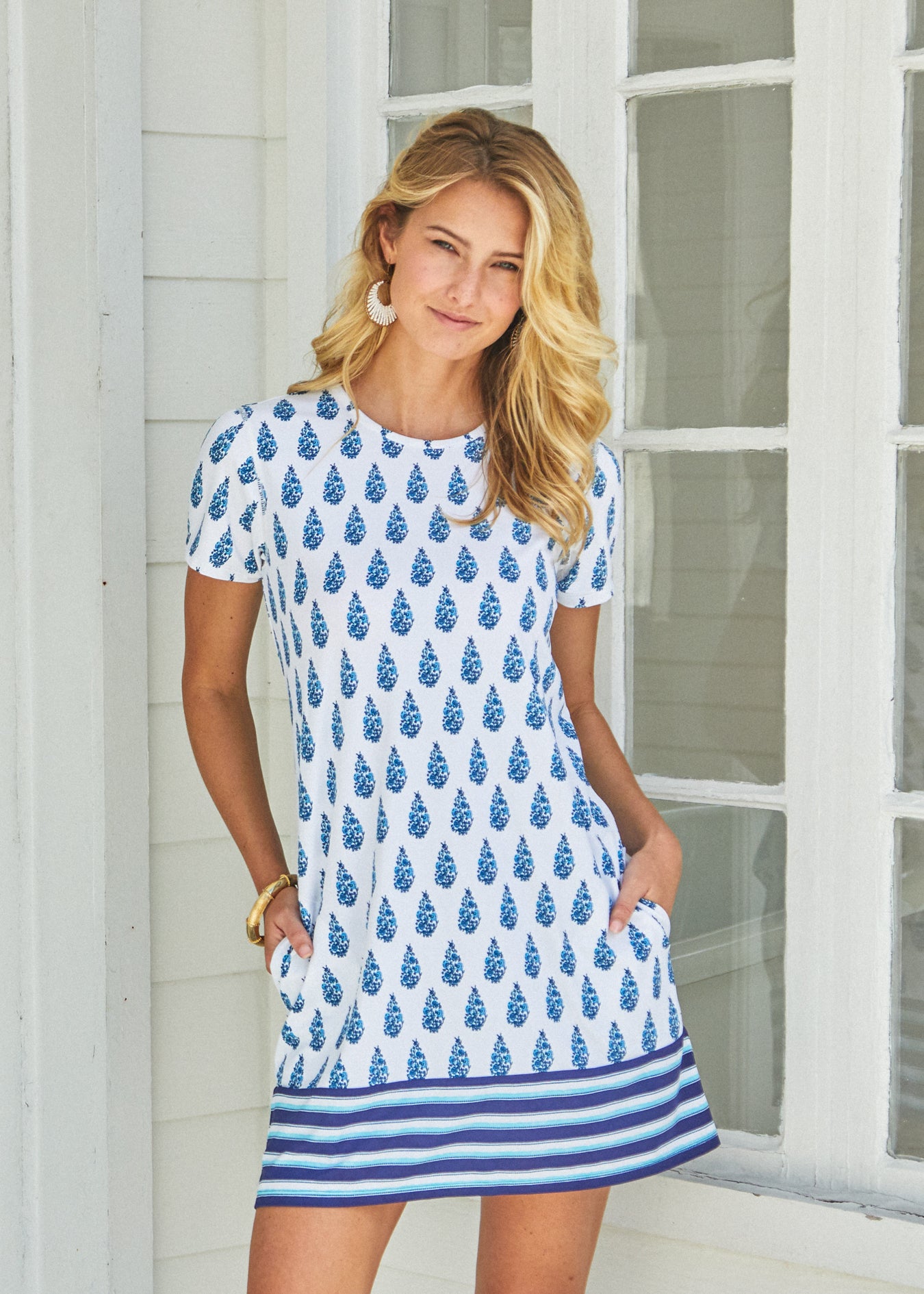
Here, the shift sheds its formality. Imagine a bright cotton shift, perhaps with a graphic print. The styling cues shift entirely toward relaxation and personality. Layer a thin, striped Breton top underneath for a Parisian feel—a technique famously utilized by style icon Jane Birkin. Swap heels for minimalist sneakers or flat sandals. A crossbody bag replaces the structured tote. This approach leverages the concept of “high-low” dressing, a trend consistently validated by street style photography from fashion weeks globally, where expensive dresses are deliberately paired with casual staples. The shift dress’s simple shape is the perfect foil for this mix, preventing the look from becoming sloppy. It maintains a silhouette while democratizing its attitude. Throwing a denim jacket over a shift is not just a style choice; it’s a practical one, adapting to changing temperatures and activities, embodying the versatile, on-the-go lifestyle celebrated on platforms like YouTube by lifestyle creators such as Ashley (BestDressed) or Emma Chamberlain, who champion adaptable wardrobe heroes.
The Evening Alchemy
As dusk falls, the shift dress undergoes its most dramatic transformation. A shift in sequins, velvet, or satin becomes inherently festive. Its simplicity ensures the fabric is the star, aligning with Coco Chanel’s famous edict: “Before you leave the house, look in the mirror and take one thing off.” The unadorned shift is that refined final look. Style it with sheer tights, sleek ankle-strap heels, and a clutch. Dramatic earrings become the focal point. This embodies the “minimalist glamour” philosophy seen in films like Breakfast at Tiffany’s; while Holly Golightly wore a gown, the ethos of simple, elegant lines is the same. The shift dress, in this context, offers a modern, less-costumed interpretation of evening wear. It provides comfort and ease of movement without sacrificing an ounce of sophistication, a balance highly prized according to surveys from luxury retailers like Net-a-Porter, which report increasing demand for “elevated basics” that transition seamlessly.

An Investment in Style Economics
Beyond aesthetics, the shift dress represents sound style economics. Its cost-per-wear ratio is exceptionally favorable due to its trans-seasonal and trans-contextual nature. A well-chosen shift is not a seasonal purchase but a perennial one. From a sustainability perspective, a garment worn frequently across years has a significantly lower environmental impact than fast-fashion items worn a handful of times, a point rigorously argued in literature from the Cambridge Institute for Sustainability Leadership. Furthermore, the simplicity of the design often means better construction and longevity; there are fewer seams and structural complexities to fail. For the consumer, this translates to value. While initial investment might be higher for quality materials and craftsmanship, the return—in terms of wearability, durability, and timelessness—is immense. Brands like J.Crew, & Other Stories, and Hobbs often offer these wardrobe staples, and savvy shoppers can leverage end-of-season sales or loyalty discounts to acquire premium shifts at accessible price points, bringing professional-grade style into reach. This is where knowledge meets pragmatism: understanding fabric composition and construction allows you to identify quality that will endure, making even a discounted purchase a wise long-term investment.
The Personal Uniform: A Tool for Cognitive Liberation
Finally, the profound versatility of the shift dress extends into the psychological realm. Adopting a version of a “uniform” based on this silhouette can be an act of cognitive liberation. As figures from Steve Jobs to Barack Obama have demonstrated, reducing daily sartorial decisions conserves mental energy for more important choices—a concept supported by research on decision fatigue from psychologists like Roy F. Baumeister. The shift dress offers a perfect foundation for such a uniform: it is inherently complete, requires minimal coordination, and projects a consistent, professional image. You can have a “signature” in multiple colors and fabrics, creating variety without complexity. This approach is not about limiting expression but about streamlining the mundane to focus creativity elsewhere. In the memoir The Creative Habit, choreographer Twyla Tharp emphasizes the power of ritual and simplicity in enabling artistic work. A reliable, flattering shift dress can be part of that preparatory ritual for anyone, freeing the mind from the “what to wear” dilemma and allowing confidence to become the default setting.
The journey through the world of shift dresses reveals a garment of profound capability. It is a shape defined by history, empowered by fabric, and realized through strategic styling. It makes economic sense and psychological sense. To master its versatility is to embrace a tool that works for you, adapting to your life’s demands while allowing your personal identity to shine through details, not through dramatic reinvention each day. It is the quiet, powerful workhorse of a considered wardrobe, proving that true style often resides not in the extravagant, but in the intelligently simple, endlessly adaptable foundation.