

Styling Semi-Formal Dresses for Every Occasion
Navigating the world of event attire often leads us to the versatile and essential category of semi-formal dresses. This dress code, a midpoint between casual daywear and formal evening gowns, offers a canvas for personal expression while adhering to social expectations. The key to mastering it lies not in rigid rules, but in understanding the principles of fabric, silhouette, and context. A well-chosen semi-formal dress is an investment in confidence, allowing you to move seamlessly from a garden wedding to a sophisticated dinner party. This guide delves into the art of selecting and styling these dresses, blending objective style principles with practical advice to empower your wardrobe choices.
Decoding the Semi-Formal Silhouette: Beyond the Basic Definition
The term “semi-formal” or “cocktail attire” finds its roots in post-World War II social shifts, as defined by style authorities like Emily Post. It represents a democratization of elegance, a dress code for events that are significant but not white-tie. From a design perspective, a semi-formal dress typically falls at or just above the knee, though tea-length or midi options are equally acceptable. The silhouette can range from a fitted sheath to an A-line skirt, avoiding both the extreme minimalism of casual wear and the excessive volume of a ball gown. Fabrics play a crucial role; think luxe materials like silk, chiffon, lace, or high-quality jersey that drape well and convey a sense of occasion. As Tim Gunn, renowned fashion consultant and former co-host of “Project Runway,” often emphasizes, “The key to style is to make it look effortless.” This ethos is central to semi-formal dressing: it should appear polished and intentional without seeming overdone. The objective is to achieve a balance where the dress respects the event’s formality while serving as a backdrop for your individual personality, a concept supported by fashion psychology studies from institutions like the London College of Fashion, which link appropriate attire to increased social comfort and perceived competence.
The Garden Party & Daytime Wedding: Embracing Light and Flow
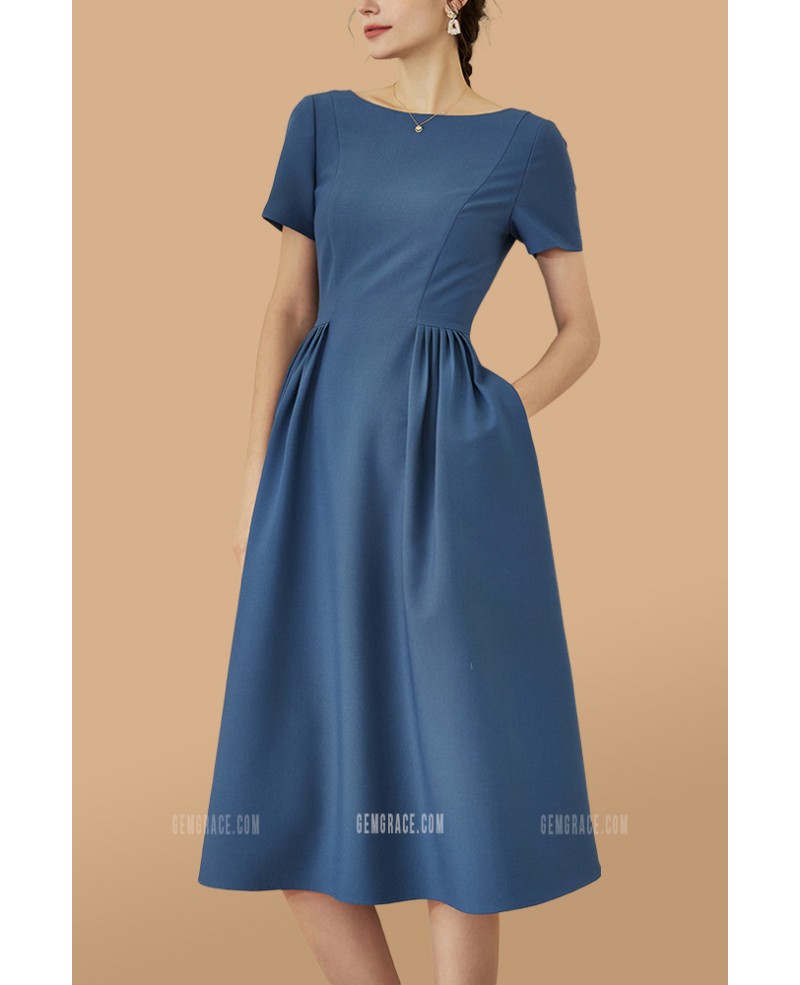
For daytime events such as garden parties, brunch weddings, or afternoon showers, your semi-formal dress should converse with the sunlight. The scientific principle of color temperature is useful here; cooler, softer daylight flatters pastels, floral prints, and light-reflective fabrics. A dress in a mint green, lavender, or delicate floral pattern aligns perfectly with this environment. Silhouettes can be slightly more relaxed—think fit-and-flare styles, wrap dresses, or designs with subtle ruffles that move with a breeze. Fabric choices like cotton sateen, lightweight linen blends, or organza are both practical and aesthetically fitting. As Audrey Hepburn’s iconic garden party style in films like “My Fair Lady” demonstrated, elegance in daylight is about freshness and grace. Accessories should complement, not compete: a wide-brimmed hat, block-heeled sandals that won’t sink into grass, and a structured clutch. The goal is an ensemble that feels celebratory yet comfortable for extended outdoor wear. Consider the viewpoint from popular lifestyle sites like The Knot or Brides, which consistently recommend breathable fabrics and cheerful colors for daytime semi-formal events, underscoring the importance of context in style decisions.
The Cocktail Hour & Evening Soirée: Mastering Glamour and Edge
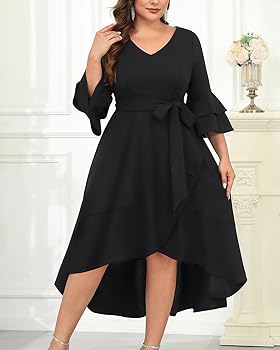
As the sun sets, the semi-formal dress code evolves to embrace deeper tones, richer textures, and a touch of drama. Evening events—cocktail parties, gallery openings, dinner dates—call for fabrics that interact with artificial light: sequins, velvet, satin, or crepe that catches the light. Jewel tones (emerald, sapphire, ruby) and classic black are perennial power players. The silhouette often becomes more defined; a little black dress with an interesting architectural detail, a slip dress with a metallic thread, or a high-neck, long-sleeved lace dress can make a profound statement. This is where you can incorporate trends more freely. Fashion historian and YouTube style commentator Amber Butchart often notes that evening semi-formal wear is where personal identity shines within a framework of sophistication. Footwear shifts to sleek pumps or statement heels, and accessories become focal points—a metallic clutch, bold earrings, or a delicate layered necklace. The transformation from day to night in semi-formal dressing mirrors the cinematic elegance seen in modern films like “Crazy Rich Asians,” where characters’ attire meticulously reflects the time and tone of each event, showcasing how clothing functions as non-verbal communication in social hierarchies.
Professional Knowledge: Fabric and Fit as the Foundation
Beyond aesthetics, the true mastery of a semi-formal dress lies in technical understanding. Let’s demystify two pillars: fabric and fit. First, fabric composition dictates drape, movement, and comfort. A dress made from 100% polyester may hold a pleat well but can be less breathable than a silk-blend. A viscose or rayon blend offers excellent drape and a luxurious feel at a more accessible price point—a key insight for value-conscious shoppers. Second, fit is non-negotiable. A dress that is too tight restricts movement and creates unflattering lines; one that is too loose can look sloppy. The “golden rules” of tailoring, as taught in design programs at universities like FIT (Fashion Institute of Technology), emphasize the importance of the shoulder seam hitting exactly at the shoulder bone and the waistline sitting at your natural waist. Always check these points. Furthermore, understanding your body shape (pear, apple, hourglass, rectangle) allows you to select silhouettes that highlight your best features, a principle echoed by countless stylists on platforms like Quora and YouTube. This professional knowledge empowers you to make informed purchases, ensuring your dress is not just beautiful on the hanger but transformative when worn.
Strategic Styling and The Discounted Price Advantage
Building a versatile semi-formal wardrobe doesn’t require a limitless budget; it requires strategy. The first strategy is investment dressing: allocating a larger portion of your budget to one or two timeless, high-quality dresses in neutral colors or classic silhouettes that can be reinvented repeatedly. The second is the savvy pursuit of discounted prices. End-of-season sales, outlet stores, and reputable online retailers often offer significant markdowns on perfectly elegant dresses. A dress originally priced at $200 can frequently be found for under $100 during promotional periods. The key is to not compromise on the foundational elements of fit and fabric for the sake of a low price. Instead, use discounts to acquire special pieces you might otherwise forego. As entrepreneur and style influencer Sophia Amoruso once famously stated in her book #GIRLBOSS,
“Money looks better in the bank than on your feet.”… but that doesn’t mean you can’t look good getting it there.
This philosophy champions smart spending. Pair a discounted but well-made dress with heirloom jewelry or a premium leather bag you already own. This mix of high and low, new and old, creates a look that is uniquely yours and intellectually curated, maximizing the impact of every dollar spent.

Ultimately, the journey with semi-formal dresses is one of empowered self-expression. It’s about understanding the language of attire—how a shift in fabric or hemline can change your message—and using that knowledge to navigate any social landscape with assurance. By focusing on timeless silhouettes, intelligent fabric choices, and strategic acquisitions, you build a collection that transcends single events. Your wardrobe becomes a reliable toolkit for confidence, ready to adapt to the garden party’s soft light or the cocktail bar’s intimate glow, all while reflecting the distinctive individual who wears it.