

Styling Semi-Formal Dresses for Every Occasion
Navigating the world of event attire often leads us to the versatile and sometimes ambiguous category of the semi-formal dress. It’s a sartorial sweet spot that bridges the gap between casual daywear and opulent evening gowns, offering a canvas for personal expression while adhering to a framework of refined elegance. This guide isn’t about rigid rules, but about unlocking the principles that make a semi-formal dress the perfect choice for a myriad of events, from garden weddings to sophisticated dinners. We’ll dissect the objective elements of style, fabric, and silhouette, grounding our discussion in widely recognized fashion principles and authoritative viewpoints, to empower you with the knowledge to select and style these dresses with confidence and flair.
Decoding the Semi-Formal Lexicon: Beyond “Cocktail Attire”
The term “semi-formal” or its frequent synonym, “cocktail attire,” can evoke a range of images. To move beyond subjective interpretation, we can turn to established fashion institutions for clarity. The Emily Post Institute, a long-standing authority on etiquette, defines cocktail attire as “dressy, but not formal,” typically indicating a shorter dress, though a dressy pantsuit is also acceptable. This aligns with the broader academic perspective found in resources like the Fashion Institute of Technology’s (FIT) glossaries, which categorize semi-formal wear as attire suitable for events occurring after 6 p.m. but not of the utmost ceremonial nature. The key differentiator from formal wear (black or white tie) lies in length, opulence, and strictness. A semi-formal dress often, but not exclusively, falls at or above the knee, utilizes luxurious but not overly ornate fabrics like silk crepe, chiffon, or high-quality lace, and allows for more creative necklines and sleeve treatments. As fashion historian Valerie Steele has noted in her publications for the Museum at FIT, 20th-century eveningwear evolved to accommodate different levels of formality, with the cocktail dress emerging post-World War II as the quintessential garment for semi-formal social gatherings, embodying a blend of sophistication and relative freedom. Understanding this historical and definitional context is the first step in mastering the category.
The Architecture of Elegance: Silhouette and Fabric
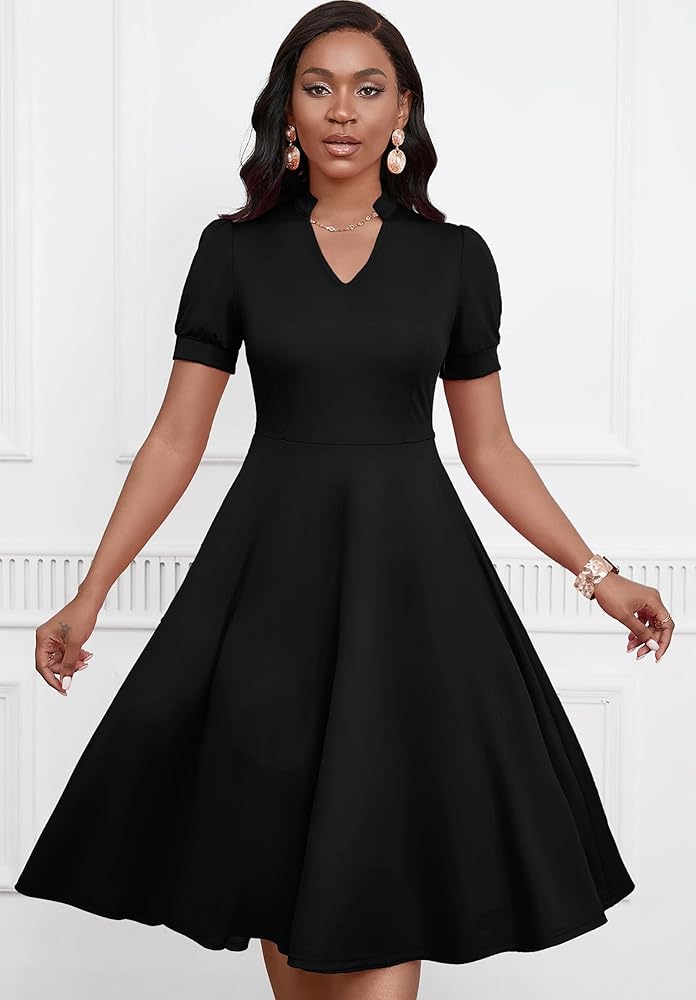
Selecting the perfect semi-formal dress is an exercise in understanding the architectural interplay between silhouette and fabric. The silhouette is the dress’s overall shape—its blueprint. Common and flattering silhouettes for semi-formal occasions include the fit-and-flare, which cinches at the waist and flows out over the hips, creating a classic, feminine hourglass; the sheath, which follows the body’s lines for a sleek, modern look; and the A-line, which is fitted at the bodice and gradually widens, universally flattering and elegant. The choice of fabric breathes life into this blueprint. A silk charmeuse will drape and glide over a sheath silhouette, offering a liquid, sensual effect, while a structured taffeta is ideal for a fit-and-flare, giving it body and a slight, pleasing crispness. For a garden party, a chiffon or georgette in an A-line silhouette captures movement and lightness. This relationship is not merely aesthetic; it’s functional. As noted in textile science resources from universities like North Carolina State University, the weight, drape, and hand-feel of a fabric directly determine how a garment moves with the wearer and interacts with light, which are critical for the dynamic nature of semi-formal events where you might be standing, sitting, or dancing. A heavy brocade might be too formal, while a thin jersey could be too casual—the semi-formal sweet spot often lies in mid-weight fabrics with inherent elegance.
The Palette of Occasion: Color and Pattern Psychology
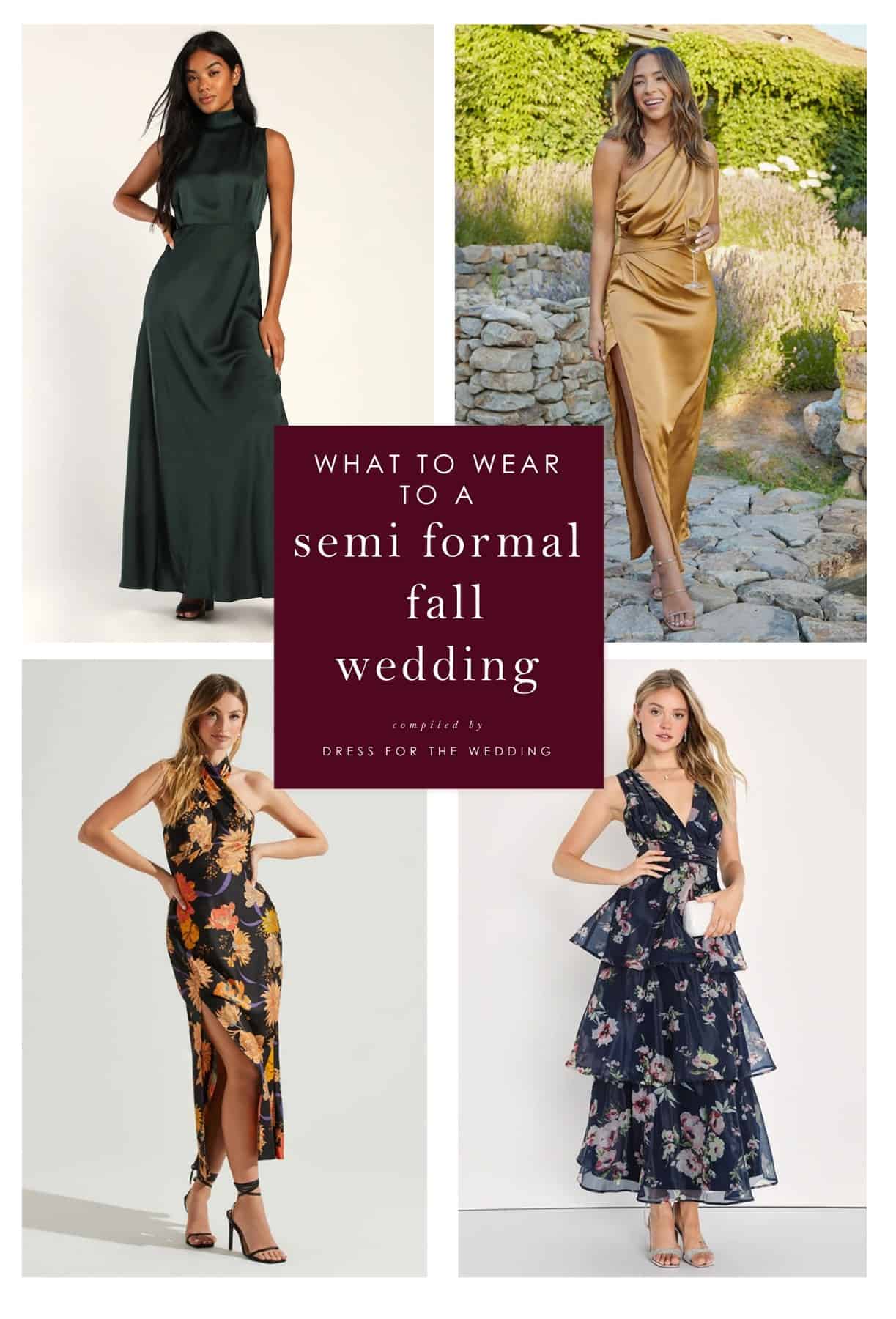
Color is the non-verbal language of your ensemble, and in the semi-formal realm, it speaks volumes about the occasion, season, and your personal intent. While the classic “little black dress,” immortalized by Coco Chanel and later Audrey Hepburn in Breakfast at Tiffany’s, remains a failsafe cornerstone of the semi-formal dress wardrobe, the modern interpretation welcomes a expansive spectrum. For evening weddings or galas, jewel tones—emerald, sapphire, ruby—convey richness and depth. Daytime or garden events call for softer pastels, floral prints, or crisp whites. The psychology of color, a field studied in design programs globally, suggests that navy blue conveys trust and stability, making it an excellent choice for professional or networking-related semi-formal events. When considering pattern, scale is paramount. A large, bold floral might be stunning for a summer cocktail party but could overwhelm a more subdued dinner. Conversely, a subtle pinstripe or a small, geometric print on a sheath dress can project sophisticated intellect. As Tim Gunn, former chair of fashion design at Parsons School of Design, often emphasized on Project Runway, the wearer must “make it work” by ensuring the color and pattern feel intentional and harmonious with the event’s setting and tone, not just personally pleasing in isolation.
Strategic Styling: The Alchemy of Accessories and Footwear
A semi-formal dress provides the foundation, but strategic styling through accessories and footwear is the alchemy that transforms an outfit from standard to standout. This stage is where personal narrative truly merges with dress code requirements. The principle of balance is crucial. A dress with intricate beading or a high neckline might call for minimalist jewelry—simple studs and a delicate bracelet. A sleek, unadorned sheath becomes a canvas for a statement necklace or dramatic chandelier earrings. Handbags should be elegant and scaled appropriately; a clutch is almost always the correct choice, moving away from casual day bags. Footwear is the anchor of your silhouette. A classic pump elongates the leg and works with nearly any style. For a more modern or festive feel, a strappy sandal or a block heel can be both stylish and comfortable. It’s worth considering the wisdom of celebrity stylists like Law Roach, who has orchestrated iconic looks for Zendaya. Roach often speaks about creating a “head-to-toe story,” where every element, from hair accessories to shoe color, is a considered chapter that supports the main narrative—the dress. This holistic view prevents any single accessory from clashing or competing, instead creating a cohesive and powerful visual statement.
Navigating Specific Occasions: From Weddings to Corporate Dinners
The true test of a semi-formal dress is its adaptability across different events, each with its own subtle nuances. For a semi-formal wedding, especially one with a religious ceremony, modesty considerations like covering shoulders with a chic shawl or jacket may apply. The time of day is also a key factor; darker, richer colors are favored for evening, while lighter hues suit the day. A corporate awards dinner or holiday party requires a dress that balances professionalism with celebration. Here, sophisticated cuts in solid colors like navy, burgundy, or dark green, paired with tailored blazers or elegant wraps, strike the perfect chord. For a gallery opening or an artistic soirée, this is the moment to embrace more avant-garde cuts, bold artistic prints, or unique textures, as the environment celebrates creativity. The common thread across all these occasions is an undercurrent of intentional polish. As fashion influencer and author Aimee Song often notes on her platforms, the goal is to look “effortlessly put-together,” which in reality comes from careful consideration of the event’s venue, stated dress code, and cultural context. When in doubt, erring on the side of slightly more formal is a safer sartorial strategy than under-dressing.

Investing Wisely: Quality, Versatility, and Value
Building a repertoire of semi-formal dresses is an investment in your social and professional presence. The focus should be on quality over quantity. A well-constructed dress from quality fabric will not only look better but will also last through multiple seasons and events. Look for fine stitching, secure closures, and lined interiors—these are hallmarks of a garment meant to endure. Versatility is the cornerstone of value. A dress in a neutral color with a classic silhouette can be reinvented repeatedly with different accessories, making it a workhorse in your wardrobe. For instance, a simple black sheath can transition from a daytime event with a colorful silk scarf and nude pumps to an evening gala with metallic jewelry and sleek stilettos. To bring professional knowledge on discounted prices to you, savvy shoppers know that investing in these timeless pieces during end-of-season sales from reputable retailers or exploring certified pre-owned platforms for designer items can yield incredible value. The goal is to acquire pieces that make you feel confident and authentic, not just to fill a closet with transient trends. As style philosopher and author of The Curated Closet, Anuschka Rees, advocates, a mindful approach to purchasing—asking “How many different occasions can I wear this?” and “Does this align with my personal style?”—ensures each semi-formal dress you own is a purposeful and powerful addition.
Mastering the art of the semi-formal dress is ultimately about embracing a formula of informed elegance. It begins with a clear understanding of the dress code’s parameters, extends to a thoughtful selection of silhouette and fabric that suits both the occasion and your form, and is finalized through strategic, personalized styling. This approach transforms the task of getting dressed from a source of anxiety into an opportunity for creative self-expression. By viewing each dress not as a one-time costume but as a versatile component of your style lexicon, you build a wardrobe that is both adaptable and authentically yours, ready to carry you with grace and confidence to any event that calls for that perfect note of polished sophistication.