

Styling Semi-Formal Dresses for Every Occasion
Navigating the world of event attire often leads to the versatile and essential category of semi-formal dresses. This dress code, a midpoint between casual daywear and full evening glamour, offers immense creative freedom but can also be a source of sartorial confusion. The key lies not in following a single prescribed look, but in understanding the foundational principles of the semi-formal designation and then artfully applying them across different settings—from garden parties to evening receptions. This guide moves beyond basic definitions to explore how a well-curated selection of semi-formal dresses can become the cornerstone of a dynamic wardrobe, empowering you to express personal style with confidence and sophistication at any event.
Decoding the Semi-Formal Lexicon: More Than Just a Dress Code
The term “semi-formal” or “cocktail attire” occupies a specific niche in the fashion hierarchy. Historically, as explained by resources like the Emily Post Institute, a leading authority on etiquette, it originated as a 20th-century dress code for events that commenced after 6 p.m. but were not as rigidly formal as white-tie affairs. It is intrinsically linked to the concept of “cocktail hour,” a social gathering with drinks and hors d’oeuvres. The objective is an elegant, polished, and festive appearance that respects the occasion without being overly ostentatious. Scientifically, the impact of such attire is profound. Studies in social psychology, such as those referenced in the concept of “enclothed cognition” from Northwestern University, demonstrate that the clothes we wear can significantly influence our psychological processes. A well-fitted, beautiful semi-formal dress isn’t just fabric; it’s an instrument that can enhance posture, boost self-assurance, and positively affect interpersonal interactions. Therefore, selecting the right dress is an exercise in both aesthetic and psychological preparation.
Fabric, Silhouette, and Length: The Holy Trinity of Selection
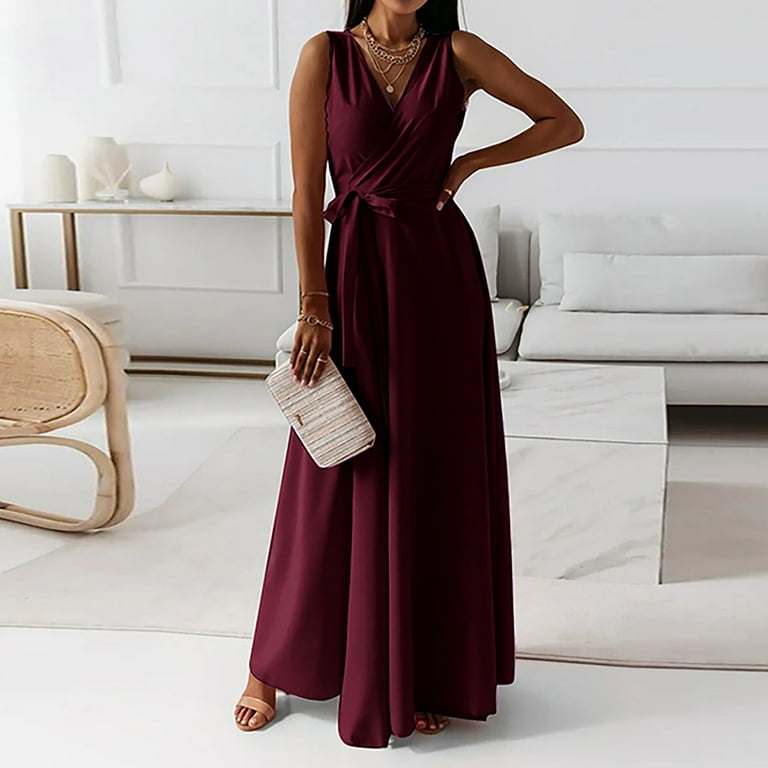
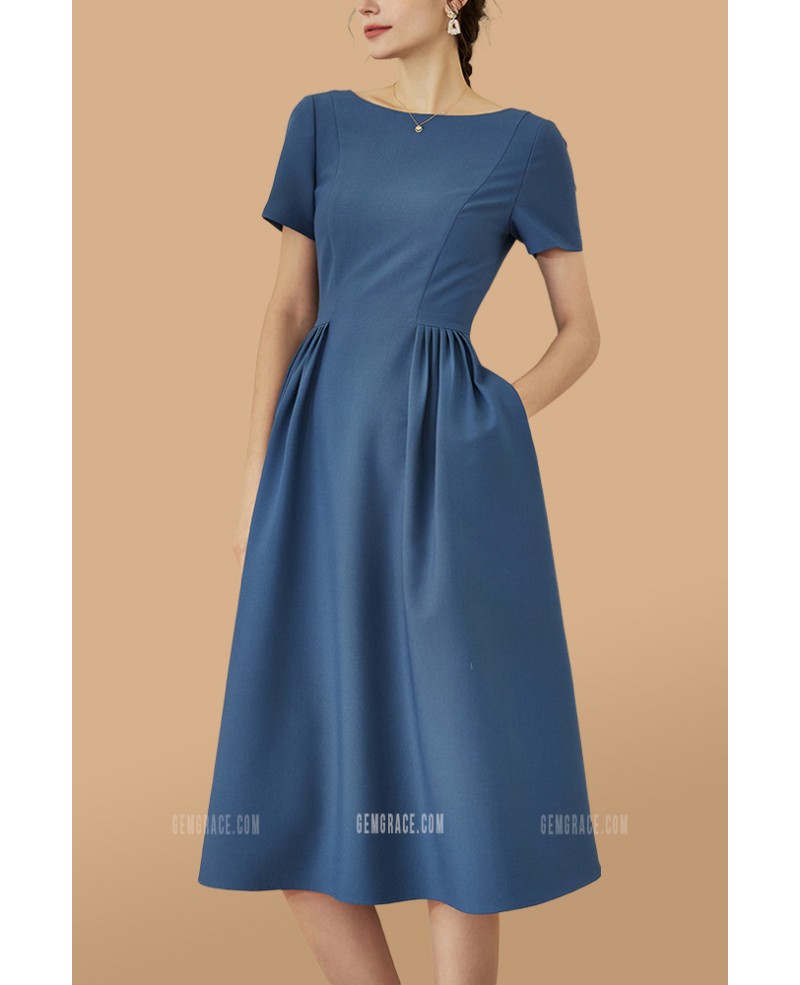
Choosing the perfect semi-formal dress begins with a strategic analysis of three core elements: fabric, silhouette, and length. The fabric sets the tone. Luxe materials like silk chiffon, satin, velvet (for cooler months), lace overlays, and high-quality jerseys convey immediate sophistication. As noted by fashion historians, the tactile quality of fabric communicates value and occasion-appropriateness before a single detail is noticed. The silhouette should harmonize with your body’s architecture. A-line cuts, universally flattering, offer elegance and ease. Sheath dresses provide a sleek, modern line, while fit-and-flare styles introduce a playful, feminine dynamism. The length is the most definitive signifier of the semi-formal code. Traditionally, it falls at or just above the knee, or to a midi length (below the knee to mid-calf). This range, immortalized by style icons like Audrey Hepburn in her iconic Givenchy dresses, strikes the ideal balance between refined and relaxed. A floor-length gown typically veers into formal territory, while a very short mini-dress may be too casual. Understanding this trinity allows you to make informed choices that align with both the event’s demands and your personal comfort.
Occasion-Specific Styling: From Daytime Elegance to Evening Glamour
The true mastery of semi-formal dresses is demonstrated in adapting the core principles to distinct occasions. A one-size-fits-all approach rarely succeeds. For a daytime event such as a garden wedding or a sophisticated brunch, your approach should mirror the light and airy atmosphere. Opt for dresses in softer pastels, floral prints, or lighter fabrics like cotton-silk blends or organza. A sleeveless or short-sleeved midi dress in a cheerful print is impeccable. Footwear can be elegant block heels or wedges for navigating grass, and accessories should be delicate—think pearl studs, a thin bracelet, and a structured clutch. The overall effect is one of fresh, joyful elegance that complements the sunlight rather than competing with it.
The Evening Transformation: Embracing Drama and Shine
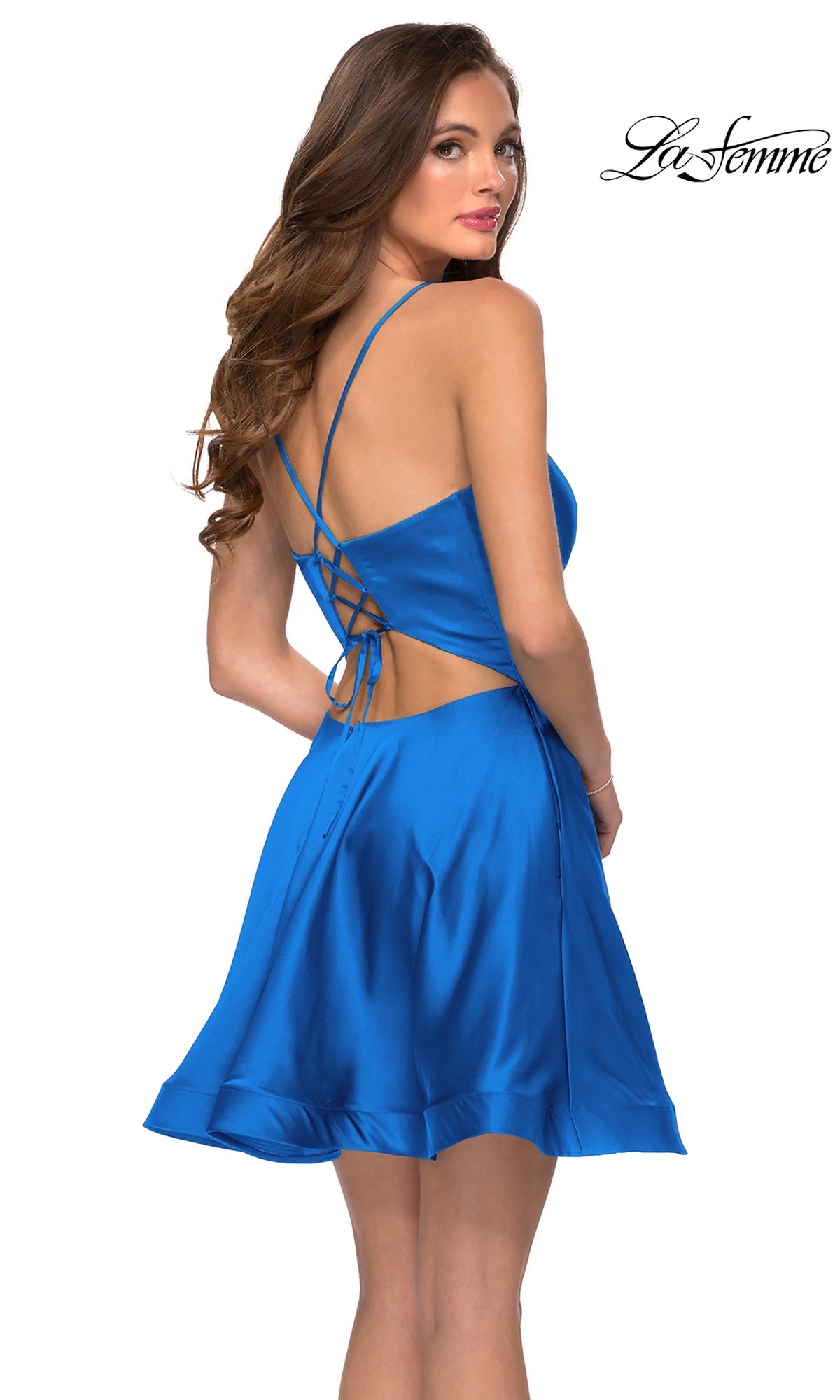
As the sun sets, the rules for your semi-formal dress shift towards embracing light, texture, and a touch of drama. Evening events, from cocktail parties to gallery openings, call for richer hues—emerald green, navy, burgundy, or classic black. Fabrics with inherent luminosity, such as silk satin, sequined details, or metallic brocade, come into their own. This is where you can experiment with more daring silhouettes, like a high slit or a dramatic open back, while still adhering to the appropriate length. As fashion influencer and author Brittany Bathgate often notes on her platforms, evening semi-formal is the playground for “quiet luxury” and impactful details. Pair your dress with statement earrings that catch the light, a sleek metallic clutch, and elegant stiletto heels. The transformation from day to night is achieved not by changing the fundamental code, but by amplifying its elements—deeper colors, richer fabrics, and more pronounced accessories.
The Power of Accessories and The Final Flourish
A semi-formal dress provides the canvas, but accessories are the masterful strokes that complete the portrait. The principle of balance is paramount. A dress with intricate beading or a bold neckline requires minimalist jewelry—perhaps just elegant drop earrings. Conversely, a simple sheath dress becomes a vehicle for a bold necklace or a stack of sculptural bracelets. The handbag should be compact and refined; a clutch is the traditional and most elegant choice. Footwear must bridge style and practicality; a classic pump or a strappy sandal in a neutral tone offers versatility. Furthermore, do not underestimate the finishing touches: well-manicured nails, a cohesive fragrance, and a chosen lip color that complements your dress’s hue. As Coco Chanel famously advised, “Before you leave the house, look in the mirror and take one thing off.” This counsel isn’t about minimalism for its own sake, but about achieving a curated, intentional look where every element has a purpose and nothing feels superfluous or chaotic.
Building a Versatile and Economical Wardrobe
Investing in semi-formal attire need not be prohibitive. The modern fashion landscape, including reputable online retailers and seasonal sales, offers access to quality pieces at various price points. The strategic approach is to build a capsule of two or three foundational semi-formal dresses in versatile colors like black, navy, or a jewel tone. A little black dress, as famously championed by Vogue editor-in-chief Diana Vreeland and countless style guides, remains the ultimate sartorial workhorse. From this base, you can create multiple distinct looks through the aforementioned power of accessories. A silk scarf, a different belt, or a change of shoes can make the same dress feel new for different events. This method is not only economical but also sustainable, promoting a mindful approach to consumption. By prioritizing fit, fabric quality, and timeless design over fleeting trends, you assemble a collection of dresses that will serve you elegantly for seasons to come.
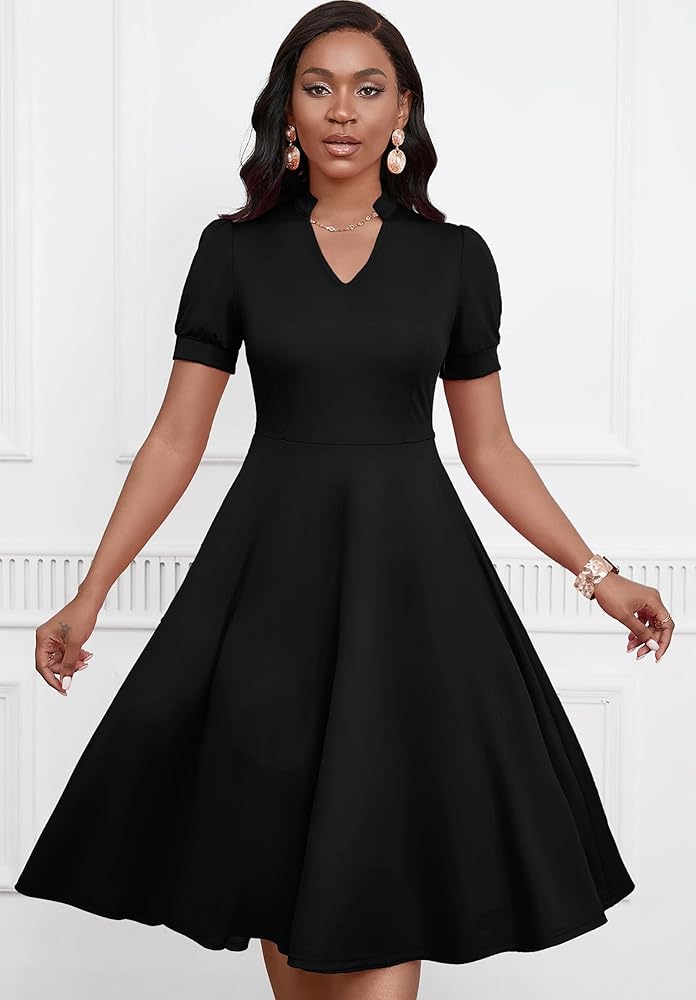
Ultimately, the art of styling semi-formal dresses is a personal dialogue between established convention and individual expression. It is an understanding that this dress code provides a framework of length, fabric, and intent, not a uniform. Within that framework lies a world of possibility—for color, cut, texture, and personal flair. By mastering the foundational rules, you earn the freedom to break them with intention. Whether you are drawn to minimalist chic, romantic details, or bold modernism, your choice in a semi-formal dress is a statement of your identity within a shared social context. It is this fusion of the appropriate and the personal that transforms getting dressed from a routine into a creative and empowering act.