

Styling Short Dresses for Every Season
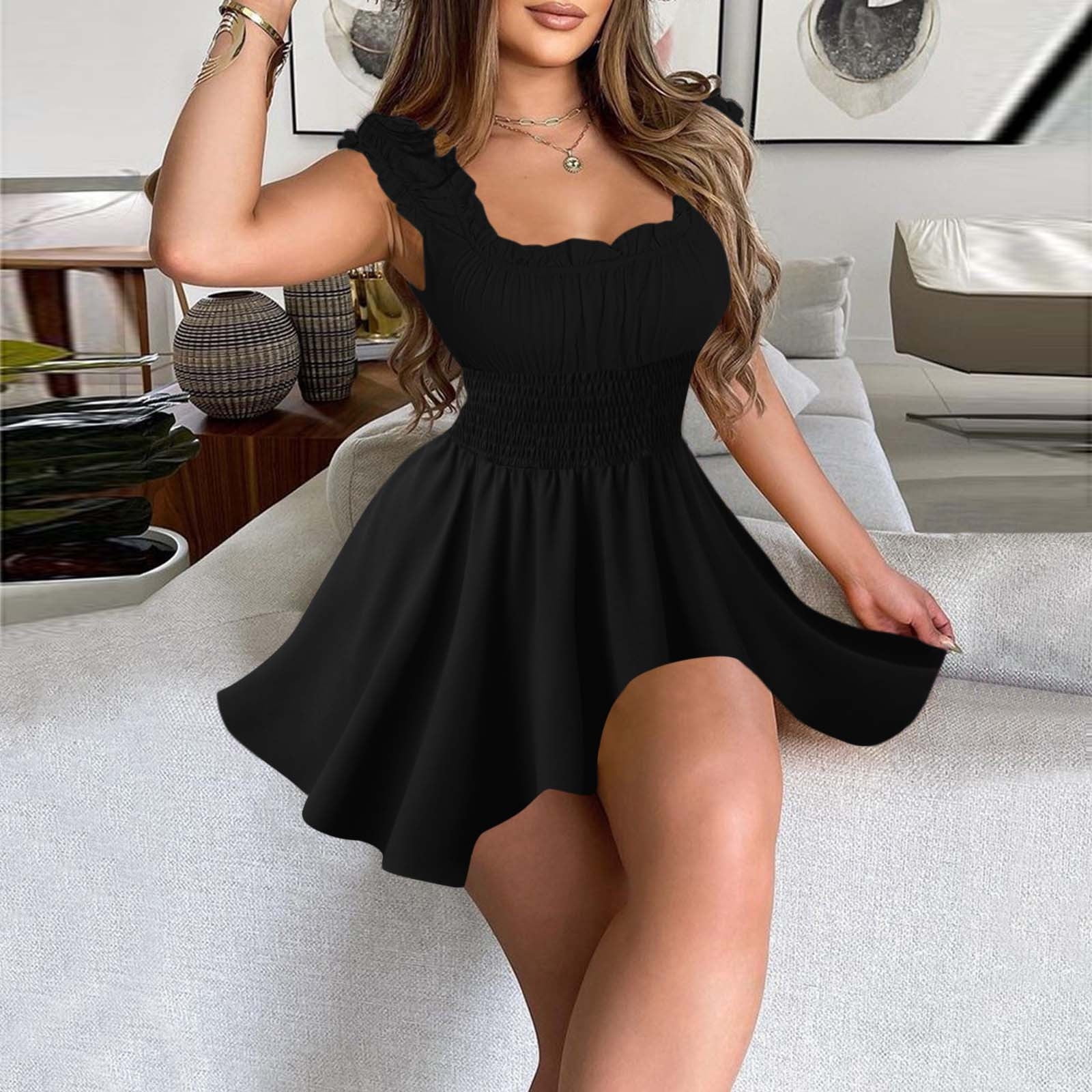
The short dresses for women is not merely a garment; it is a versatile canvas upon which we paint our style across the shifting moods of the year. Its appeal lies in its inherent adaptability—a silhouette that can be layered, accessorized, and reimagined to meet the demands of temperature, occasion, and personal expression from January to December. To master the art of the short dress is to embrace a foundational piece that offers both aesthetic freedom and practical elegance. This exploration moves beyond subjective preference, delving into the objective principles of textile science, color theory, and the sociological underpinnings of fashion to provide a comprehensive guide. We will dissect how this single category can form the cornerstone of a dynamic, season-proof wardrobe, bringing professional knowledge on fabric performance and styling to empower your choices, often at surprisingly accessible price points.
The Spring Awakening: Breathability and Renewal
As the frost recedes and the first buds appear, the wardrobe calls for fabrics that mirror nature’s transition. Spring demands materials that manage the unpredictable dance between lingering chill and nascent warmth. Scientifically, the ideal spring fabric possesses high moisture-wicking capabilities and moderate insulation. According to textile research from institutions like the Cornell University College of Human Ecology, natural fibers like cotton and linen, or advanced technical blends, allow for effective thermoregulation. A cotton-poplin shirtdress or a linen-blend shift dress exemplifies this principle. The structure of these fibers creates tiny air pockets that trap warmth without causing overheating, while their hydrophilic nature draws perspiration away from the skin. The color palette should engage with the season’s psychology. Drawing from color theory, which finds validation in both art history and marketing studies, pastels and floral prints are not merely pretty; they tap into cultural associations of renewal and optimism. As noted in an analysis on the fashion psychology website Psychology of Fashion, wearing light, airy colors in spring can positively influence mood and perception. This is the perfect time for a floral-printed short dresses for women, paired with a lightweight denim jacket and ankle boots—a look that is as practical against a spring breeze as it is symbolically attuned to the season.

The Summer Statement: Thermodynamics and Cultural Cues
Summer styling is an exercise in heat management and bold expression. The core scientific challenge is maximizing convective cooling—allowing air to circulate between the fabric and the skin. Loose, flowing silhouettes in fabrics like pure linen, chambray, or lightweight cotton voile are not just stylistic choices but thermodynamic necessities. A study published in the Journal of Physiological Anthropology confirms that loose-fitting clothing significantly improves thermal comfort in hot, humid environments by facilitating air movement. The iconic summer sundress, therefore, is a masterpiece of functional design. Beyond physics, summer fashion is deeply cultural. From the Riviera-style linen dresses immortalized in films like To Catch a Thief to the vibrant, off-the-shoulder styles popularized by festivals and social media, the summer short dresses for women operates as a social signal of leisure and vitality. As fashion historian Valerie Steele has discussed in her lectures at The Museum at FIT, warm-weather clothing often sheds formality, embracing brighter colors and exposed skin within cultural norms. This season invites you to choose a dress in a bold, saturated hue or a playful gingham check—a nod to both scientific cooling and the season’s celebratory ethos. Accessorizing becomes key: wide-brimmed hats for UV protection (a non-negotiable for skin health), sandals, and minimalist jewelry complete a look that is consciously crafted for comfort and impact.

Navigating the Autumn Transition: The Layering Principle
Autumn is the most nuanced season for dressing, demanding a strategic approach to layering. The goal is to create a modular system that can adapt to fluctuating temperatures throughout the day. This concept is rooted in the outdoor industry’s “layering system,” which consists of a base layer for moisture management, an insulating mid-layer, and a protective outer shell. A short dresses for women serves as an excellent, stylish base layer. Begin with a dress in a slightly heavier fabric, such as a fine-gauge knit, corduroy, or dense jersey. Over this, the insulating layer is applied. A thin cashmere or merino wool sweater, knotted over the shoulders or worn underneath, provides warmth without bulk. The final, protective layer could be a tailored blazer, a leather jacket, or a trench coat. This method is not just about warmth; it’s about creating visual depth and texture. The play between the softness of a knit dress, the structure of a blazer, and the sheen of tights or knee-high boots builds a complex, sophisticated outfit. As Tim Gunn, former co-host of Project Runway, famously advocated, “Make it work!”—a mantra that champions creative problem-solving with the pieces you own. Autumn is the season to embody this, transforming a simple summer dress into a fall staple by adding tights, boots, and a scarf, thereby extending its wearable life and offering tremendous value from a cost-per-wear perspective.
The Winter Elegance: Insulation and Defying Convention
The notion of a short dresses for women in winter may seem counterintuitive, but it is here that the most creative and elegant solutions emerge. The key lies in redefining the dress as the central component within a system of insulating elements. Fabric choice is paramount. Wool crepe, velvet, thick ponte knit, or faux leather provide substantial weight and inherent warmth due to their dense fiber structures. The real science comes with the layers. Opaque, high-denier tights or fleece-lined leggings are crucial, acting as a thermal barrier for the legs. Footwear shifts to insulated ankle boots or sleek over-the-knee styles. On the upper body, layering moves beyond the aesthetic to the essential: a long-sleeved turtleneck or thermal top worn underneath the dress, topped with a structured wool coat or a down-filled puffer jacket. This approach challenges the seasonal cliché of head-to-toe bulk. As style icon Olivia Palermo has demonstrated on numerous winter streetscapes, a short dress paired with strategic layers exudes a polished, intentional cool-weather elegance. It proves that warmth need not sacrifice silhouette. Furthermore, investing in one high-quality, versatile winter dress that can be mixed with different layers represents a savvy approach to building a capsule wardrobe, often proving more economical over time than purchasing multiple seasonal-specific outfits.

Beyond Seasons: The Occasion Spectrum
The versatility of the short dresses for women truly shines when transcending seasonal utility to meet specific occasions. For the professional environment, a sheath dress in a neutral tone—governed by principles of formalwear outlined in business literature—communicates competence and polish. The clean lines and lack of distraction align with the “power dressing” concepts analyzed by researchers at Harvard Business School, which link certain sartorial choices to perceptions of authority. Conversely, for evening wear, the same silhouette in a luxe fabric like silk satin or adorned with sequins transforms into a statement of celebration. The cultural cachet of the “little black dress,” canonized by Coco Chanel and later Audrey Hepburn in Breakfast at Tiffany’s, rests on its unparalleled adaptability from cocktail party to formal dinner. For casual weekends, the dress code relaxes into jersey knits, relaxed smocks, or denim shirtdresses. This chameleonic ability to cross contexts makes the short dress a powerhouse of utility. By selecting dresses with classic cuts and quality fabrics, you build a repository of options that can be elevated or relaxed with accessories, maximizing your investment and minimizing wardrobe fatigue. Many retailers now offer these timeless styles at competitive price points, especially during seasonal sales, making sophisticated versatility accessible.
Mastering the art of the short dress across the calendar is an exercise in intelligent dressing. It merges an understanding of material science with the cultural language of fashion, all while honoring personal expression. From the breathable cottons of spring to the insulated wools of winter, from the professional sphere to the social evening, this single garment category offers a framework for endless creativity. It demonstrates that a thoughtful wardrobe is not about volume, but about strategic pieces that work in concert with the environment and your life. By applying these principles of fabric, layer, and context, you unlock a year-round style that is both resilient and distinctly your own, proving that the most impactful choices are often the most versatile ones.