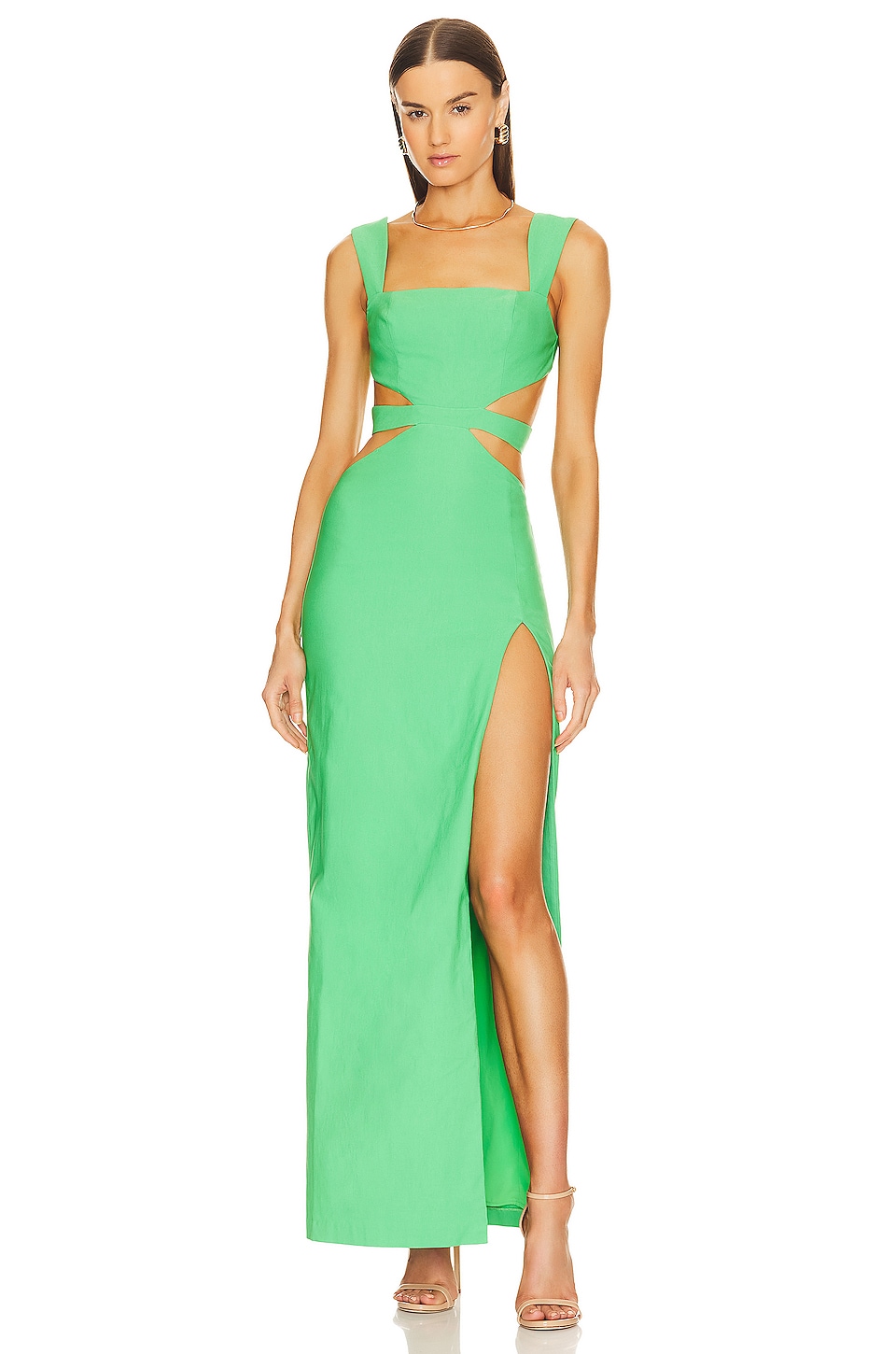
Styling Your Revolve Dress for Every Occasion
In the realm of fashion, few garments offer the transformative power of a well-chosen dress. It’s a canvas for personal expression, a tool for crafting an image, and a solution for countless social scenarios. Among the myriad options available to the contemporary wardrobe, the revolve dress stands out not merely as a piece of clothing but as a versatile cornerstone. The term “revolve” here transcends its literal meaning of rotation; it embodies the concept of a central, pivotal piece around which an entire style universe can orbit. This article posits that a single, strategically selected revolve dress can be the axis of your style, adeptly morphing to suit any occasion from a casual brunch to a formal gala. We will dissect this sartorial philosophy, grounding our exploration in objective style principles, psychological impacts of attire, and the wisdom of fashion authorities, all while providing actionable styling frameworks.
The Philosophy of the Wardrobe Centerpiece
The idea of a foundational garment is not novel. Fashion theorists and personal stylists have long advocated for a “capsule wardrobe,” a concept popularized by London boutique owner Susie Faux in the 1970s and later championed by designers like Donna Karan. The core tenet is owning a minimal collection of essential, high-quality, and interchangeable items that form the backbone of your style. A revolve dress perfectly fits this archetype. Its versatility is its superpower. From a scientific perspective, the psychology of clothing, termed “enclothed cognition” by researchers Hajo Adam and Adam D. Galinsky in a seminal 2012 study published in the Journal of Experimental Social Psychology, demonstrates that the clothes we wear significantly influence our psychological processes. Wearing a garment perceived as versatile and powerful, like a well-cut dress, can directly enhance the wearer’s cognitive agility and confidence across different tasks and settings. Therefore, investing in a dress that can revolve through your life isn’t just about economics; it’s about curating a tool for psychological readiness and seamless social adaptation.
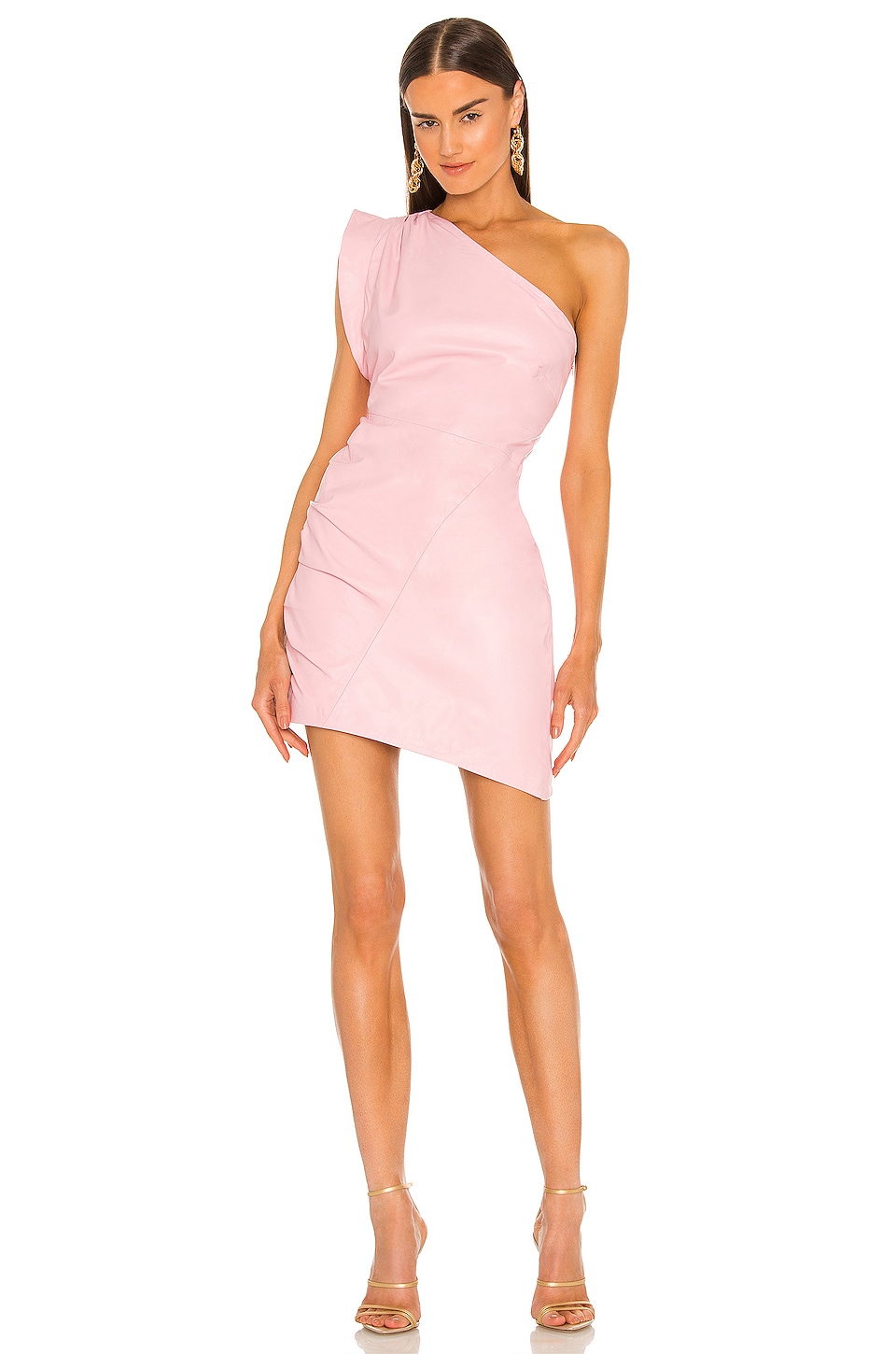
Decoding the Anatomy of a Versatile Revolve Dress
Not every dress qualifies for this pivotal role. The ideal candidate possesses specific, objective characteristics that grant it chameleon-like abilities. First, silhouette is paramount. A-line, shirt-dress, or wrap dresses often offer the most flattering and adaptable shapes. As noted by the Fashion Institute of Technology’s curriculum on garment construction, these silhouettes balance structure and flow, accommodating different body types and allowing for easy layering. Second, color must be strategic. Neutral hues—black, navy, cream, or charcoal grey—provide the ultimate blank slate. Color theory, as explained on authoritative art and design platforms like Canva’s Design School, indicates that neutrals serve as a stable base, allowing accessories in any color palette to take center stage. Third, fabric dictates occasion. A mid-weight ponte knit, fine wool crepe, or high-quality cotton blend offers year-round comfort, resists wrinkling, and presents a polished look suitable for both day and evening. A dress lacking in these fundamental qualities cannot truly revolve; it remains static, limited to one or two specific uses.
Framework I: The Professional Transformation
The modern workplace demands a blend of authority and approachability. Your revolve dress is your first ally in meeting this demand. Begin with the dress in its purest form: clean, pressed, and unadorned. This is the foundation of professional polish. The key to transformation lies in the power of layering and structured accessories. A tailored blazer in a complementary color instantly architects a silhouette of competence. This isn’t mere opinion; management literature, such as John T. Molloy’s “Dress for Success,” empirically linked specific attire with perceptions of credibility and reliability in professional settings. Pair the ensemble with closed-toe pumps or sophisticated loafers and a structured leather tote. For a more creative industry, swap the blazer for a sleek, long-line cardigan or a modern leather moto jacket. The dress remains constant, but its message shifts from corporate formal to creative-lead casual. As fashion icon Iris Apfel once quipped, “More is more and less is a bore,” but in professional styling, it’s about strategic more—adding pieces that communicate intent without overwhelming the core garment’s elegance.
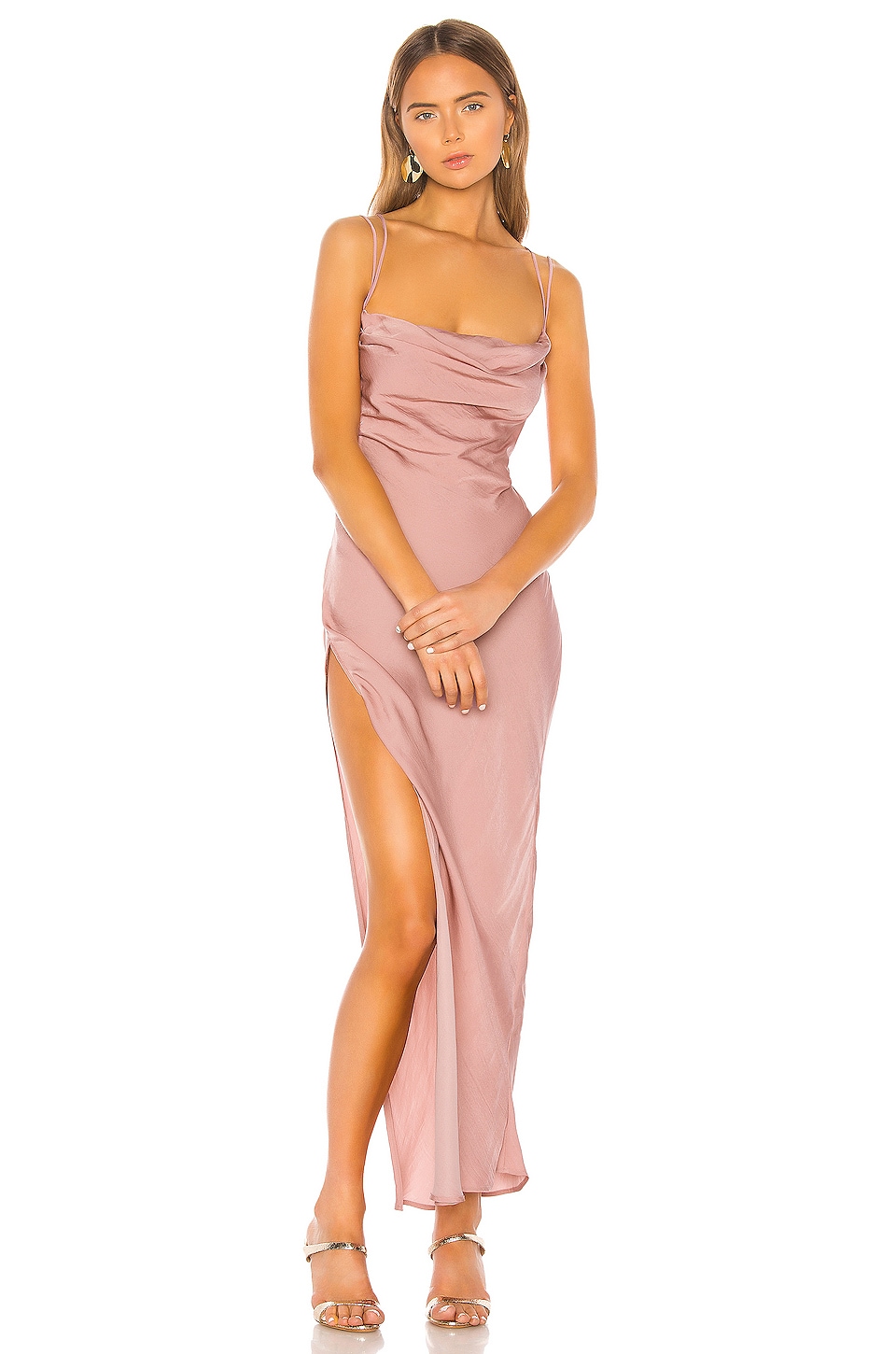
Elevating the Everyday: Casual and Weekend Ingenuity
Contrary to limiting its use, a dress perceived as “dressy” becomes the ultimate secret weapon for effortless off-duty style. The goal here is deconstruction and softening. Take your sleek revolve dress and intentionally counter its polish with relaxed, textural elements. This employs the design principle of juxtaposition, creating a look that is thoughtfully curated rather than casually thrown on. Slide a plain white t-shirt or a fine-gauge turtleneck underneath a sleeveless shift dress. This technique, frequently showcased on platforms like Vogue’s digital street style galleries, adds depth, warmth, and a touch of intellectual cool. Alternatively, tie a chambray shirt around your waist or drape a cozy, oversized knit sweater over your shoulders. Footwear undergoes a complete shift: trade heels for pristine white sneakers, rugged ankle boots, or flat sandals. A crossbody bag replaces the tote. This approach doesn’t diminish the dress; it recontextualizes it. It proves the garment’s intelligence by showcasing its ability to be both the star and the supporting player, depending on the narrative you wish to craft for a Saturday farmers’ market or a relaxed gallery visit.
Framework II: The Evening Alchemy
When the sun sets and the occasion calls for glamour, your revolve dress is ready for its most dramatic metamorphosis. This transformation is driven by the principles of accentuation and sparkle. Evening wear psychology, often discussed by costume designers in film commentary, revolves around capturing light and attention in a dim environment. Your neutral dress provides the perfect, uncluttered backdrop for this. The first lever is jewelry. Statement earrings, a cuff bracelet, or a layered necklace collection become the focal point. As Coco Chanel’s often-cited advice reminds us, “Before you leave the house, look in the mirror and take one thing off.” For evening, we invert this: add one significant piece. The second lever is outerwear. Replace a daytime blazer with a sequined bolero, a faux fur stole, or a sleek satin trench. Finally, footwear shifts to metallics, delicate strappy sandals, or embellished pumps. A clutch bag in velvet, beadwork, or metallic leather completes the alchemy. The dress itself hasn’t changed, but through these accretions, it has been elevated from a wardrobe workhorse to a red-carpet-ready centerpiece, embodying the very essence of a piece that can revolve from day to night with intelligent accessorizing.
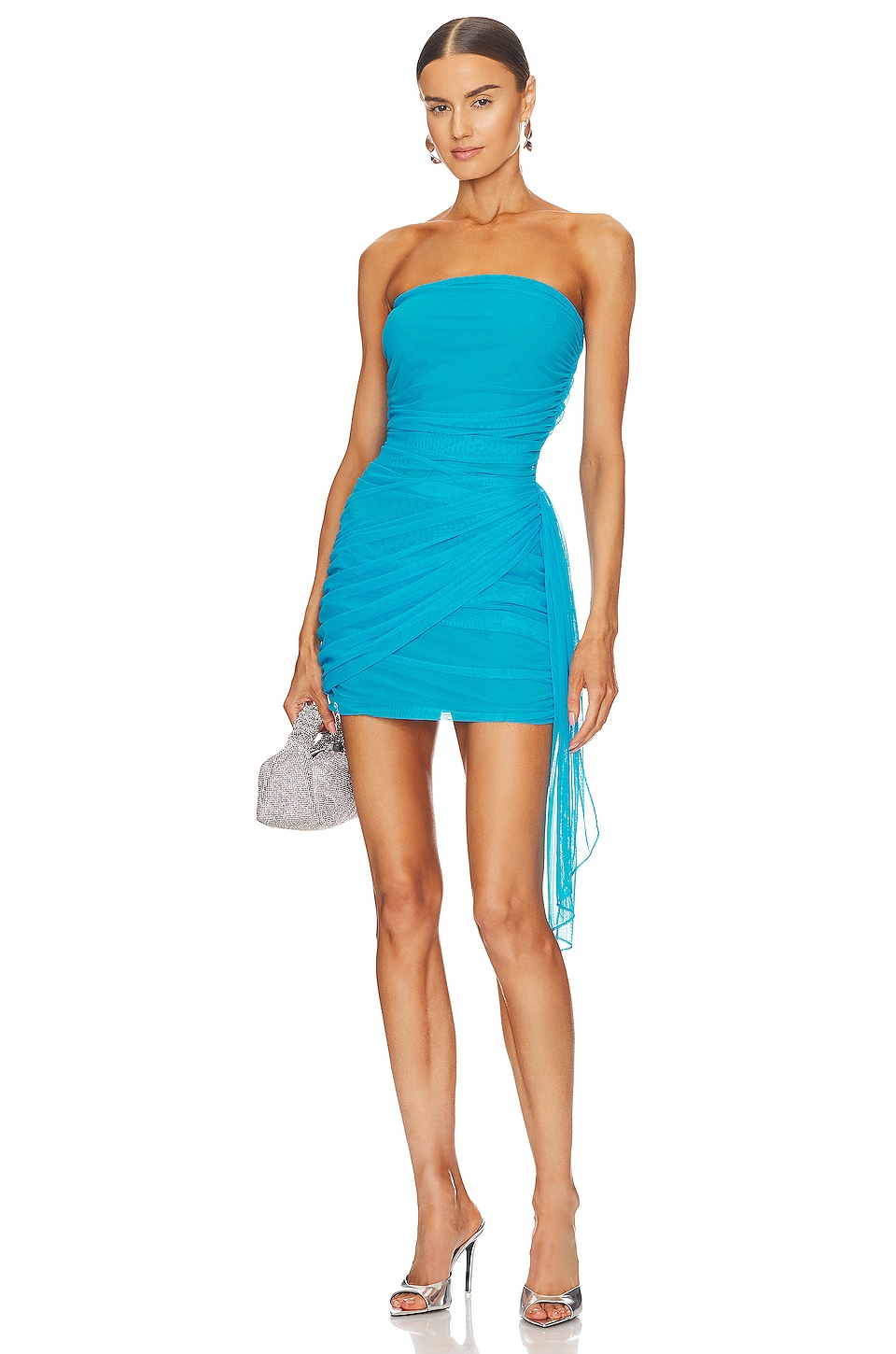
Seasonal Adaptation: A Year-Round Companion
A true revolve dress defies the calendar. Its utility is proven across the thermal spectrum through strategic layering, a concept mastered in fashion capitals with volatile climates. In cooler months, the dress becomes a foundational layer. Pair it with opaque tights or sleek leggings. Add knee-high boots, a chunky knit cardigan or a tailored wool coat, and a scarf. The dress provides a smooth, uninterrupted line under bulky textures, ensuring a silhouette that remains streamlined. In the heat of summer, the dress stands alone in its breezy glory, but can be shielded from sun or aggressive air conditioning with a lightweight linen shirt worn unbuttoned as a duster or a denim jacket. This practical cycling of a single item through seasonal extremes is not just economical; it’s a hallmark of sophisticated, sustainable dressing. It aligns with the growing “slow fashion” movement, advocated by institutions like the Centre for Sustainable Fashion at the London College of Fashion, which emphasizes garment longevity and multifunctionality over disposable, single-use purchases.
Curating Your Own Pivotal Piece
The journey begins with selection. When seeking your own style axis, focus on the objective criteria outlined: silhouette, neutral color, and quality fabric. View this not as a simple purchase, but as an investment in your future self’s convenience and confidence. Brands that specialize in timeless design, often found on curated platforms like Revolve clothing, are excellent hunting grounds. Once acquired, the real creativity begins. Experiment with the frameworks. Use your existing wardrobe to layer and accessorize in new ways. Document what works. The ultimate goal is to build a intuitive relationship with this garment, so that dressing for any event becomes a swift, enjoyable exercise in self-expression rather than a stressful dilemma. Your revolve dress is more than fabric and thread; it is a sartorial promise of readiness, adaptability, and enduring style, proving that the most powerful item in your closet is the one that refuses to be confined to a single occasion.