

The Ultimate Guide to Styling Shift Dresses for Every Season
Few garments in fashion history possess the enduring, transformative power of the shift dress. Its deceptively simple silhouette—a straight cut that hangs from the shoulders, typically without a defined waist—has been a canvas for self-expression, a symbol of liberation, and a wardrobe staple for nearly a century. This guide moves beyond fleeting trends to explore how this iconic piece can be the cornerstone of a dynamic, year-round wardrobe. We’ll dissect its history, its inherent versatility, and provide actionable, season-by-season styling strategies that blend professional insight with accessible elegance.
The Anatomy of an Icon: Understanding the Shift Dress
To master styling, one must first understand the object itself. The shift dress is characterized by its clean, architectural lines. It is not fitted at the waist, creating a boxy or A-line shape that skims the body rather than clinging to it. This fundamental design is its greatest strength. As fashion historian Valerie Steele notes in her work for The Museum at the Fashion Institute of Technology, the shift’s emergence in the 1960s was not merely aesthetic but profoundly cultural. It represented a decisive break from the constricted silhouettes of the previous decades, offering women a garment of unparalleled comfort and freedom of movement. This liberation is rooted in its structural honesty; it doesn’t manipulate the body’s form but instead creates a new, elegant shape around it. From the wool shifts of a Parisian winter to the linen versions on a summer Riviera, the design adapts through fabric and detail, not through a compromise of its core principle. Its versatility is scientifically supported by the concept of “cognitive fluency” in aesthetics—the human brain tends to prefer and find more uses for designs that are simple, coherent, and easy to process. The shift dress, in its clarity of form, achieves this perfectly, making it a psychologically satisfying and endlessly adaptable choice.
Spring: Awakening with Layers and Prints
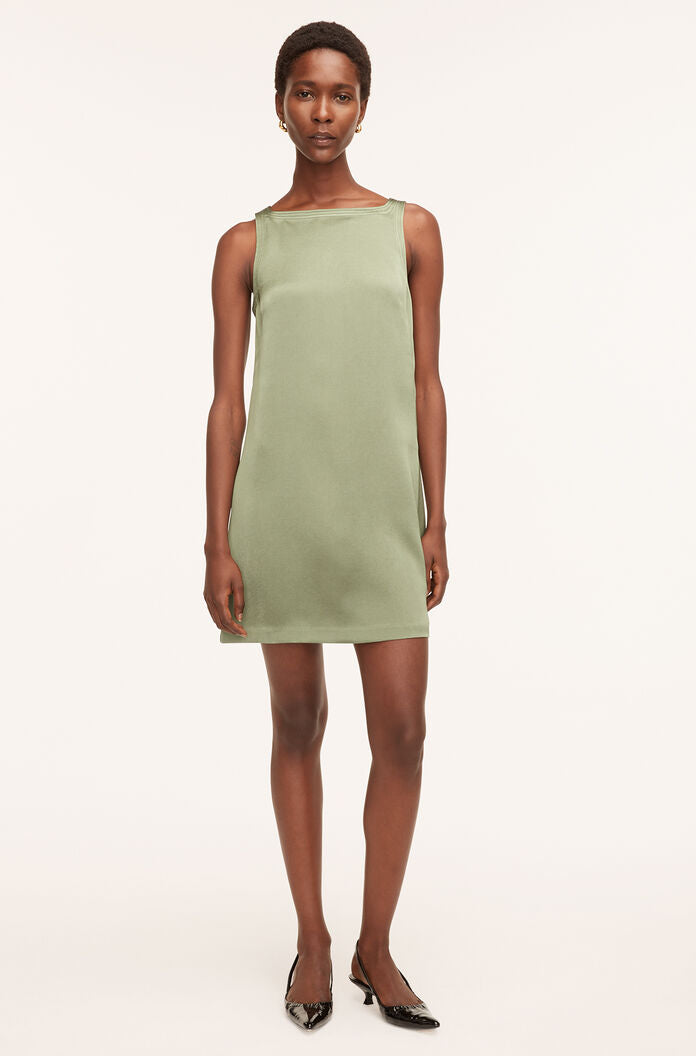
Spring styling is an exercise in transitional dressing, and the shift dress is your ideal foundation. The key is to play with layers and embrace the season’s renewed energy through print and texture. Begin with a dress in a mid-weight fabric like cotton poplin or a fine-gauge knit. The unpredictable temperatures of spring are best managed by treating the dress as a central panel in a layered ensemble. A classic trench coat in beige or a modern moto jacket in leather thrown over a solid-color shift creates a look that is both polished and practical. For a more academic or creative twist, a chunky knit cardigan or a tailored blazer can redefine the silhouette. Footwear shifts from winter boots to ankle boots, sleek loafers, or classic ballet flats. This is also the season for prints. Florals are an obvious but perennial choice, yet consider more graphic or abstract patterns for a contemporary feel. As designer Diane von Fürstenberg, herself a master of the wrap dress (a close cousin to the shift), famously advocates, “Style is about knowing who you are and expressing it with confidence.” A printed shift dress does exactly that—it makes a statement without effort. Accessorize with a woven tote bag and simple gold jewelry to ground the look, allowing the dress itself to be the focal point.
Summer: Embracing Minimalism and Breathable Fabrics
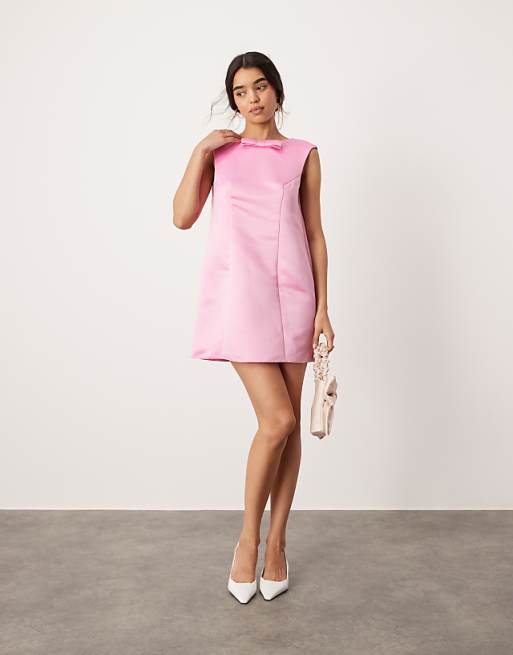
Summer is where the shift dress truly shines in its elemental form. The goal is coolness, ease, and sun-drenched elegance. Fabric selection becomes paramount. Linen, cotton voile, chambray, and lightweight silk are your allies. These materials possess high breathability and moisture-wicking properties, a fact often highlighted in textile science literature from institutions like the Cornell University College of Human Ecology. They allow air circulation, making them physiologically ideal for thermoregulation in heat. Opt for minimalist designs: a sleeveless linen shift in ivory or slate blue, a simple cotton shirtdress in stripes. The silhouette itself provides a cooling, non-restrictive feel. Styling is beautifully straightforward. Pair with flat leather sandals, espadrilles, or white sneakers for a modern twist. A wide-brimmed hat and oversized sunglasses are both functional and stylish additions. A crossbody bag in raffia or canvas keeps your hands free. The beauty of the summer shift lies in its lack of complication—it is a complete outfit in one piece. You can dive from a morning coffee meeting to an afternoon picnic without a wardrobe change, embodying a sense of effortless chic that is the hallmark of seasoned style. This approach aligns with the minimalist philosophy championed by figures like Marie Kondo, focusing on a few high-quality, joy-sparking pieces that serve multiple purposes.
Autumn: A Palette of Texture and Rich Color
As the air turns crisp, the shift dress evolves through the strategic use of texture, weight, and color. This is the season to explore heavier fabrics: wool crepe, corduroy, thick jersey, or velvet. These materials add visual and tactile depth, transforming the simple shift into a seasonally appropriate statement. Rich, earthy colors come to the fore—think ochre, burgundy, forest green, and deep charcoal. A wool shift dress in a camel hue becomes a timeless autumn staple. Layering becomes more integral and structured. Pair your dress with opaque tights or sleek knee-high boots. A fitted turtleneck worn underneath creates a sophisticated “dress-over-top” look that maximizes warmth without bulk. Outerwear choices like a tailored wool coat, a shearling jacket, or a long-line blazer complete the transformation. Accessories shift to match: a leather satchel, a silk scarf at the neck, and statement earrings that catch the low autumn light. This season’s styling reflects a principle often seen in interior design: creating warmth and interest through layered textures within a cohesive color story. It’s about building an outfit that feels as substantial and inviting as the season itself.

Winter: Strategic Insulation and Elegant Proportions
Mastering winter style with a shift dress is an art of contradiction: maintaining the dress’s sleek line while achieving necessary warmth. The solution lies in intelligent layering and proportion play. Start with a foundational layer of thermal wear or fine merino wool—a technical approach to insulation often detailed in outdoor apparel reviews. Over this, your dress acts as the mid-layer. Choose fabrics with inherent warmth like heavy wool melton, cashmere blends, or structured bouclé. The shift’s loose cut is a benefit here, allowing for comfortable under-layers without compromising its shape. The final, crucial layer is your coat. A long, streamlined wool coat or a padded cocoon-style jacket that extends past the hem of the dress creates a elegant, column-like silhouette. Footwear moves to insulated boots—knee-high or ankle-length—often with a low block heel for stability. Accessories become functional armor: leather gloves, a substantial wool wrap, and a beanie that complements the ensemble. The winter shift dress look proves that style need not be sacrificed for comfort; it is a testament to strategic dressing, where each layer serves a purpose, culminating in an outfit that is as commanding against a city skyline as it is cozy.
Beyond the Seasons: Occasion-Specific Mastery
The true test of a garment’s worth is its ability to cross contextual boundaries, and the shift dress passes with distinction. For the professional environment, a shift in a solid, dark color like navy or black, crafted from suiting material such as gabardine or ponte knit, projects immediate authority. Paired with a blazer and closed-toe pumps, it meets corporate dress codes while offering superior comfort over a traditional suit. For evening wear, the shift transforms through luxe details. As fashion icon Audrey Hepburn demonstrated in films like “Breakfast at Tiffany’s,” simplicity can be the height of glamour. A shift in sequins, metallic thread, or draped silk satin, accessorized with statement jewelry and heels, is profoundly elegant. The shift dress’s blank-canvas quality allows it to absorb the character of its accessories and context. This chameleon-like ability is why it remains a favorite of stylists and savvy dressers alike—it is a single investment that yields a multitude of returns, from boardroom presentations to gallery openings.
Curating Your Shift: A Final Note on Investment and Style
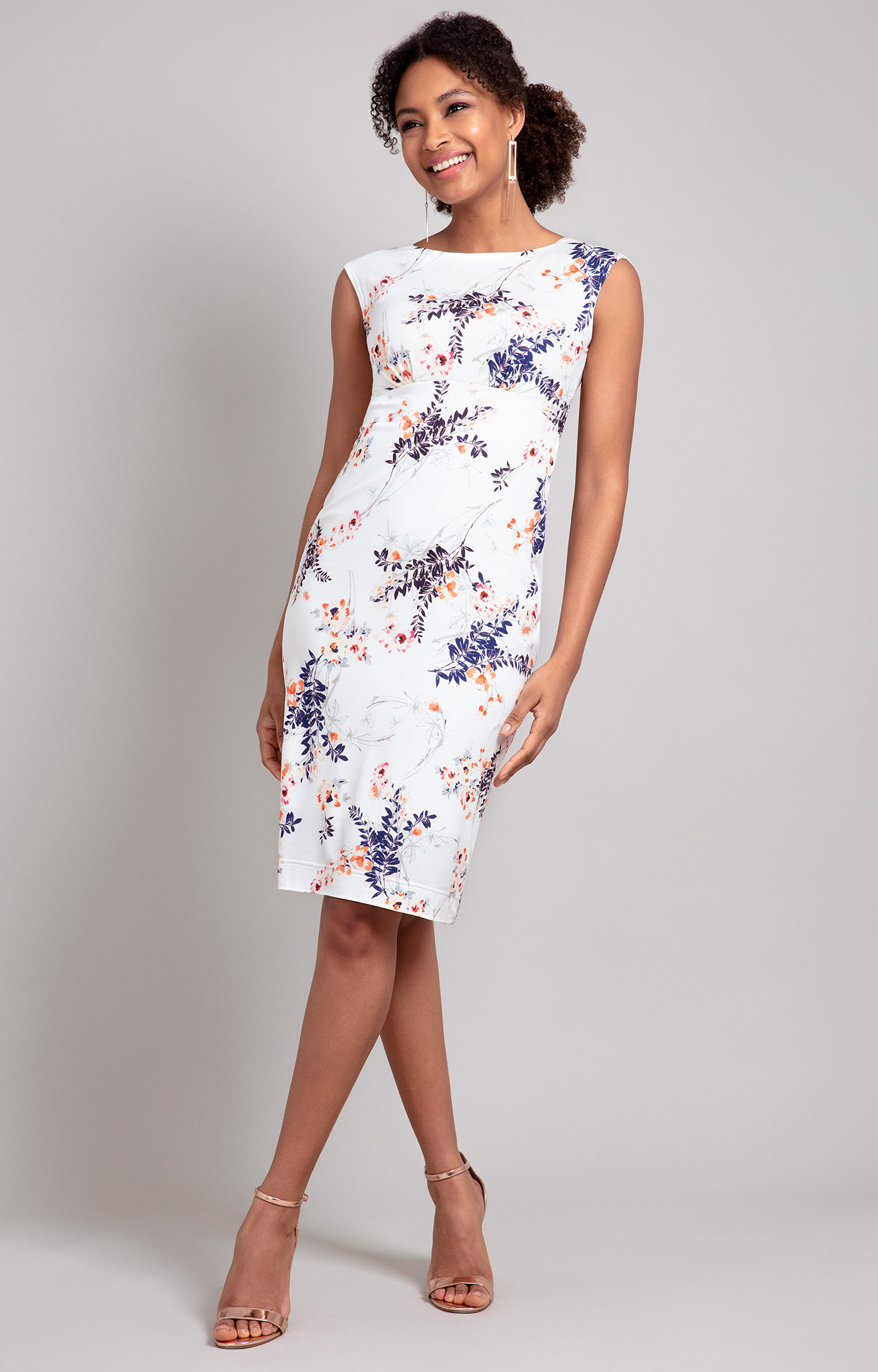
The journey through the seasons reveals the shift dress not as a mere item of clothing, but as a versatile tool for personal expression. Its value lies in its architectural purity and its historical role as a garment of empowerment. When curating your collection, prioritize quality fabric and impeccable construction over quantity. A well-made shift in a natural fiber will outlast dozens of trend-driven pieces. Look for clean seams, a lining that allows the dress to hang properly, and a fabric weight appropriate for its intended season. While high-end designers offer exquisite options, many contemporary retailers provide excellent quality at accessible price points, especially during seasonal sales where discounts can make premium materials attainable. The ultimate power of the shift dress is bestowed by the wearer. It asks for nothing but offers a framework—a silhouette upon which you can project your mood, your needs, and your identity, day after day, year after year. It is less about following rules and more about understanding the principles of form and function, then bending them to your will. That is the essence of true style.