

The Ultimate Guide to Styling Shift Dresses for Every Season
For decades, the shift dress has stood as a sartorial chameleon, a garment whose simplicity is its greatest strength. It is not merely a piece of clothing; it is a canvas upon which personal style, seasonal shifts, and functional elegance are painted. This guide moves beyond superficial styling tips to delve into the architectural, historical, and psychological reasons why the shift dress remains a perennial powerhouse in wardrobes across the globe. We will dissect its form, explore its seasonal transformations, and arm you with the knowledge to wield its power, all while connecting to the wisdom of designers, cultural theorists, and the very science of aesthetics.
The Architectural Foundation: Why the Shift Dress Works
To understand the versatility of the shift dress, one must first appreciate its architecture. Unlike the body-conforming sheath or the flared fit-and-flare, the classic shift is defined by its straight, clean lines falling from the shoulders, creating a structured yet forgiving silhouette. This is not an accident of design but a deliberate embrace of geometric form. The renowned fashion historian and curator, Dr. Valerie Steele of The Museum at the Fashion Institute of Technology, has often noted in her lectures that 20th-century fashion’s liberation was deeply tied to simpler, more geometric shapes. The shift dress, popularized in the 1960s by designers like Mary Quant and André Courrèges, embodied a modernist rejection of the overly constructed, corseted fashion of previous eras. Its shape aligns with what psychologists term the “aesthetic-usability effect,” where a design perceived as beautiful is also perceived as more functional. The lack of a defined waist is not a lack of definition, but a redefinition of the female form—one prioritizing comfort, freedom of movement, and a graphic, almost artistic, statement. This architectural purity is what allows it to serve as a foundational layer for endless interpretation, making it the perfect starting point for any seasonal wardrobe strategy.
Spring: Awakening with Texture and Print
As the world thaws and blooms, your approach to the shift dress should follow suit. Spring styling is an exercise in tactile and visual awakening. The objective here is to layer lightness and introduce motifs that echo the season’s renewal. Begin with the fabric itself: a crisp cotton poplin, a delicate seersucker, or a lightweight linen-blend shift dress provides the ideal base. These materials offer breathability and a fresh, clean hand-feel that aligns with spring’s crisp mornings. The true transformation, however, lies in pattern. Botanical prints, derived from a long tradition of floral motifs in art and textile design—from William Morris’s Arts and Crafts movement to Liberty London’s iconic prints—channel the season’s essence directly. As fashion icon Diana Vreeland once famously declared, “The eye has to travel.” A vibrant floral or a sophisticated geometric print on a shift dress gives the eye a journey, breaking the plane of a solid color with narrative interest. Styling for spring is about controlled contrast. Pair a brightly printed shift with a neutral-toned structured blazer for a meeting, or layer it over a simple turtleneck on cooler days. The straight lines of the dress balance the potential whimsy of a print, ensuring the look remains polished. Footwear shifts from heavy boots to sleek loafers, ballet flats, or block-heeled sandals, completing a look that is both pragmatic for changeable weather and evocative of optimism.
Summer: Mastering Minimalism and Breathability
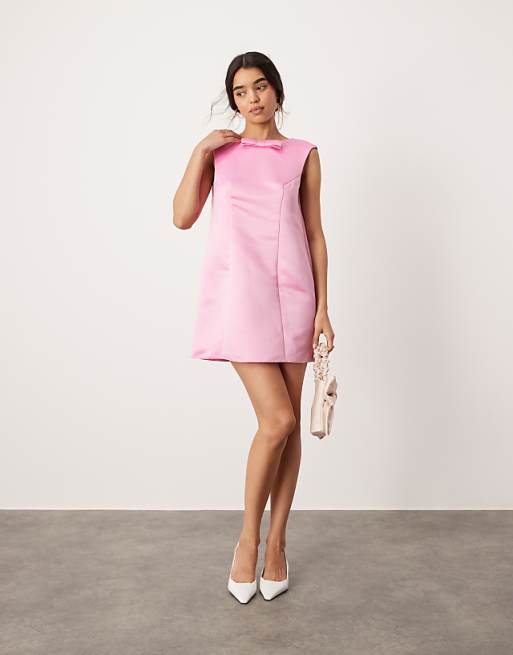
Summer demands a philosophy of minimalist efficiency. The goal is to achieve maximum style with minimal fabric and thermal burden. Here, the shift dress reaches its apex of functionality. Fabric science becomes paramount. Linen, celebrated for its high moisture-wicking and heat-dissipation properties, is a classic choice. Cotton voile or chambray offers softness and breathability. In recent years, technological fabrics like Tencel™ lyocell, made from sustainably sourced wood pulp, have gained prominence for their silky drape and biodegradable qualities, a point frequently highlighted in sustainability reports from institutions like the Copenhagen School of Design and Technology. The summer shift should be treated as a standalone statement. Sleeveless or short-sleeved styles in solid, saturated hues or stark white create a visual cooling effect. The simplicity of the silhouette allows for bold accessories—a statement necklace, oversized sunglasses, a woven tote—without tipping into clutter. As the minimalist designer and architect Ludwig Mies van der Rohe’s axiom, “less is more,” applies to interiors, so too does it apply to summer dressing. The unadorned shift becomes a frame for the wearer, emphasizing healthy skin, simple sandals, and an effortless demeanor. It is the uniform for al fresco dining, gallery visits, and urban exploration, proving that sophistication often resides in subtraction.
Autumn: The Art of Strategic Layering
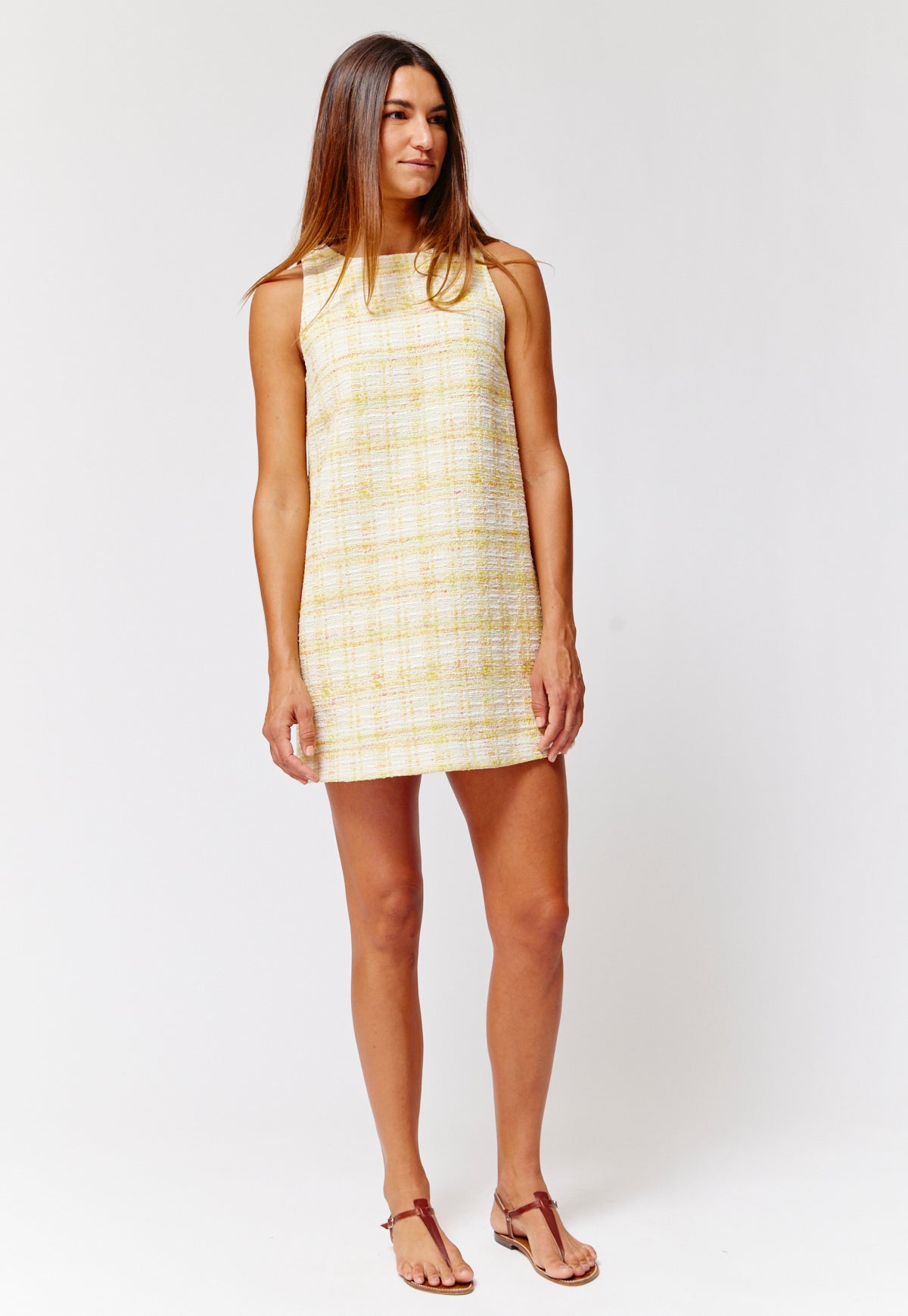
Autumn is the season of nuance, and styling a shift dress during this time is a masterclass in strategic layering. The core principle is to use the dress as the stable centerpiece in an evolving composition of textures and weights. This approach finds resonance in the Japanese concept of “Fukinsei,” or controlled asymmetry, where beauty is found in balanced imbalance. Start with a shift dress in a richer, autumnal fabric: wool crepe, heavy silk, or a fine-gauge knit. These materials provide inherent warmth and a more substantial drape. Layering is not merely practical; it is compositional. A fine-knit turtleneck worn underneath transforms the dress into a pinafore, adding a preppy, intellectual dimension. A tailored leather or corduroy jacket thrown over the shoulders provides edge and structure. The turtleneck-and-shift-dress combination was a signature look of mid-century style icons like Audrey Hepburn, demonstrating a timeless formula for chic, transitional dressing. Footwear evolves accordingly—ankle boots, either sleek or chunky, ground the look. Tights, particularly in sheer black or textured fishnet, add both warmth and a layer of visual intrigue. The key is that each added layer should complement, not conceal, the clean lines of the dress. This creates a look of intelligent complexity, perfect for the season’s shifting moods and temperatures.
Winter: Defying the Cold with Structure and Insulation
Winter might seem like the natural enemy of the shift dress, but this is where creative styling truly shines. The challenge is to retain the dress’s essential character while integrating substantial insulation. The solution lies in treating the shift as a sophisticated tunic. Opt for versions in thick wool melton, structured bouclé, or even cashmere-blend knits. These fabrics, often discussed in textile engineering literature for their thermal retention properties, provide the necessary warmth. The layering strategy pivots to encapsulation. Wear the dress over, not under, high-waisted, wide-leg trousers or sleek, insulated leggings. This “dress-as-tunic” approach is a technique frequently seen on runways for houses like Celine and The Row, where it signifies a modern, androgynous elegance. On top, a long-line tailored coat or a substantial cocoon-shaped overcoat completes the fortress against the cold. The juxtaposition of the dress’s relatively short, straight line against the fluid length of trousers and a sweeping coat creates a dynamic, fashion-forward silhouette. Accessories become functional armor: knee-high boots, leather gloves, and a substantial scarf. This method proves that the shift dress is not a fair-weather friend but a year-round companion, capable of adapting to the most demanding climates without sacrificing its identity.
Beyond the Season: The Shift Dress as a Personal Canvas
The true power of mastering the shift dress across seasons is that it ceases to be a mere garment and becomes a tool for self-expression. Its neutrality is its gift. Whether you are drawn to the bold, pop-art-inspired aesthetic of a Pucci-esque print, the austere elegance of a Japanese minimalist brand, or the quirky, vintage charm of a mod pattern, the shift dress accommodates. It aligns with the “capsule wardrobe” philosophy championed by experts like Susie Faux, promoting fewer, higher-quality pieces that interlink seamlessly. Investing in well-constructed shift dresses from brands that prioritize fabric and craftsmanship—often available at a discount during seasonal sales or through outlet collections—yields a exponential return in styling options. The knowledge of how to manipulate this single silhouette through layers, accessories, and contextual styling is more valuable than a closet overflowing with disparate trends. It is an exercise in mindful consumption and creative empowerment.
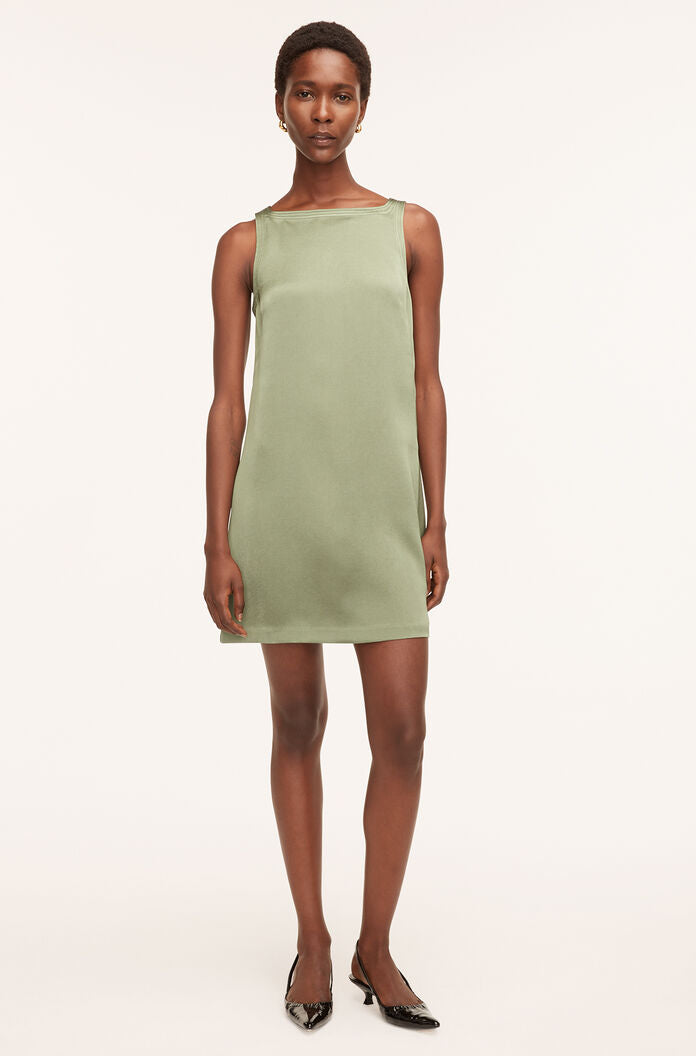
From its geometric roots in a cultural revolution to its modern-day status as a wardrobe staple, the shift dress offers a unique confluence of history, design, and practicality. It is a testament to the idea that the most enduring style is not about constant reinvention, but about intelligent adaptation. By understanding its architecture and applying the principles of seasonal alchemy—textural play in spring, minimalist breathability in summer, compositional layering in autumn, and insulated structuring in winter—you unlock a universe of style from a singular, profound source. The journey with a shift dress is never complete; it is an ongoing dialogue between the wearer, the climate, and the occasion, always ready for its next iteration.