

5 Chic Ways to Style a Revolve Dress for Every Occasion
Fashion is not merely about garments; it’s a language of self-expression, a tool for navigating social landscapes. At the heart of a versatile wardrobe lies a singular piece capable of metamorphosis: the revolve dress. This isn’t about a specific brand, but a concept—a dress that “revolves” around your life, adapting its character to the occasion. Its power lies in its design intelligence, often featuring timeless cuts, luxurious fabrics, and subtle details that serve as blank canvases for your personal style narrative. Let’s explore five distinct, chic methodologies to style this cornerstone piece, transforming it from a single item into a sartorial repertoire.
1. The Power of Foundation: Mastering Day-to-Night Transition
The quintessential test of a great revolve dress is its fluidity between daylight hours and evening allure. This transition hinges on understanding foundational styling principles. Begin with a classic silhouette—a slip dress, a tailored shirt dress, or a wrap style. These designs, as noted in analyses from the Fashion Institute of Technology’s publications, succeed because they follow the natural lines of the body, creating an elegant base. For day, lean into the language of ease. Layer a fine-gauge cashmere sweater over the shoulders, knot it loosely at the chest, or pair the dress with minimalist white sneakers and a structured tote. The aesthetic here is “polished casual,” a term often used by stylists like Allison Bornstein, who emphasizes the “third piece” rule to complete an outfit. As dusk approaches, the revolution begins. Shed the sweater, exchange the sneakers for sleek heeled sandals—perhaps a metallic strap style as frequently spotlighted on fashion authority Who What Wear. Introduce statement jewelry: a sculptural cuff or chandelier earrings that catch the light. A clutch replaces the tote. This method isn’t about changing clothes; it’s about strategic layering and accessory substitution. The dress itself, the constant, becomes a chameleon, proving its worth as the day revolves.
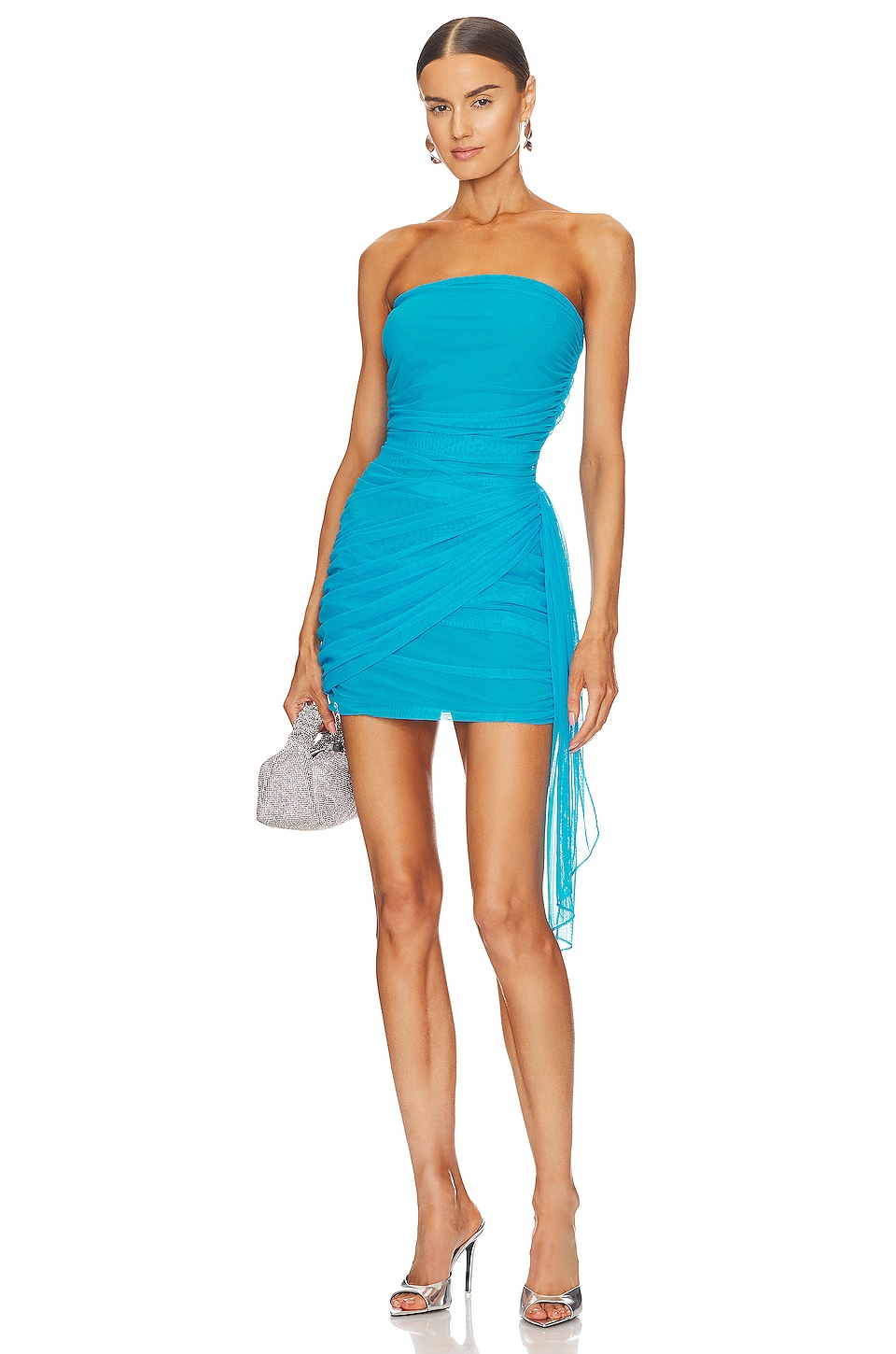
2. Architectural Layers: Building Dimension for Professional Settings
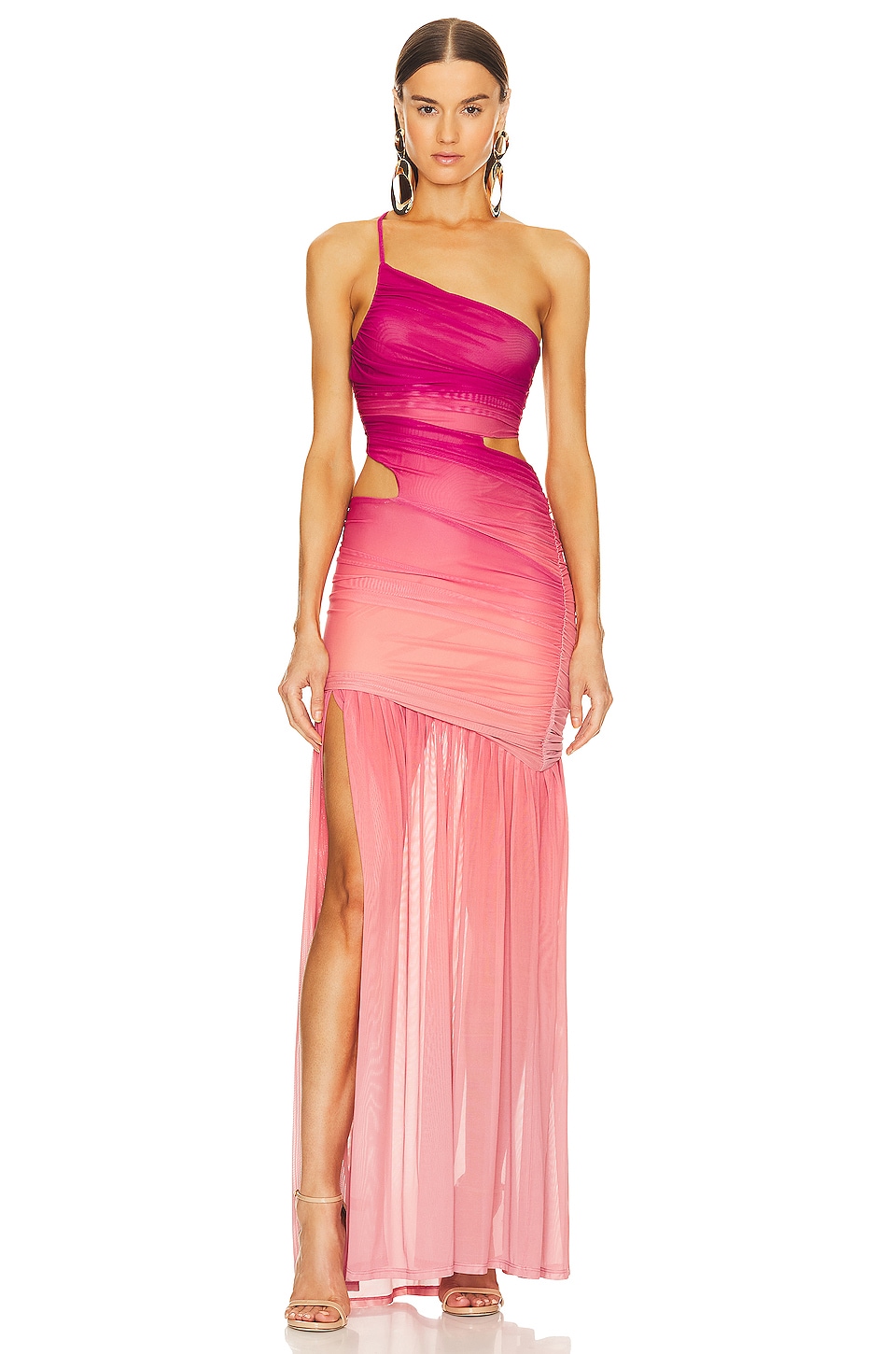
Transforming a revolve dress for a professional environment requires a shift towards architectural sophistication. The goal is to project authority and curated taste. Here, the concept of “layering” evolves from practical to conceptual. Start with a dress in a solid, neutral hue or a subtle, abstract print. The first architectural element is often a blazer. But move beyond the standard black; consider a long-line tweed jacket or a sharply tailored piece in camel wool, fabrics associated with heritage and quality. Underneath, a high-neck lace bodysuit can peek from a V-neckline, adding texture and modesty. This approach mirrors the “power dressing” philosophy revisited by designers like Victoria Beckham, who often speaks about clothing that makes one feel confident and in command. Footwear shifts to pointed-toe flats or block-heel pumps. A leather portfolio or a box-frame handbag completes the silhouette. This styling method leverages the dress as the foundational layer upon which a professional identity is built. It’s a sartorial argument for versatility, showing how a single, well-chosen dress can form the core of a capsule work wardrobe, revolving through the week with different outer layers and accents.
The Science of Silhouette and Perception
It’s worth pausing to consider why these styling techniques work on a psychological level. Research in enclothed cognition, a term coined by Hajo Adam and Adam D. Galinsky in the Journal of Experimental Social Psychology, suggests that the symbolic meaning of clothing and the physical experience of wearing it systematically influence the wearer’s psychological processes. A sharply layered outfit can literally enhance feelings of authority and focus. The revolve dress acts as a consistent variable in this experiment, while the layers and accessories become the independent variables altering the cognitive outcome. This isn’t mere opinion; it’s an intersection of fashion theory and behavioral science, giving weight to the careful consideration of how we build an outfit.
3. Textural Alchemy: Weekend and Casual Ingenuity
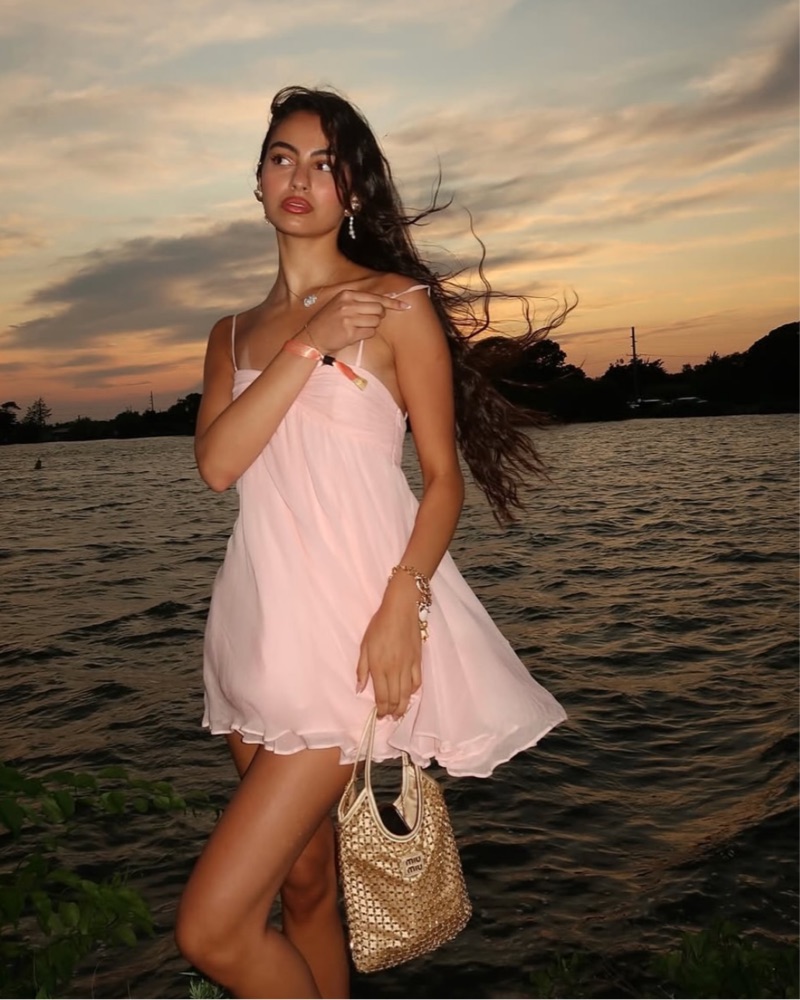
For weekends and casual engagements, chic lies in the deliberate clash and harmony of textures. This is where your revolve dress sheds any formality and embraces tactile comfort. Imagine a simple linen or cotton midi dress. The styling alchemy begins with opposing textures. Throw on an oversized, slouchy denim jacket—its rugged, durable feel contrasts beautifully with the dress’s soft flow. As fashion influencer and writer Leandra Medine (Man Repeller) often demonstrated, dissonance creates interest. Footwear becomes a playground: chunky hiking boots, weathered leather sandals, or colorful knit socks paired with loafers. Accessories should feel organic: a woven rattan bag, layered pendant necklaces with natural stones, or a wide-brimmed hat. This look taps into the “coastal grandmother” or “quiet luxury” aesthetics popularized on platforms like TikTok, which prioritize ease and inherent quality over overt branding. The dress is no longer a standalone statement but a key component in a textural ecosystem. It’s a look that says you understand comfort without sacrificing style, that your style can revolve around a feeling of relaxed authenticity.
4. Minimalist Maximization: The Statement Accessory Doctrine
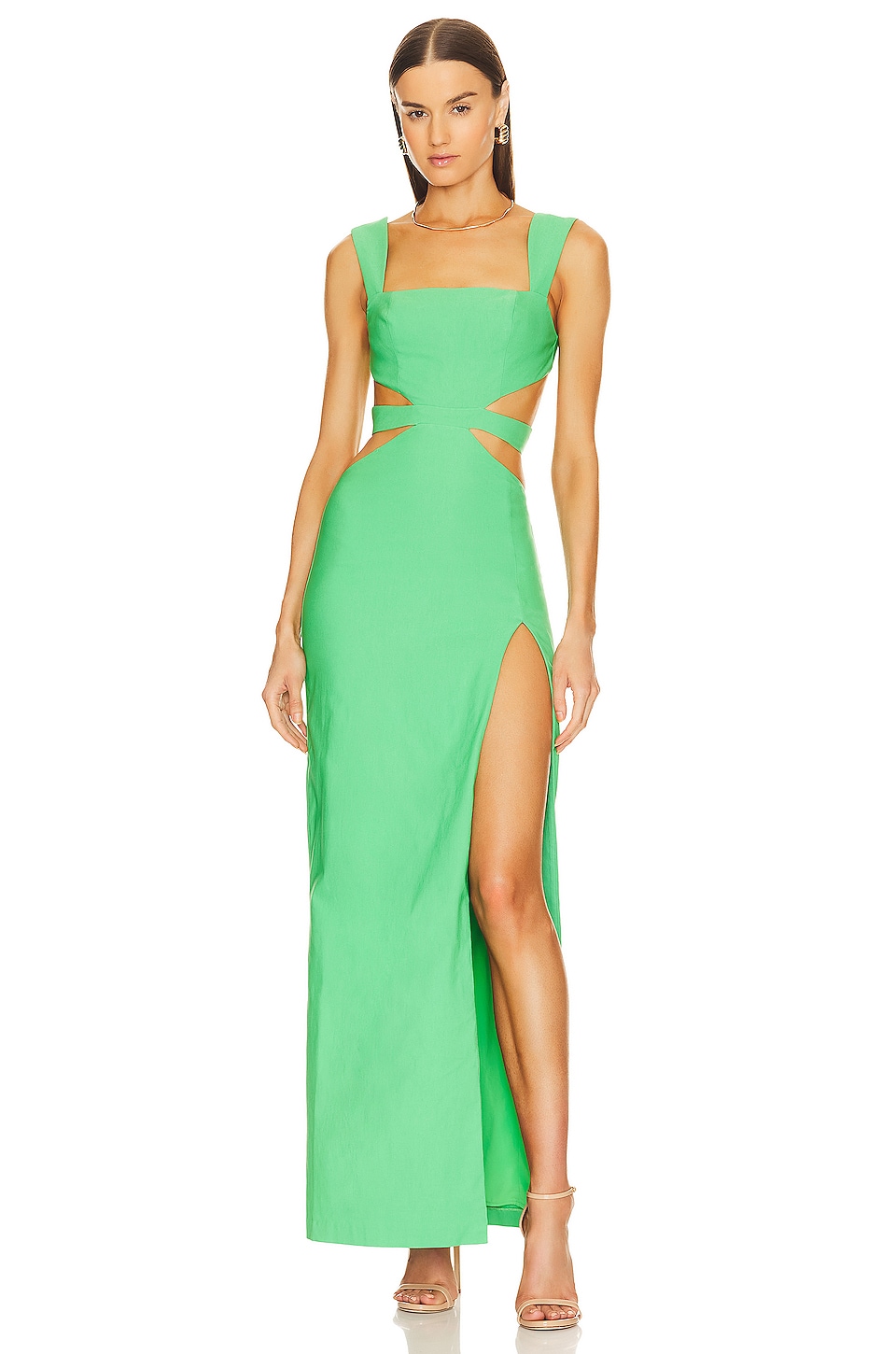
Sometimes, the most powerful statement is one of restraint. This styling method is perfect for events where you wish to appear effortlessly elegant—a gallery opening, a sophisticated dinner, a wedding rehearsal. It starts with the purest form of your revolve dress: a clean, columnar silhouette in a solid, rich color like emerald, cobalt, or black. The “maximization” comes from a single, profound accessory. This doctrine is championed by figures like Coco Chanel, who famously advised to look in the mirror and remove one piece before leaving the house. The focus is hyper-intentional. It could be a pair of art deco-inspired diamond drop earrings, a wide, sculptural belt in polished metal cinching the waist, or a single, dramatic cuff. The shoe is equally considered—a strappy sandal with an architectural heel. This approach aligns with the minimalist philosophy in design, where, as architect Ludwig Mies van der Rohe stated, “less is more.” By allowing the quality of the dress and one magnificent accessory to converse, you create a look of focused luxury. The dress serves as the perfect backdrop, its value revolving around its ability to elevate rather than compete.
Investment Dressing and Perceived Value
This leads us to the professional knowledge of investment dressing. A true revolve dress is an investment piece. According to cost-per-wear analysis, a staple dress worn 30 times a year over several years has a far lower cost-per-wear than a trendy top worn twice. Brands like Revolve, for instance, often offer designer dresses that blend contemporary trends with timeless elements, making them perfect candidates for this role. Look for dresses in fabrics like silk crepe, double-knit wool, or high-quality viscose that will drape beautifully and withstand seasons. The initial outlay is higher, but the sartorial return—and the discounted price per use—is unparalleled.
5. Pattern Play and Bold Color Psychology
Finally, for moments that demand joy and unabashed confidence, we engage in pattern play and harness color psychology. This is where your revolve dress might feature a bold floral, a graphic geometric, or a vibrant solid. The styling key is intentional coordination, not matchy-matchy uniformity. Draw one secondary color from the dress’s pattern for your shoes. Choose accessories in a complementary or analogous color scheme, concepts rooted in the traditional color wheel theory used by artists and designers. Wearing red, for instance, has been linked in various studies, including those cited by Andrew Elliot in Color Psychology, to perceptions of dominance and attraction. A yellow dress can project optimism. This method is theatrical and personal, often seen on red carpets where celebrities use a bold dress as their style anchor. You become the curator of your own visual impact. The dress isn’t just an item; it’s the source code for your entire color and mood palette, proving its central role as your style planet around which all else revolves.
These five methodologies are not rigid rules but frameworks for creative expression. They demonstrate that a single, well-considered dress is not a limitation but a liberation. It saves you time, money, and mental energy, allowing you to navigate any occasion with chic assurance. By mastering transition, architecture, texture, minimalism, and color, you unlock a universe of style from one pivotal piece. Your wardrobe, and your confidence, will thank you for the revolution.