

How to Style Sexy Cocktail Dresses for a Night Out
Stepping into the night, the right sexy cocktail dress is more than fabric; it’s a declaration of confidence, a carefully curated armor for social engagement. It balances allure with sophistication, making a statement without uttering a word. This guide moves beyond subjective style tips, grounding the art of styling in principles of color theory, design psychology, and social semiotics. We’ll dissect how to select, accessorize, and carry a cocktail dress, transforming you from someone wearing a dress into the person who owns the room.
The Foundation: Decoding the “Sexy Cocktail Dress”
Before styling, we must define the subject. A cocktail dress, by sartorial convention, is a semi-formal evening dress, typically falling at or just above the knee. The adjective “sexy,” however, introduces a complex dimension rooted in perception and context. From a design perspective, sexiness in attire is often linked to the strategic revelation and concealment of the body, a concept explored in fashion theory. It can manifest through silhouette—like the body-hugging sheath or the waist-cinching fit-and-flare—through fabric choices such as luxurious satin or delicate lace, or through details like a plunging neckline or a daring slit. The goal is not mere exposure, but the creation of intrigue and emphasis on personal assets. As fashion historian Valerie Steele notes in her work on the cultural history of fashion, what is considered “sexy” is fluid and changes across eras and cultures, but the power of clothing to influence perception remains constant. Thus, your sexy cocktail dress is a tool for non-verbal communication, and its styling amplifies that message.
1. The Alchemy of Silhouette and Body Harmony
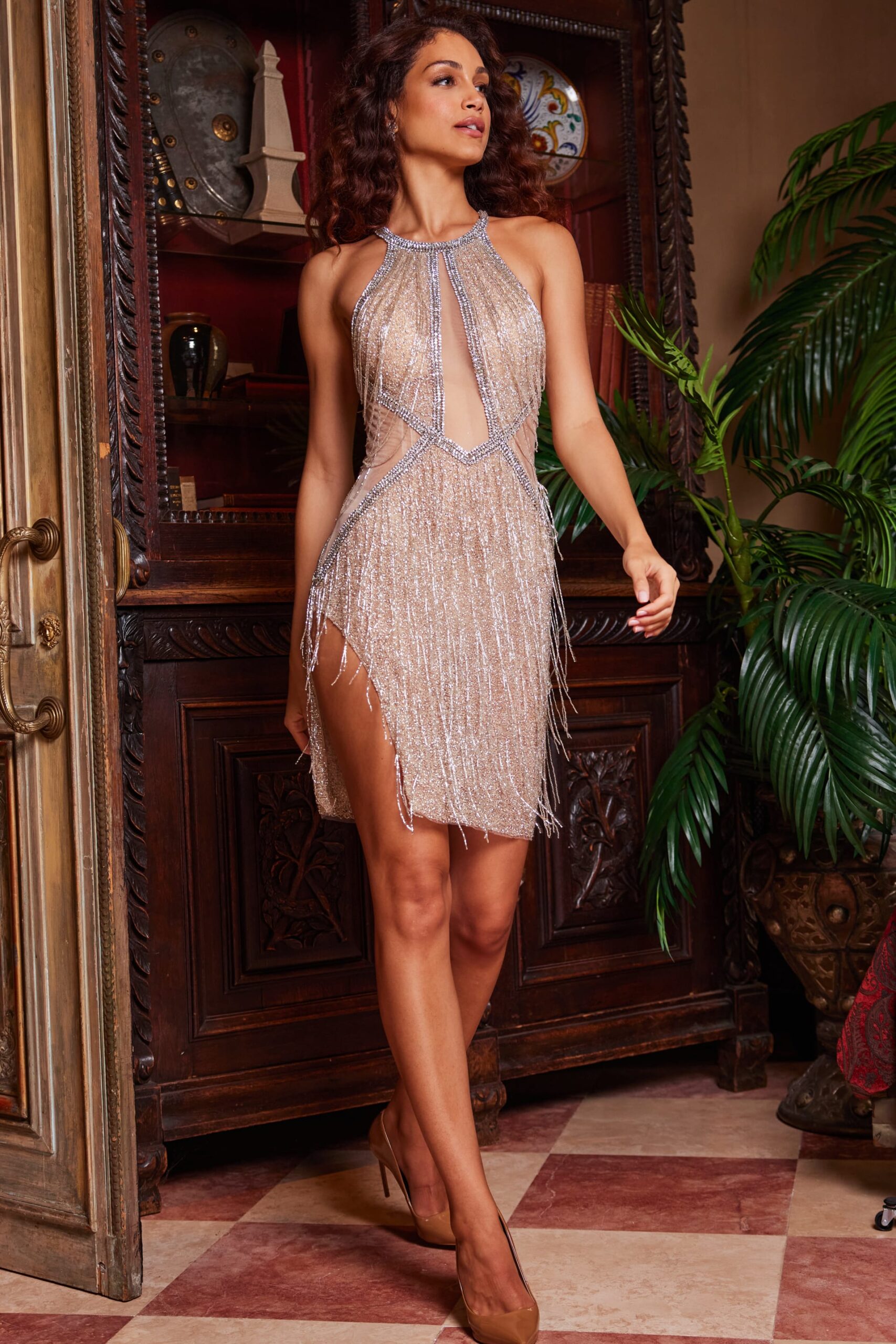
The single most critical factor in styling a successful look is matching the dress’s silhouette to your unique body architecture. This is not about adhering to arbitrary “body type” rules, but about understanding lines, balance, and visual weight—core principles of design. A sheath dress, with its clean, vertical lines, creates an elongated, streamlined effect, ideal for highlighting a tall or rectangular frame. The fit-and-flare or A-line dress, a classic born in the post-war Dior era, uses structure to define the waist and create volume below, offering a balanced, feminine silhouette that can beautifully complement an hourglass or pear-shaped figure. A mermaid or trumpet style emphasizes curves dramatically, celebrating a defined waist and hips. The scientific principle at play is the eye’s natural movement across a garment; a well-chosen silhouette guides that movement in a flattering way, creating a harmonious whole. When you try on a sexy cocktail dress, ask not just “Is it pretty?” but “Does this silhouette create a line I want to project?” Does it balance my proportions? The right answer feels like an extension of yourself.
2. Color Psychology and Fabric Semantics
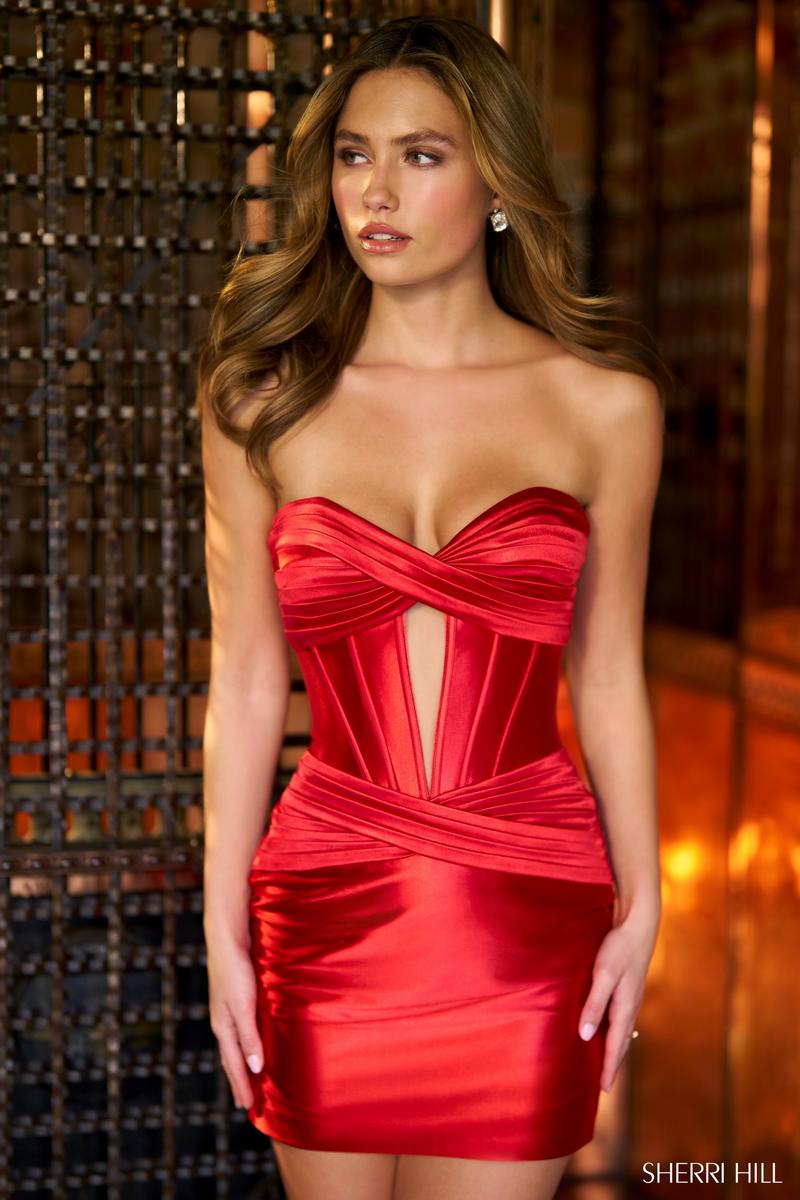
Color is your silent yet powerful ally. Its impact is rooted in color psychology, a field studied in both art and marketing. A classic little black dress (LBD), as famously championed by Coco Chanel and later Audrey Hepburn in Breakfast at Tiffany’s, communicates timeless sophistication, authority, and slimming elegance. Red, extensively researched for its physiological and psychological effects, is linked to confidence, energy, and attraction—making a red sexy cocktail dress a bold, statement-making choice. Metallics like gold and silver convey luxury and modernity, while deep jewel tones (emerald, sapphire) suggest richness and depth. The fabric further narrates the story. The liquid drape of silk charmeuse whispers luxury and sensuality. Structured lace offers texture and a play of opacity, hinting at mystery. Crisp taffeta or organza communicates youthfulness and volume. Your choice of color and fabric sets the foundational tone for your night out, signaling your mood and intent before you engage in conversation.
3. The Precision of Accessory Curation
Accessories are the punctuation marks of your outfit; they can elevate a statement or create a confusing run-on sentence. The key is curation, not accumulation. Follow the principle of focal point: let one element lead. If your dress has intricate beading or a dramatic neckline, opt for minimalist stud earrings and a delicate bracelet. A simple sheath becomes a canvas for a bold, sculptural necklace or statement chandelier earrings. Footwear must bridge style and pragmatism; a sleek stiletto elongates the leg line, while a sophisticated block heel or embellished flat offers endurance for a night of mingling. The clutch is non-negotiable—it holds essentials without disrupting the dress’s lines. Consider texture contrast: a metallic clutch against matte fabric, or a velvet pouch against satin. As style icon Iris Apfel has famously opined, “More is more and less is a bore,” but this requires a keen editorial eye. The goal is a cohesive composition where every piece, from earrings to shoes, serves the central narrative of your sexy cocktail dress.
Expert Insight: The Role of Undergarments
No discussion of styling is complete without addressing the architecture beneath: undergarments. This is the non-negotiable foundation. Ill-fitting undergarments can create visible lines, disrupt the dress’s drape, and undermine confidence. For sleek silhouettes, seamless, nude-toned shapewear or a well-fitted slip can create a flawless canvas. For low-back or plunging styles, specialized adhesive bras or convertible options are essential investments. The science here is simple: proper support and smooth layering allow the dress to perform as designed. It’s the invisible craftsmanship that makes the visible artistry possible.

4. The Intangible Element: Posture and Demeanor
The most exquisitely styled dress is merely a costume without the right demeanor. This is where styling becomes performance. Good posture—shoulders back, spine aligned—does more than improve your silhouette; it projects confidence and openness, principles backed by nonverbal communication research like that of social psychologist Amy Cuddy. Your walk, your smile, the way you hold your clutch, all contribute to the overall impression. The dress should empower you to move with assurance. Practice moving in it at home—sit, walk, dance. Comfort breeds confidence. Remember, you are not wearing the dress; you are collaborating with it. The final, crucial layer of styling is your own self-assured presence.
Smart Styling: Integrating Value and Knowledge
True style intelligence marries aesthetics with acumen. Building a versatile cocktail wardrobe doesn’t require limitless funds. Invest in one or two timeless, high-quality pieces—perhaps a perfect black sheath and a vibrant statement dress—that can be re-styled repeatedly with different accessories. For trend-driven pieces or more frequent wear, explore reputable contemporary brands or curated online retailers during seasonal sales. Websites like Shopbop, Revolve, or even carefully vetted selections on Amazon Fashion often offer significant discounts on designer and contemporary labels. The professional knowledge here is in fabric care: learning to properly steam, store, and clean your dresses preserves their beauty and extends their lifespan, ensuring your investment continues to pay dividends in compliments and confidence for seasons to come.
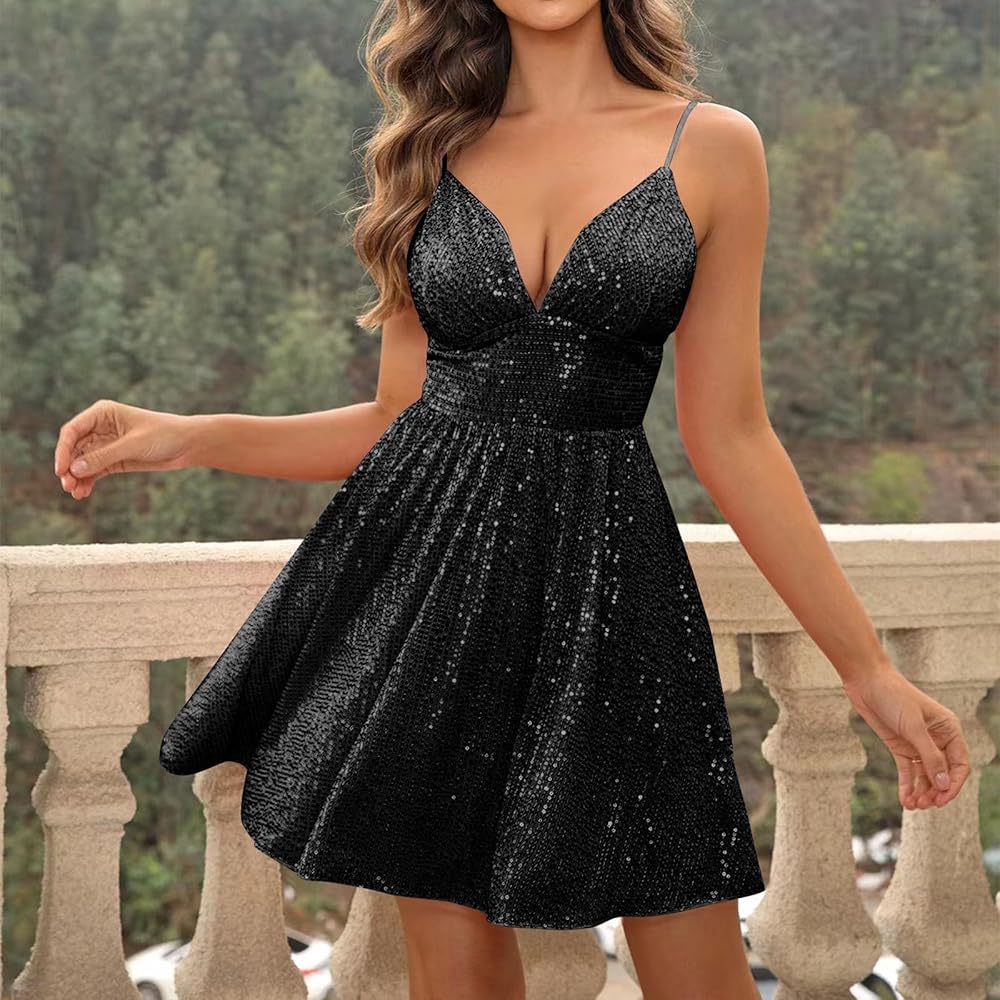
Ultimately, styling the perfect sexy cocktail dress for a night out is a personal alchemy. It blends an understanding of objective design principles with the subjective expression of your individuality. It begins with a dress that harmonizes with your form, is elevated through thoughtful accessory curation, and is ultimately brought to life by your unwavering confidence. Armed with these principles—from color psychology to smart shopping—you can approach every evening invitation not with anxiety, but with the excitement of an artist preparing their masterpiece, ready to craft an unforgettable impression.