

How to Style Sexy Cocktail Dresses for Effortless Evening Glamour
Evening glamour isn’t about trying too hard; it’s about a confident, curated allure that seems to come naturally. At the heart of this aesthetic lies the sexy cocktail dress, a garment that has evolved from a simple post-prohibition party frock into a symbol of sophisticated power dressing for after-dark affairs. The true art isn’t just in selecting the dress itself, but in orchestrating every element around it—from foundational undergarments to the final spritz of fragrance—to create a cohesive, breathtaking whole. This guide moves beyond subjective opinion, weaving together design principles, historical context, and insights from style authorities to demystify the process. We’ll equip you with the knowledge to not only wear a sexy cocktail dress but to truly embody its glamorous potential, ensuring you command the room with an effortlessness that is both studied and sublime.
The Foundation: Understanding the Cocktail Dress Silhouette
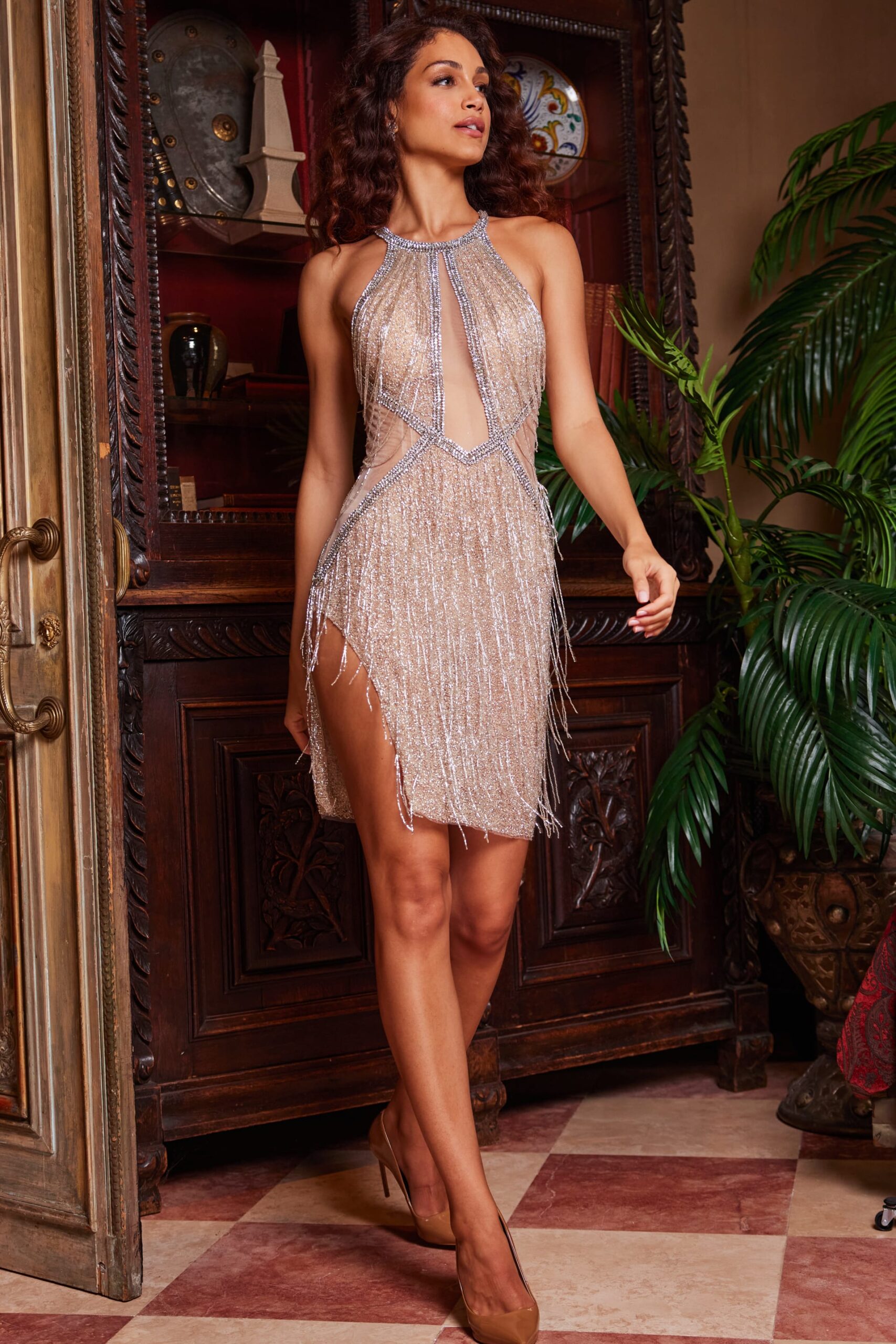
Before accessorizing, one must understand the canvas. The term “cocktail dress” itself is historically rooted, popularized after World War II as a shorter, less formal alternative to evening gowns for semi-formal gatherings where cocktails were served. Christian Dior’s post-war “New Look,” with its cinched waists and full skirts, heavily influenced early cocktail attire. Today, a sexy cocktail dress is defined by its ability to balance sophistication with a hint of allure, typically falling above the knee or at midi length. Key silhouettes include the sheath, which follows the body’s lines for a sleek, modern effect; the fit-and-flare, which emphasizes the waist before flaring out, offering a playful yet classic shape; and the slip dress, a minimalist style that relies on drape and fabric to create sensuous movement. Each silhouette communicates a different dialect of glamour. A structured sheath conveys power and precision, a notion echoed by fashion historian Valerie Steele in her writings for the Fashion Institute of Technology, who notes that tailored, body-conscious clothing has long been associated with female agency in professional and social spheres. The fit-and-flare, meanwhile, channels a more romantic, mid-century glamour, while the slip dress offers a whisper of 90s insouciance, a style perpetually revived on runways from Prada to Sleeper. Choosing your silhouette is the first critical step—it sets the narrative for your entire ensemble.
Architecting the Look: Strategic Accessorizing
Jewelry: The Principle of Focus
Accessorizing a sexy cocktail dress is an exercise in strategic emphasis, not accumulation. The goal is to create focal points that guide the eye. A fundamental principle from visual design, often cited in resources like the Nielsen Norman Group’s usability studies, is that humans scan complex visuals by seeking points of contrast and interest. Apply this to your outfit. If your dress features intricate beading, a dramatic neckline, or a bold open back, let that be the star. Opt for minimalist jewelry—simple stud earrings or a delicate bracelet. Conversely, a simple, solid-color slip dress becomes a perfect backdrop for statement pieces. Here, you might employ the “one statement piece” rule advocated by stylists like Rachel Zoe, who famously said on her platform,
“Style is a way to say who you are without having to speak. Often, one incredible necklace or a pair of chandelier earrings can tell that story for you.”
A chunky cuff bracelet or a layered necklace set can add the necessary visual weight. The material matters, too. Metallics should complement your dress’s undertones: gold for warm hues like champagne, burgundy, or olive; silver or platinum for cool tones like cobalt, emerald, or silver itself.
Shoes and Bags: The Pillars of Proportion and Polish
Footwear and handbags are not afterthoughts; they are structural elements that define your posture and silhouette. A classic pump with a sleek heel elongates the leg line, creating a continuous, streamlined form with a sheath or slip dress. This aligns with the aesthetic concept of the “line of beauty,” an S-curve associated with grace and movement, discussed in art historical contexts from Hogarth to modern fashion critique. Ankle-strap heels, while equally glamorous, visually cut the ankle, which can be a stunning detail but requires consideration of dress length. For shorter hemlines, they can work beautifully; for longer midi dresses, a pump might offer a cleaner line. Your clutch is your functional sculpture. It should be large enough to hold essentials but not so large it overwhelms your frame or the dress’s delicacy. A metallic, beaded, or textured clutch adds a layer of tactile interest. The finish should be impeccable—scuffed shoes or a worn bag clasp can undermine the entire ensemble’s illusion of effortlessness. This attention to detail is what separates a styled look from a merely worn one.
The Invisible Essentials: Foundation Garments and Grooming
Effortless glamour is built on invisible foundations. The right undergarments are non-negotiable; they should sculpt and smooth without creating visible lines or discomfort, effectively becoming a second skin that perfects the dress’s fit. Seamless thongs or boyshorts, adhesive bras, or tailored shapewear are investments that pay dividends in confidence. This isn’t about conforming to an unrealistic ideal, but about creating a flawless canvas, much like a painter primes a canvas before applying pigment. Grooming extends this philosophy to hair, skin, and nails. Well-moisturized skin, whether revealed by a backless dress or a high slit, appears luminous. A manicure in a neutral or classic red polish (a color psychoanalyst and cultural critic Dr. Max Lüscher associated with energy and extroversion) finishes the hands. Hair should complement the dress’s neckline: an updo or sleek bob showcases dramatic earrings and a bare neck, while loose waves might pair better with a strapless or sweetheart neckline. The aim is a holistic polish where every element, seen and unseen, is considered.
The Psychology of Color and Fabric in Evening Attire
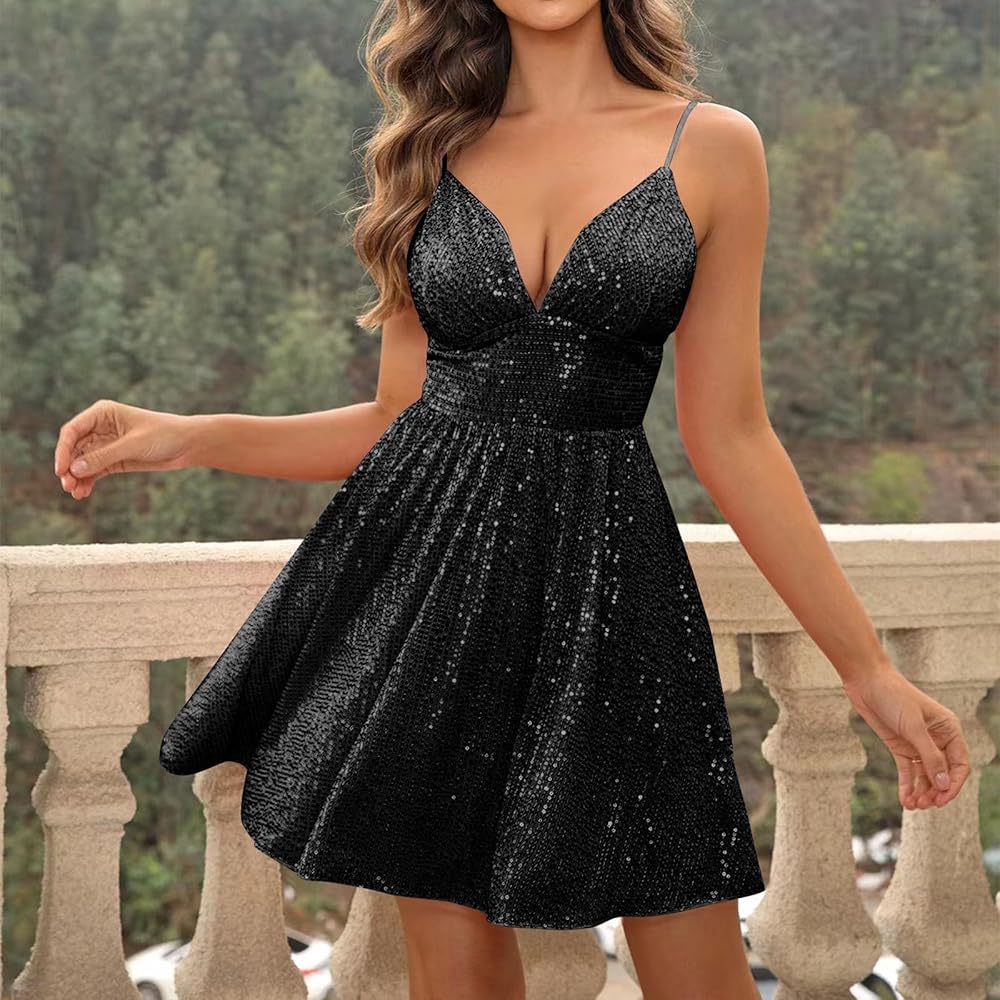
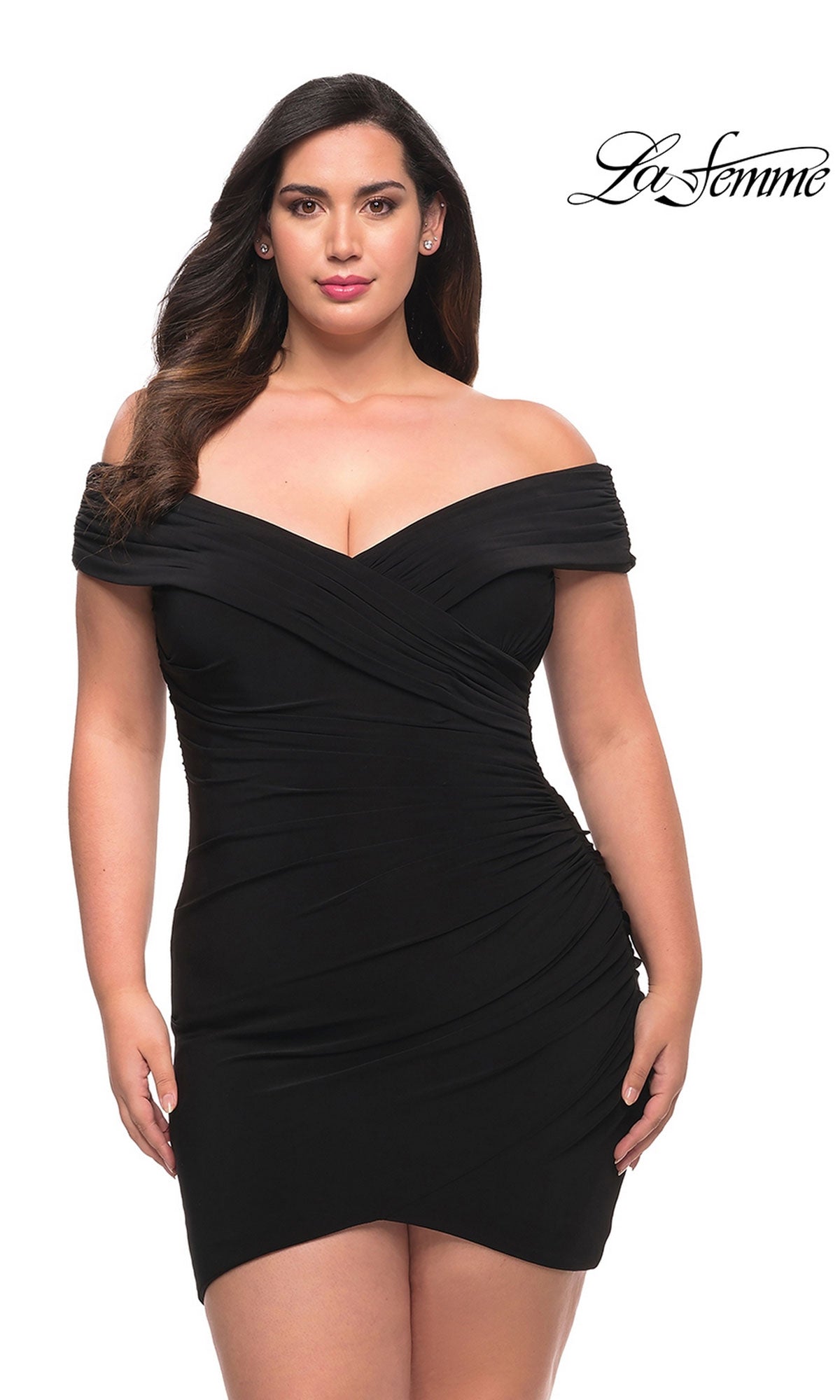
Color is your silent communicator. The psychology of color, as explored in marketing texts and resources like Baidu Baike, suggests different hues evoke distinct emotional and perceptual responses. A little black dress (LBD) remains the quintessential sexy cocktail dress precisely because black is perceived as authoritative, sophisticated, and slimming—a powerful combination for evening. Red, often linked to passion and confidence, makes an undeniable statement. Jewel tones—sapphire blue, emerald green, amethyst purple—convey luxury and depth, borrowing their prestige from the gems they mimic. Fabric choice interacts profoundly with color and cut. A fluid silk charmeuse or satin reflects light softly, creating a sensual, liquid effect. Structured lace offers texture and a play of opacity and transparency, a timeless technique for allure. Sequins and beading capture and refract light, literally making the wearer a center of luminosity. As Coco Chanel purportedly advised, “Dress shabbily and they remember the dress; dress impeccably and they remember the woman.” The right color and fabric in a sexy cocktail dress ensures the woman is remembered, not just the garment.

Modern Context: Adapting Glamour to Different Venues
The setting dictates subtle modifications to the glamour formula. A rooftop bar cocktail party calls for different considerations than a gala at an art museum. For a trendy, less formal venue, you might pair a sleek slip dress with minimalist sandals and a leather jacket, borrowing from the “high-low” mixing principle seen on fashion platforms like Vogue Runway. This juxtaposition of formal and casual elements feels modern and relatable. For a traditional black-tie optional event, opt for richer fabrics, more formal jewelry, and a classic pump. The key is research and context. A viewpoint frequently shared on platforms like Quora by event planners emphasizes that understanding the venue’s ambiance is as important as knowing the dress code. Your outfit should converse with its surroundings, not clash with them. This adaptive approach ensures your glamour feels appropriate and intentional, never costumed.
Curating Your Wardrobe: Investment vs. Accessibility
Building a repertoire of stunning evening wear need not bankrupt you. The savvy approach involves a core investment piece—perhaps a perfectly tailored black sheath dress from a brand known for quality construction—complemented by more accessible, trend-driven pieces. Sales, sample sites, and rental services like Rent the Runway (which democratized designer fashion, a shift noted in Harvard Business School case studies) are invaluable tools. Look for well-constructed pieces in natural fibers or high-quality blends; check seams, zippers, and linings. A discounted price on a well-made garment is a triumph; a low price on a poorly made one is a waste. Remember, effortless glamour stems from confidence, and confidence often comes from wearing something that feels substantial and well-crafted, regardless of its original price tag. This curated approach brings professional-level style knowledge to your closet, maximizing impact per dollar spent.
The journey to effortless evening glamour is a masterclass in intentionality. It begins with selecting a sexy cocktail dress whose silhouette speaks to your personal narrative, then building upon that foundation with accessories that create focus, not clutter. It demands attention to the invisible details of undergarments and grooming, and a strategic understanding of how color and fabric communicate before you utter a word. By adapting this knowledge to context and curating your wardrobe with intelligence, you transform getting dressed from a routine into an art form. The result is a presence that is captivating precisely because it appears so naturally, so inherently yours—a true embodiment of glamour that feels not labored over, but simply, powerfully, expressed.