

How to Style Sexy Cocktail Dresses for Effortless Evening Glamour
Evening glamour isn’t about trying too hard; it’s about the artful curation of confidence, silhouette, and detail. At the heart of this art lies the sexy cocktail dress—a garment that transcends mere clothing to become a statement of personal power and sophisticated allure. This guide moves beyond subjective style tips, grounding its advice in design principles, historical context, and psychological impact to help you master the effortless glamour that seems innate. We’ll dissect the elements that transform a dress from simply pretty to powerfully captivating, providing you with the knowledge to command any evening with confidence and ease.
The Anatomy of Effortless Glamour: Beyond the Obvious Silhouette
Effortless glamour is a studied nonchalance, a look that appears perfectly conceived without visible strain. Its foundation in fashion is often attributed to the concept of “sprezzatura,” an Italian term meaning a studied carelessness. As defined in cultural critiques, it’s the ability to make difficult tasks appear easy. Applying this to a sexy cocktail dress means understanding that the impact comes from a harmony of elements, not just a tight fit or a low neckline. The scientific principle of the “golden ratio” or divine proportion (approximately 1:1.618), often observed in nature and classical art, is unconsciously perceived as beautiful. A well-designed cocktail dress often employs this principle in its seam placement, waist definition, and skirt flare to create a visually pleasing silhouette that feels inherently “right.” For instance, a fit-and-flare dress uses the waist as the central point, with the skirt’s volume creating a proportional balance to the fitted bodice. This isn’t accidental; it’s rooted in millennia of aesthetic theory. Furthermore, color psychology plays a crucial role. While classic black, as famously championed by Coco Chanel who called it “the color that simplifies everything,” offers timeless sophistication and a slimming effect, colors like deep emerald or burgundy can convey luxury and depth, as noted in Pantone’s annual color reports which link such hues to qualities of resilience and vitality. The glamour is effortless because the dress itself is engineered—through cut, proportion, and color—to flatter and empower, requiring you only to step into its carefully constructed confidence.
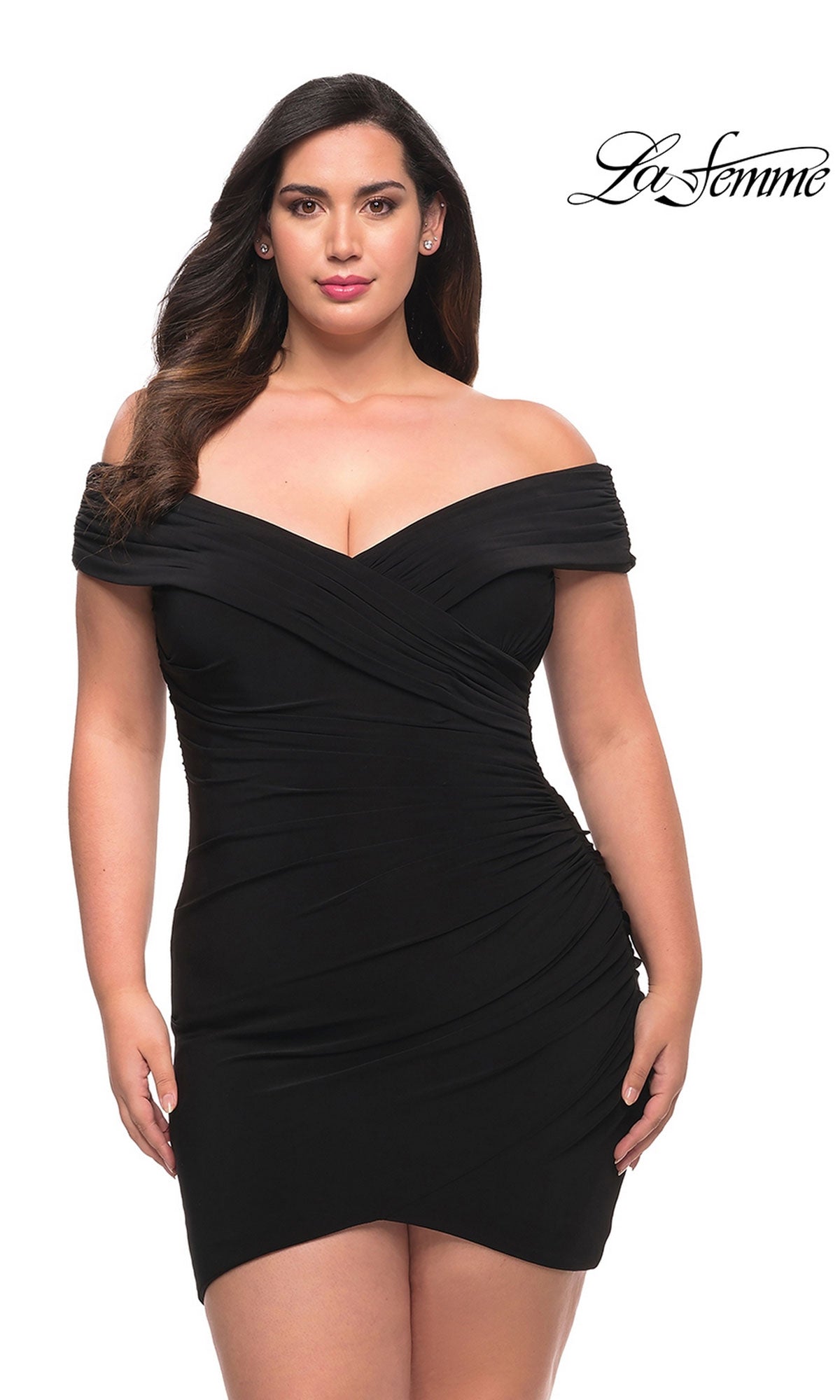
Strategic Reveal: The Power of Suggestion Over Statement
True sexiness in evening wear is often about what is suggested rather than what is shown—a concept explored in everything from classic Hollywood cinema to modern design philosophy. Consider the iconic “little black dress” worn by Audrey Hepburn in Breakfast at Tiffany’s, designed by Hubert de Givenchy. Its glamour stemmed from its elegant simplicity and the way it framed the wearer, not from overt exposure. This aligns with the aesthetic theory of “less is more,” a principle associated with architect Ludwig Mies van der Rohe, which values clarity and purpose over ornamentation. When styling your sexy cocktail dress, apply this by choosing one focal point. If your dress features a daring open back, as seen in many designs from brands like Reformation which often highlight a single dramatic feature, keep the neckline modest. If the skirt has a high slit, opt for a more covered bodice. This controlled focus creates intrigue and sophistication. As fashion historian Valerie Steele notes in her work on fashion and eroticism, “The most erotic zone is the one covered by clothing,” because it engages the imagination. This principle is why a dress with sheer lace sleeves or a keyhole cutout can be far more captivating than one that simply reveals more skin. It creates a narrative. Your styling choices should support this narrative: delicate jewelry that catches the light without overwhelming, a clutch that complements rather than competes. The goal is to craft a cohesive story where the dress is the protagonist, and every accessory is a supporting character that enhances the plot without giving away the entire ending.

The Alchemy of Fabric and Movement: Where Science Meets Sensation
The material of your dress is not just a passive canvas; it’s an active participant in creating glamour. The drape, weight, and interaction with light are governed by textile science. A silk charmeuse or satin, for example, has a high light reflectance due to its smooth filament fibers and specific weave structure. This creates a luminous, liquid effect that moves with the body, a quality celebrated by designers like Diane von Fürstenberg, whose wrap dresses emphasized fluidity and ease. In contrast, a structured jacquard or a dense velvet absorbs light, offering a rich, tactile depth and a more sculptural silhouette, reminiscent of the opulent gowns in period dramas like Marie Antoinette. The choice of fabric directly impacts the “effortless” quality. A bias-cut dress, a technique where fabric is cut at a 45-degree angle to its warp and weft, clings and flows over the curves in a uniquely forgiving way, a method mastered by Madeleine Vionnet in the 1930s. This cut respects the body’s geometry rather than forcing it into a rigid shape. When you move, the right fabric moves with you, creating a dynamic visual effect that is inherently glamorous. It speaks of quality and consideration. Furthermore, the tactile experience—how the fabric feels against your skin—contributes to your confidence and poise. As noted in psychological studies on enclothed cognition, the symbolic meaning and physical experience of clothing can systematically influence the wearer’s psychological processes. A luxurious fabric doesn’t just look good; it makes you feel powerful and polished, which is the ultimate source of effortless glamour.
The Architect of Atmosphere: Accessories as Precision Tools
Accessories are the architectural details that complete the structure of your look. The wrong ones can clutter and collapse the effect; the right ones elevate it to masterpiece status. This is where minimalist philosophy, as applied to design, becomes crucial. Consider the words of industrial designer Dieter Rams: “Good design is as little design as possible.” This doesn’t mean bare, but rather that every element must serve a clear purpose. A single, statement earring that draws attention to your neckline and jawline can be more impactful than a full set of jewelry. The choice of shoe is not merely practical; it alters your posture and silhouette. A sleek stiletto, from a biomechanical perspective, extends the leg line, tilts the pelvis, and creates a posture associated with confidence and alertness. However, for a truly modern take on effortless glamour, consider a sophisticated flat or a block heel—options championed by fashion icons like Emmanuelle Alt, editor-in-chief of Vogue Paris, who prioritizes wearable chic. Your bag should be an edit, not an afterthought. A small, structured clutch holds only essentials, forcing a curation that mirrors the curated look itself. Even your fragrance is an accessory; olfactory scientists note that scent is directly linked to the limbic system, the brain’s center for emotion and memory. A chosen scent becomes an invisible, yet powerful, part of your evening aura. Each accessory should be chosen with the same intentionality as the sexy cocktail dress itself, acting as a precision tool to refine and define the overall impression you wish to create.

From Runway to Reality: Integrating Professional Insight and Value
Understanding high-fashion concepts is one thing; implementing them within a real-world budget is where true style intelligence shines. The democratization of fashion, accelerated by digital media, means the secrets of styling a sexy cocktail dress are no longer confined to ateliers. YouTube stylists like Alexa Chung dissect trends with a practical eye, while platforms like The RealReal or Vestiaire Collective make authenticated designer pieces accessible, applying the economic principle of circular fashion to luxury. The key is to invest in the foundational piece—the dress itself—where cut and fabric quality matter most. Then, leverage high-street brands or rental services for trend-driven accessories. For instance, a classic, well-tailored black cocktail dress from a brand like Aritzia or & Other Stories can form a timeless capsule piece. You can then emulate the styling techniques seen on red carpets, such as the “waist-cinching” often used by stylist Law Roach for Zendaya, by adding a distinctive belt. Remember, glamour is not synonymous with expense. It is synonymous with discernment. Look for dresses with finishing details: fully lined interiors, secure closures, and neat seam allowances. These are the hallmarks of a garment built to last and to make you feel secure. When you find a quality piece on sale, you’re not just getting a discount; you’re acquiring a strategic asset for your wardrobe. This approach brings professional-grade knowledge—understanding value per wear, material integrity, and timeless design—directly to you, ensuring your evening glamour is both breathtaking and brilliantly sensible.

The Final Touch: The Psychology of Poise and Presence
The most perfectly styled sexy cocktail dress is merely a costume without the conviction of the wearer. Effortless glamour is completed, and ultimately defined, by your demeanor. This is where social psychology and performance theory intersect. Posture is the first language of confidence. Studies in non-verbal communication, such as those summarized by Harvard Business School professor Amy Cuddy in her work on “power posing,” suggest that open, expansive postures can actually influence hormone levels and increase feelings of confidence. Standing tall, with shoulders back, allows the dress to hang as intended and communicates self-assurance. Your movement should be deliberate and calm—a concept in theater known as “economy of movement,” where every gesture has purpose, avoiding fidgeting that can betray nervousness. Make eye contact; it creates connection and projects authenticity. Remember, glamour has always been linked to a sense of mystery and self-containment. As film critic David Thomson wrote of Grace Kelly, her power was in “a reserve that seemed to promise untold depths.” Your dress opens the door, but your poise invites others in. This internal state transforms the external shell. When you feel empowered and at ease in your clothing, that energy radiates outward, creating a magnetic presence that is the very essence of evening glamour. It signals that you are not wearing the dress; the dress is an expression of you.
Mastering evening glamour through a sexy cocktail dress is therefore a multidimensional endeavor. It is part art history, part textile science, part economic strategy, and part personal psychology. It begins with selecting a garment whose design honors aesthetic principles, continues through the strategic editing of accessories, and culminates in the cultivated confidence of your own presence. When these elements align, the result is not just a beautiful outfit, but a powerful, effortless command of the evening—a glamour that feels as natural as it is unforgettable.