

How to Style Sexy Cocktail Dresses for Effortless Glamour
The allure of a cocktail event lies in its promise of sophistication, social sparkle, and a touch of daring. At the heart of this experience is the sexy cocktail dress—a garment that transcends mere clothing to become a tool for personal expression and confident glamour. Achieving that coveted “effortless” look, however, is a deliberate art. It’s not about following rigid rules, but about understanding the harmonious interplay between silhouette, fabric, detail, and your unique persona. This guide moves beyond subjective style tips, anchoring its advice in design principles, historical context, and the psychology of attire to empower you to command the room with grace and intention.
The Foundation: Understanding the “Sexy Cocktail Dress” Silhouette
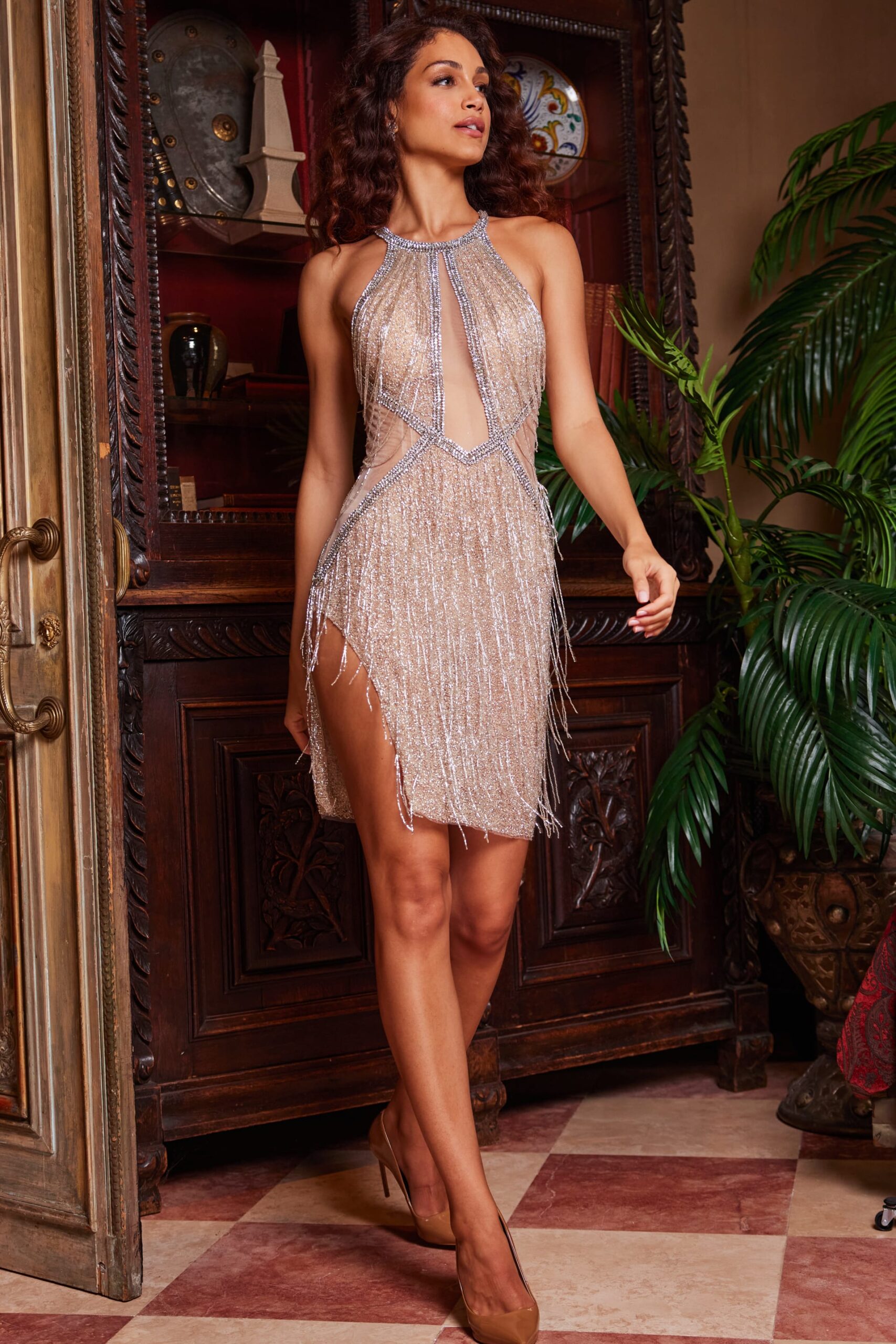
Before accessorizing, we must deconstruct the canvas. The term “sexy cocktail dress” is not monolithic; it encompasses a range of silhouettes each communicating a different dialect of allure. Scientifically, the appeal of certain silhouettes can be linked to principles of visual perception and cultural semiotics. The bodycon dress, for instance, emphasizes curves through tension and stretch, a style popularized in the late 20th century that aligns with what fashion historian Valerie Steele notes as a shift towards celebrating a fit, active physique. Conversely, the fit-and-flare or A-line dress, with its cinched waist and flowing skirt, creates an hourglass illusion rooted in centuries of fashion history, from Christian Dior’s “New Look” to modern interpretations. This silhouette often references ideals of balanced proportion, which studies in aesthetic psychology suggest are universally appealing. The slip dress, with its bias cuts and delicate straps, offers a different kind of sensuality—one of ease and suggestion rather than overt display. Its resurgence in the 1990s, as documented in publications like Vogue, tied it to a minimalist, “undone” chic that remains powerful today. Choosing your silhouette is the first strategic decision: are you articulating confidence through structure, romance through movement, or intrigue through simplicity? Your foundational choice sets the stage for all styling to come.
Fabric as the Language of Sensation
If silhouette is the grammar, fabric is the vocabulary of your dress. The material dictates not only how the dress moves on your body but also how it interacts with light, creating a dynamic visual effect. Objectively, fabrics have intrinsic properties. Satin, with its glossy surface, reflects light along the curves of the body, creating a luminous, liquid effect. This quality has made it a perennial favorite for eveningwear, symbolizing luxury since its association with royalty in the Middle Ages, as noted in textile archives from institutions like the Fashion Institute of Technology. Crepe, with its matte, pebbled texture, offers a more subdued, sophisticated allure, draping beautifully to conceal and reveal in a more subtle manner. Lace, particularly Chantilly or Guipure, introduces a narrative of craftsmanship and delicate contrast between opacity and transparency—a duality that fashion critic Sarah Mower has described as “the ultimate in feminine coding.” Jersey knit, while often casual, in a tailored cocktail dress hugs the body and allows for unparalleled ease of movement, promoting a sense of relaxed confidence. The scientific principle here is tactile-kinesthetic communication; the fabric suggests how you might feel to the touch and how freely you can move, adding layers of non-verbal communication to your presence. A sexy cocktail dress in heavy brocade commands with regal authority, while the same silhouette in feather-light chiffon whispers with ethereal grace.
The Alchemy of Accessories: Curated, Not Crowded
Effortless glamour is often defined by what is omitted as much as by what is included. The philosophy of accessorizing a standout sexy cocktail dress follows the Pareto Principle—where 20% of carefully chosen elements create 80% of the impact. This is where professional knowledge becomes crucial. A statement necklace operates on principles of focal point creation in visual design; it draws the eye to the décolletage and face, but must be balanced with the neckline of the dress. As stylist Rachel Zoe famously opined on her social platforms, “Style is a way to say who you are without having to speak. With a bold dress, let one accessory be your megaphone and let the others whisper.” Conversely, a backless dress cries out for the elegant punctuation of a delicate pendant necklace or nothing at all, allowing the architecture of the dress to shine. Footwear is not merely functional; the height of a heel alters posture, lumbar curvature, and gait—a phenomenon studied in biomechanics. A sleek stiletto projects power and polish, while a sophisticated flat or block heel can communicate modern, pragmatic chic. The clutch is your functional sculpture; its size, texture, and hardware should converse with, not compete against, the dress’s details. Remember, each accessory is a supporting actor to the starring dress.
The Psychology of Color and Detail
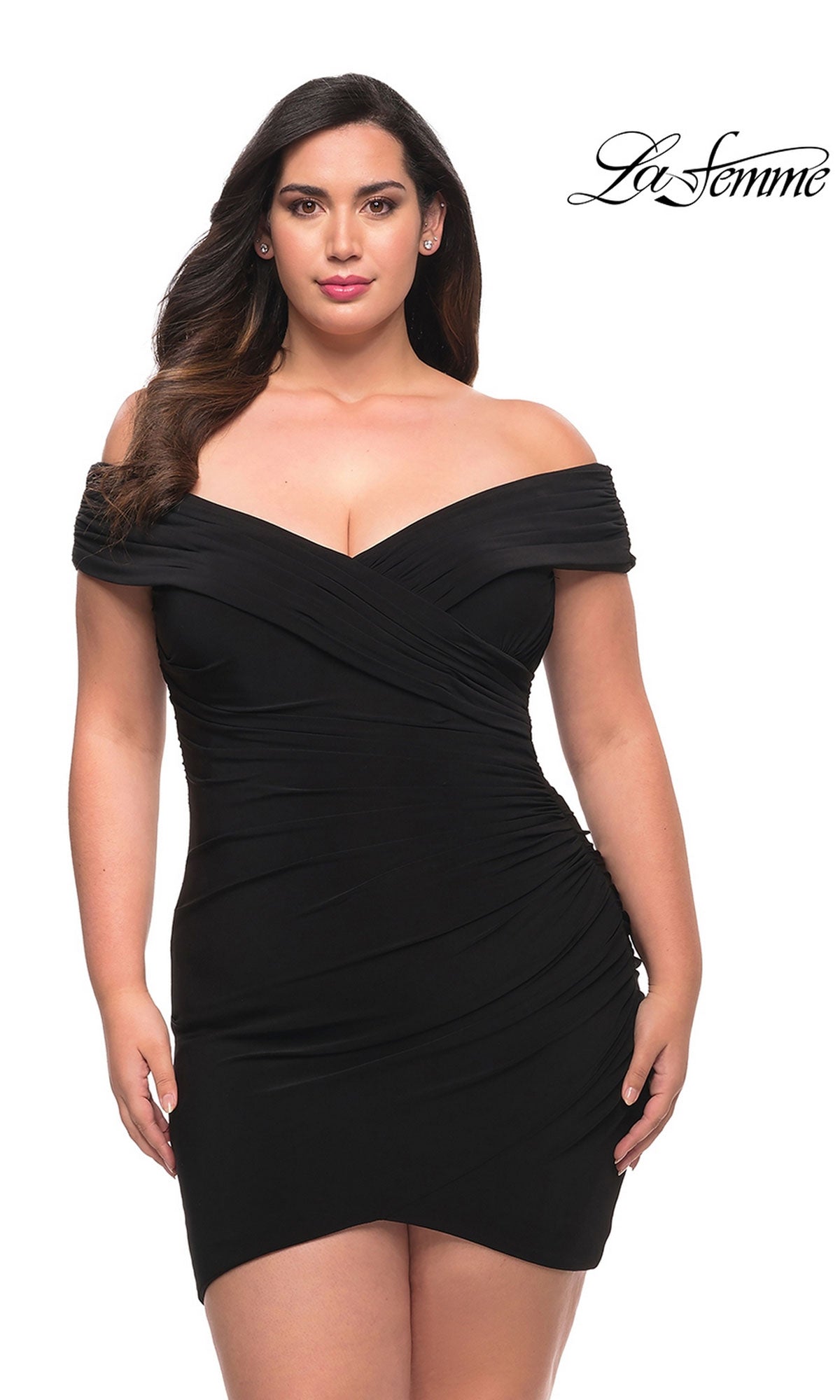
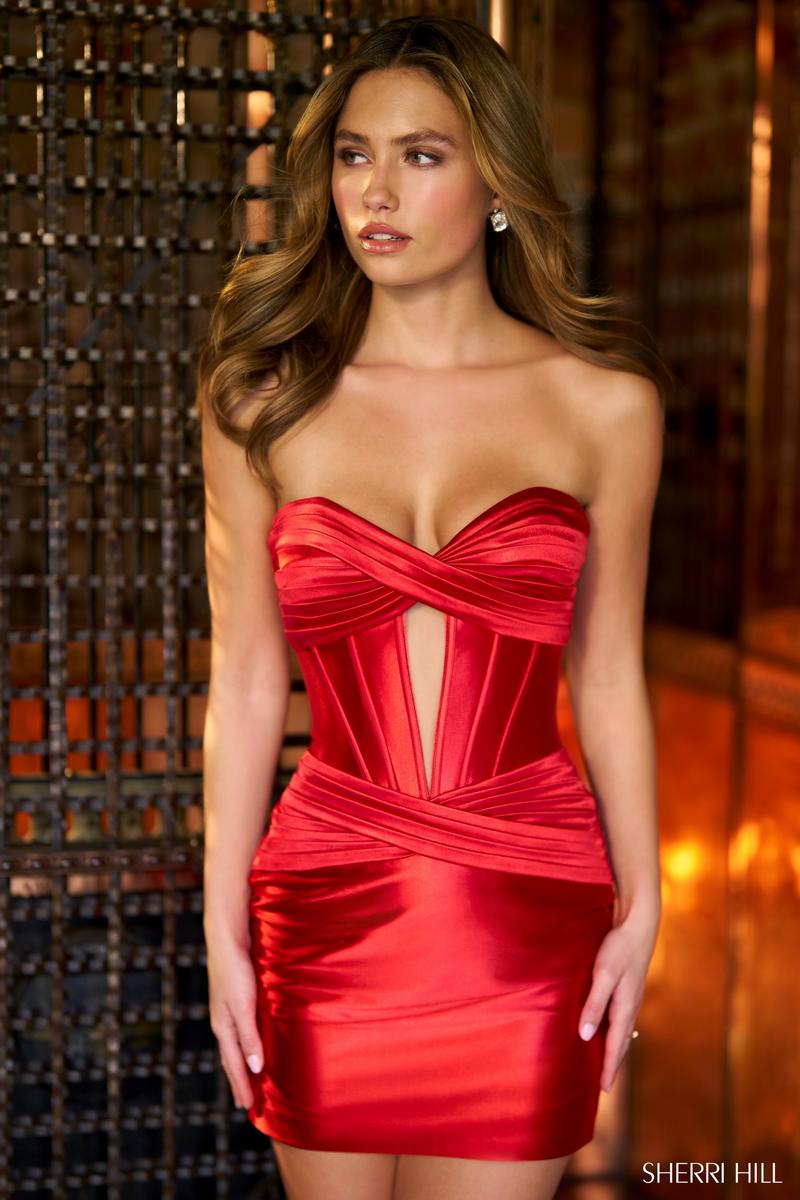
Color is your silent psychological ambassador. Its impact is not merely cultural but neurological, influencing perception and emotion. The classic Little Black Dress, canonized by Coco Chanel and later Audrey Hepburn in Breakfast at Tiffany’s, leverages black’s cultural coding for sophistication, slimming properties (a result of light absorption), and versatile neutrality—a view supported by color theory literature from art schools globally. Red, however, is a different agent. Research published in journals like European Journal of Social Psychology has correlated the color red with heightened perceptions of attractiveness and status, a phenomenon sometimes called the “red dress effect.” A red sexy cocktail dress is a deliberate choice for maximum impact. Emerald green conveys luxury and vitality, metallics project futuristic energy, and pastels offer soft, romantic appeal. Beyond color, strategic details orchestrate the gaze. A thigh-high slit introduces dynamic movement and a flash of leg, a principle of reveal-and-conceal used masterfully in Hollywood glamour. Intricate beading or sequins create a scintillating effect under light, capturing attention in a diffuse, sparkling manner rather than a single, bold statement. These elements should feel intrinsic to the design, not afterthoughts.
From Dressing Room to Dance Floor: Confidence as the Ultimate Accessory
All the objective analysis and professional styling advice converge on one subjective, yet utterly essential, element: your personal confidence. A dress does not wear you; you inhabit it. This concept is echoed by countless style icons. Actress and fashion muse Blake Lively once stated in an interview, “The most sexy thing anyone can wear is their own confidence. A dress is just fabric until you bring it to life.” This is more than a platitude; it’s a psychological reality. Studies on enclothed cognition, explored by researchers like Adam D. Galinsky, suggest that the symbolic meaning of clothing can systematically influence the wearer’s psychological processes. When you feel a dress aligns with your self-concept—be it powerful, playful, or mysterious—your posture, gestures, and interactions naturally become more congruent with that identity. The final step in styling your sexy cocktail dress is internal. Stand tall, move with the assurance that the dress was made for your body and this moment, and engage with the world from that place of self-possession. This intangible quality is what transforms a well-constructed outfit into unforgettable, effortless glamour.
Investing Wisely: Timeless Glamour and Strategic Value
Building a wardrobe with lasting impact involves strategic acquisition. While fast fashion offers tempting low prices, the cost-per-wear and environmental impact are often high. Investing in a well-made sexy cocktail dress from a reputable retailer or designer sample sale is a financially savvy move in the long term. Look for signs of quality: fully lined interiors, secure zippers, finished seams, and resilient fabric. These details ensure the dress retains its shape and allure through multiple seasons. To bring discounted prices and value to you, savvy shoppers can leverage end-of-season sales, subscribe to newsletters for exclusive promo codes, or explore reputable online consignment platforms for gently worn designer pieces. Consider dresses with adaptable details—a convertible neckline, removable straps, or a classic silhouette that can be re-accessorized yearly—to maximize versatility. This approach aligns with the sustainable fashion principles advocated by authorities like the Centre for Sustainable Fashion at the London College of Fashion, promoting mindful consumption without sacrificing style.

Mastering the art of the cocktail dress is an exercise in informed self-expression. It begins with an analytical understanding of the garment’s form and fabric, proceeds through the deliberate curation of color and accessory, and is ultimately animated by your inherent confidence. By applying these principles—grounded in design, history, and psychology—you move beyond simply wearing a dress to crafting a personal presence that is both captivating and authentically your own. The goal is not to be a slave to trends, but to become the curator of your own undeniable, effortless glamour.