

How to Style Sexy Cocktail Dresses for Effortless Glamour
The allure of a cocktail event lies in its promise of sophistication, social sparkle, and a chance to embody a version of yourself that feels both polished and powerfully alluring. At the heart of this transformation is the sexy cocktail dress, a garment that commands attention not through sheer exposure, but through a masterful interplay of silhouette, fabric, and personal confidence. Achieving that coveted state of “effortless glamour” is less about following rigid rules and more about understanding the principles of design, color psychology, and personal styling that allow the dress—and you—to shine. This guide moves beyond superficial tips, delving into the objective science of style and the wisdom of icons to equip you with the knowledge to select and style your perfect sexy cocktail dress with authoritative ease.
The Foundation: Deconstructing the “Sexy” Silhouette
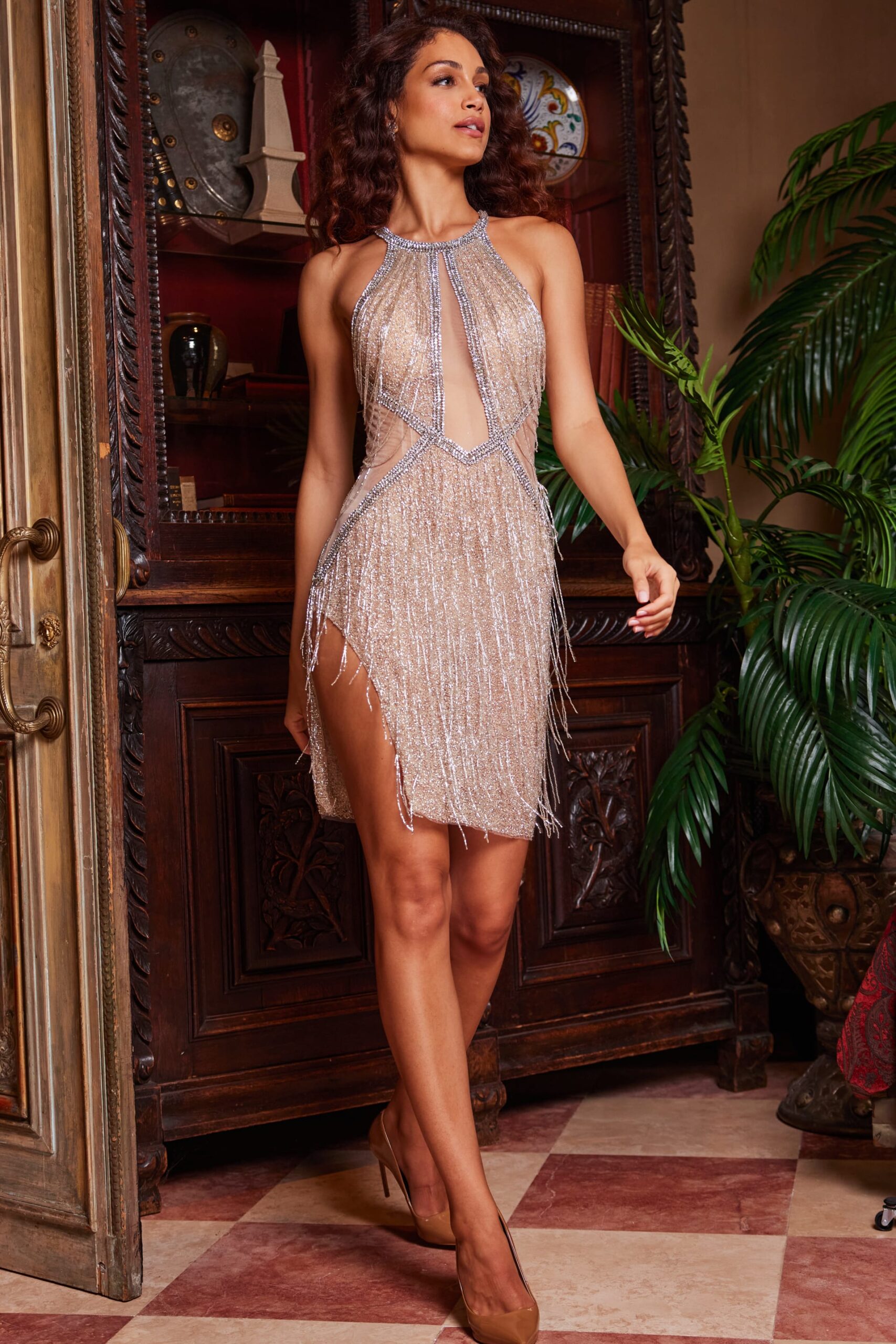
Before accessorizing, one must start with the foundation: the dress itself. The term “sexy” in fashion is often misconstrued; objectively, it refers to a design that accentuates the body’s natural lines in a deliberate and aesthetically pleasing manner. From a design perspective, key silhouettes for sexy cocktail dresses include the sheath, which follows the body’s contours without constriction; the fit-and-flare, which cinches at the waist before flaring out to create an hourglass illusion; and the sleek slip dress, which relies on drape and bias cuts to skim the figure. The scientific principle at play is often the “golden ratio” or concepts of proportionality that are subconsciously perceived as harmonious. As the iconic designer Coco Chanel once articulated, “Fashion is architecture: it is a matter of proportions.” This isn’t mere opinion; studies in empirical aesthetics, such as those referenced in literature from institutions like the University of Vienna’s Faculty of Psychology, suggest that visual balance and defined waist-to-hip ratios are consistently correlated with attractiveness across cultures. Therefore, selecting a dress isn’t about chasing trends, but about identifying which architectural silhouette best frames your unique proportions to create that balanced, confident allure.
Fabric and Texture: The Unspoken Language of Glamour
The material of your dress communicates before you utter a word. Fabrics possess intrinsic properties that affect both perception and experience. Satin, with its high-luster finish, reflects light along the body’s curves, creating a luminous, sensual effect rooted in its smooth, light-reflective weave. Crepe, with its matte, slightly pebbled texture, offers a more subdued, sophisticated sexy that feels modern and tactile. Lace, historically a symbol of luxury and craftsmanship, introduces pattern and transparency, playing with the concept of “reveal and conceal” that fashion theorists often cite as a cornerstone of enduring allure. This isn’t just poetic language; textile science categorizes these tactile and visual properties. A statement from the Fashion Institute of Technology’s textile curriculum notes, “The hand (feel) and drape of a fabric are fundamental to its expressive potential in garment design.” For effortless glamour, consider the event’s context. A satin slip dress might be perfect for a dimly lit gallery opening, where light plays on its surface, while a structured crepe fit-and-flare could command a corporate gala. The key is to let the fabric’s inherent character work for you. A sexy cocktail dress in heavy velvet exudes winter opulence, while one in chiffon feels ethereal and light. Understanding this unspoken language allows you to choose a dress that feels authentic and situationally brilliant, eliminating the stress of a “wrong” choice.
The Alchemy of Accessories: Curated, Not Cluttered
Effortless glamour is often defined by what is omitted as much as by what is included. The principle of “less is more,” championed by architect Ludwig Mies van der Rohe, finds perfect application here. Accessorizing a sexy cocktail dress is an exercise in curation, not accumulation. The goal is to complement the dress’s statement, not compete with it. Start with footwear: a sleek stiletto elongates the leg line, continuing the dress’s silhouette, while a sophisticated block heel offers modern poise and practicality. The psychology here is linked to posture and presence; studies in non-verbal communication, as explored in resources like the American Psychological Association’s publications, confirm that clothing and accessories that improve posture and self-perception directly impact confidence. For jewelry, let the neckline guide you. A dramatic statement earring can beautifully frame the face with a plunging or off-shoulder neckline, eliminating the need for a necklace. As style authority Tim Gunn famously advised, “Edit, edit, edit. Before you leave the house, look in the mirror and take one thing off.” This editing process is scientific in its pursuit of visual balance. Your clutch should be minimal—large enough for essentials but small enough to be an elegant accent. Remember, each accessory is a punctuation mark; too many create noise, while a few well-chosen pieces create a compelling sentence.

Color Psychology and Personal Palette
Color is not merely decorative; it is a powerful psychological tool. The color of your sexy cocktail dress sets an immediate non-verbal tone. Classic black, as elucidated in numerous design texts and famously championed by figures like Audrey Hepburn, embodies timeless sophistication, slimming properties, and a canvas-like quality that puts the focus on silhouette and you. Red, however, operates on a different frequency. Research published in sources like the Journal of Personality and Social Psychology has linked the color red to increased attraction and perceived confidence, a phenomenon with evolutionary and cultural roots. Metallics—gold, silver, bronze—communicate luxury, celebration, and a futuristic edge by literally mirroring the environment. The objective step is to align this psychology with your personal coloring. Concepts from seasonal color analysis, which have been developed and refined by color consultants and stylists worldwide, provide a framework. A “winter” complexion may be electrified by jewel tones like emerald or sapphire, while an “autumn” palette glows in burnt orange or olive green. Wearing a color that harmonizes with your skin tone, hair, and eyes creates a holistic, radiant effect that feels inherently “right” and reduces the need for corrective makeup, contributing directly to that effortless feel.
Confidence: The Ultimate, Invisible Accessory
All the objective knowledge of silhouette, fabric, and color converges on one intangible yet paramount element: confidence. Glamour that appears effortless is always underpinned by a deep sense of personal assurance. This is not a vague platitude but a observable state of being. As actress and style icon Lupita Nyong’o stated in a YouTube interview, “What I have learned is that the best look you can wear is your confidence. It makes any dress better.” This sentiment is echoed across platforms, from Twitter threads by celebrity stylists to Quora discussions on personal style. The science behind this is robust. A study from Kellogg School of Management at Northwestern University demonstrated the concept of “enclothed cognition,” where the symbolic meaning of clothing and the physical experience of wearing it directly impacts the wearer’s psychological processes and performance. Therefore, the most crucial step in styling your sexy cocktail dress is to choose one in which you feel psychologically powerful and physically at ease. It should fit impeccably—not just in size, but in spirit. Practice wearing it at home, move in it, sit in it. This familiarization process reduces anxiety and allows your innate personality to shine through the garment. When you feel authentically yourself, the glamour you project is no longer a costume but an extension of your identity, which is the very definition of effortlessness.
Professional Insight and Strategic Acquisition
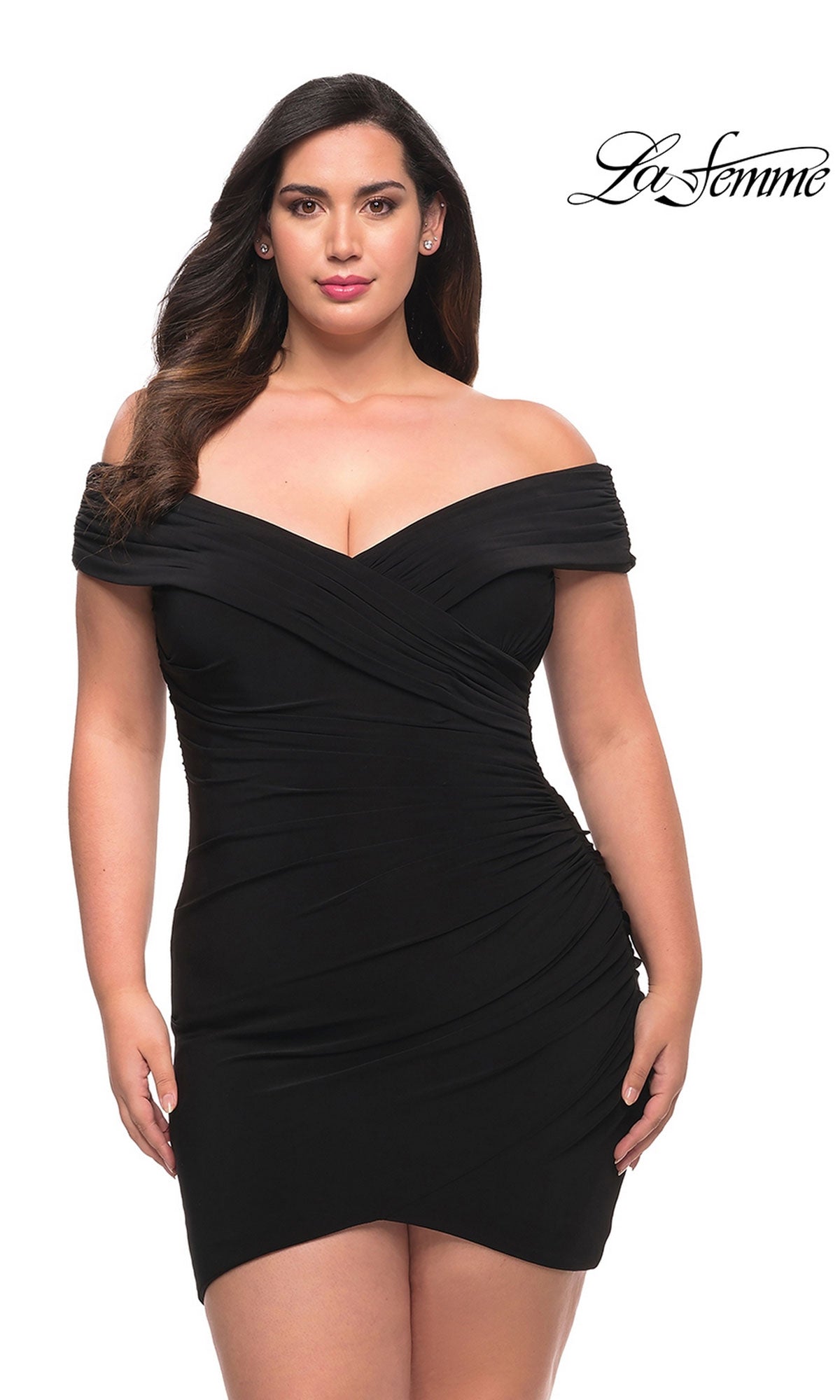
Understanding these principles empowers you to shop like a professional stylist, seeking value without compromising on the elements that create impact. Look for dresses with construction details that signal quality: fully lined interiors, French seams, secure zipper closures, and hem finishes appropriate to the fabric. These are the hallmarks of a garment built to last beyond a single season. When considering price, think in terms of cost-per-wear. A perfectly tailored, versatile black sheath dress that can be accessorized myriad ways for different events represents a far greater investment value than a trendy, poorly made piece worn once. To bring discounted prices into your strategy, leverage end-of-season sales for classic silhouettes, subscribe to newsletters from reputable retailers for early access to promotions, and consider pre-owned luxury platforms for designer finds. The knowledge of fabric and silhouette allows you to assess these discounted items critically—you can identify a quality crepe or a well-cut silhouette regardless of the price tag. This professional approach transforms shopping from a guessing game into a strategic, knowledge-based endeavor, ensuring your wardrobe contains sexy cocktail dresses that deliver consistent glamour and value.
Ultimately, the path to effortless glamour is paved with intentionality, not accident. It is the result of choosing a dress whose architecture honors your form, whose fabric speaks to the occasion, whose color amplifies your presence, and whose fit liberates your confidence. By applying these objective principles—from the golden ratio of design to the psychology of color and the science of enclothed cognition—you move beyond fleeting fashion advice into the realm of personal style mastery. The perfect sexy cocktail dress is out there, waiting to become not just something you wear, but a part of the compelling, glamorous story you tell the world.