

How to Style Sexy Cocktail Dresses for Effortless Glamour
The allure of a cocktail party lies in its promise of sophistication, social sparkle, and a touch of the extraordinary. At the heart of this experience is the perfect outfit—a bridge between daytime professionalism and evening extravagance. The sexy cocktail dress is not merely a garment; it is a tool for personal expression, a canvas upon which confidence is painted. Achieving “effortless glamour” might seem like a paradox—how can something so deliberate appear so easy? The answer lies in a nuanced understanding of silhouette, fabric, accessory psychology, and the scientific principles of aesthetic perception. This is not about following rigid rules, but about mastering a framework that allows your innate style to shine through with polished grace.
The Foundation: Understanding the “Cocktail” Silhouette and “Sexy” Semiotics
Before styling, one must comprehend the object itself. The cocktail dress, as a category, finds its origins in the post-World War II era, a time of celebrated socializing and defined dress codes. As noted by fashion historians, it is traditionally a knee-length or tea-length dress deemed appropriate for semi-formal occasions. The term “sexy” in this context, however, requires a scientific deconstruction. From a sociocultural perspective, attractiveness is often linked to signals of health and vitality. In fashion, this translates to designs that highlight culturally valued proportions—often through waist definition, strategic cut-outs, or neckline emphasis—without overt exposure. A study from the Journal of Personality and Social Psychology suggests that confidence is a key component of perceived attractiveness. Therefore, a sexy cocktail dress is ultimately one that makes the wearer feel empowered and self-assured. It’s about suggestion rather than statement, a balance mastered by designers like Herve Leger with his iconic bandage dresses, which sculpt the body through structure rather than reveal. The glamour is effortless when the dress feels like a second skin, engineered to flatter. Consider fabrics: a heavy brocade might convey luxury but can feel restrictive, while a high-quality silk jersey drapes and moves with the body, creating a dynamic, graceful silhouette that appears both considered and natural.
Architecting the Look: The Pillars of Cohesive Styling
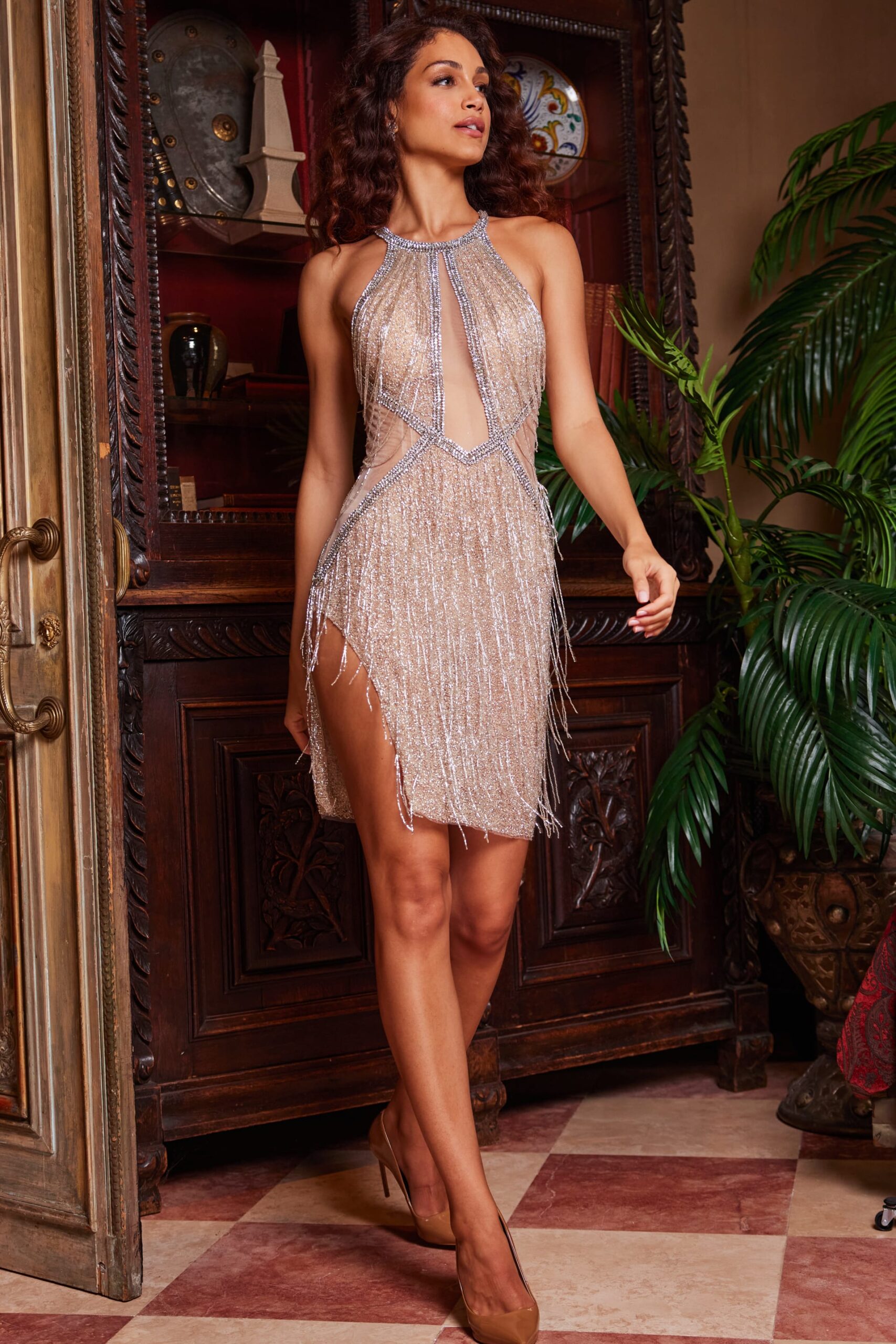
Styling is architectural. It begins with a foundation—the dress—and builds upwards and outwards with elements that complement and enhance, never compete. The first pillar is proportion. If your sexy cocktail dress is a form-fitting sheath, an oversized clutch can create a fascinating visual tension. Conversely, a dress with a full, tulle skirt is grounded with a sleek, minimalist sandal. This principle is rooted in the Gestalt laws of perceptual organization, where the human eye seeks balance and harmony in a composition. The second pillar is focus. Choose one element to be the star. Is it a dramatic open back? A intricate beaded neckline? Let that be the focal point. As the legendary stylist Rachel Zoe once articulated, “Style is a way to say who you are without having to speak.” If your dress has a plunging neckline, perhaps forego statement earrings for a delicate necklace that lays on the collarbone, drawing the eye without clutter. The third pillar is textural dialogue. Pair the sleekness of a satin slip dress with the rustic warmth of a suede heel or the glint of metallic mesh. This interplay adds depth and intellectual interest to the ensemble, moving it beyond a simple outfit into the realm of a curated aesthetic statement.
The Alchemy of Accessories: From Functional to Transformative
Accessories are the punctuation marks of an outfit; they can turn a simple sentence into a compelling declaration. Their impact is both psychological and visual. A statement cuff or a pair of chandelier earrings doesn’t just adorn; it alters posture and demeanor, encouraging the wearer to occupy more space, both physically and socially. From a neurological standpoint, this is linked to “enclothed cognition”—the systematic influence that clothes have on the wearer’s psychological processes. Research in this field indicates that the symbolic meaning of clothing and the physical experience of wearing it can change cognitive performance. Therefore, choosing a sharp, structured blazer to toss over a delicate sequined dress isn’t just about warmth; it’s about adopting an air of authoritative chic. Footwear is particularly potent. A classic stiletto elongates the silhouette, a principle based on the visual continuity of line, but the current trend of pairing sexy cocktail dresses with sophisticated flats or block heels speaks to a modern definition of glamour: one that prioritizes comfort and agency without sacrificing style. As influencer and designer Olivia Palermo often demonstrates, glamour is in the details—a vintage belt cinching a modern dress, a hair clip that echoes the dress’s metallic thread. These are the touches that feel personal and, crucially, effortless.
Color Psychology and Personal Palette: Beyond the Little Black Dress
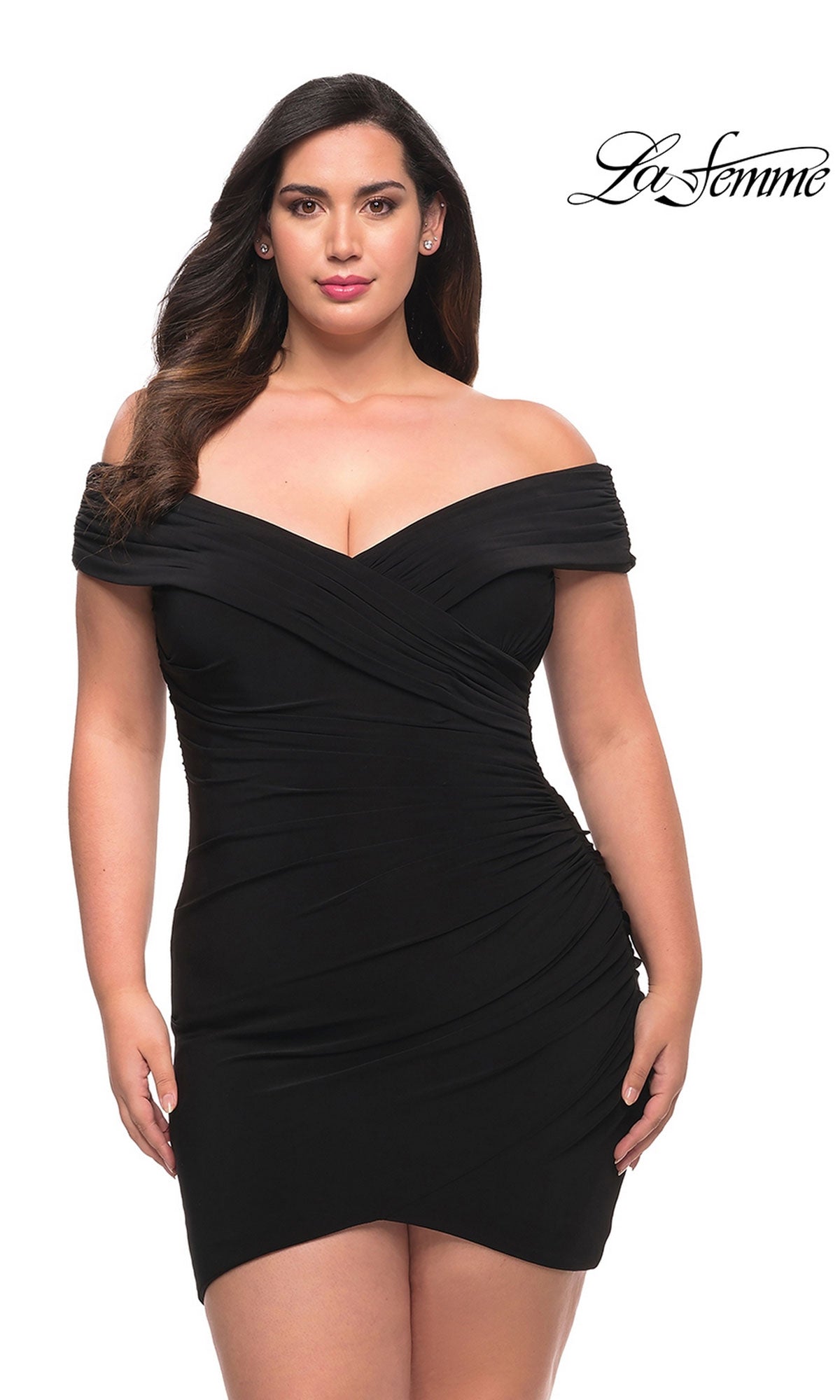
While the Little Black Dress remains a timeless talisman, thanks to Coco Chanel’s democratization of elegance, effortless glamour in the 21st century embraces a broader spectrum. Color psychology provides a scientific basis for choice. Red, often cited in studies such as those from the University of Rochester, is associated with dominance, attention, and attraction. A red sexy cocktail dress is a confident choice, an active participant in the room’s energy. Emerald green or sapphire blue convey luxury, intelligence, and calm—colors historically linked to rare pigments and royalty. The key is to align the color with your personal coloring and the event’s tone. An analysis from the Pantone Color Institute emphasizes that wearing colors that harmonize with one’s skin undertone (warm, cool, or neutral) enhances the appearance of vitality and health, making the glamour appear innate rather than applied. Don’t fear color; use it strategically. A jewel-toned dress often requires less accessory “noise,” allowing the rich hue itself to be the statement. For a more subdued yet striking approach, consider monochromatic styling—pairing a champagne-hued dress with metallic shoes and a clutch in a slightly different shade. This creates a sophisticated, elongated line that is incredibly modern and polished.
Expert Voices: The Intersection of Art and Commerce
The discourse around style is enriched by voices from various domains. Film provides a masterclass in contextual glamour. The effortless chic of Catherine Deneuve in Belle de Jour or the powerful, sharp-shouldered silhouettes of the women in American Psycho offer cinematic case studies in using dress to communicate character and status. In literature, F. Scott Fitzgerald’s descriptions of 1920s flapper dresses capture the rebellious, liberated sexuality of that era’s cocktail attire. On the commercial and practical side, knowledge is power. Understanding fabric care (e.g., steaming over ironing for delicate sequins), identifying quality construction (fully lined dresses, secure zippers, finished seams), and knowing where to invest versus save are crucial professional insights. This brings us to a vital point for the contemporary consumer: accessing professional quality at intelligent price points. The market now brilliantly accommodates this need. Many direct-to-consumer brands and seasonal sales from premium retailers offer designer-level aesthetics—think intricate lace, premium stretch fabrics, and considered designs—without the traditional markup. The savvy stylist knows that a $200 dress from a brand with a focus on craftsmanship can often rival the perceived glamour of a $1000 garment, especially when styled with intention and confidence.

The Final Touch: Cultivating the Effortless Mindset
Ultimately, the most critical accessory is attitude. Glamour that appears effortful is often betrayed by visible discomfort—constantly adjusting a strap, mincing in too-high shoes, or a face tense with self-consciousness. The final pillar of styling is internal. It’s the practice of owning your choices. Put on the complete outfit at home, move in it, sit in it, dance in it. This familiarization ritual builds neural pathways of comfort. It transforms the novel into the familiar, allowing you to forget the outfit and focus on the experience and the people around you. This philosophy is echoed by countless style icons. As Audrey Hepburn, a paragon of effortless grace, purportedly said,
“The beauty of a woman is not in the clothes she wears, the figure that she carries, or the way she combs her hair. The beauty of a woman is seen in her eyes, because that is the doorway to her heart, the place where love resides.”
While poetic, it underscores a tangible truth: glamour is a holistic projection. It is the synergy of a perfectly chosen sexy cocktail dress, strategically selected accessories, and the radiant, unshakeable confidence that comes from knowing you look and feel authentically like yourself. This is the secret to making an entrance that whispers rather than shouts, that lingers in memory not for its ostentation, but for its undeniable, captivating ease.
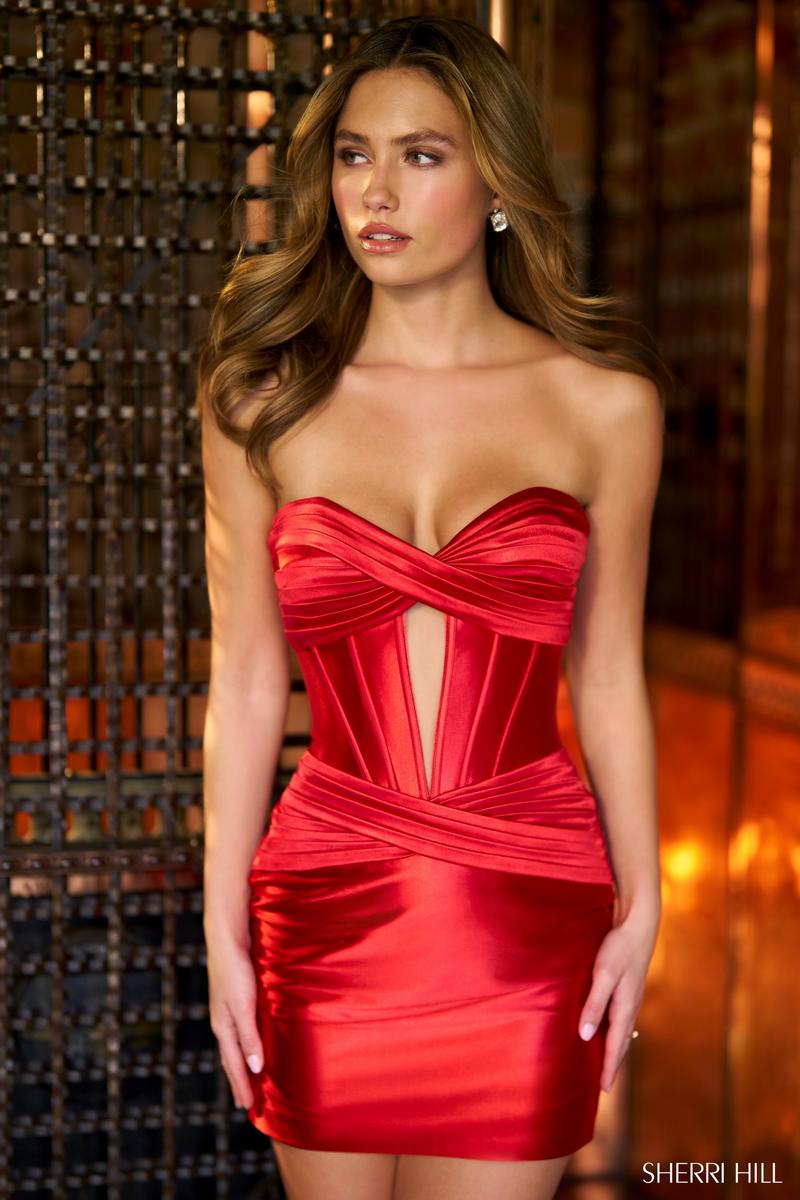
Mastering the art of the cocktail ensemble is an ongoing dialogue between self-knowledge and external inspiration. It begins with selecting a dress that resonates with your personal definition of allure—be it through a powerful color, a masterful cut, or a captivating texture. It is advanced through the intelligent application of design principles to your accessories, creating a look that is balanced, focused, and rich with detail. And it is perfected by adopting the mindset that true glamour is a form of self-respect made visible. When you step into that party, the goal is not for people to see the dress first, but to see you—confident, composed, and brilliantly at ease in your own skin. That is the pinnacle of effortless style.