

How to Style Sexy Cocktail Dresses for Every Occasion
The allure of a cocktail dress lies in its transformative power—a single garment that can whisper sophistication, command attention, or spark playful charm. The term sexy cocktail dresses often conjures images of sleek silhouettes and daring cuts, but true style transcends mere exposure. It’s an intelligent curation of fit, fabric, and context, a dialogue between personal expression and social setting. This guide moves beyond subjective trends to explore the objective principles of styling these versatile pieces, empowering you to navigate any event with confidence and strategic flair. We’ll dissect the anatomy of impact, from the scientific psychology of color to the geometry of flattering cuts, providing a toolkit grounded in design theory and cultural observation.
The Foundation: Understanding the Cocktail Dress Code
Before selecting a dress, one must decode the invitation. “Cocktail attire” occupies a specific niche in the formality spectrum, situated between business casual and full evening wear. According to style authorities from websites like Vogue and Harper’s Bazaar, the cocktail dress code typically calls for knee-length or midi dresses in luxurious fabrics like silk, lace, or velvet. The key is polished elegance with a touch of personality. A sexy cocktail dress within this framework doesn’t necessarily mean the shortest or tightest option; rather, it leverages design elements to highlight assets strategically. Think of it as architectural dressing: a one-shoulder neckline that draws the eye along the collarbone, a keyhole back that offers a glimpse of skin, or a bias cut that skims the body’s natural curves. The objective is a calculated allure, one that feels intentional and powerful rather than accidental. This understanding forms the bedrock upon which all other styling choices are built, ensuring your ensemble is appropriate yet unforgettable for events ranging from gallery openings to sophisticated birthday soirees.

1. The Alchemy of Silhouette and Fit: Your Body as the Canvas
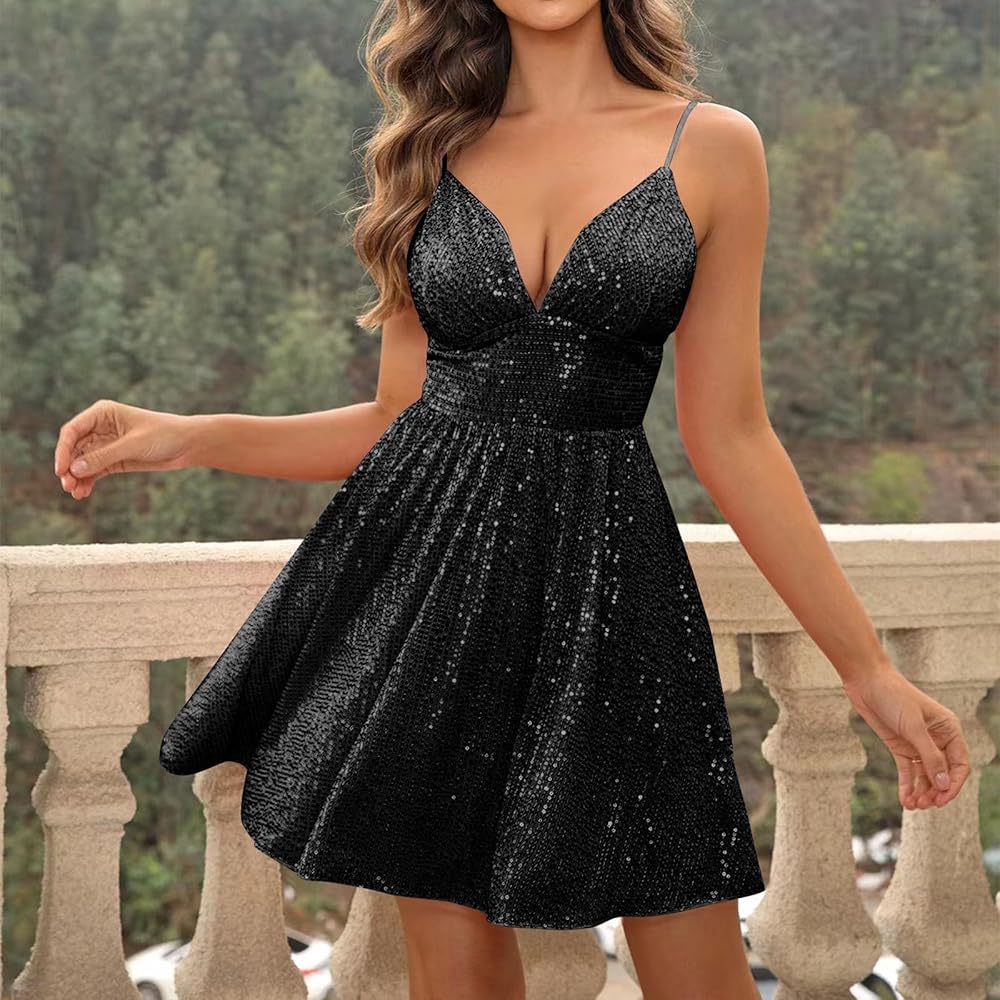
The most critical factor in styling a stunning cocktail dress is impeccable fit. A dress that fits well is inherently more attractive and confident-looking than one that is simply trendy. From a design perspective, different silhouettes create distinct visual effects. The A-line dress, with its fitted bodice and flared skirt, is universally flattering and often cited by stylists on platforms like Who What Wear for its ability to create an hourglass illusion. The sheath dress, a column of fabric, offers a sleek, modern line that elongates the figure—a favorite of style icons like Audrey Hepburn. The fit-and-flare, with its cinched waist and playful skirt, emphasizes the waist and allows for movement. When we discuss sexy cocktail dresses, the mermaid or trumpet silhouette often comes to mind, hugging the body through the torso and knees before flaring out, a dramatic shape rooted in Old Hollywood glamour. The scientific principle at play here is the golden ratio, a mathematical ratio of approximately 1:1.618, often found in nature and art, which is perceived as aesthetically pleasing. A well-fitted dress that defines the waist creates proportions that echo this ratio, making the outfit visually harmonious. Always prioritize tailoring; a few adjustments by a seamstress can transform an off-the-rack dress into a custom-made masterpiece.
2. The Psychology of Color and Texture: Communicating Before You Speak
Color is not merely decorative; it is communicative. The field of color psychology provides an objective lens through which to choose your dress. A classic Little Black Dress (LBD), as famously championed by Coco Chanel, communicates timeless elegance, authority, and sophistication. It’s a sartorial blank slate, allowing accessories and your personality to take center stage. In contrast, a red dress, as explored in cultural analyses from films like “Pretty Woman” to scientific studies on attraction, is often associated with confidence, energy, and, yes, romance. It commands attention. Jewel tones—emerald, sapphire, amethyst—convey luxury and depth, while pastels suggest softness and femininity. Texture adds another layer of narrative. The tactile quality of lace introduces romance and vintage detail, silk charmeuse offers liquid drape and sensuality, sequins or beading create light-catching drama, and structured neoprene or tech fabrics project a futuristic, edgy vibe. Combining these elements thoughtfully allows you to craft a non-verbal message. For a winter cocktail party, a deep burgundy velvet sexy cocktail dress speaks of warmth, richness, and tactile luxury. For a summer rooftop event, a sky-blue silk slip dress feels breezy, modern, and effortlessly chic.

Strategic Accessorizing: The Finishing Calculus
Accessories are the punctuation marks of your outfit; they complete the sentence. The principle here is balance. A dress with high visual impact—be it through a plunging neckline, a bold print, or intricate detailing—requires minimalist accessories. Conversely, a simple, sleek dress is the perfect canvas for statement jewelry. Consider the words of fashion historian Valerie Steele from The Museum at the Fashion Institute of Technology: “Accessories are the exclamation point of a woman’s outfit.” This isn’t mere opinion; it’s a design rule about focal points. If your dress has a stunning open back, forgo a necklace and opt for dramatic drop earrings. If you’re wearing a sexy cocktail dress with a high slit, your shoe becomes a key player—a sleek strappy sandal elongates the leg line. The choice of bag is equally strategic; a small clutch is not just traditional but practical, forcing you to edit essentials and maintain a streamlined silhouette. Metallics should be coordinated: mixing gold and silver can look intentional and modern, but for a classic look, choose one family. The goal is to create a cohesive whole where no single element fights for dominance, but all work in concert to highlight you.
3. Footwear and Foundation Garments: The Unseen Architecture
The success of any outfit, especially a fitted dress, often rests on its unseen foundations. The right undergarments are non-negotiable. They should smooth and shape without creating visible lines, effectively becoming a second skin. Brands like Spanx or Skims have built empires on this principle, offering solutions grounded in textile engineering. This isn’t about conforming to an unrealistic shape but about creating a flawless canvas for the dress to perform as designed. Footwear, while seen, serves a dual architectural purpose. Heels alter posture, tilting the pelvis and elongating the calf muscles, which changes how a dress hangs and moves on the body. A pointed-toe pump, as opposed to a round toe, further extends the leg line visually. However, comfort is a component of confidence. As shoe designer Christian Louboutin once noted in an interview, “A shoe has so much more to offer than just to walk.” It offers attitude. If towering stilettos aren’t your domain, a sophisticated block heel or even a tailored flat can provide stability and style. The key is proportion: ensure the shoe’s visual weight complements the dress’s hemline and volume.

4. Context is King: Adapting Your Dress to the Event
A truly stylish individual understands that appropriateness is a form of respect—for the hosts, the event, and oneself. The same sexy cocktail dress must be modulated for different environments. For a corporate holiday party, sexiness might be conveyed through a luxurious fabric and a sharp silhouette rather than bare skin; pair a sophisticated slip dress with a structured blazer. For a wedding, avoid white and consider the venue—a garden wedding calls for florals or lighter fabrics, while a hotel ballroom wedding welcomes more glamour. A date night allows for the most personal expression, perhaps a dress with a more daring cut or vibrant color. The cultural anthropologist Grant McCracken, in his studies on meaning and material culture, argues that clothing is a code. Decoding the event’s dress code—be it “creative black tie,” “festive cocktail,” or “semiformal”—is essential to sending the right signal. When in doubt, it is always preferable to be slightly overdressed than underdressed; you can often tone down a look by removing a sparkly shawl or swapping statement jewelry for something subtler upon arrival.
Investment with Intelligence: Building a Versatile Arsenal
Building a collection of go-to cocktail dresses need not bankrupt you. The savvy approach combines investment pieces with strategic, trend-aware purchases. An investment piece is a timeless classic: a perfectly tailored black sheath, a red wrap dress, or a lace fit-and-flare in a neutral tone. These are dresses in high-quality fabrics and construction that will remain stylish for years. To these anchors, you can add seasonal pieces that reflect current trends—perhaps a dress with puff sleeves one year or a metallic finish the next. The professional knowledge here is in fabric care and cost-per-wear analysis. A $300 dress worn 30 times costs $10 per wear, making it a wiser investment than a $50 dress worn once. Look for sales at end-of-season periods from reputable retailers or consider rental services for one-off extravagant events. The goal is a curated closet where every sexy cocktail dress serves a distinct purpose and brings you joy, eliminating the “I have nothing to wear” panic and replacing it with a wealth of confident options.
5. The Ultimate Accessory: Cultivating Your Personal Confidence
All the objective principles, scientific explanations, and professional advice culminate in one intangible yet paramount element: your own confidence. A dress is merely fabric until it is animated by the person wearing it. Posture, eye contact, and a genuine smile are the final, transformative layers of any outfit. This idea is echoed by countless style philosophers, from the ancient concept of “sprezzatura” (studied carelessness) to modern icons like Diana Vreeland, who famously said,
“The only real elegance is in the mind; if you’ve got that, the rest really comes from it.”
This isn’t just a feel-good platitude; it’s observable. Confidence affects how you move, how the fabric falls, and how others perceive you. When you feel secure and authentic in your choice—whether it’s a daring cut or a classic column—that self-assurance radiates outward, becoming the most compelling aspect of your style. It turns a beautiful dress into a powerful personal statement.
Mastering the art of the cocktail dress is therefore a journey in self-knowledge as much as it is in fashion knowledge. It begins with understanding the unspoken rules of the occasion, selecting a silhouette and color that honor your form and intent, building the outfit with intelligent accessories and foundations, and making purchases that reflect both your lifestyle and aspirations. When these elements align, the result is effortless. You are not wearing a dress; you are embodying a moment—poised, polished, and powerfully yourself. That is the ultimate secret to styling sexy cocktail dresses for every occasion that lies before you.