

How to Style Sexy Cocktail Dresses for Every Occasion
The allure of a cocktail dress lies in its transformative power. It’s not merely a garment; it’s a statement of confidence, a curated expression of personal style poised between the casual and the formally opulent. A sexy cocktail dress specifically amplifies this, designed to highlight the wearer’s form and attitude with sophistication, not merely exposure. The true art, however, isn’t just in selecting the dress but in mastering its styling to navigate the nuanced landscape of modern social events. From a rooftop gallery opening to an intimate wedding rehearsal dinner, the same dress can tell vastly different stories through strategic accessorizing, layering, and an understanding of contextual dress codes. This guide moves beyond generic advice, offering a foundational framework built on objective principles of design, color theory, and social semiotics, empowering you to become the architect of your own impactful presence.
Deconstructing the “Sexy”: Authority and Autonomy in Silhouette
Before styling, we must understand the component we are working with. The term “sexy” in fashion is often misconstrued as synonymous with “revealing.” A more authoritative and sustainable definition, supported by fashion theorists and historians, frames “sexy” as an aesthetic of empowered confidence and intentional allure. Dr. Valerie Steele, director of The Museum at the Fashion Institute of Technology, notes in her work that sexiness in clothing has historically been tied to emphasizing culturally desirable body ideals, but modern interpretations are increasingly linked to personal agency and fit. Therefore, a sexy cocktail dress is one that fits you impeccably, making you feel powerful and self-assured. The silhouette—the dress’s overall shape—is the primary tool. Common silhouettes include the sheath (slim and body-skimming), the fit-and-flare (fitted bodice with a flared skirt), and the slip dress (a minimalist, often bias-cut style). Each communicates a different kind of power. A structured sheath dress, for instance, borrows from menswear tailoring principles, offering a sharp, authoritative sexy. In contrast, the fluidity of a bias-cut slip dress, reminiscent of 1930s Hollywood glamour studied by institutions like the Costume Institute at the Metropolitan Museum of Art, offers a sensual, graceful sexy. Your first styling decision is recognizing the inherent language of your dress’s silhouette and deciding if you wish to amplify or contrast it with your accessories.
The Foundation: Fabric, Color, and Contextual Intelligence
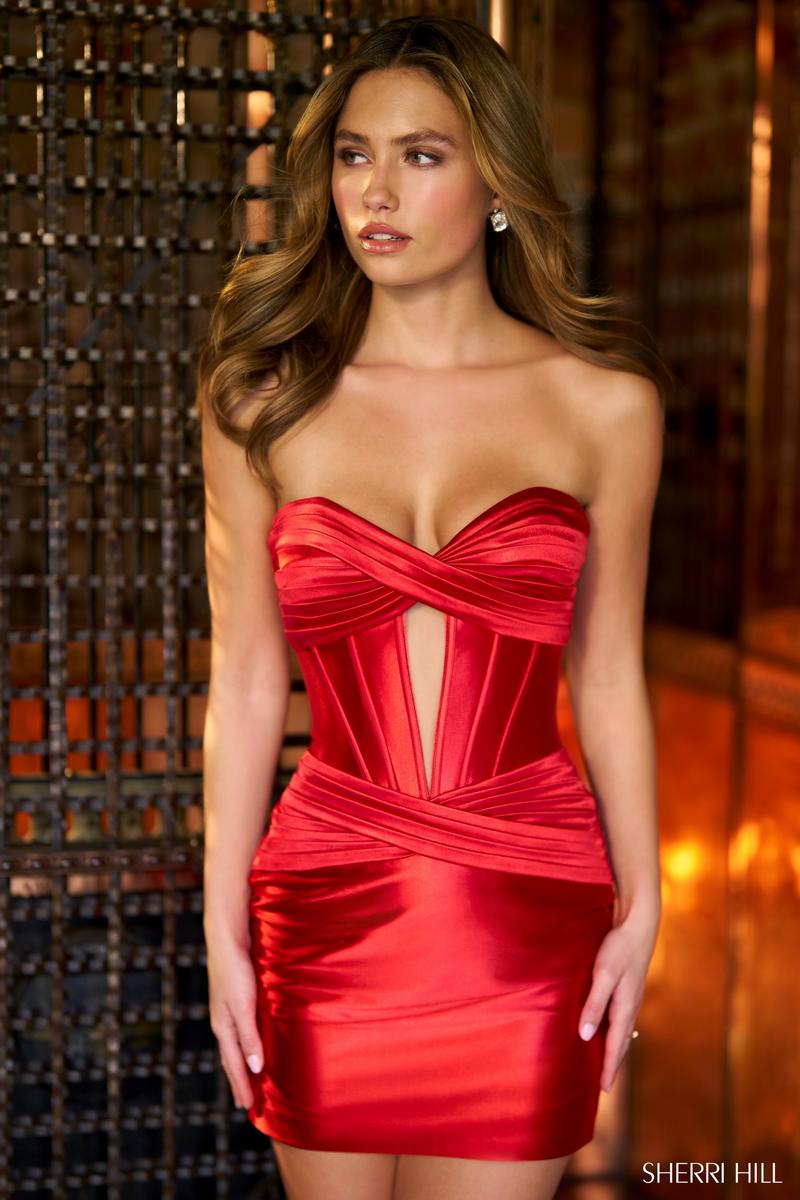
Styling is a dialogue between the garment and the occasion. Two dresses may share a silhouette, but a velvet fit-and-flare commands a different stylistic conversation than one in silk chiffon. Fabric weight and texture are scientific indicators of formality. Heavier, structured fabrics like brocade, jacquard, or heavy satin align with more formal, evening-adjacent cocktail events, often held indoors in cooler months. Lighter fabrics like chiffon, georgette, or lightweight crepe suggest warmer weather or slightly more casual daytime-to-evening transitions. Color psychology, while subjective, has been extensively documented in marketing and design literature. A little black dress (LBD), famously championed by Coco Chanel and later Audrey Hepburn in Breakfast at Tiffany’s, provides a universally acknowledged canvas of sophisticated versatility. A vibrant red dress, however, draws upon centuries of symbolism—from power to romance—and will naturally anchor an ensemble, requiring more neutral accessories. Contextual intelligence means cross-referencing these elements with your event’s setting. A sleek, jewel-toned sexy cocktail dress is perfect for a cosmopolitan charity gala but may be reined in with a tailored blazer for a high-stakes corporate cocktail hour where professional polish is paramount.

Architecting the Ensemble: Footwear and Hardware as Structural Elements
Footwear and jewelry are not afterthoughts; they are the structural elements that ground and define your look. The choice here should be a deliberate counterpoint or complement to your dress. For a dress with high visual drama—perhaps a bold print, intricate beading, or a dramatic leg slit—consider footwear and jewelry that provide balance. A strappy stiletto sandal elongates the leg line, a principle often highlighted in style analyses from platforms like Who What Wear, but a sleek pointed-toe pump offers a more architectural, modern feel. The current trend of pairing delicate dresses with chunky, statement shoes, as seen on runways from designers like Saint Laurent, is a study in intentional dissonance that can feel incredibly fashion-forward. Jewelry, or “hardware,” follows similar rules. A minimalist slip sexy cocktail dress begs for layered necklaces or substantial cuffs, a concept echoed by celebrity stylist Kate Young in interviews. Conversely, a heavily embellished dress neckline often looks most sophisticated with just a pair of excellent earrings. Remember, your clutch or minaudière is part of this equation; its texture (metallic, beaded, patent) should converse with your other accessories to create a cohesive material story.
The Transformative Power of Outer Layers and Proportions
Perhaps the most potent styling tool for versatility is the outer layer. This is where you directly modulate the dress’s message for the occasion. A leather moto jacket instantly rebrands a lace cocktail dress for an edgy, downtown event, creating a fusion of feminine and rugged aesthetics popularized by style icons in street photography. A tailored tuxedo blazer over a sleek sheath dress injects androgynous power, a look frequently adopted by figures like Cate Blanchett on the red carpet. For cooler evenings or more conservative venues, a cashmere wrap or a structured wool coat in a complementary color maintains elegance while providing practicality. This layering isn’t just about warmth; it’s about manipulating proportions and silhouette. A cropped bolero jacket defines the waist, while a long, flowing kimono-style cover-up adds drama and movement. By mastering layers, you effectively multiply the utility of your sexy cocktail dress, allowing it to seamlessly transition from a ceremony to a more relaxed after-party simply by shedding a layer.
Beauty as an Integrated Component: Hair, Makeup, and Confidence
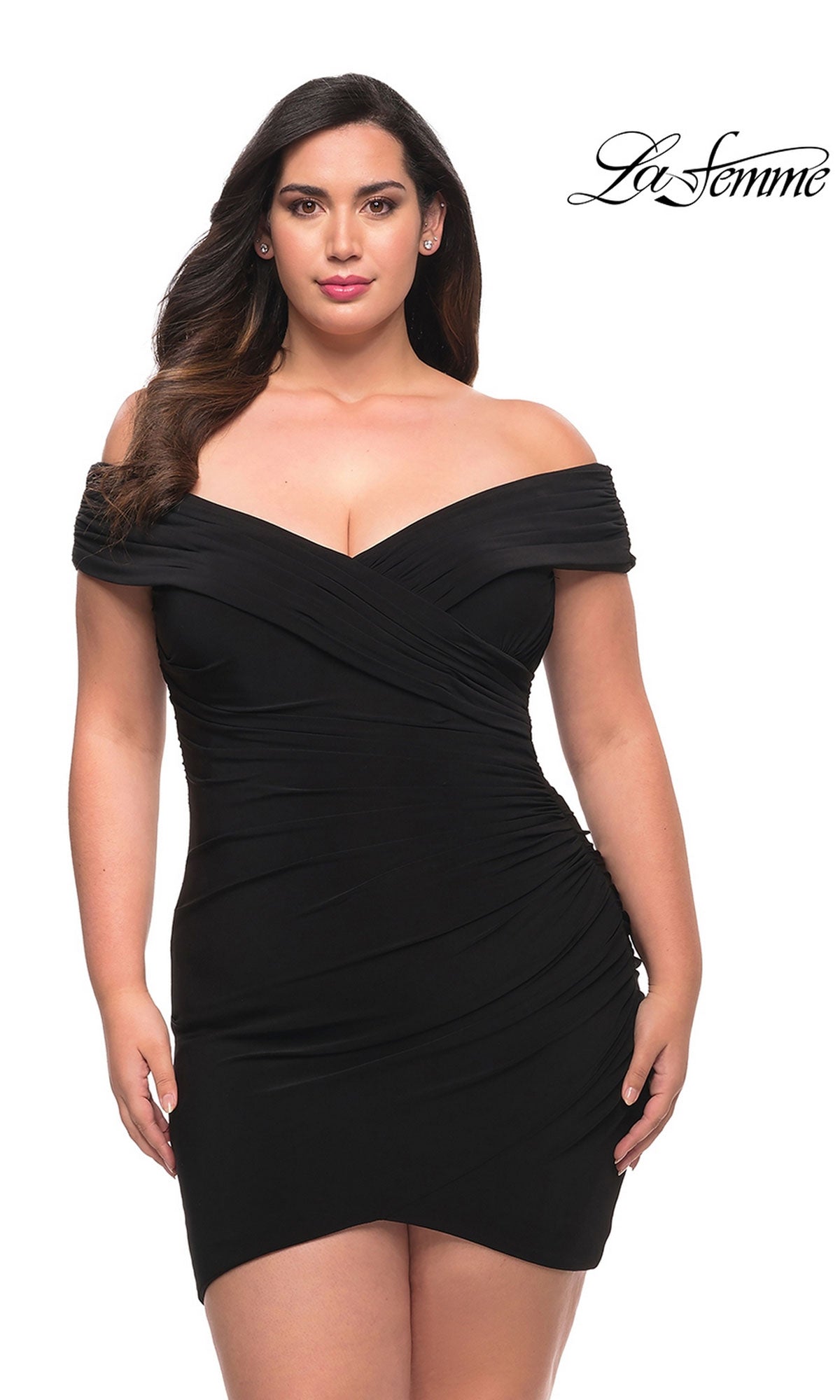
Your beauty look should be conceived as an integrated component of the ensemble, not a separate entity. The goal is harmony, not competition. A dress with a high neckline or intricate detailing around the shoulders draws attention upward, making an elegant updo or statement earrings a logical choice. This principle is routinely demonstrated on fashion runways, where hair and makeup are designed in tandem with the clothing. A bold, red lip, a classic symbol of glamour with roots in Hollywood’s Golden Age, can be the perfect accessory to a simple black dress, as beauty experts like Lisa Eldridge often illustrate. Conversely, a dress with a vibrant pattern or plunging neckline might pair better with more neutral, polished makeup and sleek hair to avoid visual overload. Ultimately, the most critical element you “style” is your own posture and confidence. As model and businesswoman Tyra Banks has famously stated, “It’s not about the dress you wear, but the life you lead in the dress.” Confidence is the invisible accessory that completes every look, making any styling choice resonate with authenticity.
Curating Your Wardrobe: Investment, Care, and Smart Acquisition
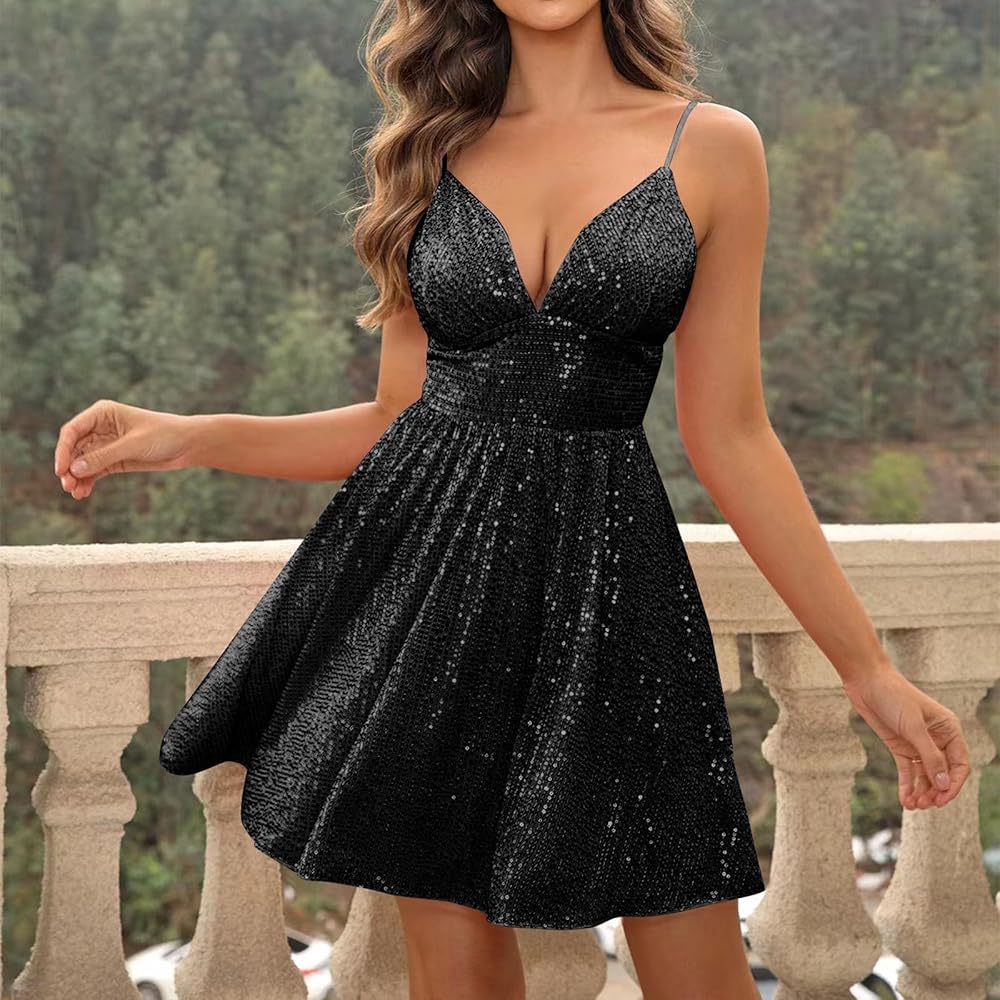
Building a versatile cocktail wardrobe is an exercise in strategic curation, not accumulation. The goal is to own a few exceptional pieces that can be styled diversely, rather than many trend-driven items. Focus on impeccable fit and quality fabrication; these dresses will endure beyond seasonal trends. Proper care is non-negotiable. Always follow label instructions, but as a rule, delicate fabrics like silk and lace often require professional cleaning, while sturdy synthetics may be hand-washed. Storing dresses in breathable garment bags protects them from dust and sunlight. When acquiring new pieces, knowledge is power. Understanding the traditional retail calendar—when end-of-season sales occur—can lead to significant savings on high-quality pieces. Furthermore, exploring reputable consignment stores or online platforms like The RealReal can provide access to designer sexy cocktail dresses at a fraction of the retail price, aligning with a more sustainable and economically savvy approach to fashion. Investing in timeless design over fleeting fads ensures your dress remains a relevant and powerful tool in your style arsenal for years to come.
The journey with a cocktail dress is a continuous exploration of self-presentation. It begins with an understanding of the dress’s intrinsic language—its cut, fabric, and color—and unfolds through the deliberate choices you layer upon it. By applying the principles of contextual intelligence, proportional play, and integrated beauty, you transform a single garment into a multifaceted expression ready for any occasion. Remember, the most compelling style narrative is always your own, written not with words, but with the confident, considered choices you make each time you step out the door.