

Mastering Semi-Formal Dresses for Every Occasion
Navigating the world of event attire often feels like deciphering an ancient code. “Cocktail,” “business casual,” “smart casual”—the terms blur, leaving many of us staring into a closet full of clothes yet feeling we have nothing to wear. The sweet spot, the versatile hero of modern wardrobes, is the semi-formal dress. It’s not the strict formality of a black-tie gown nor the casual ease of a sundress; it occupies a sophisticated middle ground that speaks of polish, intention, and adaptability. This guide isn’t about rigid rules but about unlocking a mindset. By understanding the principles behind the semi-formal dress, you can build a collection that empowers you to walk into any event, from a garden wedding to an important client dinner, with confidence and personal style.
The Anatomy of a Semi-Formal Dress: Decoding the Dress Code
Before we explore specific occasions, we must define our subject. A semi-formal dress, often interchangeably called “cocktail attire” for evening events, is characterized by a balance. According to fashion historians and resources like the Business of Fashion, semi-formal emerged as a distinct category in the mid-20th century, responding to a need for attire that was elegant yet less restrictive than full formalwear. The key lies in fabric, cut, and length. Fabrics tend to be refined—think silk, chiffon, crepe, high-quality lace, or structured jacquard. They drape or hold their shape in a way that cotton jersey typically does not. The cut can range from a sleek sheath to an A-line skirt, but it generally avoids being overly revealing or overly casual. The hemline traditionally falls at or just above the knee, though midi lengths (below the knee to mid-calf) have become a powerfully chic and widely accepted modern interpretation. As style icon Audrey Hepburn once demonstrated, simplicity of line often conveys the greatest sophistication. A well-chosen semi-formal dress is an exercise in curated detail, where the quality of the material and the precision of the fit take precedence over excessive ornamentation.
Occasion One: The Wedding Guest
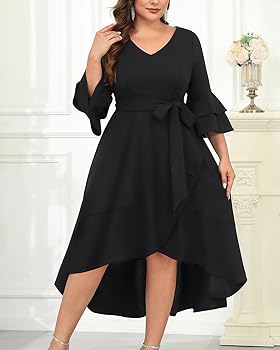
Weddings are the quintessential testing ground for semi-formal mastery. The setting—be it a beach, a ballroom, or a rustic barn—dictates the nuance. For a daytime or garden wedding, your semi-formal dress can embrace lighter colors, floral prints, and airier fabrics like organza or linen blends. A knee-length fit-and-flare dress in a pastel hue is a timeless choice. For an evening wedding in a hotel or banquet hall, the palette can deepen to jewel tones, navy, or sophisticated black. A lace midi dress or a sleek slip dress in satin becomes appropriate. The crucial rule, often emphasized by wedding planners and etiquette experts, is to avoid white or any shade that could photograph as white, out of respect for the bride. Furthermore, consider the cultural context; what is semi-formal in one culture may differ in another. The goal is to look celebratory and polished without overshadowing the wedding party. It’s about being a beautifully dressed part of the collective joy, not the sole focus.
Occasion Two: The Professional Event
In the professional sphere, a semi-formal dress code might be specified for a conference gala, an awards dinner, or a significant client presentation. Here, the line between professional and festive must be carefully walked. The objective is to project competence, credibility, and confidence. A sheath dress in a solid, neutral color—navy, charcoal, burgundy—is a powerhouse. It’s a uniform of sorts for the ambitious, as documented in countless career-advice books and articles from sources like Harvard Business Review, which discuss the psychology of attire in professional settings. Adding a structured blazer can instantly toggle the look from evening event to boardroom-ready. Fabrics with a subtle texture, like a fine wool crepe or a double-knit, convey seriousness. The length should be conservative, and the cut should allow for ease of movement and sitting. As former First Minister of Scotland Nicola Sturgeon has been quoted regarding public presentation, “Your clothes are a form of communication before you even speak.” In a professional context, your semi-formal dress should communicate preparedness and authority.
The Science of Color and Perception
Delving deeper, the choice of color is not merely aesthetic; it’s strategic. Color psychology, a field studied in both marketing and design programs at institutions like the Fashion Institute of Technology, provides a framework. Darker hues like navy and black are associated with authority, trust, and sophistication. Rich jewel tones like emerald or sapphire convey a sense of luxury and stability. While a bright red may be stunning for a social cocktail party, it might send a different, more assertive signal in a conservative professional setting. Understanding this non-verbal language allows you to tailor your dress choice to the specific professional environment. Are you aiming to blend in with a traditional corporate culture, or are you in a creative industry where a bold, artistic statement is valued? Your dress color is a key part of that dialogue.

Occasion Three: The Social Soirée
This category encompasses birthday parties, gallery openings, anniversary dinners, and holiday parties. Here, personal style gets to shine brightest within the semi-formal framework. It’s your opportunity to express your personality through texture, pattern, and unique design details. A velvet wrap dress for a winter holiday party, a silk dress with an artistic geometric print for a modern art opening, or a dress with delicate beading for a festive dinner—all are excellent choices. The common thread remains the quality and formality of the garment. As fashion influencer and author Brittany Bathgate often notes on her platforms, the key to looking “effortlessly chic” is in the intentional pairing of one statement piece with understated accessories. Let the dress be the star. The social soirée is where you can experiment with trends, but anchoring that trend in a classic silhouette ensures you won’t look dated in photographs. The aim is to feel like the best-dressed version of yourself, comfortable in your skin and your style choices.
Building Your Versatile Arsenal: Investment vs. Trend
A sustainable and smart approach to mastering semi-formal wear involves strategic acquisition. Think of your wardrobe as a portfolio. The core holdings are your investment pieces: the classic little black dress (LBD) in a luxurious fabric, a high-quality neutral sheath dress, and perhaps a elegant wrap dress in a universally flattering color. These are the pieces you will wear for years. They form the foundation. Then, allocate a portion of your budget to “trend” pieces—items that reflect current colors, prints, or sleeve details. These can refresh your core pieces and keep your look contemporary. To bring professional knowledge on discounted prices to you, savvy shoppers utilize tools like price-tracker browser extensions, sign up for brand newsletters for exclusive offers, and shop end-of-season sales for investment pieces. Remember, a $300 dress bought at 60% off that you wear ten times is a better value than a $100 dress worn once. Quality over quantity is the mantra for a powerful semi-formal collection.
The Final Touch: Accessories and Attitude
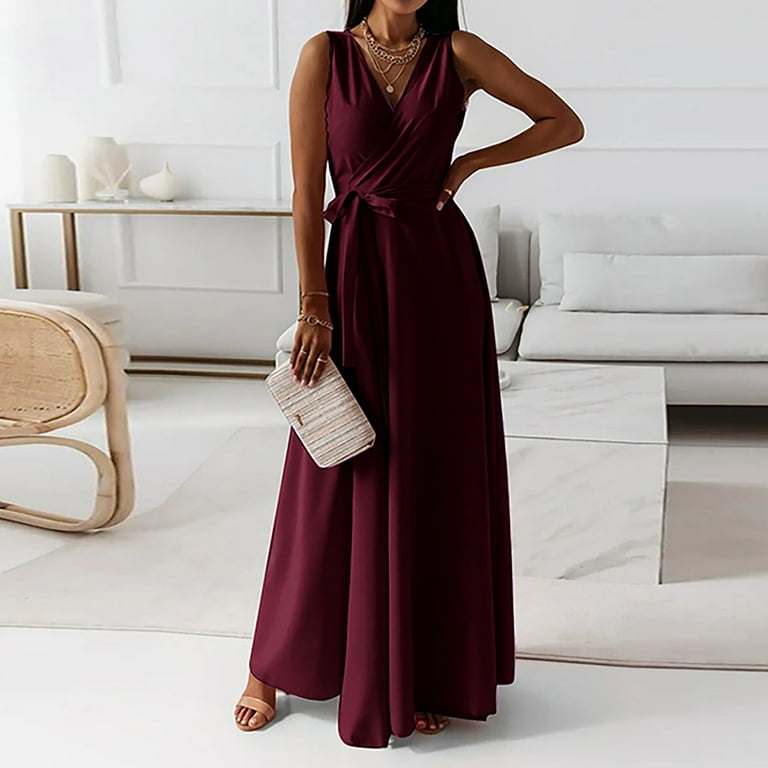
No discussion of the semi-formal dress is complete without addressing its allies: accessories. They are the variables that can completely redefine one dress for multiple occasions. A pair of sleek stilettos and a metallic clutch take a dress to a formal dinner; the same dress with block-heel sandals and a woven bag is perfect for a daytime event. Statement jewelry can elevate a simple silhouette, while delicate pieces maintain a minimalist aesthetic. Furthermore, the most crucial accessory is your attitude. Confidence is the ultimate semi-formal requirement. It’s the knowledge that you are appropriately and beautifully dressed, allowing you to engage fully with the event and the people around you. This self-assuredness transforms any outfit from mere clothing into a powerful personal statement.
Mastering the semi-formal dress, therefore, is less about memorizing rules and more about developing a sartorial intelligence. It’s understanding the language of fabric, cut, and color, and knowing how to translate that language for different audiences and settings. It’s about building a versatile core wardrobe that serves you reliably, then having fun with the details. When you achieve this, you no longer see a dress code as a constraint, but as a creative prompt—an invitation to present a chosen facet of yourself to the world, perfectly attired for the moment.