

Styling Your Revolve Dress for Every Occasion
In the landscape of contemporary fashion, few garments offer the transformative versatility of a well-chosen dress. Among these, the revolve dress stands out not merely as an item of clothing but as a sartorial chameleon, capable of adapting its character to the demands of any event on your calendar. This article is dedicated to dismantling the notion that a single dress is confined to a single purpose. Instead, we will explore how the foundational elements of a revolve dress—its cut, fabric, and design philosophy—can be leveraged and re-contextualized. From the structured environment of a corporate meeting to the spontaneous energy of a weekend brunch, the right styling techniques can unlock a multitude of personas housed within one elegant silhouette. The goal is to empower you with knowledge and strategy, moving beyond basic outfit assembly to cultivate a mindful, efficient, and deeply personal approach to dressing.
The Anatomy of Versatility: Understanding the Revolve Dress
To master the art of styling, one must first understand the instrument. The term “revolve dress” often refers to a category of dresses characterized by thoughtful design, quality fabrication, and a timeless yet contemporary aesthetic, frequently curated by retailers like Revolve. The versatility of such a dress is not accidental; it is engineered. Scientifically, our perception of an outfit’s appropriateness is governed by a combination of color psychology, formality heuristics, and cultural semiotics. A study from the University of Hertfordshire’s Psychology Department notes that color significantly impacts first impressions and perceived personality traits. Thus, a revolve dress in a neutral hue like black, navy, or cream operates as a blank canvas, reducing cognitive load on the viewer and allowing accessories to dictate the narrative. The cut is equally critical. As fashion historian Valerie Steele, director of The Museum at the Fashion Institute of Technology, has often articulated, the silhouette of a garment communicates power, romance, or ease before a single word is spoken. A dress with a defined waist (like a wrap or fit-and-flare style) can signal professionalism with a blazer or whimsy with a denim jacket, its meaning revolving entirely around its companion pieces. The fabric weight and drape—whether a fluid silk or a structured cotton—further determine its range, influencing how it moves and how it is perceived in different environments, from a climate-controlled office to an outdoor garden party.
Scenario One: The Professional Sphere
Transitioning a dress into the professional realm requires a deliberate emphasis on structure and polish. The foundational revolve dress for this setting should ideally be knee-length or midi, in a solid color or subtle, non-distracting pattern. The key to sophistication here lies in layered authority. A tailored blazer in a complementary wool or linen blend instantly architects the softness of a dress, framing the shoulders and torso. This aligns with the “power dressing” principles popularized in the 1980s, which, as argued by authors like John T. Molloy in “Dress for Success,” use clothing as non-verbal communication to convey competence and credibility. Footwear shifts from playful to powerful: consider closed-toe pumps, sleek loafers, or sophisticated ankle boots. Your choice of bag should follow suit—a structured tote or a minimalist satchel replaces a casual crossbody. Jewelry should be understated yet impactful; think a single statement watch, pearl studs, or a delicate gold necklace. As fashion influencer and business consultant Aimee Song often advises on her platform, “In an office, your accessories are your allies in quiet confidence.” The final touch is often in the details: a silk scarf tied at the neck or around the handle of your bag can inject personality without compromising professionalism. This ensemble demonstrates that the dress itself is not the endpoint but the core module around which a professional identity is built.
Scenario Two: Casual Daytime Engagements
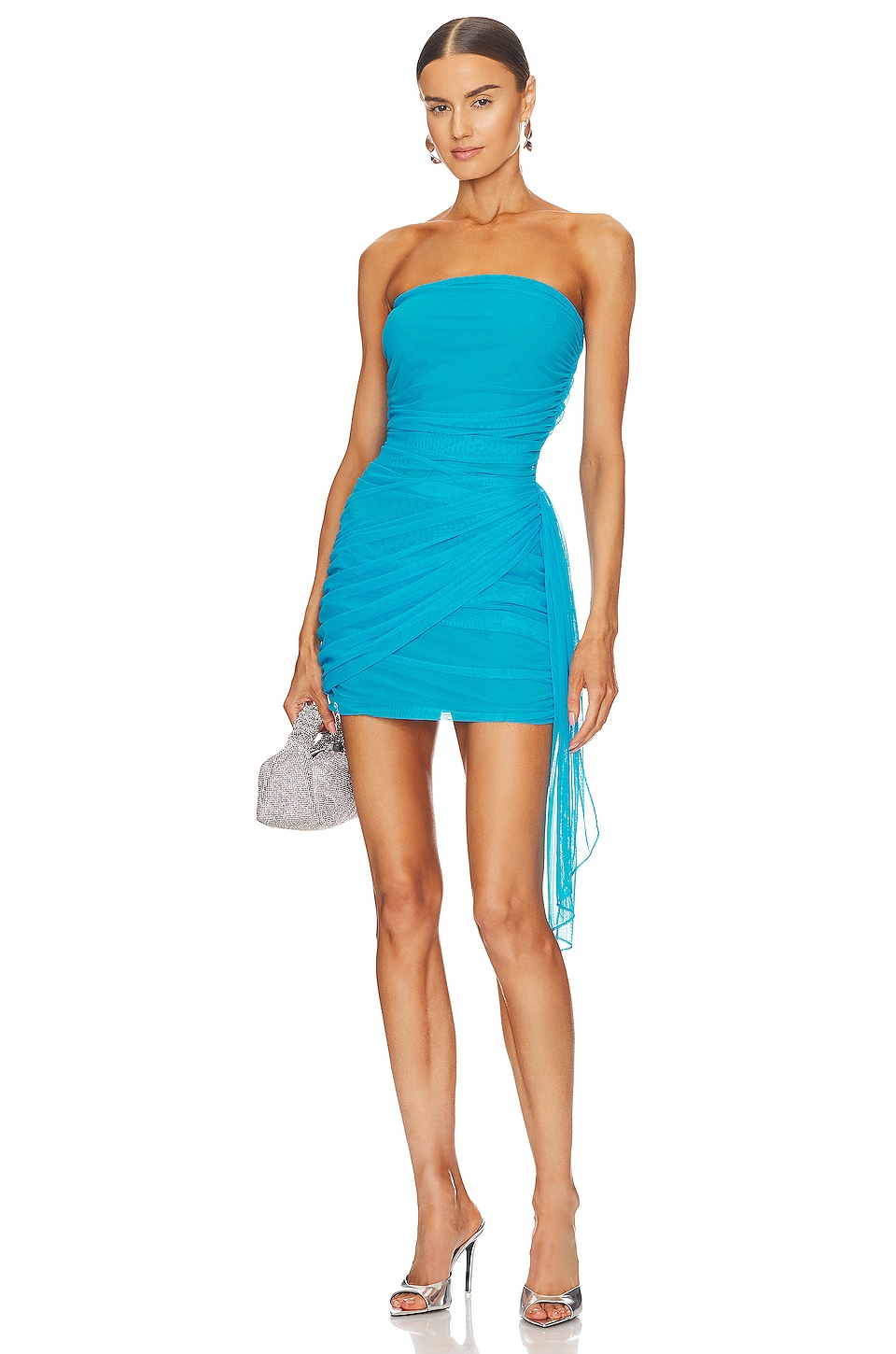
The magic of a versatile wardrobe is most apparent in its ability to embody ease and creativity. For casual daytime outings—be it a coffee date, a museum visit, or leisurely shopping—the objective is to soften the dress’s formality and inject a dose of personal flair. This is where the concept of “high-low” dressing, frequently showcased on platforms like TikTok and Instagram, truly shines. Begin by grounding your revolve dress with casual footwear. White sneakers, sporty sandals, or rugged ankle boots can immediately tilt the outfit’s balance towards relaxed cool. The next layer is arguably the most transformative: outerwear. A classic denim jacket, a slouchy leather moto, or an oversized cardigan re-contextualizes the dress entirely, adding texture and a sense of borrowed-from-the-boys nonchalance. As celebrated stylist and author Kate Young once noted in an interview, “The best daytime looks feel both intentional and effortless, as if you just threw them on, but every piece has a purpose.” Accessories should follow this laid-back ethos. Swap a structured handbag for a canvas tote or a woven basket bag. Layer delicate necklaces or add a few stacked rings for a personal touch. A wide-brimmed hat or classic sunglasses not only serves a practical purpose but completes the curated-yet-casual aesthetic. This approach proves that the same dress that commanded a boardroom can, with strategic styling, become the epitome of weekend elegance.

Scenario Three: Evening Glamour and Special Events
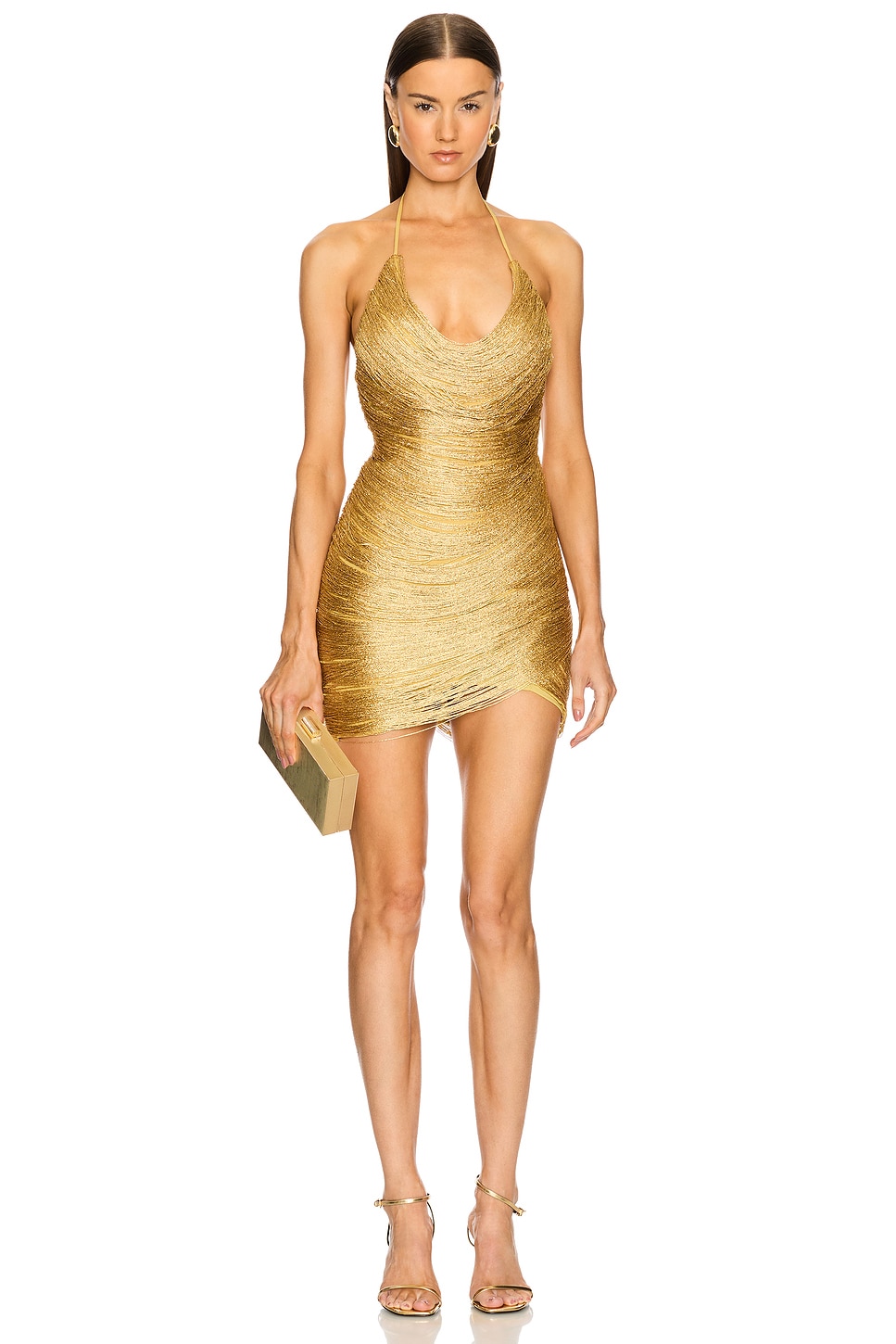
When the sun sets and the occasion calls for elevated glamour, your revolve dress is ready for its spotlight moment. The transformation here is about amplification and refinement. The foundational dress should have elements that catch the light—be it through luxe fabric (satin, velvet, sequins) or elegant detailing (lace, strategic cut-outs, a beautiful back). The styling mantra shifts from layering for coverage to accessorizing for impact. As iconic designer Coco Chanel purportedly advised, “Dress shabbily and they remember the dress; dress impeccably and they remember the woman.” This is the time to let the dress breathe and become the star. Footwear escalates to elegant stilettos, strappy sandals, or embellished flats. Jewelry becomes the supporting cast: a dazzling pair of chandelier earrings, a cuff bracelet, or a bold cocktail ring. A clutch bag in metallic, beaded, or sleek leather replaces your daytime carryall. The outer layer, if needed, should be equally considered—a faux fur stole, a tailored tuxedo blazer in a luxe fabric, or a simple but elegant wool coat. Hair and makeup complete the metamorphosis; an updo, soft waves, or a bold lip color can define the entire look. This scenario underscores the dress’s inherent potential for drama and sophistication, proving its central role in your wardrobe’s ecosystem for celebration.
Investment and Intelligence: The Sustainable Wardrobe Core
Beyond the immediate styling strategies lies a broader, more impactful perspective: the intelligent curation of a sustainable wardrobe. In an era increasingly conscious of fast fashion’s environmental toll, investing in a versatile, high-quality revolve dress is an act of both personal and ecological economy. The “cost per wear” metric, a concept championed by financial and style experts alike, becomes profoundly favorable when a single garment serves multiple, distinct occasions. Literature from institutions like the Cambridge Institute for Sustainability Leadership highlights the significant resource savings—in water, carbon, and waste—achieved by extending the active life of our garments. When you master the art of styling one dress for many events, you are not merely saving money (often with strategic purchases during seasonal sales or through informed investment); you are participating in a slower, more thoughtful fashion cycle. This approach echoes the philosophy of influencers like Venetia La Manna, who advocate for “wearing what you own, in as many ways as you can imagine.” Your wardrobe becomes a curated collection of beloved, multi-purpose pieces rather than a crowded archive of single-use items. The revolve dress, in this context, transforms from a simple garment into the cornerstone of a purposeful and responsible approach to personal style.
The journey through these stylistic transformations reveals a fundamental truth: clothing at its best is a tool for expression, adaptation, and intention. A revolve dress is not defined by a single event on its tag but by the myriad of lives you live while wearing it. By applying the principles of color psychology, strategic layering, and accessory-driven narrative, you unlock a spectrum of identities from one central piece. This practice moves fashion from passive consumption to active creativity, fostering a wardrobe that is both deeply personal and remarkably efficient. It is an invitation to see the potential in what you already own, to invest mindfully in pieces that offer exponential returns in style, and to dress with a confidence that comes not from novelty, but from knowing the profound versatility at your fingertips.