

Styling Your Revolve Dress for Every Occasion
In the landscape of contemporary fashion, few garments offer the transformative versatility of a well-chosen revolve dress. This isn’t merely about a single dress; it’s about a foundational piece that acts as a chameleon within your wardrobe, adapting its character to the demands of your day and night. The concept of a revolve dress speaks to a modern ethos of intelligent consumption—investing in quality, design-forward pieces that can be styled and re-styled to generate a multitude of distinct looks. This article will guide you through the art of unlocking the full potential of such a dress, moving beyond a single-use mentality to embrace a wardrobe that is both curated and creatively expansive. We will explore how to navigate professional settings, casual outings, sophisticated evenings, and special events, all anchored by the same pivotal garment, while weaving in objective insights into the principles that make this approach not just stylish, but strategically sound.
The Foundation: Understanding the Versatile Dress Form
Before we delve into styling, it’s crucial to define what constitutes a prime candidate for a revolve dress. Typically, this is a dress characterized by timeless design elements, superior fabric, and a cut that flatters without being overly trend-dependent. Think sheath dresses, slip dresses, shirt dresses, or wrap dresses in neutral palettes or classic prints. The scientific principle at play here is cognitive fluency. As research in consumer psychology suggests, the human brain prefers things that are easy to process. A simple, elegant dress design creates high cognitive fluency, making it perceived as more aesthetically pleasing and versatile. This is echoed by fashion theorists like Vanessa Friedman of The New York Times, who often highlights the power of a “uniform” or a signature piece in simplifying decision-making and projecting a coherent personal style. A revolve dress serves as that sartorial anchor. Its value is not diminished by repetition but is enhanced by the novel combinations you build around it. From the perspective of sustainable fashion, this aligns with the “cost per wear” model advocated by experts. By maximizing the utility of a single, high-quality item, you move towards a more conscious and economically savvy wardrobe, where discounted prices on such key pieces during seasonal sales represent a significant long-term investment rather than a fleeting purchase.
1. The Corporate Canvas: Professional Polish
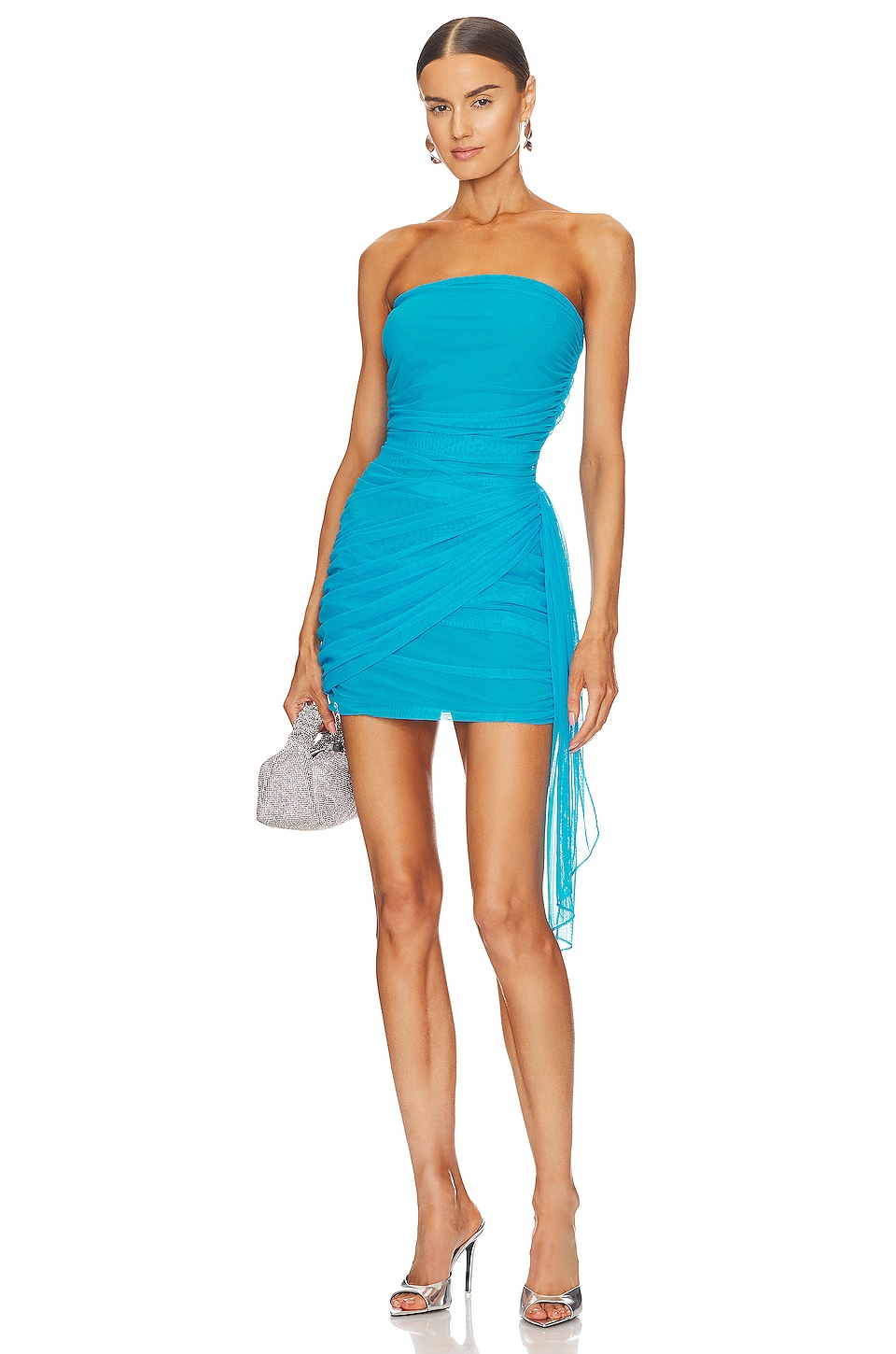
Transforming your revolve dress for the workplace is an exercise in structured sophistication. The goal is to project competence and confidence. Begin with a classic sheath or tailored shift dress in black, navy, or charcoal grey. The objective science behind color in professional settings is well-documented. According to color psychology literature from institutions like the University of British Columbia, darker hues like black and navy are consistently associated with authority, intelligence, and formality. To style, layer is key. A precisely cut blazer in a complementary color instantly architects the silhouette, creating a powerful, put-together look. Footwear should lean towards closed-toe pumps or elegant loafers, which not only complete the professional aesthetic but also, as biomechanics studies suggest, promote a posture of authority when compared to flat shoes. Accessories must be intentional and minimal—a sleek leather tote, a simple watch, and perhaps a single statement necklace. The viewpoint here is championed by figures like Christine Lagarde, whose consistent, elegant uniform of a dress and jacket communicates steadiness and expertise. As she once noted in an interview, simplifying her wardrobe choices allows for greater focus on her work. Your revolve dress becomes the blank slate upon which you build your professional identity, saving precious morning mental energy for the tasks that truly matter.
2. The Casual Transformation: Effortless Daytime Elegance
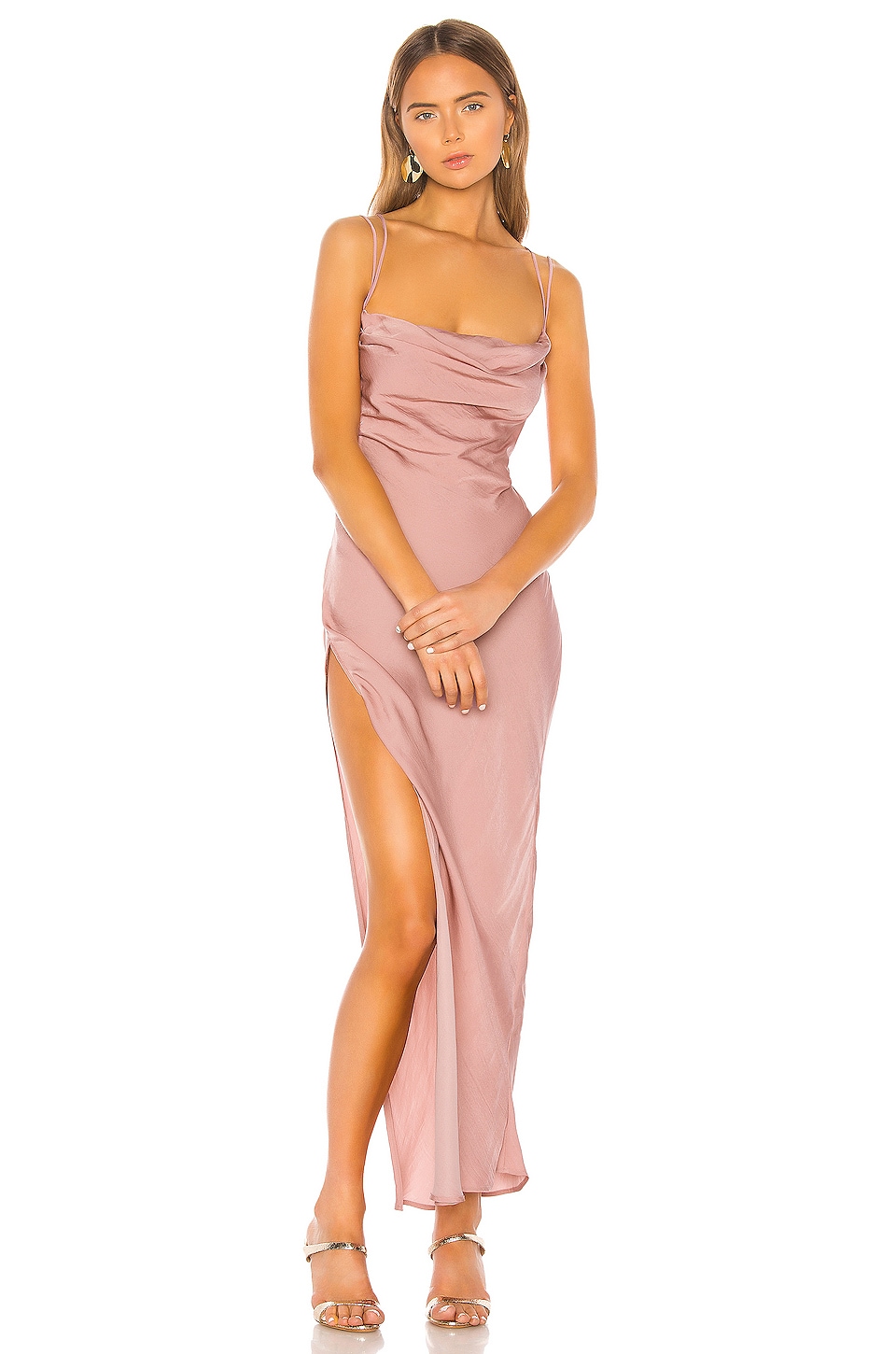
The magic of the versatile dress truly shines when transitioning from boardroom to brunch or a weekend stroll. This styling tier leverages the principle of semiotic contrast—juxtaposing formal and informal signifiers to create a fresh, relaxed look. Take the same dress from your professional ensemble. Remove the structured blazer and replace it with a denim jacket or a soft, oversized cardigan. This immediately de-formalizes the outfit, a tactic often seen in street style captured by platforms like TikTok, where high-low mixing is a dominant trend. Footwear shifts to white sneakers, ankle boots, or flat sandals. The introduction of casual footwear fundamentally alters the dress’s message, grounding it in everyday comfort. Accessorize with a crossbody bag, layered delicate necklaces, and a wide-brimmed hat for a touch of nonchalance. The philosophy here mirrors the “French girl” aesthetic often dissected in fashion media, which prizes looking put-together without appearing to have tried too hard. As author and stylist Jeanne Damas articulates in her books, the essence of Parisian style is in the combination of a great foundational piece (like a simple dress) with one or two casual, personal items. This approach not only extends the life of your dress across your weekly calendar but also injects a dose of personal creativity into your style, proving that versatility does not equate to blandness.
3. The Evening Alchemy: Cocktail Hour to Dinner Date
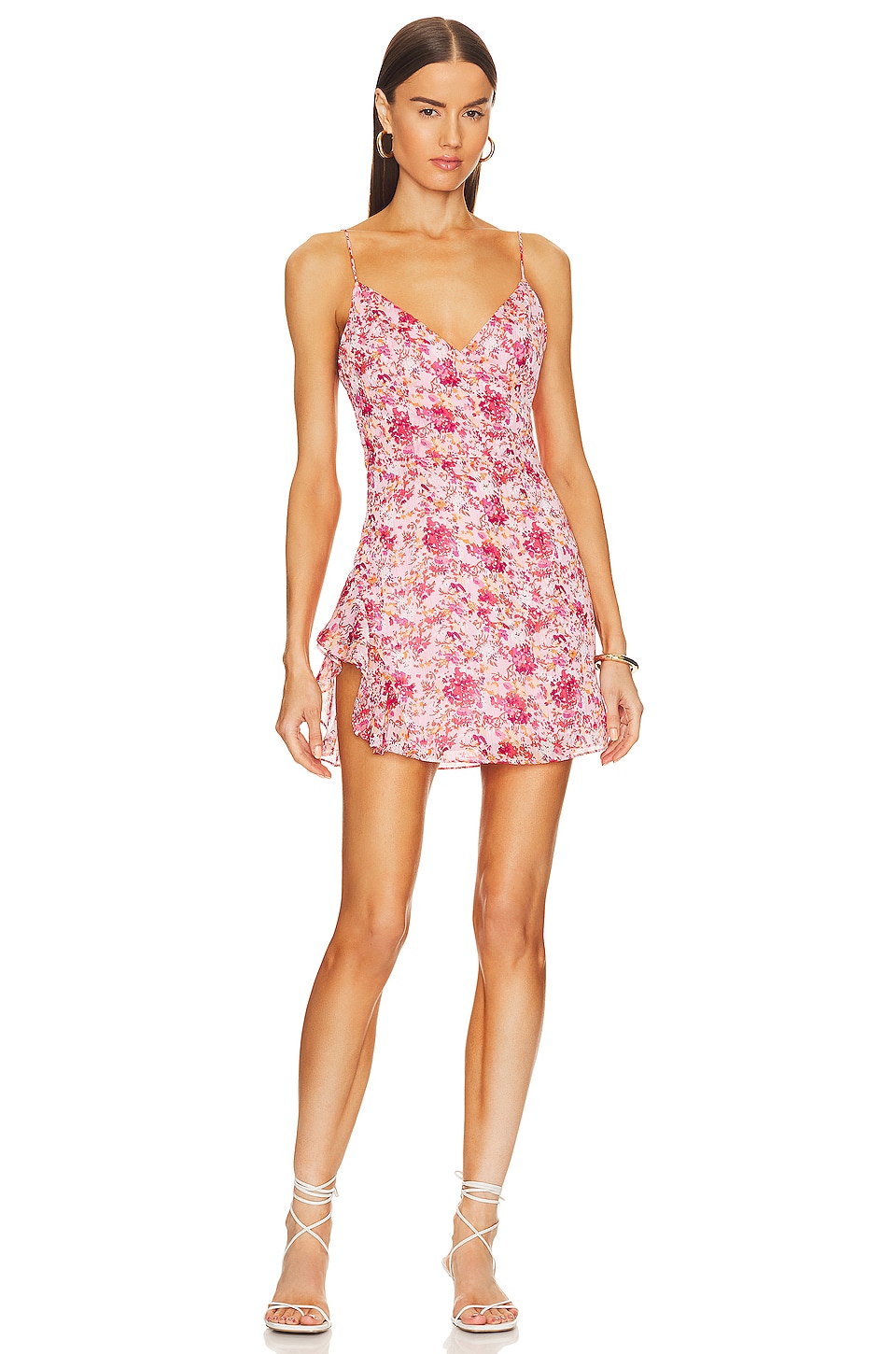
As dusk falls, your revolve dress is ready for its most dramatic metamorphosis. The objective here is to amplify glamour and intention. This transformation is rooted in the psychological concept of enclothed cognition—the systematic influence that clothes have on the wearer’s psychological processes. Dressing for evening engages this fully. Start with a dress that has inherent evening potential: a slip dress, a lace number, or a dress with a luxurious texture like silk or velvet. The styling moves are deliberate and bold. Swap daytime layers for a faux fur stole, a metallic kimono, or a sleek leather moto jacket for an edge. Footwear escalates to strappy high heels or embellished sandals, which studies in social psychology link to perceptions of heightened attractiveness and status in social settings. Jewelry becomes the focal point—statement earrings, a cuff bracelet, or a bold ring cluster. A sleek clutch replaces the day bag. The transformation is about curation and reduction of the casual elements. This principle is showcased in iconic films like Breakfast at Tiffany’s, where Audrey Hepburn’s little black dress is accessorized differently to suit various narrative moments, from casual to profoundly elegant. Your evening look should feel like a distinct chapter, yet the comfort and familiarity of the core dress provide a confidence that a completely new, untested outfit might not.
4. The Special Occasion Shift: Weddings, Galas, and Celebrations
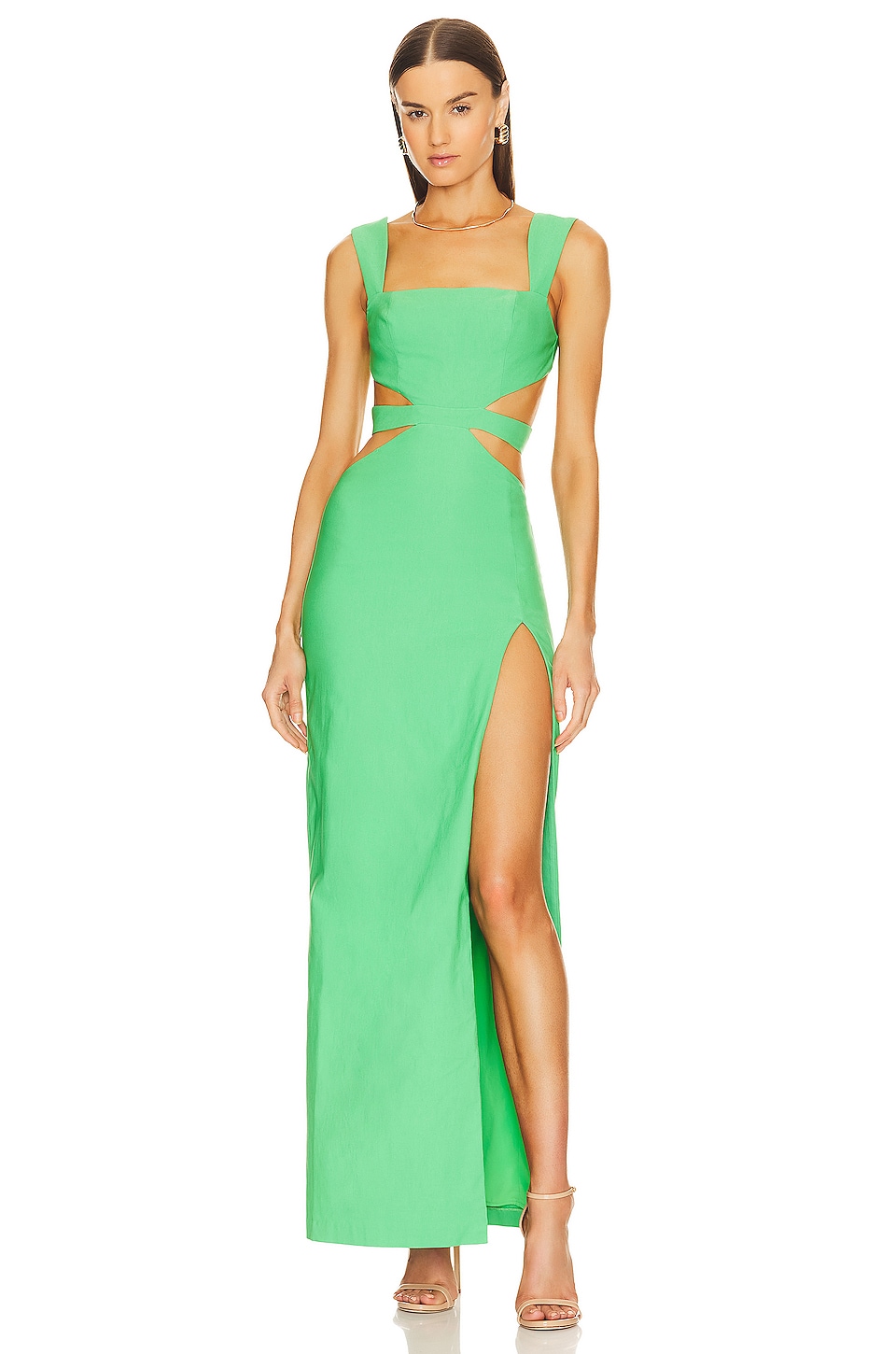
For events that demand a step beyond the standard evening attire, your revolve dress can still be the hero, with strategic augmentation. The key is to treat the dress as a base for opulent layering and accessory storytelling. A simple, solid-color column dress or a tastefully patterned piece is ideal. The scientific angle here involves peak shift effect, a concept from perceptual psychology where an exaggerated version of a stimulus is more attention-grabbing. Apply this to your styling. Add a dramatic, floor-length overskirt or a tulle layer to instantly create a gown-like effect. Introduce a belt encrusted with brooches or a jeweled sash to redefine the waist. Footwear becomes more decorative, perhaps with intricate beading or metallic details. A sophisticated updo and a more dramatic makeup look complete the shift. This method of building upon a core item is advocated by celebrity stylists like Law Roach, who famously creates iconic red-carpet moments by combining haute couture elements with more accessible pieces. The economic and practical advantage is immense. Instead of purchasing a new gown for every event—a practice often critiqued in sustainable fashion literature from universities like Cornell’s College of Human Ecology—you invest in transformative accessories that can be used repeatedly with different base garments, bringing a couture sensibility to your wardrobe without the couture price tag, especially when you source your core revolve dress during promotional periods.
Building Your Style Arsenal: The Supporting Cast
Mastering the art of the revolve dress is as much about the dress itself as it is about the supporting pieces in your closet. This is where professional knowledge translates into personal power. Cultivate a collection of “style transformers”: blazers in various weights and colors, statement and delicate jewelry sets, belts of different widths, jackets (denim, leather, bomber), and an array of footwear from sneakers to stilettos. Each of these items acts as a variable in a style equation, with the dress as the constant. The discounted prices often found on these complementary items during end-of-season sales are opportunities to build this arsenal cost-effectively. View this through the lens of the “capsule wardrobe” philosophy, popularized by experts like Susie Faux and later Donna Karan, which emphasizes a small collection of essential items that don’t go out of fashion and can be augmented with seasonal pieces. Your revolve dress is the quintessential capsule item. By adopting this mindset, you move from being a passive consumer of trends to an active curator of a personal aesthetic that is adaptable, intelligent, and inherently sustainable. The goal is not to own more, but to own better and to style with greater imagination.
The journey through these stylistic transformations illustrates that a single revolve dress is far more than a garment; it is a tool for self-expression, a strategic investment, and a testament to sartorial creativity. By applying principles from psychology, economics, and fashion theory, we see that versatility is a disciplined art. It allows you to present nuanced facets of yourself to the world—the professional, the relaxed individual, the evening sophisticate, the celebration guest—all while maintaining a coherent style identity. This approach champions mindful consumption, where the value of an item is measured in experiences and expressions, not just in its first wear. So, look at that dress in your closet not as a one-time outfit, but as the starting point for countless narratives you have yet to write.