

How to Style a Sexy Cocktail Dress for Any Evening Event
The allure of the evening event lies in its promise of transformation—a chance to step out of the daily routine and into a persona of elegance, confidence, and undeniable charm. At the heart of this transformation is the sexy cocktail dress, a garment that is far more than mere fabric and thread. It is a tool for self-expression, a statement of intent, and a canvas upon which personal style is painted. The term “sexy” here transcends the simplistic; it is not about revealing skin for its own sake but about cultivating an aura of confidence, sophistication, and magnetic appeal that is appropriate and powerful for the setting. Whether you’re navigating a corporate gala, a romantic dinner, a chic birthday soirée, or an opening night, the principles of styling remain anchored in understanding the dress’s dialogue with your body, the event’s context, and the accessories that complete the narrative. This guide moves beyond generic advice, delving into the objective science of color and silhouette, the psychology of accessories, and the strategic knowledge that empowers you to own the room.
The Foundation: Understanding Silhouette and Your Form
Before a single accessory is considered, the primary relationship is between the dress and your body. The concept of a “flattering” fit is not a vague compliment but a geometric and artistic principle. Renowned fashion historian and curator at The Museum at FIT, Valerie Steele, has often emphasized in her lectures that “clothing is a technology of the self.” A well-chosen sexy cocktail dress acts as that technology, highlighting your assets in a way that feels authentic. Scientifically, this involves understanding lines and proportions. For instance, the popular “bodycon” silhouette, which follows the curves of the body, creates a continuous, streamlined line that the eye perceives as harmonious and dynamic. This principle is rooted in the Gestalt theory of perception, where the mind prefers complete, unbroken shapes. Conversely, an A-line dress, which cinches at the waist and flows outward, creates a triangle shape that emphasizes the narrowest part of the torso, a universally appealing focal point often associated with classical ideals of beauty as seen in hourglass figures celebrated in art history. The choice of neckline—be it a plunging V-neck, a sophisticated halter, or a sleek boat neck—directs attention to the face and collarbones, areas associated with communication and elegance. The key is objective analysis: what lines does your body naturally create, and which dress silhouettes complement or elegantly contrast with them? This isn’t about conforming to a trend but about using the design of the sexy cocktail dress to create a powerful, cohesive visual statement.
The Psychology of Color: Beyond Simple Preference
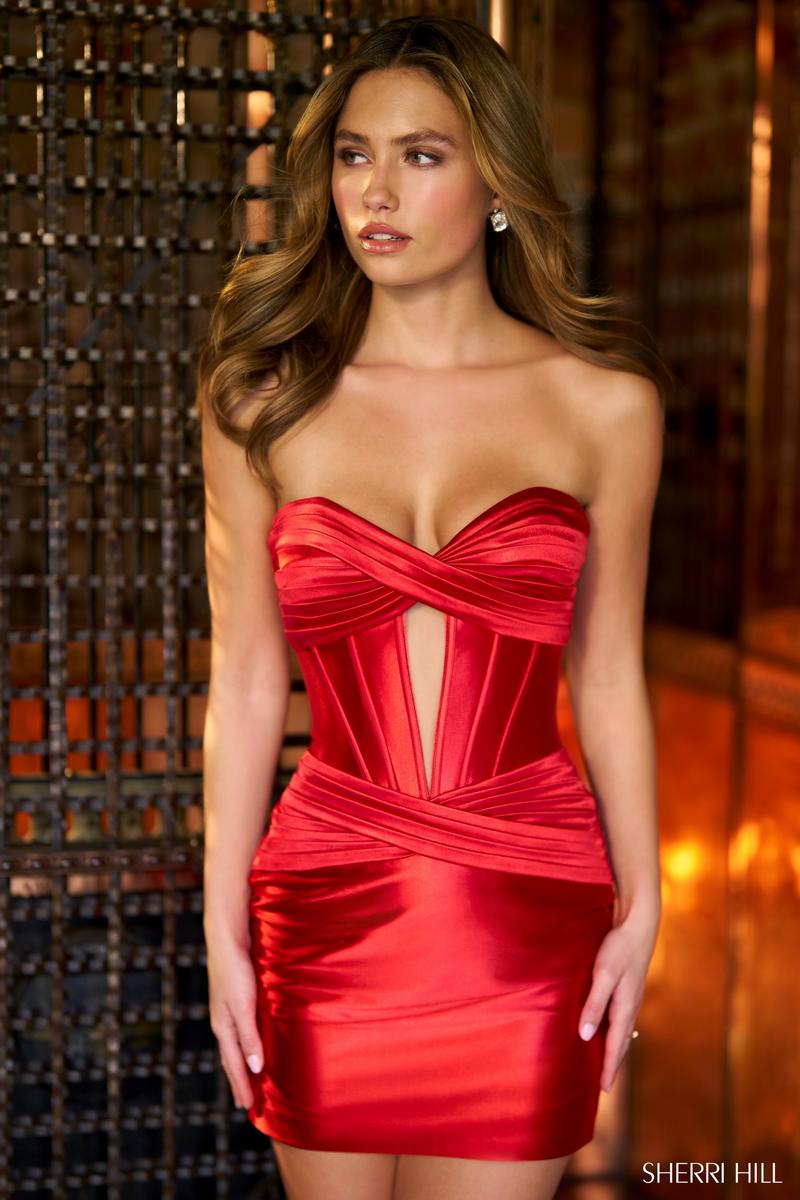
Color is the first element perceived, triggering immediate psychological and cultural associations. Choosing the hue for your sexy cocktail dress is a strategic decision. The field of color psychology provides a framework, though it’s crucial to remember cultural context modifies these meanings. For example, numerous studies cited in resources like the Stanford Encyclopedia of Philosophy and journals of environmental psychology note that red is consistently linked to attraction, confidence, and energy. It’s a color of action and visibility, making it a potent choice for events where you aim to be memorable and assertive. Black, often mislabeled as merely “slimming,” carries a profound weight of sophistication, authority, and timelessness, as articulated by designers like Coco Chanel, who famously liberated it from mourning attire into a symbol of chic modernity. Metallics—gold, silver, bronze—communicate luxury, celebration, and a futuristic glow, playing with light in a way that literally makes the wearer a center of illumination. Pastels can project approachability and creativity. When selecting a color, consider the event’s tone (a black-tie gala versus a summer garden party) and the message you wish to broadcast. An objective approach removes the guesswork; it’s not just “I like blue,” but “A sapphire blue conveys trust and depth, suitable for a networking event,” or “A vibrant fuchsia projects playful confidence for a birthday celebration.”
Strategic Accessorizing: The 80/20 Rule of Elegance
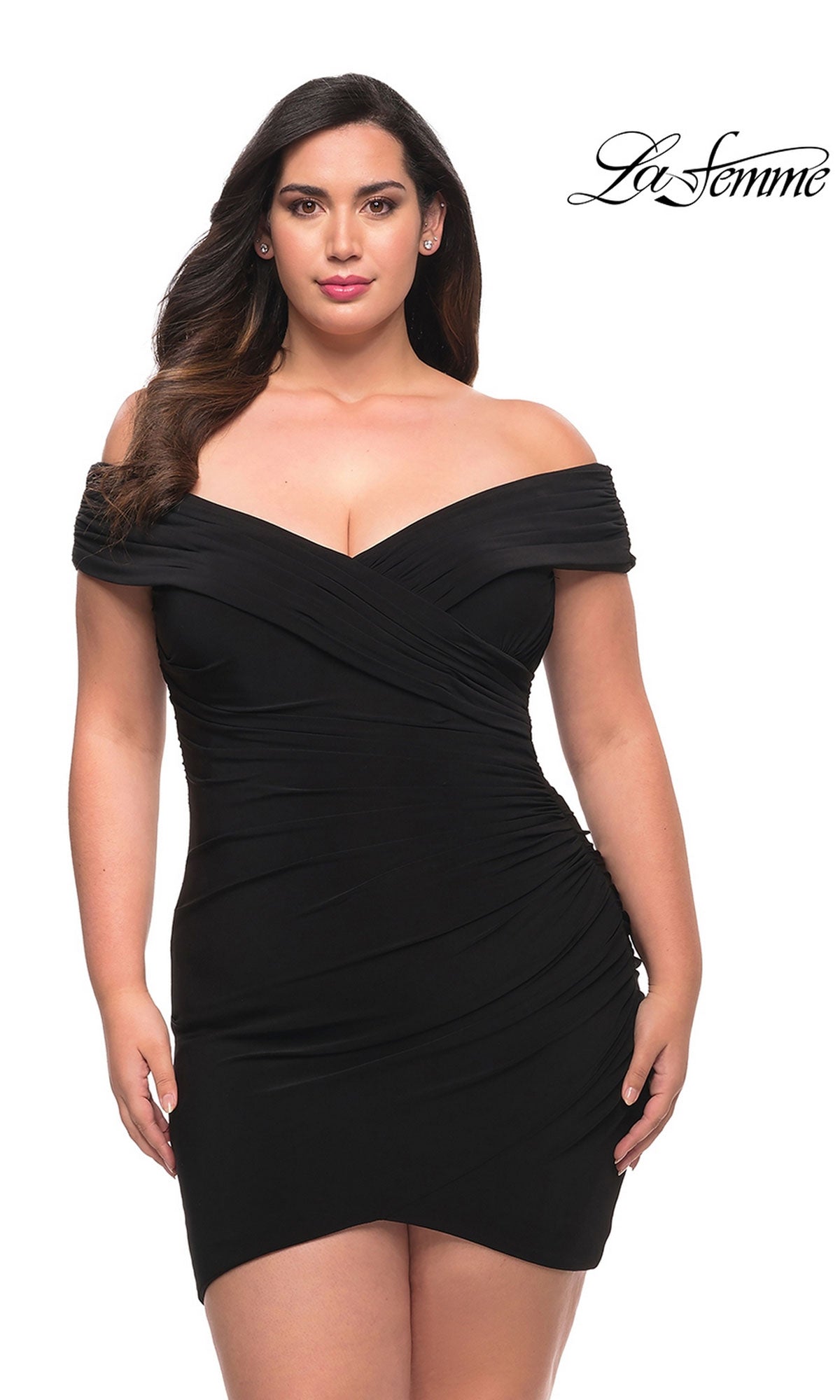
Accessories are the punctuation marks of your outfit; they can turn a statement into a question, an exclamation, or a perfectly composed period. The common pitfall is over-accessorizing, which clutters the visual message of your sexy cocktail dress. A principle borrowed from economics and design, the Pareto Principle or 80/20 rule, applies beautifully here: let the dress be the 80%—the dominant, cohesive story—and the accessories be the strategic 20% that provides emphasis and personality. If your dress features intricate beading or a bold print, your accessories should recede, perhaps limited to simple metallic studs and a sleek clutch. If the dress is a minimalist sheath, that is your opportunity to introduce a focal point: a statement necklace that follows the neckline, chandelier earrings that frame the face, or a sculptural cuff. Footwear must bridge style and biomechanics; a towering stiletto alters posture and gait, projecting power and drama, but the height and pitch must allow for confident movement. As style icon Iris Apfel has quipped, “More is more and less is a bore,” but she also practices intentional eclecticism, where each piece has a reason to be. Your choice of bag, whether a minimalist envelope clutch or a tiny beaded purse, must be reconciled with practical needs—what must you carry? The goal is a symbiotic relationship where every element supports, not fights, the central allure of the dress.
The Finishing Touches: Hair, Makeup, and Unshakeable Posture
The styling journey culminates from the neck up and in the very way you carry yourself. Hair and makeup should be conceived as extensions of the dress’s vibe, not separate entities. A sleek, low bun or a sharp bob complements architectural, modern dresses and exposes the neckline and jewelry, a principle often seen on red carpets where stylists create a unified “look.” Loose, flowing waves or romantic updos pair well with softer, more ethereal dresses. Makeup follows color theory: a smoky eye with a nude lip balances a bold red dress, while a bold lip with subtle eyes lets a classic black dress pop. However, the most crucial accessory is invisible: your posture and confidence. Social psychology research, including work by Amy Cuddy popularized in her TED Talk “Your body language may shape who you are,” demonstrates that “power posing”—open, expansive postures—can actually increase feelings of confidence and reduce stress hormones. Standing tall, with shoulders back, not only makes any sexy cocktail dress hang better but also broadcasts assurance. This internal state completes the external presentation. When you feel powerful and comfortable, that energy becomes the most captivating part of your presence, making the dress not just something you wear, but an expression of who you are in that moment.

Context is King: Adapting the Dress to the Event
The same dress can tell a different story based on its environment. Therefore, styling is an exercise in contextual intelligence. For a corporate charity gala, sexiness is channeled through tailored sophistication. A dress with a high neckline but a dramatic open back, or a sleek pencil silhouette in a rich jewel tone, paired with polished hair and classic jewelry, projects authoritative allure. For a date night or romantic dinner, the vibe can be softer and more tactile. Think fabrics like velvet or chiffon, perhaps with delicate lace details, paired with warmer makeup and hair that feels touchable. A birthday party or club event allows for more playful experimentation—bold colors, shorter hemlines, metallic accents, and accessories that sparkle under dynamic lighting. The “cocktail attire” dress code itself, as defined by etiquette experts like Emily Post, traditionally implies a knee-length or tea-length dress that is elegant but not as formal as a full-length gown. However, modern interpretations have expanded this, allowing for more personal expression. The constant is respect for the host’s vision and the event’s purpose. By analyzing the venue, the implied formality, and the social context, you ensure your stunning ensemble is not just beautiful, but also perfectly apt.

Knowledge as Your Best Accessory: Fabric, Fit, and Investment
True style empowerment comes from knowledge, which directly impacts both your look and your budget. Understanding fabric, for instance, is practical science. A dress in heavy silk satin will drape and glow differently than one in polyester chiffon; the former has a luxurious weight and sheen, while the latter offers ethereal movement. Knowing this helps you assess value and care. Regarding fit, the most expensive dress will fail if it doesn’t fit perfectly. Budgeting for alterations is not an extra cost but a core part of the investment, transforming an off-the-rack garment into a custom piece. This is where professional knowledge saves money in the long run. A perfectly fitted sexy cocktail dress becomes a versatile staple in your wardrobe, able to be re-styled for years. Furthermore, savvy shopping means knowing when to invest in timeless pieces (a little black dress in a luxury fabric) and when to embrace trend-driven pieces at a discounted price from reputable retailers during seasonal sales. Follow trusted fashion analysts or websites like Business of Fashion for insights on lasting trends versus fleeting fads. This strategic approach means you build a collection of evening wear that is both impactful and intelligent, avoiding the cycle of wasteful, one-wear purchases.
Mastering the art of the evening look is an ongoing dialogue between self-knowledge and external expression. It begins with selecting a sexy cocktail dress that understands and celebrates your form, employs color with strategic intent, and is elevated by accessories that punctuate rather than overwhelm. It is honed through an understanding of context and finished with the invisible confidence that comes from feeling impeccably, authentically put together. This process is not about rigid rules but about principles that empower you to make choices with clarity and purpose. When you walk into that evening event, every element—from the sweep of the fabric to the glint of your jewelry to the certainty in your stride—should coalesce into a single, powerful statement: this is you, at your most compelling.