

How to Style a Sexy Cocktail Dress for Every Occasion
The allure of a sexy cocktail dress lies in its transformative power. It’s not merely a garment; it’s a statement of confidence, a tool for personal expression that adapts to the narrative of any event. The key to mastering its versatility is understanding that “sexy” is a spectrum defined by sophistication, context, and personal flair, not merely by exposure. This guide moves beyond subjective style tips, anchoring its advice in principles of design psychology, social context, and objective fashion theory to empower you to command any room with intention and elegance.
1. Deconstructing “Sexy”: The Anatomy of a Cocktail Dress
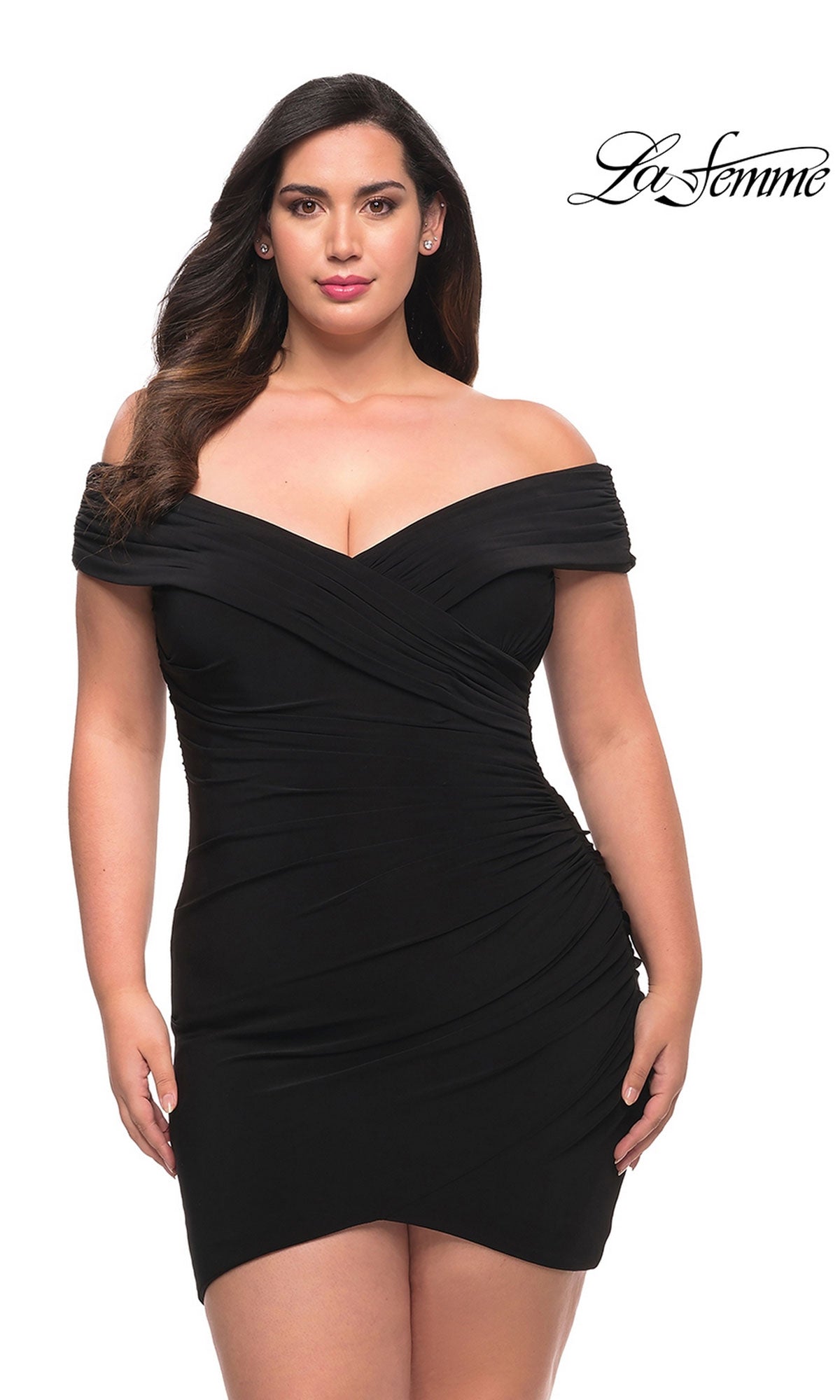
Before styling, we must define our canvas. What elements conspire to make a cocktail dress “sexy”? Scientifically, attractiveness in dress often relates to the concept of peak shift—an exaggeration of typical human form signals. In fashion, this translates to silhouettes that emphasize the waist-to-hip ratio, a cross-culturally recognized cue. A study from the University of Liverpool’s Department of Psychology noted that clothing which highlights this ratio can significantly influence perceived attractiveness. Therefore, the foundational elements of a sexy cocktail dress often include a defined waist (through tailoring, draping, or belts), strategic necklines (like a sweetheart or halter, which frame the décolletage), and hemlines that create a dynamic line. Fabric is another scientific variable. The drape and movement of materials like silk charmeuse or stretch crepe engage what fashion historian Valerie Steele, director of The Museum at FIT, calls “tactile imagination.” The whisper of fabric against skin adds a layer of sensuality that is felt as much as seen. It’s this interplay of cut, silhouette, and material that forms the objective foundation of the dress’s appeal, setting the stage for personalized styling.
The Psychology of Color and Occasion
Color psychology is not a mere marketing gimmage; it’s a field with substantial research behind it. The color of your sexy cocktail dress is your first non-verbal communicator. For a high-stakes corporate gala, where authority and trust are paramount, deep hues like navy, emerald green, or burgundy are scientifically supported choices. Research published in the Journal of Fashion Marketing and Management suggests darker colors are often associated with higher perceived competence. Conversely, for a summer garden wedding or a festive holiday party, brighter colors or metallics can signal approachability and celebration. Classic Little Black Dress (LBD), a concept popularized by Coco Chanel and later cemented as a cultural icon by Audrey Hepburn in Breakfast at Tiffany’s, operates on a different principle. As fashion critic Vanessa Friedman of The New York Times has articulated, the LBD’s power lies in its blank-slate quality—it projects chic austerity while allowing the wearer’s personality and accessories to take center stage. Thus, selecting a color is a strategic decision based on the emotional and social tone you wish to set.
2. The Art of Context: Styling for Five Key Occasions
Styling is the art of contextual adaptation. The same foundational dress can project wildly different messages based on how you accessorize and layer it. Here, we apply objective style principles to five distinct scenarios.
The Black-Tie Gala: Elegance as the Ultimate Statement
At a black-tie event, the dress code dictates a floor-length gown, but many modern cocktail-length dresses can be elevated to meet this standard through styling. The goal here is luxurious sophistication. Think in terms of material science and value perception. A sexy cocktail dress in velvet, heavy silk, or intricately beaded lace immediately signals luxury. Accessories should follow the “one statement piece” rule often cited by stylists like Rachel Zoe to avoid visual clutter. A single, exquisite piece of heirloom-quality jewelry—a diamond pendant, a bold art deco cuff—carries more weight than a dozen trendy items. This principle is backed by the economic concept of conspicuous consumption, where fewer, finer items signal taste and status more effectively than abundance. Footwear must prioritize elegance over mere height; a sleek, closed-toe pump in a matching or metallic hue is a classic choice. Your clutch should be minimal, perhaps a metallic envelope or a beaded minaudière, holding only essentials. The overall silhouette should be clean and uninterrupted.
The Chic Rooftop Party: Modern Edge and Dynamic Silhouettes
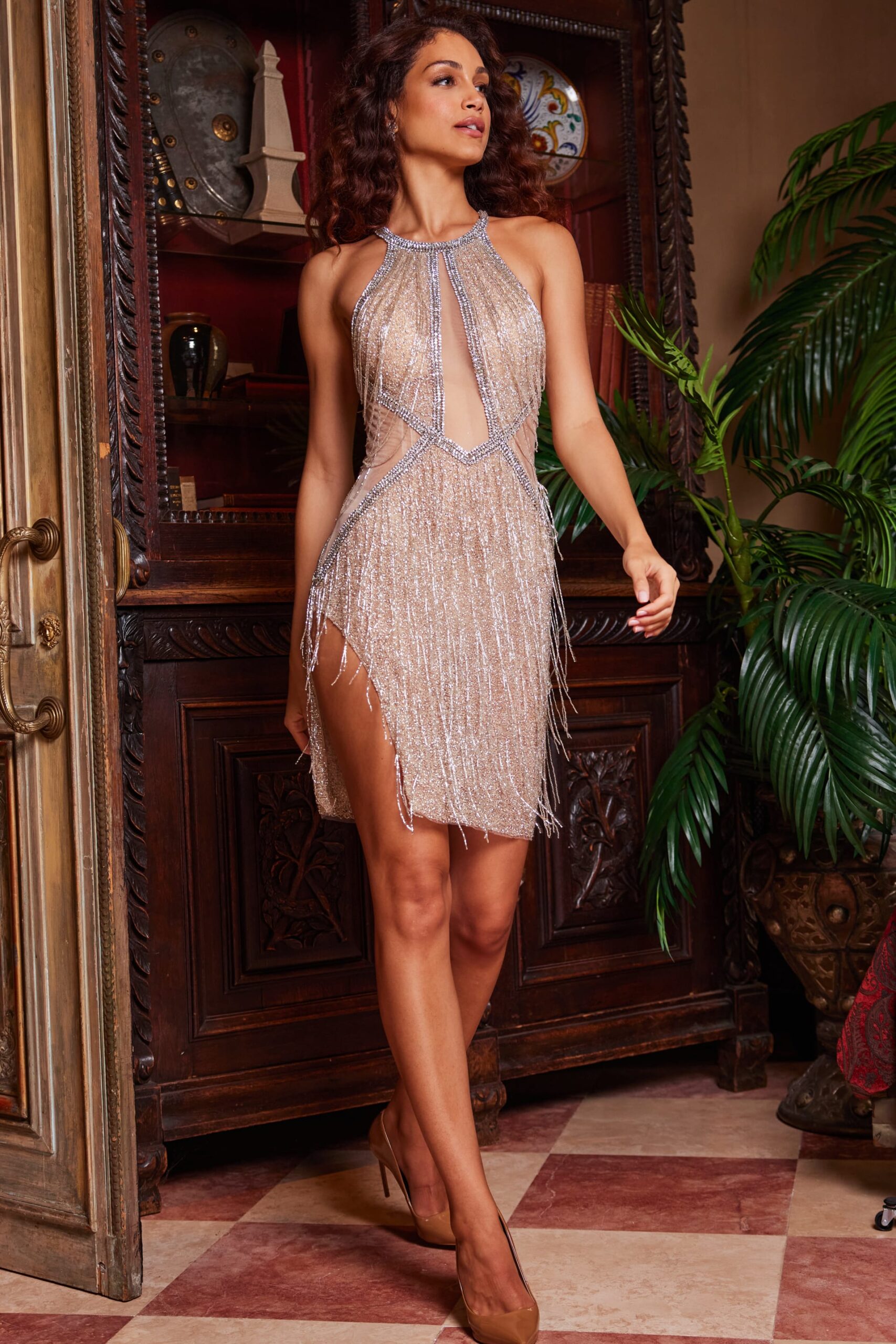
This setting calls for a balance between trendy and polished. The atmosphere is often more relaxed, creative, and visually driven (think social media). Here, architectural details on the dress—cut-outs, asymmetric hemlines, interesting back details—shine. According to viewpoints aggregated from fashion Q&A platforms like Quora and industry blogs, modern sexiness at such events is often defined by confidence in bold design choices rather than overt embellishment. Styling should be sleek and urban. A moto-style leather jacket thrown over a sleek slip dress creates a compelling texture contrast, a technique frequently used by celebrity stylists like Kate Young for clients on the go. Footwear can lean fashion-forward: strappy block-heel sandals or even designer sneakers with a midi dress, a look championed by the street style set. Jewelry should be geometric and modern—chunky hoops, a sculptural ring stack. The bag can be a small crossbody for hands-free socializing. This look leverages the principle of cognitive dissonance in style—the pleasing tension between the dress’s femininity and the edge of the accessories.
The Romantic Date Night: Intimacy and Personal Allure
Date night styling is deeply personal and hinges on subtlety and tactile appeal. The goal is to create a sense of intimacy and discovery. Fabrics with a soft drape or a slight shimmer (like satin or chiffon) work wonderfully under low lighting. As the famous costume designer Edith Head once said, “You can have anything you want in life if you dress for it.” For a romantic encounter, you want to dress for connection. Accessories should be delicate and meaningful—a locket, a thin bracelet with a charm, drop earrings that catch the light when you turn your head. Heels can be lower and more comfortable, prioritizing your ability to move and engage effortlessly. A wrap or a soft, cashmere cardigan adds a layer you can remove, creating a moment of narrative in the evening. The fragrance you choose is your invisible accessory, completing the sensory experience. The sexiness here is defined not by spectacle, but by focused attention to detail and comfort.
The Office Holiday Party: Navigating Professional Glamour
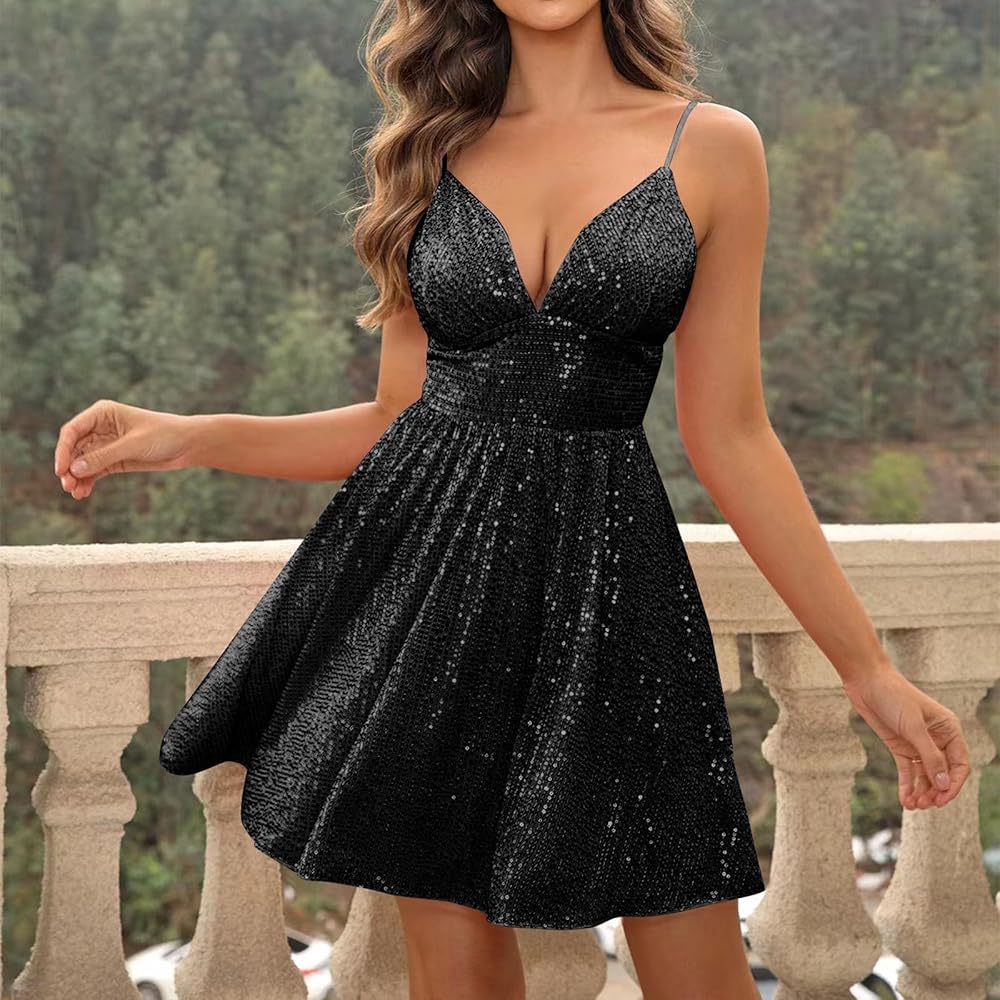
This is arguably the trickiest occasion, requiring a careful balance between celebration and professionalism. The core rule is to elevate, not transgress. A knee-length or midi sexy cocktail dress in a rich, conservative color (burgundy, dark green, navy) is a safe and chic start. The “sexy” element should come from excellent fit and luxurious fabric, not from shortness or deep plunges. As per guidelines often cited in human resources literature and professional development seminars, attire should not undermine your professional authority. Style with polished accessories: pearl studs, a delicate necklace, a structured blazer or a sophisticated shawl for coverage if needed. A closed-toe pump or a chic loafer keeps the look grounded. Your bag should be work-appropriate but polished. This approach aligns with sociologist Erving Goffman’s theory of “impression management,” where we consciously perform a role suitable for a given social setting. The holiday party is an extension of your professional stage, just with a touch more sparkle.
The Destination Wedding: Vibrant Culture and Comfort
A destination wedding demands versatility, comfort for climate, and respect for local culture and the couple’s theme. A flowy, printed midi dress or a sleek linen-blend sheath can be perfect. The sexiness here is in ease and vibrant energy. Footwear is critical—elegant wedges or embellished flat sandals that can handle grass or sand are essential. Accessories should be bold and colorful: statement earrings made of local materials, stacked bracelets, a wide-brimmed hat for daytime events. A large, stylish tote that can carry a wrap, sunscreen, and other essentials is practical and chic. This look embraces the anthropological aspect of dress: clothing as an adaptation to environment and community. It shows thoughtfulness and cultural sensitivity, which in itself is a profoundly attractive quality.
3. The Finishing Touches: Beyond the Dress
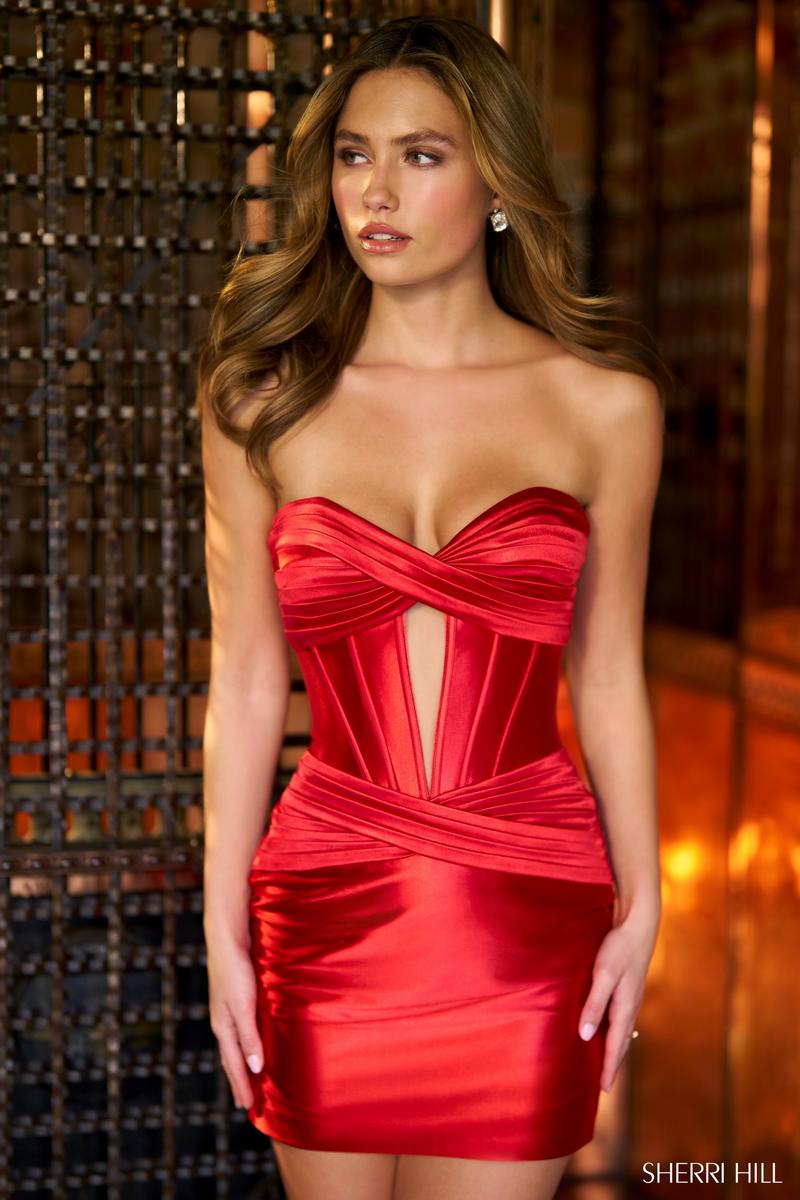
A perfectly styled sexy cocktail dress is rendered incomplete without mastering the finishing elements. Undergarments are the unseen architecture; a seamless, well-fitted bra and shapewear (if desired) that doesn’t create lines are non-negotiable for a sleek silhouette. This is a technical prerequisite, not an option. Hair and makeup should be considered an extension of your outfit’s narrative. For a sleek, modern dress, a slicked-back bun or sharp bob might be ideal. For a romantic, ruffled dress, loose waves or a soft updo could be perfect. Makeup artist Bobbi Brown’s philosophy of enhancing natural features rather than masking them is universally applicable—a bold lip or a smoky eye should complement, not compete with, your dress. Finally, posture and demeanor are the ultimate accessories. Carrying yourself with confidence and grace, what models call “owning the garment,” is the final, transformative step in styling. It’s the human element that brings the entire constructed look to life.
Empowerment Through Informed Style
Mastering the art of the cocktail dress is an exercise in personal and social literacy. It involves understanding the objective language of cut, color, and fabric, then skillfully translating that knowledge through the lens of context and personal identity. By approaching your wardrobe with this strategic blend of science and self-expression, you move beyond following trends to setting them. You learn that the most powerful sexy cocktail dress is the one that makes you feel authentically, unshakeably yourself, allowing you to engage with every occasion not just as a guest, but as a curator of your own experience. The true style secret is that knowledge is the most attractive accessory you can own.