

How to Style Sexy Cocktail Dresses for a Night Out
The allure of a night out is often crystallized in the perfect outfit—a garment that balances confidence, allure, and personal expression. At the heart of this sartorial quest lies the sexy cocktail dress, a versatile piece that has evolved from mid-20th-century social codes into a modern emblem of empowered style. This article is not about following rigid rules but about understanding the principles that allow you to command attention and feel authentically yourself. We’ll dissect the anatomy of the perfect look, from silhouette science to accessory alchemy, grounding our advice in objective insights and authoritative perspectives. Forget generic tips; this is a deep dive into crafting a presence that is as intellectually considered as it is visually captivating.
The Foundation: Understanding the Silhouette and Fabric
Before a single accessory is chosen, the power of your look is determined by the dress itself. The term “sexy cocktail dress” encompasses a spectrum of silhouettes, each communicating a different dialect of allure. The Little Black Dress, popularized by Coco Chanel and later immortalized by Audrey Hepburn in Breakfast at Tiffany’s, established a baseline of sophisticated, minimalist sex appeal. As fashion historian Valerie Steele notes in her work for The Museum at the Fashion Institute of Technology, “Sexiness in fashion is often about suggestion and context, not mere exposure.” This is the first principle: sexiness is a narrative. A bodycon dress, constructed from materials with four-way stretch like nylon-spandex blends, uses fabric technology to celebrate contours through tension and release, a concept rooted in the biomechanics of movement. In contrast, an A-line or fit-and-flare dress, often made from structured fabrics like duchess satin or jacquard, employs geometry to create allure through contrast, cinching the waist and releasing into a skirt that moves with kinetic energy. The scientific principle of the “golden ratio” or divine proportion (approximately 1.618:1), often studied in art and architecture at institutions like Stanford’s Design School, is unconsciously applied here; designs that visually approximate this ratio in the relationship between bodice and skirt, or neckline and hem, are perceived as more harmonious and aesthetically pleasing. Therefore, selecting your sexy cocktail dress begins with understanding your own form and the story you wish to tell—is it a tale of sculpted modernity, romantic flourish, or architectural drama?
The Alchemy of Details: Necklines, Hemlines, and Psychological Impact
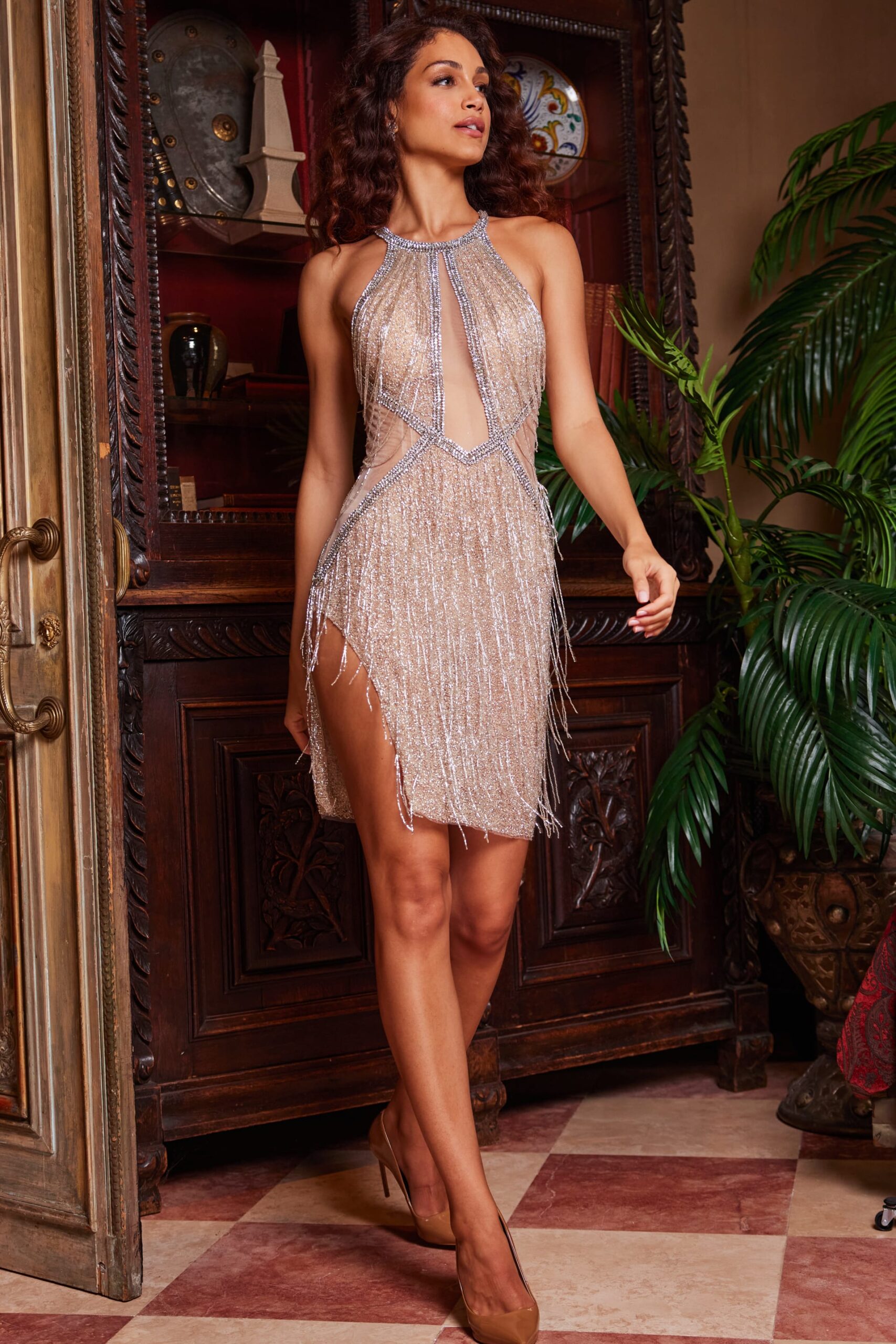
Once the silhouette sets the stage, the details write the script. A plunging V-neckline does more than reveal skin; it creates a vertical line that elongates the torso, a trick employed by designers like Yves Saint Laurent to convey confidence and openness. Psychological studies, such as those referenced in publications from the Journal of Nonverbal Behavior, suggest that clothing choices influencing posture and perceived body openness can affect both wearer confidence and observer perception. A high slit, a detail famously wielded by stars like Angelina Jolie, introduces an element of dynamic revelation tied to movement, a concept drawn from the cinematic language of film where costume reveals character through action. Conversely, a high neckline or illusion lace can project an aura of mysterious, covered allure, proving that concealment can be as powerful as revelation. The hemline itself, hovering traditionally at or just above the knee for a cocktail dress, exists in a potent space. Economist George Taylor’s (albeit debated) “Hemline Index” theory loosely connects shorter hemlines to societal optimism and economic booms. While not a hard science, it underscores the cultural weight carried by this simple measurement. Your choice here is a non-verbal cue. A sleek bandage dress with a square neck and knee-length hem speaks to a powerful, contained energy, while a ruffled, off-the-shoulder mini-dress with a flounce communicates playful exuberance. Each detail, from a keyhole back to delicate beading, is a punctuation mark in your style sentence.

The Architectonics of Accessories
A sexy cocktail dress is a masterpiece, but accessories are the curated gallery in which it is displayed. The principle here is one of complementary contrast, not competition. If your dress is a complex symphony of sequins or lace, your accessories should be a minimalist refrain—think sleek metallic sandals and a structured clutch. This aligns with the minimalist design philosophy advocated by figures like Dieter Rams, whose principle of “less, but better” ensures visual clarity and impact. Conversely, a simple sheath dress becomes a canvas for bold architectural jewelry, a practice seen in the iconic pairing of a black dress with statement pearls, championed by style luminaries like Coco Chanel. Footwear is foundational, literally and stylistically. A stiletto, through the principles of physics, alters posture, tilting the pelvis and emphasizing the curve of the calf, creating what costume designers call a “power silhouette.” However, the modern landscape embraces alternatives: a sharp, pointed-toe flat can convey avant-garde strength, while a strappy block heel offers a fusion of stability and sensuality. Your bag is not merely functional; its size and shape dictate the evening’s rhythm. A micro-clutch suggests a night of unencumbered socializing, while a slightly larger envelope clutch allows for practical empowerment. As style expert and author Amanda Brooks often states on her platforms, “The right accessory doesn’t just complete the outfit; it completes the attitude.”
The Finishing Canvas: Beauty and Grooming as Amplifiers
The final layer of your styling is the one you wear on your skin and in your demeanor. Makeup and hair should be conceived as extensions of the dress’s character. A bold, red lip—a symbol of glamour with roots in Hollywood’s Golden Age and analyzed in cultural studies for its associations with confidence—can be the perfect focal point with a simple black sexy cocktail dress. A smoky eye, with its gradient of color and light, mimics the drama of evening itself. Hairstyling follows a similar logic of harmony. Sleek, pulled-back hair (a chignon or slicked-back pony) exposes the neck and collarbones, amplifying the elegance of a dramatic neckline, a technique frequently used in red-carpet styling to highlight intricate jewelry and dress details. Loose, textured waves, on the other hand, introduce an element of effortless romance that softens the sharpness of a metallic or architectural dress. Crucially, grooming extends to posture and presence. The confidence with which you wear the dress is its ultimate accessory. As motivational speaker and author Amy Cuddy’s research on “power posing” (popularized in her TED Talk) suggests, adopting expansive, confident postures can actually alter hormone levels and increase feelings of personal power. Standing tall, moving with intention, and owning your space transform the dress from an object into an expression of self.
Knowledge as Your Best Accessory: Smart Shopping
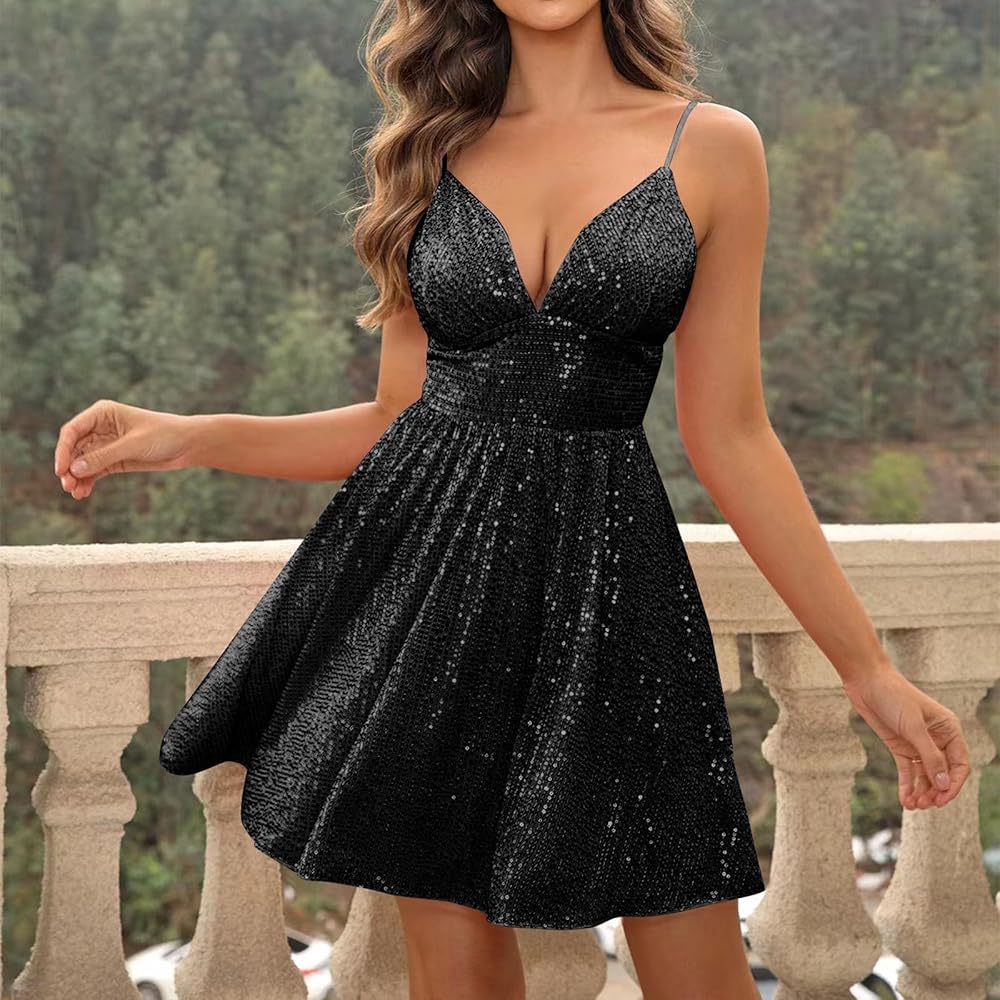
True style empowerment comes not just from knowing how to wear something, but from knowing how to shop for it. Understanding fabric composition (e.g., silk charmeuse for liquid drape, velvet for tactile luxury) and garment construction (look for fully lined dresses, secure zippers, and finished seams) is professional knowledge that ensures quality and longevity. This is where value transcends mere price. While high-end boutiques offer curated selections, the digital marketplace provides access to stunning designs at accessible points. For instance, savvy shoppers can find exceptional versions of a sexy cocktail dress through retailers that offer direct-to-consumer models, cutting out middleman markups. Look for seasonal sales, first-purchase discounts, and bundle offers. An investment in a timeless silhouette in a premium fabric, purchased at a strategic discount, yields a higher cost-per-wear value than multiple trend-driven, poorly made pieces. Remember the words of style icon Iris Apfel: “Fashion you can buy, but style you possess.” The key is to possess the knowledge to make your fashion purchases count, building a repertoire of dresses that feel uniquely and authentically yours, without compromising financial sensibility.

Styling the perfect night-out look is an exercise in intentional self-presentation. It begins with a sexy cocktail dress that resonates with your personal narrative, is elevated through the strategic science of accessories and beauty, and is underpinned by the smart acumen of an informed shopper. This approach moves beyond fleeting trends to cultivate a signature presence. When you step out, it’s not just in a dress—it’s in a carefully crafted armor of confidence, a conversation between fabric, form, and identity that begins before you even say a word.