

How to Style Sexy Cocktail Dresses for a Night Out
Stepping into the night, the right attire does more than just cover you—it becomes an extension of your confidence, a statement of your intent. The sexy cocktail dress stands as a quintessential piece in this nocturnal theater, a garment designed to balance allure with sophistication for evening engagements. This isn’t about following a rigid set of rules, but about understanding the principles of silhouette, fabric, and context to curate a look that is undeniably you. From the physics of how light interacts with different materials to the psychology of color and cut, styling such a dress is a nuanced art. We’ll navigate through objective style principles, drawing from design theory and cultural commentary, to help you master the art of the evening ensemble.
The Foundation: Understanding the Silhouette and Your Form
Before a single accessory is chosen, the dialogue begins between the dress and your silhouette. The term “silhouette” in fashion refers to the overall outline or shape of a garment. Renowned designer Christian Dior revolutionized post-war fashion with his “New Look,” emphasizing a defined waist and a full skirt—a testament to how silhouette alone can convey a powerful aesthetic message. A sexy cocktail dress often employs silhouettes that celebrate the female form, such as the sheath, fit-and-flare, or bodycon. The key is proportionality. As Tim Gunn, former co-host of Project Runway, often emphasized, “Make it work” starts with fit. A dress that is too tight creates tension lines; one that is too loose obscures your shape. Scientific studies in body perception, like those cited in the Journal of Personality and Social Psychology, suggest that clothing which follows the natural lines of the body is often perceived as more attractive and put-together. Your goal is not to hide but to harmonize. For instance, an A-line dress can elegantly balance broader shoulders, while a wrap dress can create an hourglass illusion. The objective is to select a silhouette that makes you feel structurally sound and spectacular.
Material World: The Science of Fabric and Drape
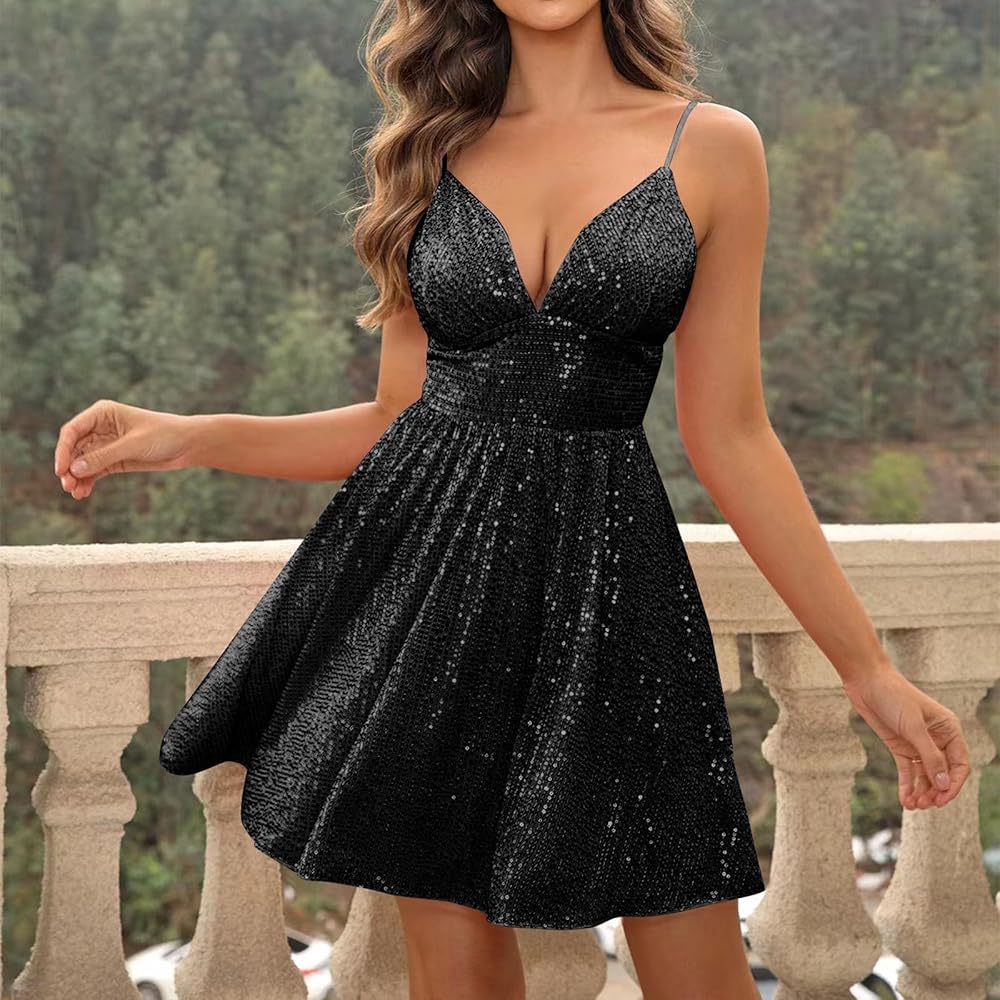
The soul of a dress lies in its fabric. The drape—how fabric falls and flows—is determined by its weight, weave, and fiber content. This isn’t mere opinion; it’s textile science. A silk charmeuse, for example, has a dense weave and a smooth finish, allowing it to glide over the body with a liquid sheen, a quality frequently highlighted in vintage Hollywood glamour. In contrast, a structured lace or a neoprene (a synthetic rubber often used in modern fashion) will hold its shape, offering more architectural lines. The interaction of light with fabric is also crucial. Satin, with its glossy surface, reflects light uniformly, highlighting curves. Matte fabrics like crepe absorb light, offering a more subdued, sophisticated contouring. As Coco Chanel purportedly advised, “Dress shabbily and they remember the dress; dress impeccably and they remember the woman.” The fabric choice directs this attention. A sexy cocktail dress in a velvet, with its plush nap that changes color with movement, adds a tactile, luxurious dimension perfect for a winter soirée. Understanding these properties allows you to choose a material that not only feels comfortable but performs visually under the specific lighting conditions of your venue, be it the soft glow of a lounge or the bright lights of a club.
The Chromatic Strategy: Color Psychology and Context
Color is your silent ambassador. Its impact is rooted in color theory and cultural psychology. While black remains the archetype of cocktail elegance—slimming, chic, and endlessly versatile—the night invites exploration. Red, often associated with confidence and energy, can be a powerful choice. Research in color psychology, such as that referenced by the Pantone Color Institute, links red to increased attraction and attention. A study published in the European Journal of Social Psychology found that waitresses wearing red received higher tips from male patrons, underscoring its subconscious impact. However, context is king. A deep emerald green or sapphire blue can convey regal sophistication and is exceptionally flattering under artificial light. Metallics—gold, silver, bronze—act as light sources themselves, perfect for making a dazzling entrance. The choice should resonate with your personal aura and the event’s tone. A rooftop party might call for a vibrant cobalt, while an intimate gallery opening may be better suited for a muted taupe or burgundy. The color of your sexy cocktail dress sets the narrative before you speak a word.

Architectural Details: Necklines, Hemlines, and Strategic Reveal
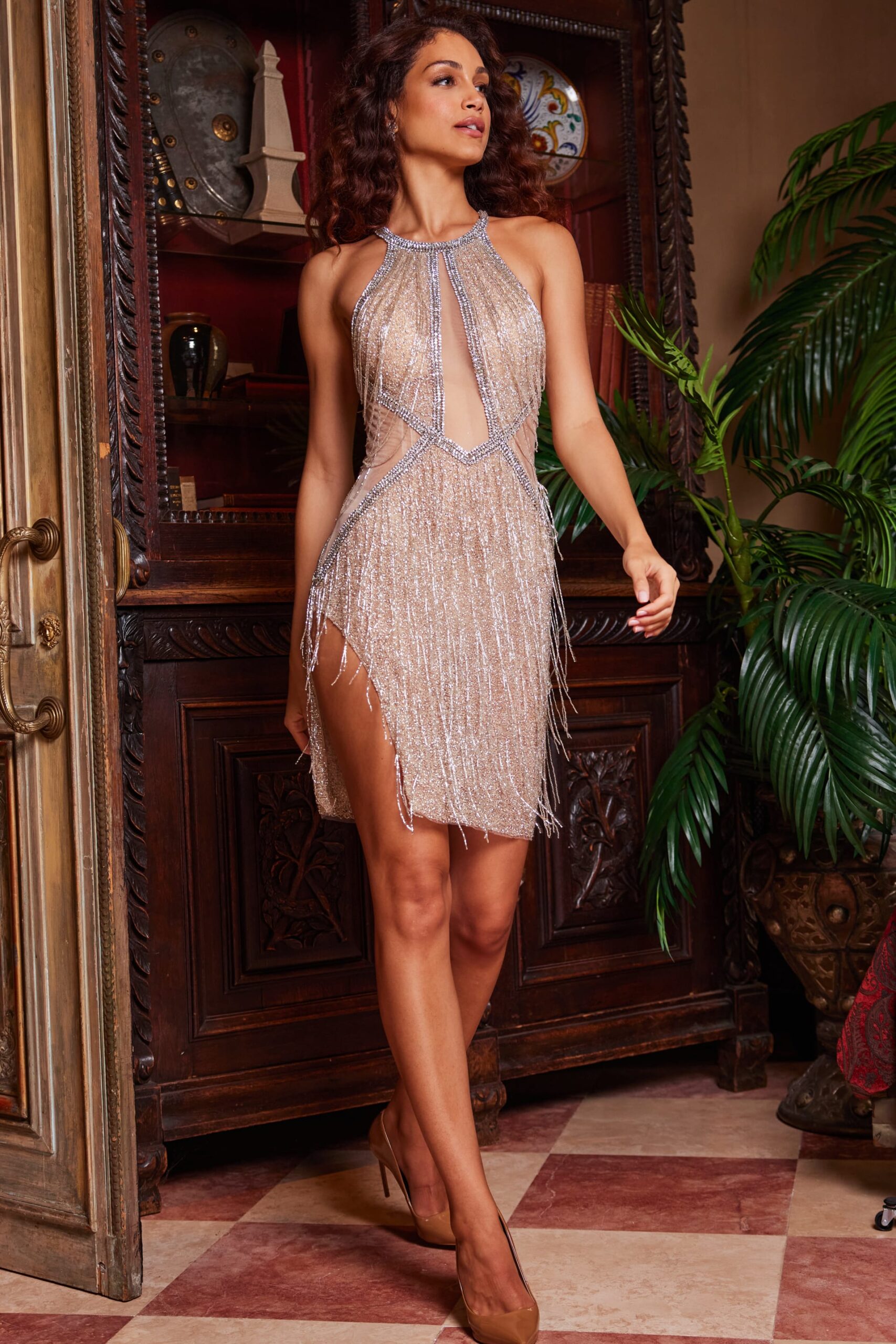
The devil, and the divinity, are in the details. The cut of a neckline or the sweep of a hemline frames your assets with intentionality. A V-neck, grounded in the geometric principle of leading the eye, elongates the neck and torso. The “halter” neckline, popularized by icons like Grace Kelly, draws attention to the collarbones and shoulders, creating a strong, sculptural upper body. As fashion historian Valerie Steele notes in her work for The Museum at the Fashion Institute of Technology, details like these are not arbitrary; they evolve from cultural trends and ideals of beauty. The hemline, a subject of much economic and social theory (remember the “Hemline Index”?), for a cocktail dress typically falls at or above the knee. A high-low hem or a daring slit introduces dynamic movement and a calculated reveal, concepts explored in the aesthetics of dancewear and performance costume. The art is in choosing one focal point. If the dress features a plunging back, a conservative front maintains balance. This principle of “one statement feature” is a cornerstone of elegant styling, preventing the look from becoming overwhelming and ensuring the sexy cocktail dress remains classically alluring rather than overtly provocative.
The Finishing Calculus: Accessories, Footwear, and Professional Insight
Accessories are the punctuation marks of your outfit. They should complement, not compete. The concept of visual weight is key here. A dress with heavy beading or sequins pairs best with minimalist jewelry—perhaps a single, sleek cuff or delicate studs. A simple sheath becomes a canvas for bold, architectural jewelry. Handbag selection follows function: a chic clutch is the standard for its portability and elegance. Footwear extends the line of the dress. Nude heels create an uninterrupted leg line, a trick consistently used on red carpets to add perceived inches of height. Statement heels in a contrasting color can anchor and elevate a simple dress. Here, professional knowledge meets practical benefit. Investing in timeless, high-quality accessories often yields a better cost-per-wear than fast-fashion alternatives. Look for end-of-season sales on luxury sites or consider rental services for high-end pieces. Remember the words of style icon Iris Apfel: “More is more and less is a bore.” But she also practiced extraordinary editing. The final look should feel cohesive, as if each element was destined to be with the others.
The Final Layer: Confidence as the Ultimate Accessory
All the objective knowledge, the perfect fit, and the meticulous styling coalesce into one intangible yet paramount element: confidence. This is not a fluffy afterthought but a psychological reality. Amy Cuddy’s renowned TED Talk and subsequent book Presence delve into the science of “power posing”—how adopting expansive, confident postures can actually alter testosterone and cortisol levels in the brain, reducing stress and increasing feelings of assurance. When you wear a sexy cocktail dress that truly fits and reflects your style, it facilitates this powerful posture. You stand taller, move more freely, and engage more openly. This confidence transforms the dress from a mere garment into an expression of self-possession. It’s the difference between wearing a dress and owning the room. As the late, great fashion editor Diana Vreeland observed, “The eye has to travel.” Your confidence ensures that when eyes travel to you, they see someone who is composed, intentional, and radiantly self-assured.

Navigating the world of evening wear is an exercise in personal expression through design principles. It begins with the honest assessment of silhouette and fabric, proceeds through the strategic use of color and detail, and is perfected with curated accessories. The true power of a sexy cocktail dress is unlocked not by slavishly following trends, but by applying this foundational knowledge to choices that celebrate your individual form and spirit. When these elements align, you are not just dressed for a night out; you are equipped for an experience, ready to engage with the evening from a place of authentic strength and style.