

How to Style Sexy Cocktail Dresses for Every Occasion
Navigating the world of evening wear can be a sartorial minefield, but the sexy cocktail dress remains a timeless, versatile cornerstone. It’s more than just a garment; it’s a tool for personal expression, a confidence amplifier, and a social chameleon. The true art lies not in owning one, but in mastering its styling to transition seamlessly from a sophisticated garden party to a pulsating downtown lounge. This guide delves into the objective principles of fashion design, color psychology, and social context to equip you with the knowledge to make every sexy cocktail dress in your closet work overtime for you.
Deconstructing the “Sexy Cocktail Dress”: A Foundation in Silhouette and Fabric
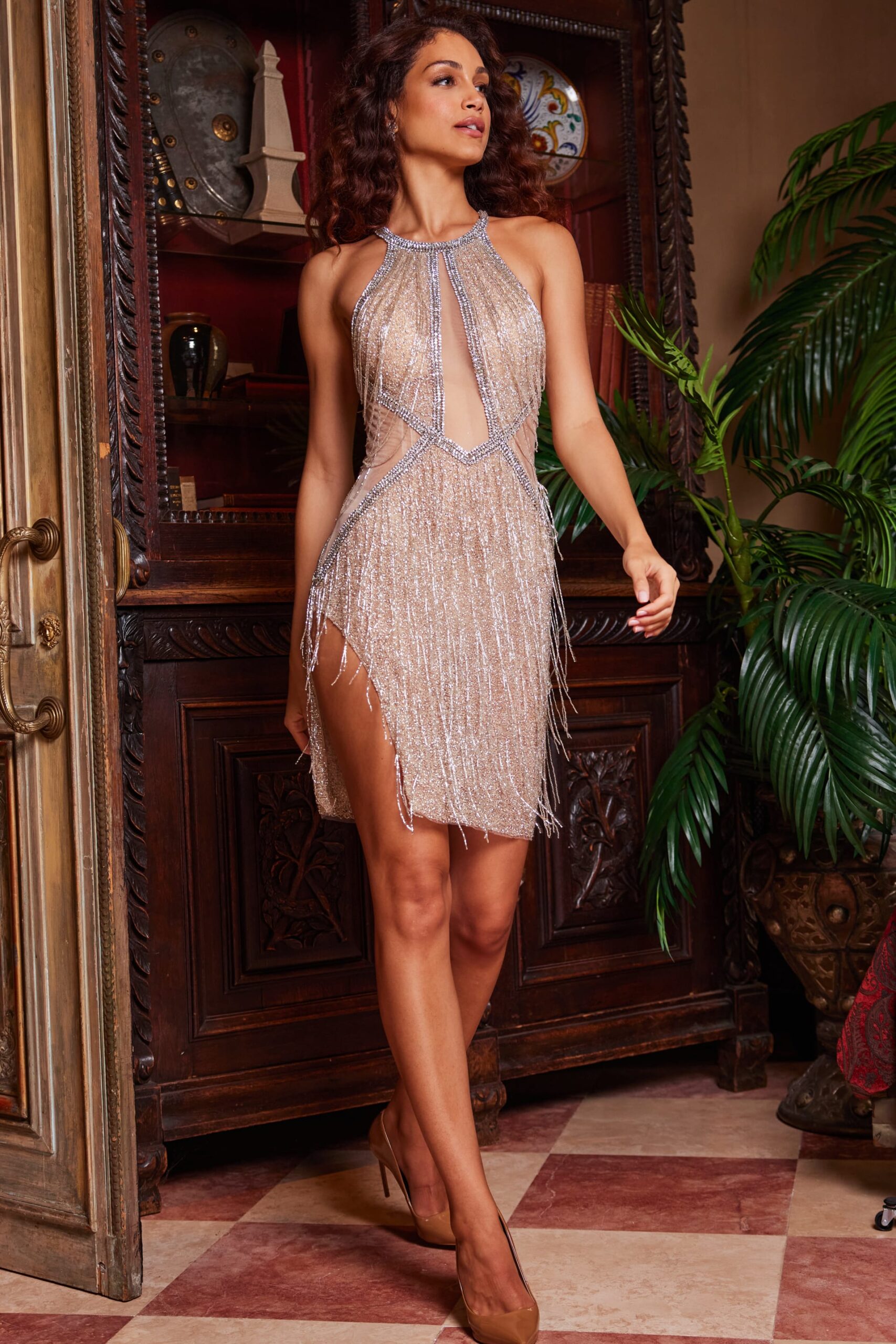
Before styling, we must understand the components. A cocktail dress, by historical definition originating in post-Prohibition 1920s America, is a semi-formal dress typically worn for late-afternoon or early-evening social events. The adjective “sexy” introduces elements that emphasize or celebrate the wearer’s form. This is achieved through key variables: silhouette and fabric. The silhouette—be it the body-con mermaid, the flirty fit-and-flare, or the sleek sheath—dictates the dress’s architectural interaction with your body. Fashion historian and curator at The Museum at FIT, Valerie Steele, has often noted in her publications that “silhouette is the first language of fashion,” communicating intent before a single step is taken. Fabrics then give this silhouette its character. A structured jacquard commands authority, a flowing chiffon suggests ethereal romance, while a sleek satin or velvet exudes luxurious sensuality. The scientific principle of drape, or how a fabric falls under its own weight, is crucial here. A technical report from the Cornell University Department of Fiber Science explains that the bending modulus of a fabric directly influences its fluidity and cling, which in turn shapes perception. Understanding this foundation allows you to select a dress not just because it’s pretty, but because its inherent properties align with your styling goals for the occasion.
Occasion as Your North Star: Context is Everything
The single most critical factor in styling is the occasion. A sexy cocktail dress worn inappropriately can undermine its power. We can categorize occasions into broad archetypes. The Daytime or Garden Party Event calls for modulation. Here, “sexy” translates to subtlety. Opt for dresses in lighter hues or playful prints, with coverage balanced by strategic cut-outs or a lower back. A statement sun hat and block-heeled sandals can ground the look, making it chic rather than overtly provocative. As style icon Audrey Hepburn once demonstrated, elegance is the only beauty that never fades, and daytime events demand this refined approach. Conversely, the Evening Cocktail Party or Gallery Opening is the classic domain of the cocktail dress. This is your moment to embrace darker palettes, richer textures like velvet or sequins, and more defined silhouettes. The styling here leans into sophistication; think tailored blazers, sleek clutch bags, and elegant stilettos. The third archetype is the Nightclub or Late-Night Social Event. Here, the rules relax, and experimentation is key. Metallics, bold colors, and more daring cuts—high slits, plunging necklines—come into play. Footwear shifts to statement boots or dazzling strappy heels, and accessories can be maximalist. The underlying principle, supported by sociologist Erving Goffman’s theory of “front stage” performance in social interactions, is that dressing is a form of non-verbal communication tailored to a specific audience and setting.

The Alchemy of Accessories: From Complement to Statement
Accessories are the punctuation marks of your outfit; they can turn a simple sentence into a dramatic declaration or a subtle whisper. The goal is harmony, not cacophony. For a dress with intricate detailing—beading, lace, a unique neckline—the accessory strategy should be minimalist. A pair of simple stud earrings, a delicate bracelet, and a classic clutch allow the dress to shine. Conversely, a simple, solid-color sexy cocktail dress is a blank canvas begging for artistic expression. This is where you can introduce a bold, chunky necklace, stacked rings, or dramatic drop earrings. Footwear is non-negotiable in setting the tone. A pointed-toe pump elongates the leg and adds severity, a strappy sandal introduces romance, and a chic ankle boot can edge up a simpler dress. Handbags should be proportional and practical; a gala might require a sleek metallic clutch, while a more casual mixer could accommodate a small, structured crossbody. The psychological impact is real. A study cited in the Journal of Consumer Psychology found that the act of accessorizing can significantly enhance the wearer’s perceived sense of identity and confidence, completing the transformation the dress begins.
Color Psychology and Personal Palette: Beyond the Little Black Dress
While the Little Black Dress (LBD) is a rightful legend, its power sometimes overshadows the immense strategic use of color. Color psychology provides an objective framework for your choice. Red, extensively analyzed in research from the University of Rochester, is consistently linked to perceptions of confidence, dynamism, and, in social contexts, attraction. A red sexy cocktail dress is a command for attention. Blue, in its deeper shades like navy or sapphire, conveys trust, stability, and intelligence—perfect for networking events. Emerald green speaks of luxury and vitality, while metallics like gold and silver project success and celebration. Beyond universal associations, your personal coloring—your skin’s undertone, hair, and eye color—plays a role. The seasonal color analysis theory, popularized by consultants like Carole Jackson in Color Me Beautiful, provides a system to identify hues that make you look radiant. A dress in “your” color doesn’t just fit the occasion; it makes you look healthier and more vibrant, amplifying the dress’s impact. This is where personalization meets science, ensuring your dress doesn’t wear you.

Layering and Outerwear: The Practical Elegance Solution
A common styling hurdle is transitioning a cocktail dress across climates and settings. The solution lies in strategic outerwear, which should be viewed as an integral part of the ensemble, not an afterthought. For a tailored, powerful look, a well-fitted tuxedo blazer in black or a contrasting color adds structure and authority. A leather or faux leather moto jacket instantly injects a dose of contemporary edge, transforming a sweet lace dress into a rock-chic statement. For ultimate elegance, a cashmere wrap or a structured wool coat in a complementary color provides warmth without sacrificing style. The key is proportion and fabric harmony. A delicate chiffon dress paired with a heavy, boxy parka creates visual discord, while a sleek satin sheath under a streamlined trench coat maintains a cohesive line. This practice isn’t just stylistic; it’s deeply practical, extending the wearable season of your dresses and ensuring comfort, which is the ultimate foundation of confidence.
Investment with Intelligence: Building a Versatile and Economical Wardrobe
Building a collection of sexy cocktail dresses need not bankrupt you. The modern approach combines investment pieces with strategic, trend-aware purchases. Start with two or three foundational dresses: the impeccable LBD, a versatile jewel-toned sheath, and perhaps a playful fit-and-flare in a timeless print. These are your workhorses, where quality of fabric and construction is paramount. For these, consider it a cost-per-wear investment. Then, use more affordable retailers or seasonal sales to incorporate trend-driven pieces—a dress with current sleeve details, a popular color of the season, or a novel texture. Websites like Shopbop or Revolve often have significant end-of-season discounts on designer pieces. Furthermore, rental services like Rent the Runway have democratized access to high-end designer dresses for one-off events, a model praised by fashion economists for its sustainability and financial sense. The goal is a curated closet where every dress has a defined role and multiple styling pathways, ensuring you are perpetually event-ready without redundancy or waste.

Mastering the sexy cocktail dress is an exercise in self-knowledge and contextual awareness. It begins with understanding the garment’s own language—its cut, fabric, and color—and then translating that into a dialogue with the world around you. By applying these principles of occasion-matching, strategic accessorizing, color intelligence, and smart layering, you move beyond simply wearing a dress to crafting a personal narrative for every event. The result is not just a series of well-styled outfits, but an embodied confidence that turns every entrance into a statement and every occasion into an opportunity to express the multifaceted, powerful individual you are.