

5 Must-Have Summer Cocktail Dresses for Effortless Evening Glamour
As the sun lingers and twilight stretches, the allure of a summer evening beckons. It’s a season of rooftop soirees, garden parties, and elegant weddings, where your attire must bridge the gap between daytime ease and nighttime sophistication. The cornerstone of this transition is the perfect summer cocktail dress. This isn’t merely about a garment; it’s about curating a personal arsenal of dresses that promise confidence and radiance from the first toast to the last dance. The right dress functions as a sartorial passport to these moments, blending comfort with undeniable style. Let’s move beyond fleeting trends and focus on five foundational silhouettes that constitute a complete, versatile wardrobe for the season’s glamorous events. Each piece is selected not just for its aesthetic appeal but for its ability to be a reliable, repeatable choice, offering both professional design insight and guidance toward value, ensuring you invest in pieces that deliver maximum impact.
The Timeless Shift: Architectural Elegance in Motion
The shift dress stands as a monument to modernist design in fashion. Characterized by its straight, clean lines that hang from the shoulders without a defined waistline, it is the epitome of architectural elegance. Its origins are often linked to the 1920s flapper dress, a symbol of liberation, but it was designers like Cristóbal Balenciaga in the 1950s and 60s who refined it into a high-fashion silhouette, celebrating the shape of the fabric itself rather than the form beneath it. From a scientific perspective, its power lies in its optical illusion. The lack of cinching creates a vertical, columnar line that can elongate the frame, a principle supported by the Gestalt laws of perception in visual psychology, where uninterrupted lines are perceived as longer. This makes it an exceptionally forgiving and universally flattering option. For a summer evening, a shift cocktail dress crafted in a luxurious silk faille or a crisp, lightweight linen-blend offers both structure and breathability. The beauty is in the details: a geometric cut-out at the back, a subtle metallic thread woven through the fabric, or a bold graphic print. It’s a dress that speaks through its precision. As fashion historian Valerie Steele once noted in an interview for The Museum at FIT, “The shift dress represents a deliberate move away from overtly constructed femininity to a more abstract, powerful form of beauty.” It’s the ideal choice when you wish to project an air of intelligent, understated chic, allowing your demeanor to take center stage. When seeking value, look for impeccable construction in the seams and hemline—signs of a garment that will withstand seasons, not just a single summer.
The Romantic Wrap: Dynamic Flattery Defined
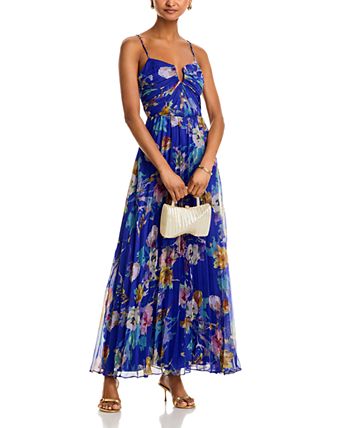
If one dress has been consistently championed by stylists and women alike for its fail-proof fit, it is the wrap dress. Its genius is rooted in a simple, adjustable design that creates a deep V-neckline and a cinched waist, effortlessly accentuating the feminine form. Diane von Fürstenberg, who famously declared the wrap dress a symbol of independence and confidence in the 1970s, built an empire on its premise. The design’s success is not accidental; it leverages fundamental principles of tailoring and anatomy. The diagonal lines formed by the wrapping fabric are dynamic and, according to the Vogue’s Book of Etiquette and Good Manners from 1969, “create a slimming, eye-leading effect that is inherently graceful.” Furthermore, the adjustable tie allows for personalized comfort and fit, accommodating subtle changes in one’s body—a scientific nod to ergonomic design in fashion. A summer cocktail version in a flowing chiffon, a vibrant floral jacquard, or a sleek satin becomes a canvas for romance. It moves with the body, offering both coverage and a hint of allure. The wrap dress democratizes glamour; it doesn’t require a specific body type to look magnificent. This inherent versatility makes it a workhorse in your evening wardrobe. For a summer wedding or a dinner party, it is perpetually appropriate and perpetually complimented. To find a piece with lasting value, prioritize the quality of the fabric—a viscose or silk blend that drapes without clinging—and check that the inner wrap closure is secure, ensuring elegance that lasts all evening.
The Statement Slip: Minimalism with a Whisper of Nostalgia
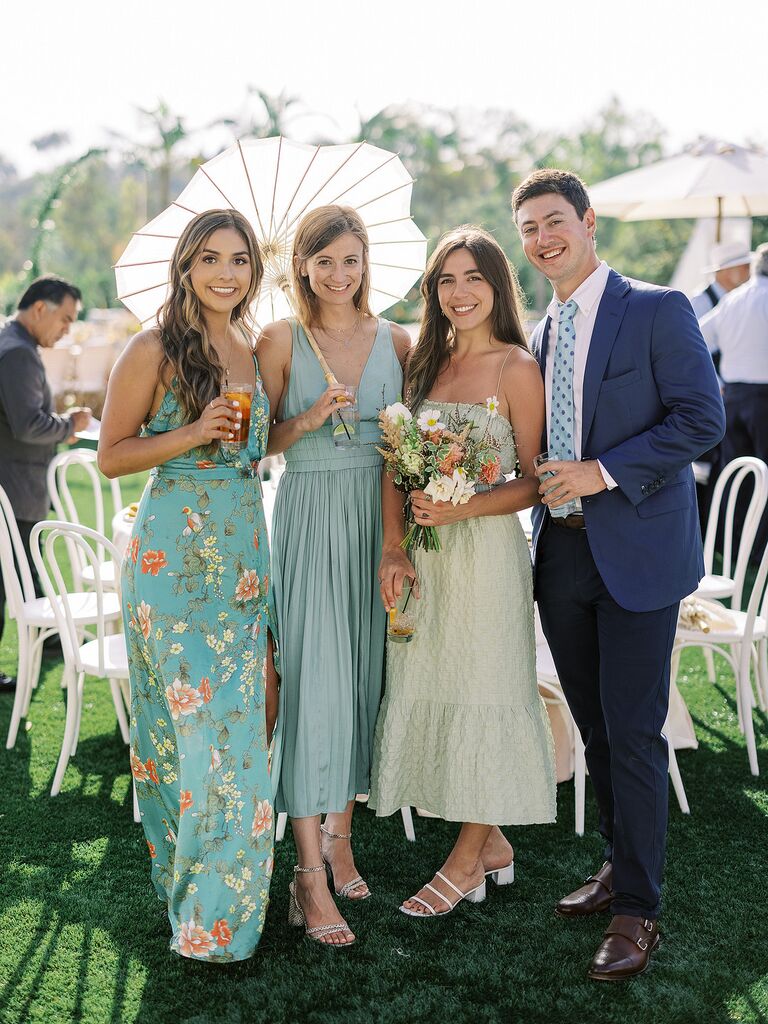
The slip dress, once a strictly private undergarment, was catapulted into the realm of high-fashion evening wear in the 1990s by icons like Kate Moss and designers at Calvin Klein. It represents a pinnacle of minimalist glamour. Its defining features are its slender spaghetti straps, delicate bias cut, and fluid, body-skimming silhouette. The bias cut, pioneered by Madeleine Vionnet in the 1920s, involves cutting fabric at a 45-degree angle to its warp and weft. As documented by the Fashion Institute of Technology’s archives, this technique allows the fabric to stretch and cling to the body’s curves in a uniquely forgiving and sensual way, a marriage of geometry and anatomy. A summer cocktail dress in this style, rendered in silk charmeuse or satin, captures the light and movement of a warm evening like no other. It is a study in less-is-more, where the luxury is in the material and the cut itself. However, its simplicity is its power. It serves as a perfect base for layering—a beaded jacket for a formal event, a leather moto for a cooler rooftop—or can stand alone with impeccable jewelry. This dress connects the wearer to a lineage of effortless cool. As author and style critic Terry Newman observes in her book “Legendary Authors and the Clothes They Wore,” the slip dress embodies a “literary, introspective kind of glamour, one that suggests depth rather than mere decoration.” It’s a sophisticated choice that feels both modern and timeless. Investing in a well-made slip dress means seeking out a fully lined version with substantial straps and quality hardware, ensuring it transcends the trend cycle to become a permanent fixture in your collection.

The Voluminous Balloon: Sculptural Playfulness for the Bold
For those who view fashion as wearable art, the balloon or puff-sleeve silhouette offers a dramatic and joyful expression. This style plays with volume, often featuring exaggerated sleeves, a gathered waist, and a skirt that billows out before tapering. Its historical roots can be traced to Renaissance portraiture and 1980s power dressing, but its modern interpretation is more whimsical and refined. The design plays with negative space and proportion, concepts central to architectural and artistic theory. By amplifying volume at the shoulders or hips, it can create an hourglass illusion or simply make a bold, joyful statement. From a materials science standpoint, achieving this look requires fabrics with both body and lightness—think organza, tulle, or lightweight cotton voile—that can hold a shape without weighing the wearer down. A balloon-sleeve summer cocktail dress in a bright solid hue or a tiny print is inherently photogenic and radiates confidence. It’s a dress that doesn’t just enter a room; it makes an entrance. This style resonates with the philosophy of designer Rei Kawakubo of Comme des Garçons, who, in a statement for The Metropolitan Museum of Art’s “Art of the In-Between” exhibition, spoke of designing for the “space between the body and the clothing.” It’s a choice for the fashion-forward attendee who finds glamour in creativity and movement. When shopping, value is found in the technical execution: the sleeves should be supported without being stiff, and the dress should feel balanced, not cumbersome, allowing you to socialize with ease.

The Asymmetrical Muse: Dynamic Energy and Modern Edge
Asymmetry is a powerful tool in design, creating visual interest, movement, and a sense of the unexpected. In fashion, an asymmetrical hemline or neckline breaks the monotony of symmetry, which the human brain is naturally wired to seek out and find pleasing. This very disruption, however, is what makes it so captivating. Psychologist and art theorist Rudolf Arnheim, in his book “Art and Visual Perception,” argued that asymmetry introduces tension and dynamism, making a composition more active and engaging. An asymmetrical cocktail dress—with a high-low skirt, a one-shoulder neckline, or a diagonal drape—embodies this principle. It suggests modernity, confidence, and a nuanced understanding of style. For a summer evening, such a dress in a breezy georgette or a tech-friendly crepe keeps you cool while ensuring all eyes are on you. The diagonal lines it creates are slimming and energetic, perfect for a dance floor. This silhouette has been a red-carpet favorite for decades, worn by celebrities from Grace Kelly to Zendaya, proving its enduring appeal. It speaks to a woman who is both elegant and interesting, who appreciates classic glamour but insists on a contemporary twist. As stylist Law Roach famously said in a YouTube interview, “Asymmetry is a conversation starter. It tells people you understand the rules well enough to artfully break them.” To acquire a lasting piece, examine the craftsmanship of the asymmetrical detail. It should look intentional and secure, not haphazard, with clean finishing that maintains the dress’s sophisticated edge.

Curating your evening wardrobe with these five silhouettes is an exercise in strategic style. Each dress—the architectural Shift, the flattering Wrap, the minimalist Slip, the voluminous Balloon, and the dynamic Asymmetrical number—serves a distinct purpose and mood. Together, they form a complete spectrum of summer cocktail dresses capable of handling any glamorous invitation that arrives on your doorstep. The goal is not accumulation, but intelligent selection. By understanding the design principles and historical context behind each style, you empower yourself to choose pieces that are not just beautiful, but meaningful and enduring. Look for quality fabrics, precise construction, and silhouettes that resonate with your personal narrative. This approach transforms the search for a summer cocktail dress from a seasonal chore into the cultivation of a personal gallery of glamour, where every piece promises effortless confidence as the stars come out.