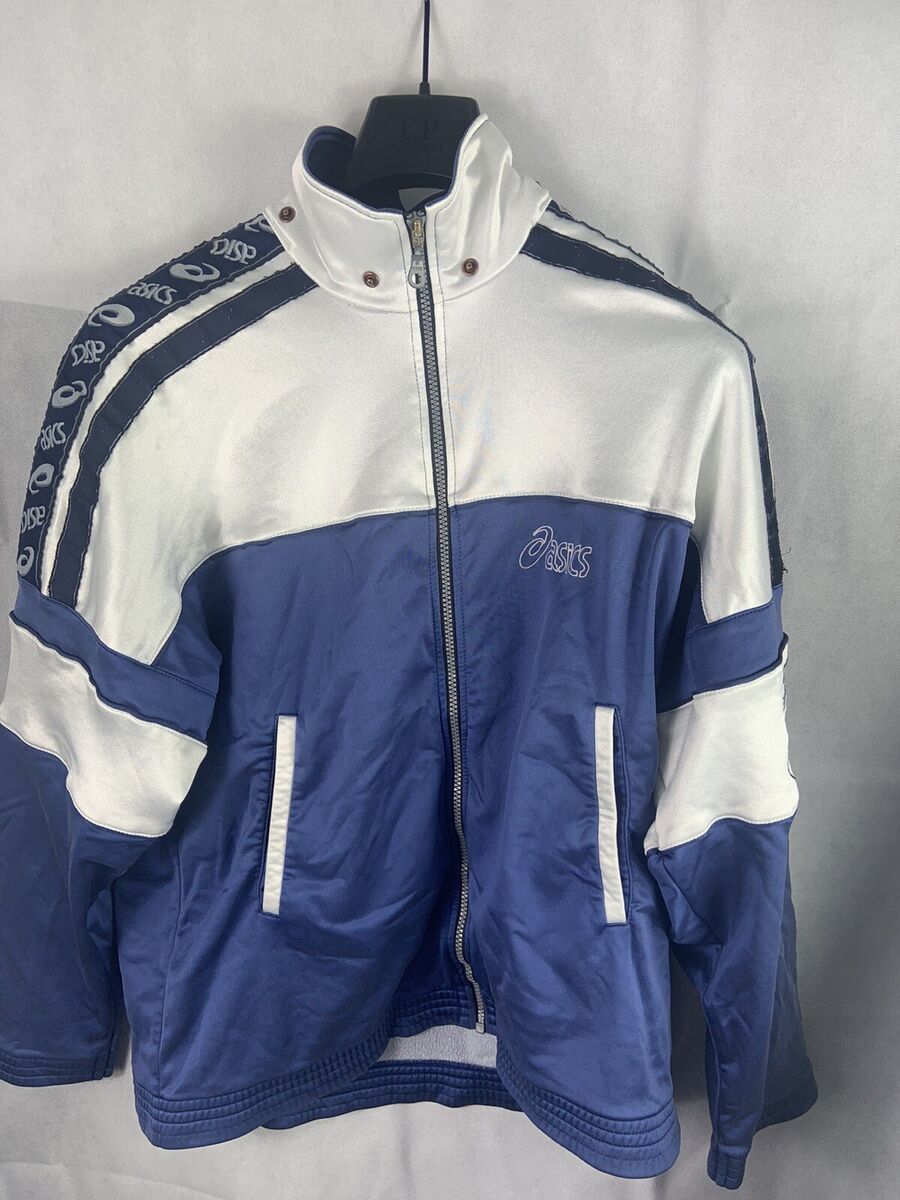
The Ultimate ASICS Windbreaker Guide for Active Lifestyles
When you step out the door for a run, a hike, or simply to face a blustery day, the right outer layer isn’t just clothing—it’s your first line of defense and a key performance enhancer. In the vast ecosystem of athletic wear, the windbreaker stands as a fundamental piece, and within that category, the ASICS windbreaker has carved out a reputation for technical precision and functional reliability. This isn’t about fleeting fashion trends; it’s about integrating engineered apparel into your dynamic life. The core proposition is straightforward: a well-designed windbreaker is an indispensable tool for anyone committed to movement, and ASICS, with its deep roots in sport science, offers some of the most thoughtfully constructed options available. We will dissect the anatomy of these garments, from the molecular structure of their fabrics to the strategic placement of their seams, providing you with the knowledge to select a shield that complements your ambition, whether you’re training for a marathon or navigating an urban commute.
The Science of Wind Protection: More Than Just a Barrier
To understand the value of a specialized ASICS windbreaker, one must first appreciate what “wind” means in a physiological context. Wind chill isn’t just a subjective feeling; it’s a quantifiable heat loss mechanism. As explained by the National Weather Service, wind chill accelerates the rate at which your body loses heat to the surrounding air, effectively making the environment feel colder than the actual air temperature. A static layer of air trapped close to your skin acts as a natural insulator. Wind strips this layer away, forcing your body to expend significantly more energy to maintain its core temperature. A windbreaker’s primary function is to halt this process. It creates a microclimate. The fabrics used, often lightweight nylons or polyesters with specialized coatings or laminates, are engineered to be impermeable to air molecules while remaining breathable to water vapor. This is the critical balance. As noted in textile science literature from institutions like the University of Leeds, high-performance weatherproof fabrics achieve this through micro-porous membranes or hydrophilic coatings that allow sweat vapor to escape (breathability) while blocking wind and liquid water from entering. An ASICS windbreaker leverages this science, integrating materials designed not to simply block wind, but to manage the entire thermal exchange between you and your environment, ensuring you stay protected without overheating during exertion.
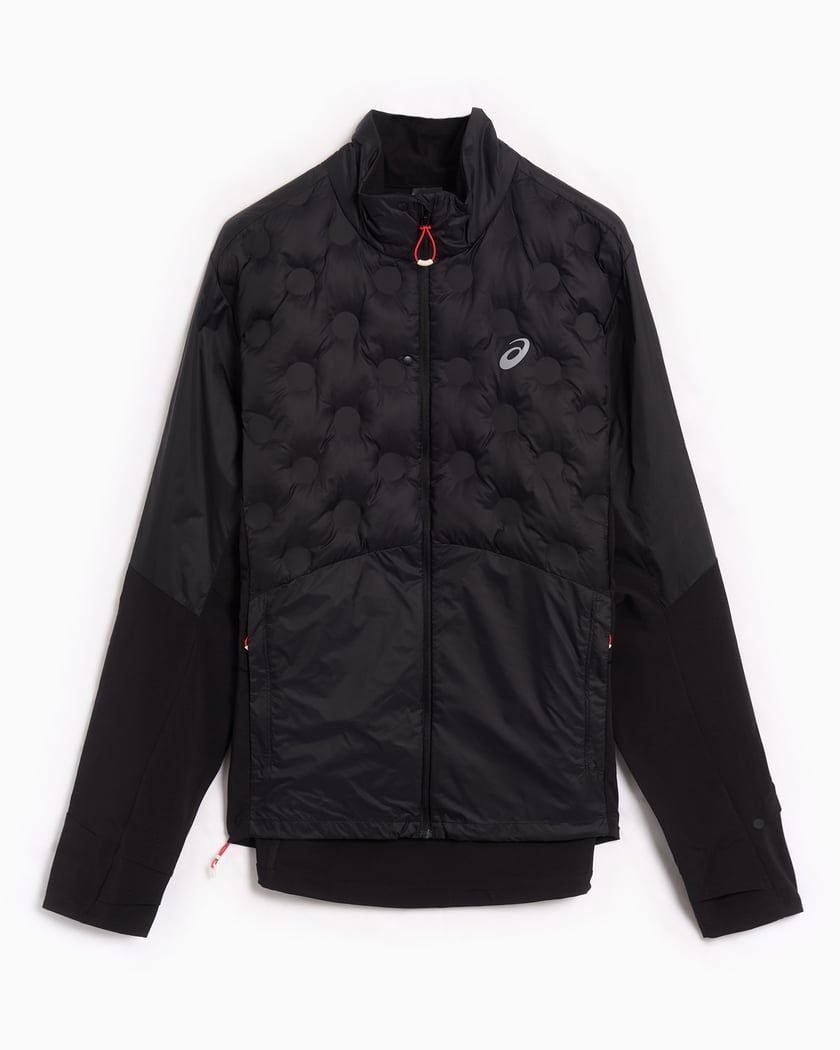
Anatomy of an ASICS Windbreaker: Deconstructing the Details
Moving from theory to tangible product, the superiority of a piece like an ASICS windbreaker is found in its cumulative details. Let’s examine the components. First, the fabric face. ASICS often utilizes tightly woven polyester or nylon with a DWR (Durable Water Repellent) finish. As the name suggests, this treatment causes water to bead up and roll off the surface, offering protection against light rain and drizzle. The core technology, however, frequently lies in a bonded membrane or a proprietary coating like ASICS’s own weather protection systems. These are the unseen heroes that provide the windproof and breathable characteristics. Second, construction is key. Seams are the weakest point in any garment’s defense. High-quality windbreakers feature fully taped or sealed seams, where a waterproof tape is applied over the interior stitching lines, preventing wind and water from seeping through the needle holes. Third, consider the design features. A well-fitted hood that moves with your head, zippers with draft flaps behind them, adjustable cuffs, and a dropped back hem are not mere aesthetics; they are functional solutions to real-world problems. Ventilation zones, often under the arms or across the back, are strategically placed to dump excess heat during high-intensity efforts. As running coach and author Jack Daniels (of “Daniels’ Running Formula” fame) often emphasizes, comfort is a performance metric. A windbreaker that chafes, flaps excessively, or traps too much heat can negatively impact your form and focus. The ASICS windbreaker is built with an athlete’s biomechanics in mind, offering a range of motion and a fit that supports rather than hinders.

The Versatility Equation: From Track to Trail to Town
A common misconception is that a windbreaker is solely for runners. The reality is that its utility spans a vast spectrum of activities. For the runner, it’s a lightweight essential for cool morning jogs, unpredictable spring weather, or as a protective shell over a base layer during winter miles. For the hiker, it serves as a perfect mid-layer or an outer shell in fast-changing mountain conditions, easily packed into its own pocket when not in use. For the cyclist, an aerodynamic cut and longer back provide coverage in a tucked position. Even in an urban context, a sleek, well-designed ASICS windbreaker functions as a stylish, practical commuter jacket, shielding you from the elements without the bulk of a winter coat. This versatility speaks to intelligent design. It aligns with the philosophy of “minimal effective dose” in gear selection—carrying or wearing only what is necessary for the conditions. As adventurer and author Alastair Humphreys champions in his concept of “microadventures,” great experiences don’t always require specialized, bulky gear; often, they require adaptable, reliable pieces that encourage you to get out the door. A windbreaker epitomizes this. It is the gateway garment that makes the transition from indoor comfort to outdoor activity less daunting, knowing you have a reliable layer of protection against the wind’s bite.
Material Innovations and Environmental Considerations
The conversation around performance apparel is increasingly intersecting with environmental responsibility. Today’s informed consumer looks not only at function but also at footprint. ASICS, like many in the industry, is navigating this space. Many modern windbreakers incorporate recycled materials, such as polyester derived from post-consumer plastic bottles. This process, while not a perfect solution, represents a step toward a circular economy by diverting waste from landfills and reducing reliance on virgin petroleum-based materials. Furthermore, the longevity of the garment is a sustainability feature in itself. A durable ASICS windbreaker, cared for properly (using specific technical detergents that preserve DWR coatings, for instance), can last for years, outperforming and outlasting fast-fashion alternatives that quickly degrade and need replacement. This durability is a form of value. It’s an investment in a tool that will serve you across seasons and activities. The discourse on platforms like Quora and in sustainability-focused publications often highlights this “cost per wear” concept. A higher initial investment in a quality, versatile piece like a performance windbreaker often results in a lower long-term cost and a reduced environmental impact compared to repeatedly purchasing cheaper, less durable options.
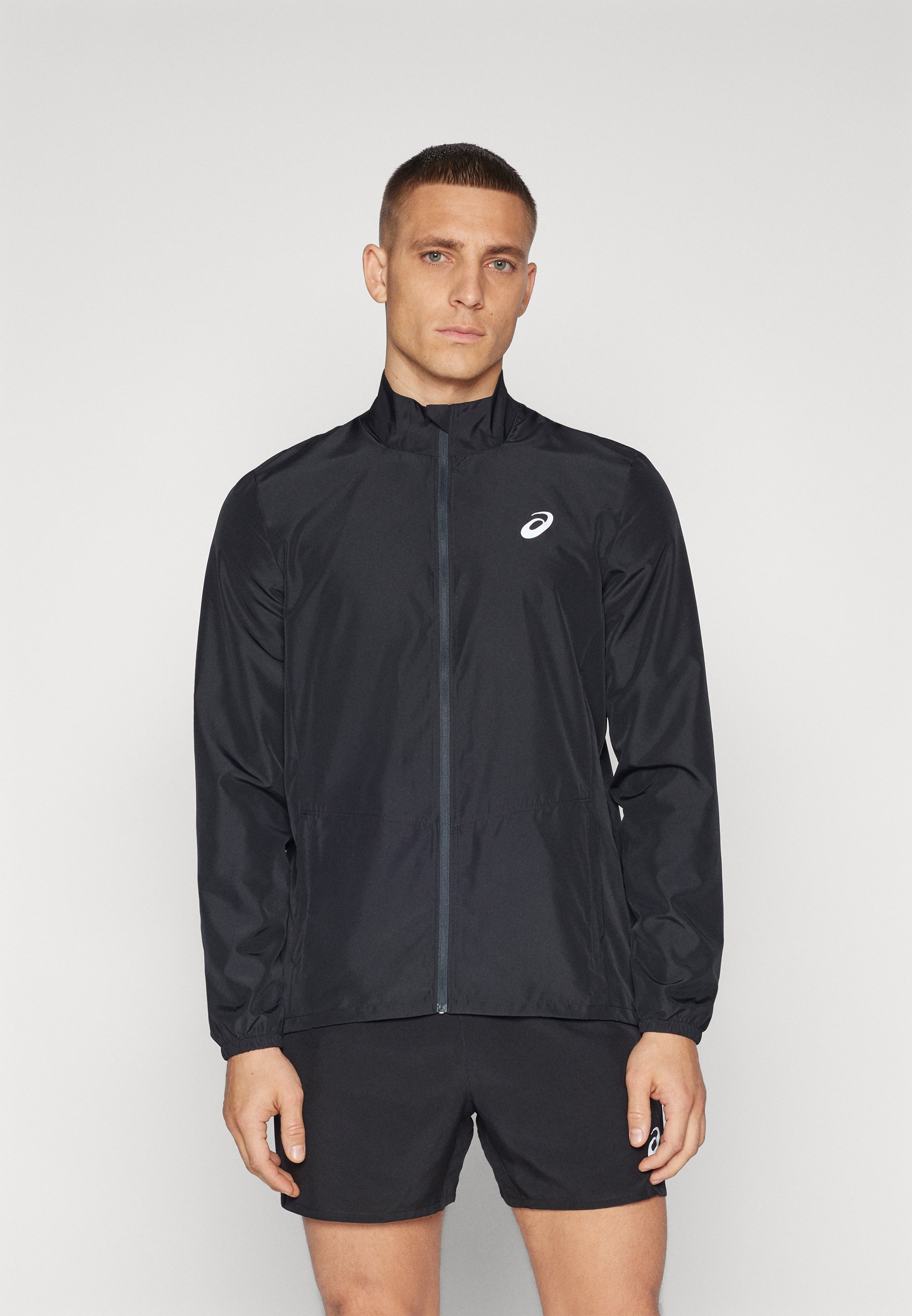
Making the Informed Choice: Aligning Product with Purpose
With an understanding of the technology and versatility, the final step is personalization. Your choice should be dictated by your primary use case. Are you a runner who needs ultra-lightweight packability? Look for a model that stuffs into its own chest pocket. Do you face mixed conditions of wind and rain? Prioritize a model with a higher hydrostatic head rating (a measure of water resistance) alongside its windproofing. Is breathability your top concern for high-intensity intervals? Seek out jackets with pronounced ventilation panels. The market offers a spectrum, and ASICS provides options across it. It’s also worth considering fit: a performance fit is snug to minimize drag and maximize heat retention, while a standard fit allows for layering beneath. The goal is to match the garment’s attributes to your activity’s demands. This is where professional knowledge translates directly to user benefit. By understanding the “why” behind each feature, you can bypass marketing jargon and select the tool that truly fits your active lifestyle. And this informed selection is where value truly manifests, often supported by seasonal sales or discounts on previous-season colorways, allowing you to acquire premium technology at a more accessible price point.
Ultimately, the journey to find the right outer layer culminates in a simple truth: the best gear is the gear you don’t notice. It performs its function so seamlessly that it disappears, allowing you to focus entirely on your run, your hike, your movement, your experience. A meticulously crafted ASICS windbreaker aims to achieve just that. It is a synthesis of textile science, biomechanical design, and practical versatility, engineered not to be a statement piece but a silent partner in your pursuit of an active life. When the wind picks up and the temperature drops, it won’t be a barrier to your plans; it will be the reason you can confidently proceed with them.