

Alabama Windbreaker Styling Guide: Effortless Cool for Every Season
In the landscape of modern fashion, where trends flicker and fade with the seasons, there exists a singular piece that transcends the noise: the Alabama windbreaker. More than just collegiate apparel or a simple barrier against the wind, it represents a unique fusion of regional identity, functional design, and versatile style. This guide isn’t about following fleeting trends; it’s about unlocking the inherent, effortless cool of a garment that can anchor your wardrobe through all twelve months. The Alabama windbreaker, with its distinctive crimson and white palette or varied modern iterations, offers a blueprint for building looks that are both personally expressive and universally adaptable. We will dissect its anatomy, explore its cultural resonance, and provide a comprehensive, season-by-season roadmap to styling it with confidence and ease.
The Anatomy of an Icon: Deconstructing the Alabama Windbreaker
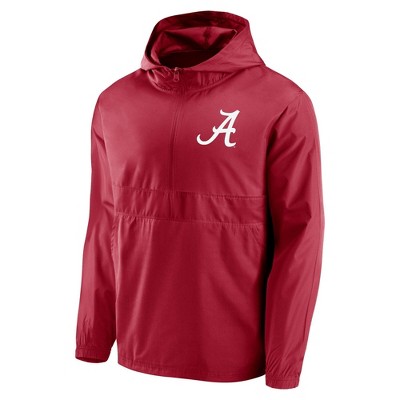
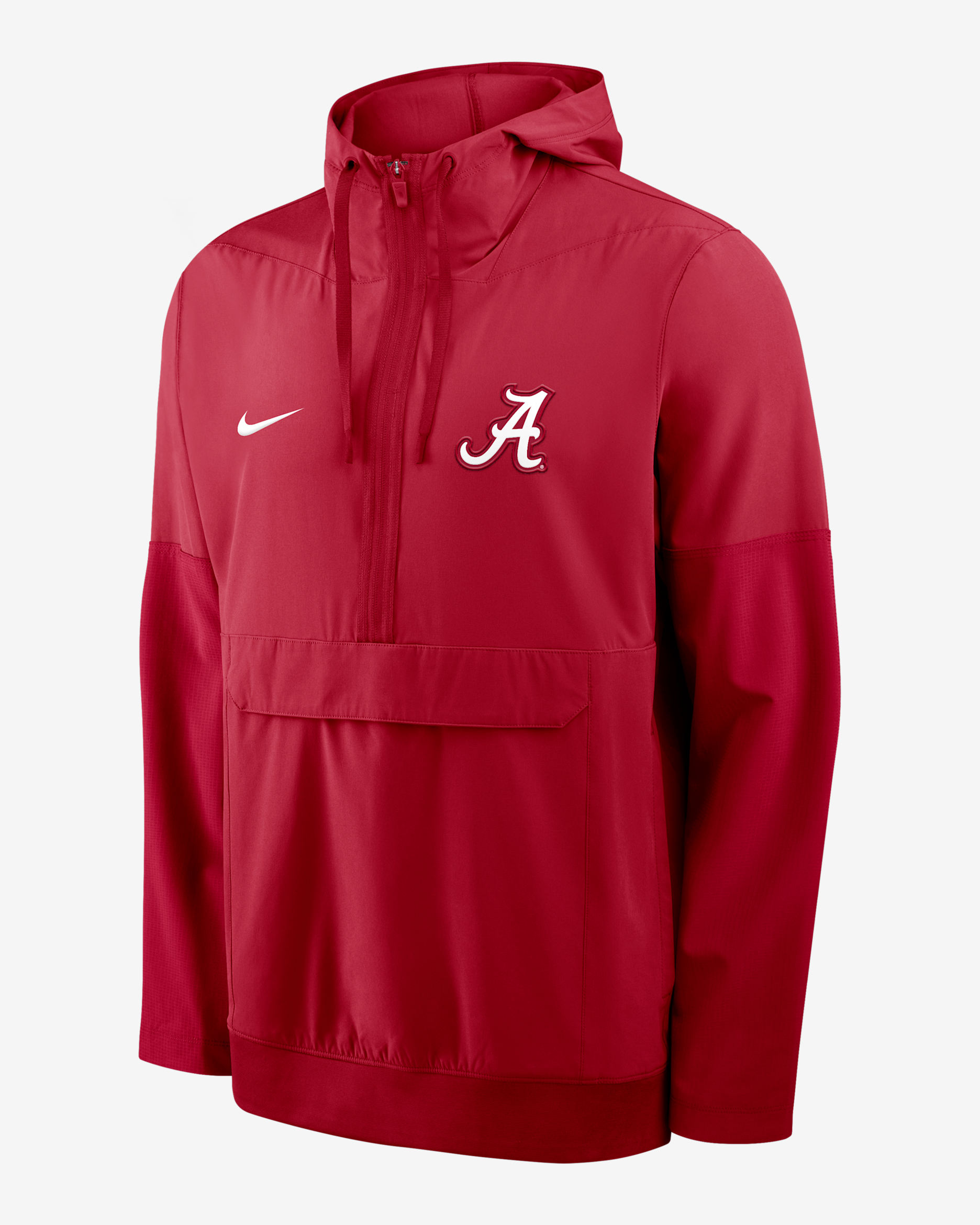
To master the styling of any garment, one must first understand its foundational elements. The classic Alabama windbreaker is a masterclass in functional sportswear design. Typically constructed from lightweight, water-resistant nylon or polyester, its primary purpose is, as the name implies, to break the wind. This functionality is rooted in a rich history of outerwear innovation. According to sources like Wikipedia, the modern windbreaker evolved from the “windcheater,” a garment developed for sailors and athletes in the late 19th and early 20th centuries, prized for its ability to provide protection without bulk. The Alabama windbreaker inherits this legacy, often featuring a full-zip front for adjustable ventilation, elasticated cuffs and hem to seal out drafts, and a stand-up collar that can be raised for added protection. The iconic Alabama Crimson Tide logo—often the script “A” or the elephant mascot—is not merely a decoration; it is a signifier of community and pride, a point echoed by cultural commentators on platforms like ESPN and in collegiate style analyses. This emblem transforms the jacket from a generic piece into a narrative one, carrying the weight of tradition and athletic excellence. The cut is usually relaxed, allowing for layering underneath, which is the key to its four-season versatility. This combination of technical fabric, athletic cut, and potent symbolism creates a garment that is as much about attitude as it is about utility.

Spring: The Art of Layered Transition
Spring is a season of unpredictable shifts, where a sunny morning can give way to a chilly, breezy afternoon. This is where the Alabama windbreaker shines as the perfect transitional piece. The goal here is lightweight layering that can be easily modulated. Start with a foundational layer, such as a simple grey heather or white cotton t-shirt. Over this, a mid-weight hoodie in a neutral color like black, grey, or even heather grey adds insulation without bulk. The windbreaker serves as the final, protective shell. The scientific principle at play is trapping air between layers, which is a more effective insulator than a single thick garment, as outlined in outdoor apparel literature from brands like Patagonia and The North Face. For the bottom half, opt for straight-fit or slightly tapered chinos in olive, navy, or khaki. This creates a smart-casual balance against the jacket’s athletic roots. Footwear should be clean and versatile: classic white leather sneakers, minimalist canvas shoes, or even clean, low-profile hiking boots. The look is pragmatic yet polished, ready for a casual day out, a weekend errand run, or an informal gathering. The windbreaker’s bright crimson acts as a focal point against the more subdued layers, injecting energy into the awakening landscape. As fashion influencer and stylist Ashley Weston has noted on her platform, a statement piece of outerwear, like a boldly colored jacket, can unify an otherwise simple outfit, providing both cohesion and a point of visual interest.
Summer: Embracing the Coastal Breeze and Evening Chill
Many relegate jackets to the back of the closet in summer, but that is a missed opportunity. The Alabama windbreaker‘s lightweight nature makes it an ideal companion for summer evenings, beach trips, or air-conditioned interiors. Here, it functions less as insulation and more as a shield against cool ocean breezes or the sharp chill of movie theater AC. The styling shifts towards minimalism. Pair the jacket directly over a plain tank top or a short-sleeved polo shirt. For bottoms, choose lightweight shorts in twill or technical fabrics—colors like stone, navy, or even a patterned camp collar shirt left unbuttoned over a tee can work wonderfully. This approach is championed by the “ivy style” and prep aesthetics, where lightweight outerwear is a staple for the variable climates of coastal New England, a sentiment captured in books like “Take Ivy” by Teruyoshi Hayashida. Footwear remains casual: boat shoes, espadrilles, or sleek sandals complete the look. The jacket can be worn zipped up as the night cools, or tied casually around the waist for a utilitarian, hands-free accessory that adds a pop of color and structure to a simple shorts-and-tee combo. This utility-first, style-second approach is the epitome of effortless cool; it’s preparedness worn with nonchalance.
Autumn: The Peak of Versatile Styling
Autumn is the windbreaker’s natural habitat. The crisp air and vibrant foliage provide the perfect backdrop for its athletic elegance. Layering becomes more substantial and textural. Imagine a fine-gauge merino wool sweater or a robust flannel shirt layered under the windbreaker. The contrast between the soft, textured fabric of the inner layer and the sleek, technical shell of the jacket is visually compelling and functionally superior. Denim is a natural partner here—a well-fitted pair of dark wash or black jeans grounds the outfit. As the temperature drops further, consider swapping the tee for a long-sleeve thermal shirt as your base. This philosophy of technical layering, often called the “onion skin” method, is a cornerstone of outdoor activity guides from authoritative sources like the Appalachian Mountain Club. For footwear, this is the season to introduce boots: leather Chelsea boots, rugged work boots, or stylish sneaker-boot hybrids. The outfit balances ruggedness with refinement, equally at home on a leaf-peeping drive, at a casual outdoor event, or at a weekend farmers market. The crimson of the Alabama logo harmonizes with the oranges, reds, and browns of the fall environment, creating a look that feels both intentional and organically suited to the season.

Winter: Strategic Layering for Maximum Warmth
While a standalone windbreaker isn’t designed for a blizzard, it remains a crucial component in a strategic winter layering system. Its role shifts to that of a windproof and water-resistant outer shell. The key is what lies beneath. Start with a moisture-wicking base layer, such as synthetic or merino wool thermal wear, to manage perspiration—a principle rigorously applied in mountaineering, as detailed in literature from the University of Cambridge’s polar research institute. Over this, add a substantial insulating mid-layer: a thick fleece jacket, a down gilet (vest), or a lightweight puffer. The Alabama windbreaker then goes on top, sealing in the warmth and blocking the biting winter wind. For bottoms, insulated trousers or corduroys paired with thermal leggings are ideal. Accessories are vital: a beanie, gloves, and a scarf in neutral colors complement rather than compete with the jacket’s bold statement. This technical, modular approach means you can adapt to indoor heating by removing layers while still maintaining a cohesive style centered on your core outerwear piece. It demonstrates that even the most season-specific garment can find a vital role year-round with intelligent application.
Beyond the Game: Cultural Weight and Personal Expression
Wearing an Alabama windbreaker is never just about temperature regulation. It is an act of personal and cultural expression. For alumni and fans, it is a direct connection to a community and a legacy of sporting excellence, a wearable form of what sociologist Robert Bellah termed “civil religion” in his analysis of American communal rituals. For others with no ties to the university, it represents an appreciation for classic American sportswear aesthetics, a trend consistently validated by high-fashion runways where designers like Virgil Abloh for Louis Vuitton and brands like Gucci have recontextualized collegiate and varsity styles. The windbreaker sits at the intersection of nostalgia, athleticism, and streetwear. It can signal a relaxed, approachable confidence. As filmmaker and style icon Sofia Coppola’s films often illustrate, there is a profound cool in understated, character-driven clothing that hints at a story rather than shouting a trend. Styling it with intention—whether paired with tailored trousers for an ironic twist or with vintage jeans for a classic look—allows you to write your own chapter in that story.
Investing in Your Style: Knowledge and Value
Building a versatile wardrobe is an exercise in informed investment. Understanding the technical aspects of a windbreaker—its denier count (fabric thickness), waterproof ratings, and seam construction—empowers you to choose quality. Brands like Nike (a longtime partner with Alabama athletics) or Mitchell & Ness offer versions that balance authentic design with modern performance materials. The professional knowledge here is that a well-made windbreaker from a reputable brand, often available at discounted prices during end-of-season sales or through official fan shop promotions, will offer far greater longevity and satisfaction than a fast-fashion imitation. The value proposition is clear: one multi-season, multi-occasion garment that reduces decision fatigue and elevates countless outfits. It is a cornerstone piece that pays dividends in style confidence every time you reach for it.
The journey through the seasons with an Alabama windbreaker reveals its true nature: not as a mere jacket, but as a flexible tool for personal style. It demands no rigid rules, only a willingness to experiment with layers, textures, and contexts. From the first breezes of spring to the layered depths of winter, it offers a consistent thread of color, identity, and effortless function. Embrace its versatility, respect its heritage, and make it unequivocally your own. That is the definitive path to effortless cool, regardless of what the calendar says.