

Alabama Windbreaker Styling Guide for Effortless Cool Weather Chic
As the air turns crisp and the leaves begin their fiery transformation, our wardrobes demand a pivotal shift. We seek pieces that offer more than mere warmth; we desire items that encapsulate a specific attitude—a blend of practicality, nostalgia, and undeniable style. In this sartorial quest, one garment rises above the rest, not as a fleeting trend, but as a timeless emblem of relaxed American cool: the Alabama windbreaker. This is not merely about sporting collegiate memorabilia; it is about harnessing a design philosophy rooted in functionality and team spirit, and translating it into a personal uniform for autumn and early spring. The iconic Alabama windbreaker, with its bold crimson script and elephant mascot, provides a masterclass in building a look that is both effortlessly put-together and deeply personal. Let’s move beyond the game day and explore how this singular piece can become the cornerstone of your cool-weather wardrobe, offering a chic that feels as natural as a southern breeze.
The Heritage and Psychology of the Windbreaker
To fully appreciate the styling potential of an Alabama windbreaker, one must first understand the cultural and psychological weight of the windbreaker itself. According to Wikipedia, a windbreaker is a thin fabric jacket designed to resist wind chill and light rain, making it a quintessential piece of outerwear for transitional weather. Its origins are deeply practical, born from a need for lightweight protection. However, its evolution into a style icon is tied to its adoption by sports teams and subsequent infiltration into streetwear. The psychology at play is one of affiliation and identity. Dr. Carolyn Mair, a behavioral psychologist specializing in fashion, notes in her book “The Psychology of Fashion” that wearing clothing associated with a group—like a sports team—can foster a sense of belonging and shared identity, boosting confidence and perceived social connection. When you choose an Alabama windbreaker, you are not just selecting a jacket; you are tapping into the legacy of the Crimson Tide, a legacy of resilience and excellence famously underscored by legendary coach Paul “Bear” Bryant’s quote: “It’s not the will to win that matters—everyone has that. It’s the will to prepare to win that matters.” This ethos of prepared confidence is exactly the energy a well-styled windbreaker brings to an outfit. It suggests an active readiness, a casual competence perfect for navigating the unpredictable elements of daily life in style.
Deconstructing the Alabama Aesthetic: Color and Logo as Foundation
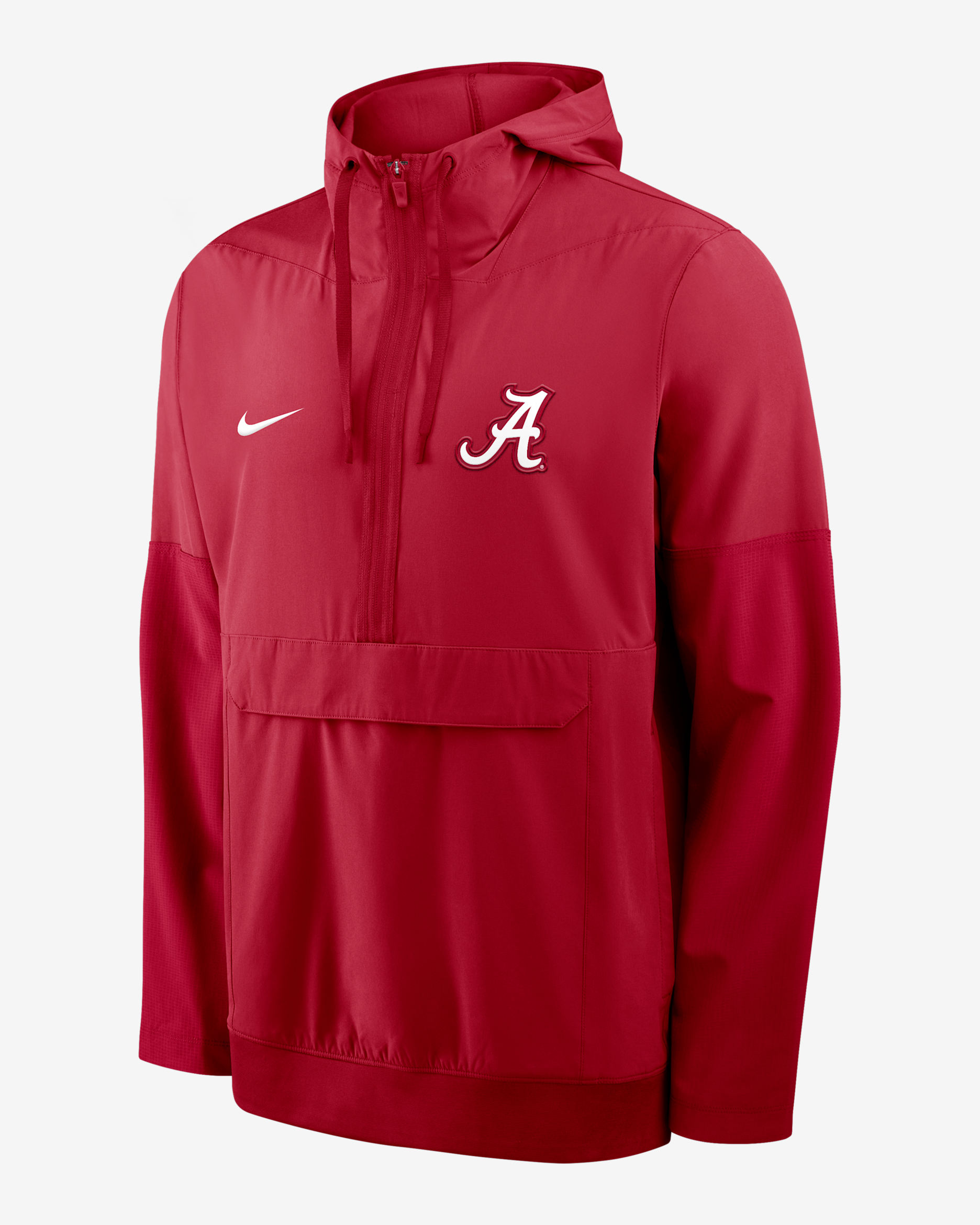
The visual power of the Alabama windbreaker lies in its unmistakable branding. The color palette—crimson, white, and gray—is not arbitrary. Color theory, a foundational concept in art and design taught at institutions like the Rhode Island School of Design, tells us that crimson is a color of energy, passion, and action. It commands attention without being overly aggressive, especially when balanced with neutral whites and grays. This built-in color scheme provides a fantastic styling shortcut. Your foundation is already laid; the jacket becomes the statement piece around which the rest of your outfit orbits. The logo, often the script “Alabama” or the elephant mascot, operates as what design thinkers call a “symbol of shared meaning.” In his seminal work “The System of Objects,” philosopher Jean Baudrillard discusses how branded items cease to be mere objects and become carriers of social and cultural meaning. Wearing the Alabama logo is an instant communicator. It can signal alumni pride, regional loyalty, or simply an appreciation for classic American design. The key to elevating this from casual fan-wear to “cool weather chic” is in how you frame this statement. Instead of pairing it head-to-toe with other Alabama gear, use the jacket as a bold punctuation mark against a backdrop of sophisticated neutrals or unexpected textures.
Blueprint for Effortless Layering
The genius of the windbreaker as a category is its role as the perfect middle layer. It is rarely the heaviest piece in your arsenal, nor is it the lightest. This intermediary position makes it incredibly versatile. For a look that bridges the gap between a brisk morning and a mild afternoon, start with a foundational layer. A simple, high-quality white or heather gray cotton t-shirt or a fine-gauge merino wool turtleneck provides a clean canvas. Over this, your Alabama windbreaker adds the color and character. For cooler days, the windbreaker then fits seamlessly under a heavier overcoat, such as a wool pea coat or a structured trench. The windbreaker’s smooth nylon shell prevents bulk, allowing for clean lines. This tri-layer approach—base, statement, protection—is a principle often highlighted by style authorities like the menswear experts at Put This On, who advocate for “functional layering” that adapts to temperature changes throughout the day. The windbreaker becomes the versatile, mobile core of your system. When you step indoors and shed your overcoat, you are left with a complete, intentional look centered on your Alabama piece, rather than just a sweater that was hiding underneath.
Contrasting Textures: The Secret to Sophistication
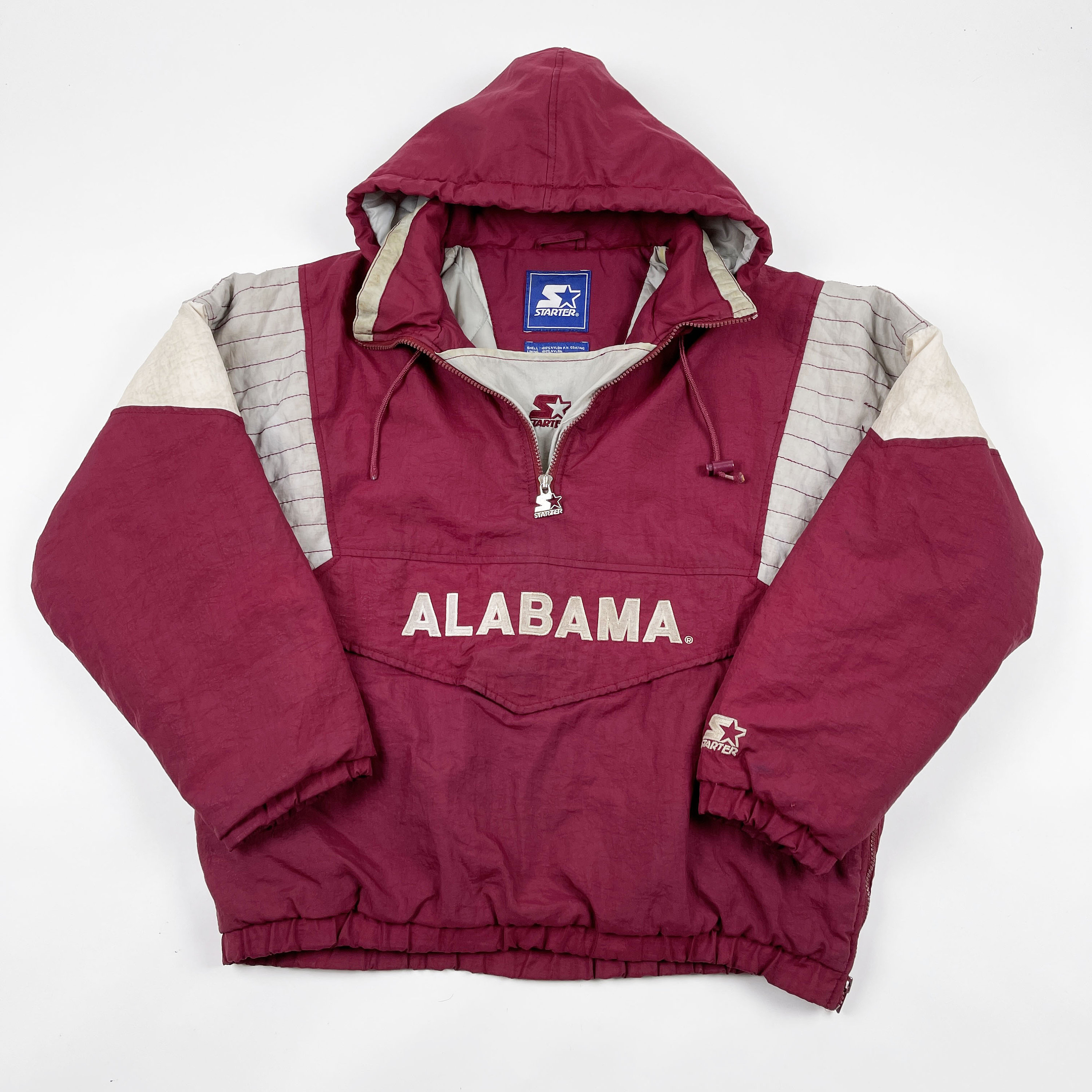
Avoiding a “sporty” or “juvenile” look when styling a collegiate windbreaker hinges on your mastery of texture. The typical windbreaker is made from nylon or polyester—synthetic fabrics prized for their wind and water resistance. To elevate the jacket, consciously pair it with materials that offer a tactile contrast. Think of the rugged, nubby feel of raw denim jeans, the soft, dense pile of corduroy trousers, or the refined, smooth hand of wool flannel pants. On top, under the jacket, layer a chunky cable-knit sweater in cream or charcoal. This interplay of textures—the slick synthetic against rough denim, or the glossy jacket against a matte knit—adds visual depth and intellectual interest to your outfit. It signals a thoughtful approach to dressing. This concept is a staple in fashion education; the Fashion Institute of Technology’s curriculum on textile science emphasizes how mixing fabric weights and surfaces creates a more dynamic and luxurious aesthetic. The Alabama windbreaker, with its often slightly shiny finish, becomes a modern, sporty counterpoint to these classic, earthy textures, preventing the overall look from feeling too rustic or too futuristic, and landing squarely in the realm of contemporary chic.
Footwear and Accessories: Grounding the Look
Your choice of footwear and accessories will ultimately dictate the final direction of your windbreaker ensemble. For a truly effortless, off-duty model look, pair the outfit with minimalist white leather sneakers. This maintains the athletic undertone of the jacket in a refined, clean way. To lean into a more rugged, Americana vibe, classic leather work boots or clean suede desert boots are an impeccable choice. They anchor the sporty top-half with a sense of grounded durability. Accessories should be kept simple and deliberate. A beanie in a neutral color (black, gray, navy) continues the layered theme without competing. Avoid matching the hat’s color exactly to the windbreaker’s crimson; instead, let the jacket be the sole source of vibrant hue. A durable watch with a leather or nylon strap complements the functional spirit of the outfit. As style commentator and YouTuber Ashley Weston often advises her clients, “Accessories are the exclamation point, not the sentence.” Let your Alabama windbreaker be the sentence. A simple, unstructured canvas tote or a leather messenger bag can carry your essentials without undermining the jacket’s casual elegance. The goal is cohesion, not clutter, allowing the iconic jacket to remain the focal point.
From Stadium to Street: Context is Everything
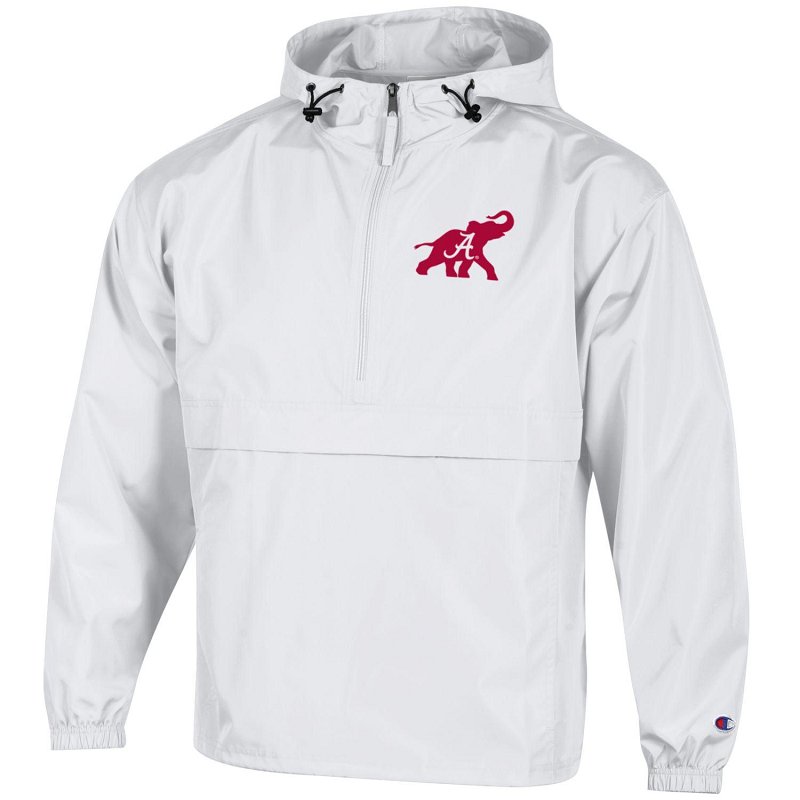
The final, and perhaps most crucial, element of styling is understanding context. The same Alabama windbreaker that looks perfect for a casual weekend coffee run or a Saturday afternoon of errands can be adapted for more social settings. For an informal dinner or a casual Friday at a creative workplace, the layering principles remain king. Pair the windbreaker over a crisp, dark-wash denim shirt and tailored chino pants. Roll the sleeves of the jacket slightly to reveal the shirt cuff, adding a detail of intentionality. This approach borrows from the “Ivy League” or “Preppy” style canon, documented in books like “Take Ivy” by Teruyoshi Hayashida, which celebrates the blending of collegiate sportswear with tailored basics. The windbreaker injects a shot of personality and color into an otherwise smart-casual uniform. It demonstrates an understanding of fashion codes and a willingness to play with them. The jacket transitions from purely functional outerwear to a key component of your personal brand, telling a story of where you’re from, what you value, and your confident approach to navigating the world.
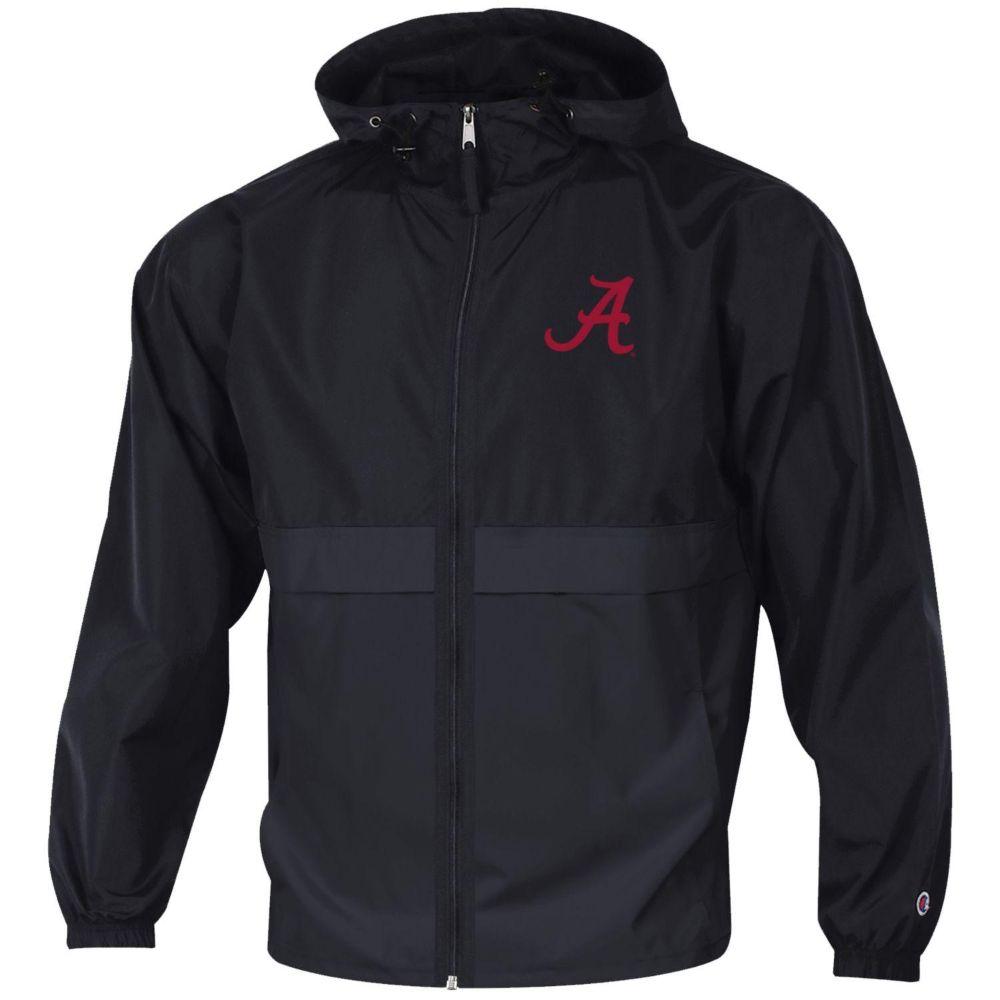
The pursuit of cool-weather style need not involve cumbersome layers or a complete wardrobe overhaul. Often, it is about recontextualizing a piece you already own or have admired from afar. The Alabama windbreaker stands as a testament to this idea. It is a garment steeped in functional heritage and collective identity, waiting to be personalized. By applying principles of color theory, intelligent layering, textural contrast, and considered accessorizing, you transform this emblem of team spirit into a cornerstone of your individual chic. It becomes more than a jacket; it becomes a versatile tool for expressing a confident, prepared, and effortlessly cool attitude, no matter where the autumn wind takes you. Embrace its legacy, and let it redefine your seasonal style.