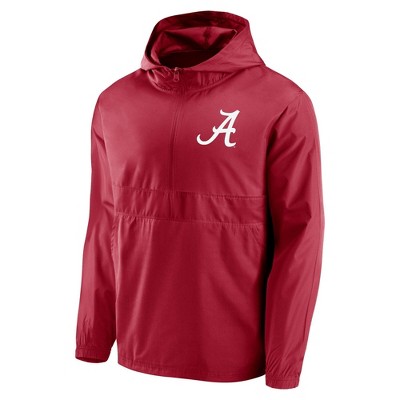
Alabama Windbreaker Styling Secrets for Effortless Cool
Forget the rigid rules of high fashion. True, effortless cool isn’t about chasing trends; it’s about mastering a piece so versatile it becomes a second skin, a statement of relaxed confidence. That piece, for many, is the Alabama windbreaker. More than just collegiate memorabilia, it’s a cultural artifact ripe for reinvention. This isn’t about blind fandom; it’s about understanding the design principles of an iconic garment and leveraging them to build a personal style that feels both authentic and undeniably sharp. Let’s unlock the secrets of this wardrobe workhorse.
Deconstructing the Icon: What Makes an Alabama Windbreaker
Before we style it, we must understand it. The classic Alabama windbreaker, particularly those associated with the University of Alabama Crimson Tide, is a masterclass in functional design elevated to symbolic status. Objectively, a windbreaker is defined by its purpose: a lightweight jacket designed to protect against wind and light rain, typically made from synthetic materials like nylon or polyester. This scientific approach to material choice—prioritizing wind resistance, water repellency, and breathability—is its foundation. The iconic versions often feature satin finishes, bold crimson coloring, and prominent team logos. The cultural weight comes from what sociologist Pierre Bourdieu might term “cultural capital.” It’s a symbol of community, tradition, and sporting excellence. As noted on platforms like Quora and in fan literature, wearing one signals an in-group affiliation, a shared identity. This inherent meaning is the raw material we work with. When you choose to incorporate an Alabama windbreaker into a style context beyond the stadium, you’re not just wearing a jacket; you’re engaging with a piece of Americana, repurposing its narrative for your own aesthetic story. The challenge and the opportunity lie in balancing that powerful pre-existing identity with your personal style signature.

Secret #1: The Foundation of Contrast
The most potent tool in your styling arsenal is contrast. The windbreaker, especially a vibrant crimson one, is a high-impact item. The secret to effortless cool is to let it shine by building a neutral, sophisticated foundation around it. This approach is rooted in basic design principles championed by institutions like the Parsons School of Design, which emphasize the importance of balance and focal points. Pair your Alabama windbreaker with minimalist staples: well-fitted, dark-wash denim or tailored chino trousers in navy, black, or olive. Underneath, opt for a simple white or grey crewneck t-shirt, a fine-gauge merino wool sweater, or a crisp Oxford cloth button-down in blue or white. This creates a visual hierarchy. The jacket becomes the intentional statement piece, not part of a chaotic ensemble. Think of the cinematic cool of Steve McQueen or the understated style of a Jean-Michel Basquiat photograph—confidence often comes from restraint. By grounding the energetic, sporty vibe of the windbreaker with mature, clean basics, you achieve a tension that feels modern and deliberate. It signals that your choice is conscious, not casual. You’re not just dressed for a game; you’re leveraging a piece of iconic design as the centerpiece of a considered look.
Secret #2: Subversion Through Silhouette and Texture
Effortless cool frequently involves a clever subversion of expectations. The traditional athletic silhouette of a windbreaker is relaxed, often boxy. To elevate it, play with contemporary tailoring. Try layering it over a slim-fit blazer or an unstructured linen overshirt. The combination of collars and the varied lengths create depth and intellectualizes the outfit. Similarly, texture mixing is where personal style truly emerges. The sleek, often shiny surface of a satin-finish Alabama windbreaker begs to be contrasted with rugged or luxurious textures. Wear it over a chunky cable-knit sweater, alongside raw denim, or even paired with wool flannel trousers. This tactile dialogue elevates all components. As fashion commentator and YouTuber Alexander Kraft often notes, “Style is in the details of how disparate elements converse.” A windbreaker against rough denim speaks of pragmatic Americana; against fine wool, it becomes a bold, postmodern accent. This method moves the jacket from the realm of pure sportswear into the arena of sartorial creativity, demonstrating a sophisticated understanding of how to blend categories for a unique effect.

Secret #3: Context is Everything: From Street to Smart-Casual
The true test of a versatile piece is its ability to cross contextual boundaries. The Alabama windbreaker can do this with aplomb if you master the context shift. For a contemporary streetwear look, embrace the full athletic vibe. Pair it with matching track pants or high-quality joggers, a graphic tee, and premium sneakers. Here, the windbreaker is the cohesive element of a tracksuit-inspired ensemble, a look validated by high-fashion runways from Balenciaga to Fear of God. Conversely, for a smart-casual setting—a weekend brunch, a casual Friday, an evening out—use Secret #1 as your base, but refine it. Swap sneakers for clean leather boots or minimalist white sneakers like Common Projects. Add a structured baseball cap or a beanie in a neutral color. The goal is to create a look that appears thoughtfully assembled, not like you walked off the field. As style authority and author David Coggins writes in Men and Style, “The best-dressed men understand the room they’re walking into and dress with a nod to it, not a slave to it.” Your windbreaker becomes that nod—a personal, conversational piece that shows style awareness without being overly formal.
The Professional Edge and Access
Understanding these styling secrets is the professional knowledge that empowers your choices. It transforms a simple purchase into a strategic wardrobe investment. And now, accessing this iconic piece is more straightforward than ever. Reputable retailers and official fan stores frequently offer a range of Alabama windbreaker styles, from vintage-inspired satin jackets to modern, technical Nike pullovers. The key for the discerning style enthusiast is to look for quality construction—taped seams, sturdy zippers, good weight fabric—as these details ensure longevity and a better drape. Keep an eye on seasonal sales, holiday promotions, and clearance events on sites like Fanatics, the University’s official bookstore, or major sporting goods retailers. It’s not uncommon to find premium versions at significantly discounted prices, allowing you to own a piece of this style legacy without a premium cost. This combination of knowledge and accessibility is what makes building a personal style both an art and an achievable pursuit.

The Final Whistle: Your Style, Your Narrative
The journey with an Alabama windbreaker is ultimately about authorship. You start with an object loaded with communal meaning—a symbol of team spirit, regional pride, and athletic tradition. The styling secrets outlined here are your tools for editing that narrative, for adding your own chapter. It’s about moving from passive wearing to active styling. By applying contrast, playing with silhouette and texture, and mindfully shifting contexts, you claim the garment as part of your individual expression. The coolness achieved isn’t the aloofness of a runway model; it’s the confident ease of someone who understands the references they’re wearing and isn’t afraid to remix them. It signals a creative mind, an eye for design, and the confidence to define the rules for yourself. So, zip up that crimson jacket not just as a fan, but as a stylist, an editor, and the author of your own look. Let it be a bold stroke of color in your style story, a testament to the fact that the most effortless cool comes from knowing exactly why you chose what you’re wearing.