

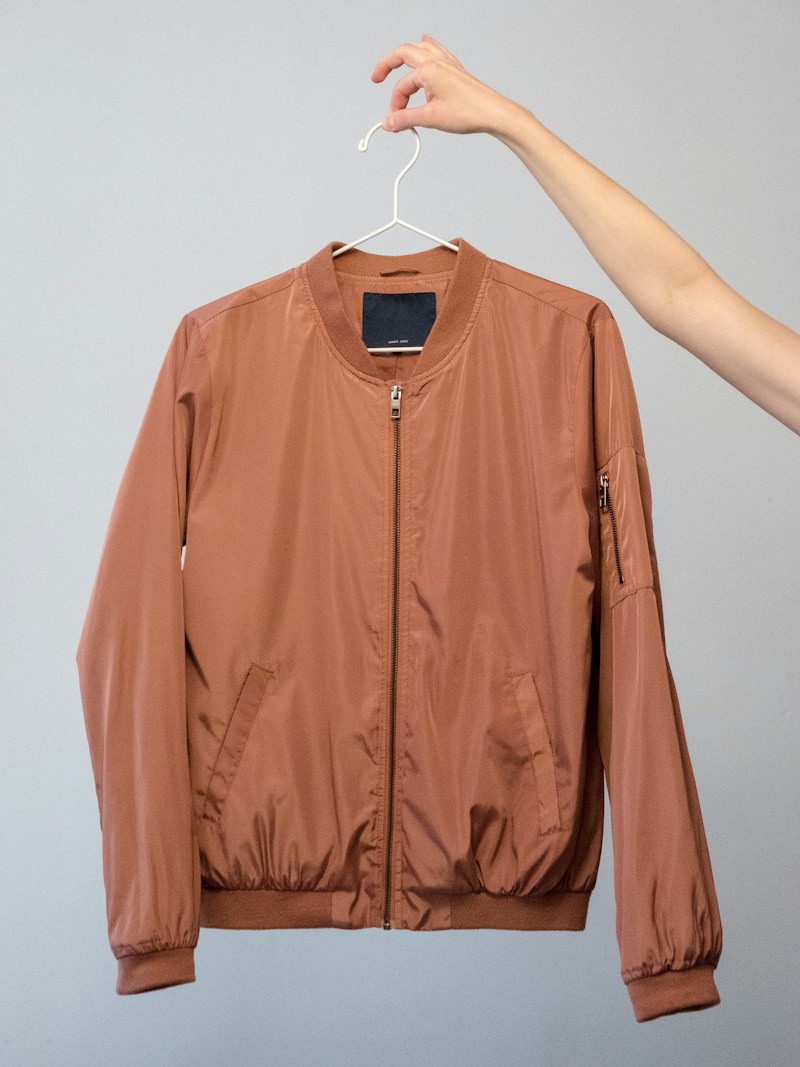
Windbreaker pants have become a staple in modern wardrobes, combining function with contemporary fashion sensibility.
What Makes Windbreaker Pants a Wardrobe Essential
When it comes to building a versatile wardrobe that transitions seamlessly between seasons, windbreaker pants have emerged as one of the most practical and stylish choices available to modern consumers. These lightweight, weather-resistant trousers have evolved far beyond their original purpose as purely functional outdoor gear. Today’s women’s clothes collections routinely feature windbreaker pants in a dazzling array of colors, cuts, and silhouettes, proving that utility and aesthetics need not be mutually exclusive. The global market for wind-resistant apparel has grown steadily, with industry analysts projecting continued expansion as consumers increasingly seek garments that serve multiple purposes. From morning commutes caught in unexpected rain showers to weekend hiking excursions on unpredictable mountain trails, windbreaker pants offer protection without sacrificing style. Major fashion houses and streetwear brands alike have embraced this category, incorporating windbreaker materials into their seasonal collections and elevating what was once considered purely utilitarian into a legitimate fashion statement. The fabric technology behind these garments has also advanced considerably, with modern windbreaker pants utilizing membranes that are simultaneously breathable, water-resistant, and remarkably lightweight—often weighing less than a standard pair of jeans.
The Science Behind Windbreaker Fabric Technology
The remarkable performance of windbreaker pants stems from decades of textile engineering innovation. At the heart of every quality pair lies a carefully constructed fabric system that typically combines an outer shell of tightly woven nylon or polyester with a specialized coating or laminated membrane. According to research published by the Textile Research Journal, modern windproof fabrics can block up to 98% of wind penetration while maintaining sufficient breathability to prevent overheating during physical activity. This balance is achieved through microscopic pore structures that allow water vapor—sweat—to escape from the inside while preventing wind and liquid water from entering from the outside. Durable water repellent (DWR) finishes are applied to the exterior surface, causing water droplets to bead up and roll off rather than soaking into the fabric. Some premium windbreaker pants incorporate Gore-Tex technology, a microporous membrane with pores approximately 20,000 times smaller than a water droplet but 700 times larger than a water vapor molecule, creating an almost perfect barrier against the elements. The weight of these fabrics typically ranges from 30 to 80 grams per square meter, making windbreaker pants among the lightest protective garments available. This scientific foundation explains why a single pair of windbreaker pants can serve equally well as a protective layer during a storm and a comfortable garment for everyday wear.

How to Style Windbreaker Pants for Every Occasion
The styling possibilities for windbreaker pants are remarkably diverse, and mastering them requires understanding a few fundamental principles of contemporary fashion coordination. For casual weekend outings, pairing relaxed-fit windbreaker pants with a simple crew-neck t-shirt and clean white sneakers creates an effortlessly polished look that works equally well for coffee shop visits or neighborhood strolls. The key lies in choosing complementary color palettes—neutral-toned windbreaker pants in black, navy, or olive green serve as a versatile canvas that pairs seamlessly with virtually any top. For those seeking a more elevated ensemble, tapered windbreaker pants combined with a fitted turtleneck sweater and leather ankle boots achieve a sophisticated smart-casual aesthetic that transitions beautifully from office environments to evening social gatherings. Layering is where windbreaker pants truly shine; their slim profile beneath outer garments makes them an ideal foundation for multi-layer outfits during transitional seasons. Fashion-forward individuals have been spotted pairing cropped windbreaker pants with oversized blazers and statement sneakers, creating a high-low fashion dynamic that references both athletic and luxury design traditions. The athleisure movement, which has reshaped global fashion over the past decade, has been instrumental in legitimizing windbreaker pants as everyday attire rather than purely functional sportswear. Accessories play a supporting but important role—a structured crossbody bag or a minimalist watch can elevate the overall impression of windbreaker pants from casual to considered.
Windbreaker Pants vs. Traditional Trousers: A Practical Comparison
Understanding the advantages of windbreaker pants becomes clearer when comparing them directly with traditional trouser options across several practical dimensions. Weight is the most immediate differentiator—windbreaker pants typically weigh between 150 and 300 grams, compared to 400 to 700 grams for conventional denim or wool trousers. This weight difference translates directly into comfort during extended wear and portability when traveling. Weather resistance represents another significant advantage. While traditional cotton trousers absorb moisture and become uncomfortable when wet, windbreaker pants shed rain and repel wind thanks to their specialized fabric construction. Packability is a third area where windbreaker pants excel; most models can be compressed into a pouch roughly the size of a grapefruit, making them ideal companions for travelers who need to maximize luggage space. Durability, however, presents a more nuanced comparison. High-quality windbreaker pants constructed from reinforced nylon or polyester can withstand significant abrasion and last for many seasons, but they may be more susceptible to tearing on sharp objects compared to heavyweight denim. The maintenance requirements also differ—windbreaker pants typically require cold-water washing and should not be tumble-dried on high heat, whereas many traditional trousers are more forgiving in the laundry. Cost considerations vary widely, with basic windbreaker pants available from approximately twenty dollars while premium models from technical outdoor brands can exceed two hundred dollars. The decision between windbreaker pants and traditional trousers ultimately depends on the wearer’s lifestyle priorities: those who value versatility, weather protection, and lightweight comfort will gravitate toward windbreaker options, while consumers who prioritize formal appearance or heavy-duty durability may prefer conventional alternatives.
The Rise of Windbreaker Pants in Streetwear Culture
Streetwear culture has played an outsized role in transforming windbreaker pants from niche outdoor equipment into mainstream fashion staples. The intersection of hip-hop fashion, skate culture, and high-fashion design over the past fifteen years has created a cultural environment where athletic garments carry as much cachet as luxury tailoring. Influential figures in the streetwear world—from musicians to professional athletes to social media personalities—have been photographed wearing windbreaker pants in contexts far removed from their original athletic purpose. A 2024 Vogue article documented the resurgence of technical nylon pants on fashion week runways across Paris, Milan, and New York, noting that windbreaker-style bottoms appeared in nearly forty percent of street style photographs during the spring collections. This mainstreaming of technical apparel reflects broader cultural shifts toward comfort-oriented fashion, accelerated by the global pandemic’s lasting impact on how people dress for daily life. The cargo-pocket variant of windbreaker pants has proven particularly popular within streetwear circles, offering both functional storage capacity and a utilitarian aesthetic that resonates with contemporary fashion sensibilities. Brands like Nike, Adidas, and The North Face have invested heavily in windbreaker pants design, collaborating with fashion designers and cultural icons to create limited-edition releases that sell out within minutes. Explore more windbreaker styling inspiration to see how this category continues to evolve within the fashion landscape. The democratization of fashion through social media platforms has further amplified the popularity of windbreaker pants, as everyday consumers share their personal styling approaches and inspire millions of followers worldwide.

Choosing the Right Windbreaker Pants: A Buyer’s Guide
Selecting the ideal pair of windbreaker pants requires careful consideration of several factors that directly affect both performance and satisfaction. Fit preference tops the list of considerations, as windbreaker pants are available in silhouettes ranging from slim-tapered to relaxed wide-leg cuts. Those planning to layer thermal underwear beneath their windbreaker pants should opt for a slightly roomier fit, while consumers seeking a sleek, streamlined look should choose tailored cuts that follow the body’s natural contours. Fabric composition matters enormously for determining the appropriate use case—100% nylon constructions offer superior wind resistance and durability, while polyester blends tend to be softer against the skin and more comfortable for extended everyday wear. Water resistance ratings, typically measured in millimeters of hydrostatic head, range from basic splash resistance at around 1,000mm to fully waterproof constructions exceeding 10,000mm. For urban commuting and casual use, a moderate rating of 3,000 to 5,000mm provides adequate protection without the stiffness that accompanies heavily waterproofed fabrics. Seam construction is a detail often overlooked but critically important—taped or welded seams prevent water ingress at stitch holes, a common failure point in lower-quality garments. Features such as zippered pockets, elasticized waistbands, and adjustable ankle cuffs enhance both functionality and comfort, and their presence or absence should factor into purchasing decisions. Price should be evaluated against intended frequency of use; a daily-wear pair of windbreaker pants justifies a higher initial investment, while occasional-use models can be sourced more economically. Reading customer reviews from verified purchasers provides valuable real-world insights into durability, fit accuracy, and color representation that manufacturer descriptions often omit.
Caring for Windbreaker Pants to Ensure Longevity
Proper maintenance is essential for preserving the performance characteristics and appearance of windbreaker pants throughout their lifespan. Washing frequency should be kept to a minimum—overwashing degrades the DWR coating and reduces water repellency over time. When cleaning is necessary, turn the garment inside out, use cold water on a gentle cycle, and avoid fabric softeners, which can clog the microscopic pores in breathable membranes. Liquid detergents formulated for technical outdoor gear are preferable to standard laundry detergents, as they clean effectively without compromising fabric treatments. Drying method significantly impacts garment longevity; air drying flat or on a line is the gentlest option, though some manufacturers recommend low-heat tumble drying to reactivate the DWR finish. When the water-repellent properties begin to diminish—typically after ten to fifteen washes—a DWR reapplication spray can restore the original performance without requiring garment replacement. Storage matters more than many consumers realize; windbreaker pants should be hung or folded loosely rather than compressed tightly for extended periods, as constant compression can create permanent creases in the fabric that affect both appearance and water-shedding capability. Minor repairs, such as small tears or loose zippers, should be addressed promptly to prevent escalation into more serious damage. Many outdoor gear retailers offer professional repair services for technical garments, and utilizing these services can extend the usable life of windbreaker pants by several additional seasons.