

When it comes to wardrobe pieces that effortlessly bridge the gap between classic elegance and contemporary fashion, few garments rival the pleated skirt. From school uniform hallways to haute couture runways, this iconic garment has maintained an unbroken presence in women’s fashion for over a century. Whether you’re searching for your first pleated skirt or looking to expand an already impressive collection, understanding the history, variety, and styling possibilities of this remarkable piece will transform the way you approach your wardrobe.
What Exactly Defines a Pleated Skirt?
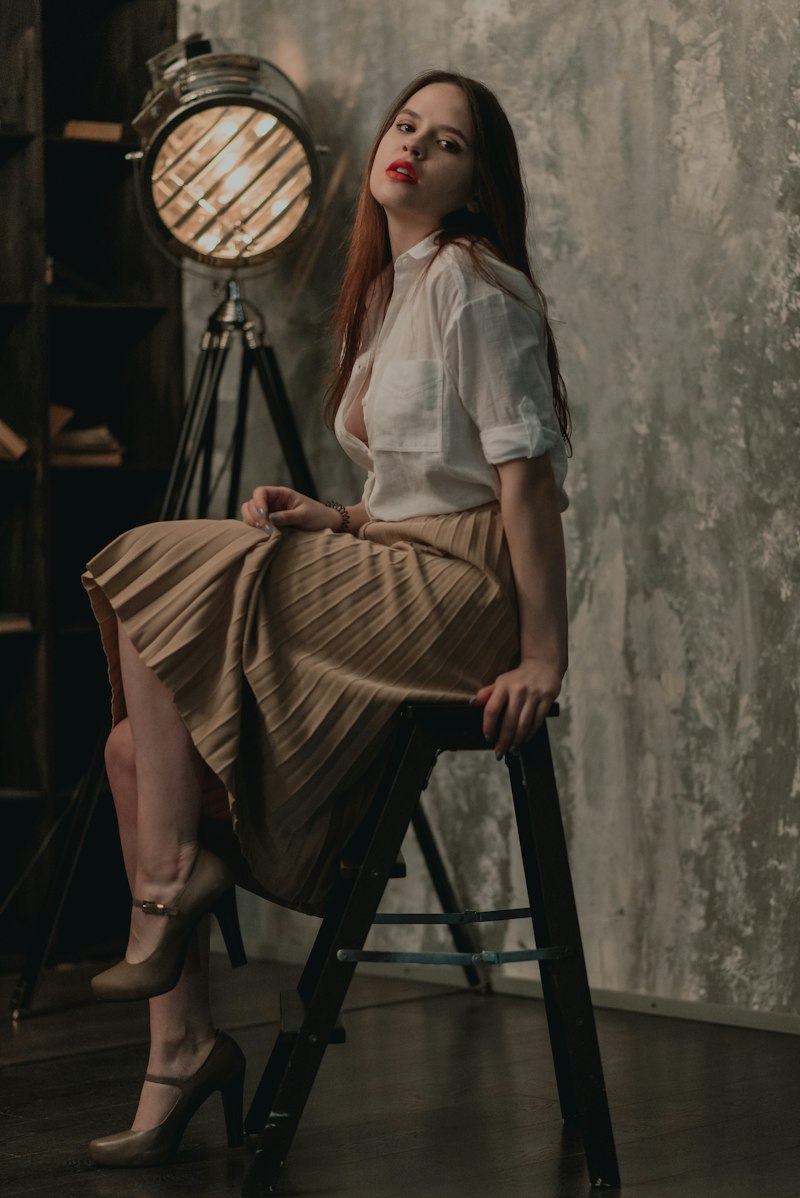
A pleated skirt is any skirt featuring a series of folds—called pleats—created by doubling fabric back upon itself and securing it at the waistband. These folds can range from narrow, sharp accordion-style pleats measuring just half an inch wide to broader, softer box pleats spanning several inches. The fundamental principle behind pleating is straightforward: by folding fabric systematically, designers create a garment that appears structured and tailored at the waist while offering generous volume and fluid movement through the body. According to the Fashion Institute of Technology’s textile and apparel archives, pleating techniques date back to ancient civilizations, with the earliest known examples appearing in Egyptian linen garments. The Victorian era saw pleated skirts emerge as a mainstream fashion choice, and the technique has remained a staple of women’s wardrobes ever since.
What distinguishes a pleated skirt from other skirt styles is the deliberate, mathematical precision of its construction. Each pleat must be measured, folded, pressed, and stitched with exacting care to ensure uniformity across the garment. This craftsmanship is precisely why pleated skirts carry a reputation for quality and sophistication. When you invest in a well-made pleated skirt, you’re acquiring a piece that required skilled hands and careful attention to create. The result is a garment that flatters virtually every body type, elongates the legs, and provides a polished appearance suitable for everything from casual brunches to boardroom meetings.
The mechanics of pleating also serve a practical purpose beyond aesthetics. The folded structure of a pleated skirt allows for greater freedom of movement compared to straight-cut skirts of similar length. This is because the pleats expand and contract as you walk, sit, or move, providing built-in ease that doesn’t sacrifice the garment’s streamlined silhouette. It’s this combination of beauty and functionality that has kept the pleated skirt relevant across decades of shifting fashion trends.
The Rich History Behind the Pleated Skirt
To truly appreciate the pleated skirt, it helps to understand where it came from. The origins of pleated fabric in clothing stretch back thousands of years. Ancient Egyptian women and men alike wore pleated linen garments, with the folds serving both decorative and practical purposes—the pleats allowed air to circulate in hot climates while adding visual texture to otherwise simple garments. The Metropolitan Museum of Art houses several examples of pleated Egyptian linen dating to the Middle Kingdom, demonstrating that this technique was already highly developed over four thousand years ago.
The pleated skirt as we recognize it today gained prominence in the late nineteenth century, when the crinoline gave way to slimmer silhouettes and designers began experimenting with structured pleating. The 1920s brought the pleated skirt into the spotlight with the rise of the flapper aesthetic—women demanded garments that allowed for dancing and movement, and pleated skirts delivered exactly that. Designers like Mariano Fortuny became legendary for their plissé pleating techniques, creating garments that were works of art in their own right. His Delphos gown, featuring hundreds of micro-pleats, remains one of the most influential fashion designs of the twentieth century.
The 1950s and 1960s saw pleated skirts become synonymous with polished femininity. Think of the iconic schoolgirl pleated skirt popularized by films and fashion photography of the era, or the sharp, tailored pleated skirts worn by working women who were entering professional spaces in unprecedented numbers. The 1990s brought a grunge-influenced revival with plaid pleated mini skirts, while the 2000s and 2010s saw designers like Issey Miyake revolutionize pleating with permanent heat-set techniques that created garments of remarkable sculptural quality. Today, the pleated skirt continues to evolve, with contemporary designers incorporating everything from sustainable fabrics to digital printing into this ancient design tradition.
Types of Pleats You Should Know
Not all pleats are created equal, and understanding the different types of pleating will help you choose the right pleated skirt for your body shape, occasion, and personal style. The most common pleat type is the accordion pleat—named for its resemblance to the musical instrument’s bellows. Accordion pleats are narrow, uniform, and run the full length of the skirt, creating a beautiful flowing effect that catches light and movement in mesmerizing ways. This style works particularly well for midi and maxi-length skirts and is ideal for formal events and office wear.
Box pleats are another popular option, featuring wider folds that are pressed flat and create a more structured, architectural look. Box pleated skirts tend to have more volume and a stronger visual presence, making them an excellent choice for those who want to make a bold fashion statement. Knife pleats, meanwhile, feature all folds pressed in a single direction, creating a sleek, streamlined appearance that’s particularly flattering on pear-shaped bodies. Sunburst pleats—wider at the hem and narrower at the waist—create a dramatic A-line silhouette that’s incredibly feminine and flattering.
Inverted pleats offer a subtler take on the style, with two folds meeting at a central seam to create a single outward-pointing pleat. This design creates a clean, almost minimalist look that works beautifully in professional settings. Understanding these distinctions matters because each pleat type interacts differently with various body shapes and fabric weights. A lightweight chiffon with accordion pleats will behave entirely differently from a heavy wool with box pleats, even though both are technically pleated skirts. Choosing the right combination of pleat type, fabric, and length is the key to finding a pleated skirt that looks as though it was custom-made for you.
How to Style a Pleated Skirt for Every Occasion
The versatility of a pleated skirt is perhaps its greatest asset. The same garment can be dressed up for a formal dinner or dressed down for a weekend coffee date, depending entirely on how you style it. For the office, pair a midi-length pleated skirt with a fitted silk blouse and pointed-toe flats or low heels. This combination exudes professionalism without sacrificing femininity, and the pleats add just enough movement and interest to keep the look from feeling stuffy. A structured blazer worn over the shoulders completes the ensemble for important meetings.
For casual outings, the formula shifts dramatically. Try pairing a pleated skirt with a relaxed graphic tee, white sneakers, and a denim jacket. This high-low combination—mixing the refined pleated skirt with casual streetwear elements—creates an effortlessly cool aesthetic that’s been embraced by fashion influencers worldwide. The contrast between the structured pleats and the relaxed top creates visual tension that reads as intentional and stylish rather than sloppy. Add a crossbody bag and oversized sunglasses for a look that’s camera-ready.
Evening occasions call for a different approach entirely. A metallic or sequined pleated skirt paired with a simple black camisole and strappy heels creates a look that’s glamorous without being overdone. The pleats catch light beautifully, creating a shimmering, dynamic effect that photographs stunningly. For winter events, swap the camisole for a fitted turtleneck sweater and add opaque tights and ankle boots—the pleated skirt works beautifully in cold weather when layered thoughtfully.
Choosing the Right Pleated Skirt for Your Body Type
Finding the perfect pleated skirt involves more than picking a color you like—it requires understanding how different styles interact with your body’s natural proportions. If you have a pear-shaped body (wider hips relative to your shoulders), look for pleated skirts with fewer, wider pleats and a defined waistband that sits at your natural waistline. This approach draws attention upward and creates a balanced, proportional silhouette. Avoid overly voluminous pleats that add bulk to your lower half, and instead opt for styles with a slightly A-line cut.
For those with an hourglass figure, almost any pleated skirt style will work beautifully, as the defined waist of most pleated designs naturally complements your proportions. Emphasize your waist with a fitted top or a tucked-in blouse, and don’t be afraid to experiment with bold patterns and colors—the hourglass frame can carry them off with confidence. Apple-shaped bodies benefit from pleated skirts with a slightly higher rise and a flowy drape that skims rather than clings. The key is to create a long, vertical line that elongates the torso.
If you have a rectangular or athletic build, pleated skirts are actually your secret weapon. The volume created by the pleats adds curves and dimension to your silhouette, creating the illusion of an hourglass shape. Pair your pleated skirt with a top that defines your waist—a belted shirt or a cropped sweater work wonderfully—and experiment with bold, textured fabrics that add visual interest to your frame. The pleats themselves do much of the heavy lifting, giving your body a softer, more curvilinear appearance.
Fabric Matters: Choosing the Right Material
The fabric of your pleated skirt dramatically influences how it looks, feels, and performs. Polyester and polyester-blend fabrics are the most common choice for pleated skirts because they hold pleats well, resist wrinkling, and are easy to care for. Polyester pleated skirts are particularly good for everyday wear—they maintain their shape through multiple wears and washes, making them a practical investment. High-quality polyester can look remarkably similar to silk at a fraction of the cost, especially when treated with modern fabric finishes.
Chiffon and georgette create ethereal, flowing pleated skirts perfect for formal events and warm weather. These lightweight fabrics allow pleats to move with incredible grace, creating a dreamy, romantic effect that’s hard to achieve with heavier materials. However, they require more careful handling and are less practical for daily wear. Wool and wool-blend pleated skirts are ideal for autumn and winter, offering warmth and structure. A wool pleated midi skirt paired with a chunky knit sweater is one of the most timeless cold-weather combinations you can wear.
Satin and silk pleated skirts occupy the luxury end of the spectrum, offering an unmatched drape and luster that catches light beautifully. These are investment pieces that require professional care, but they reward you with an unmistakably high-end appearance. Cotton pleated skirts, while less common, offer a casual, relaxed take on the style that works well for summer and spring. The key principle: choose a fabric weight that’s appropriate for the pleat type and the season you plan to wear it most.
Caring for Your Pleated Skirt to Ensure Longevity
Pleated skirts require specific care to maintain their crisp, defined pleats over time. The single most important rule: never tumble dry a pleated skirt. The heat and tumbling action of a dryer will flatten and distort the pleats, permanently altering the garment’s appearance. Instead, wash pleated skirts on a gentle cycle with cold water, then hang them to dry. Many manufacturers recommend dry cleaning, particularly for delicate fabrics like silk and satin—when in doubt, follow the care label instructions precisely.
If your pleated skirt does become wrinkled, use a low-temperature iron with a pressing cloth between the iron and the fabric. For best results, iron along the direction of the pleats, pressing each fold individually rather than ironing across the pleats. Some fashion experts recommend hanging pleated skirts in the bathroom during a hot shower—the steam can help relax minor wrinkles without the risk of heat damage from an iron. For permanent pleating restoration, professional dry cleaners with pleating expertise can re-press your skirt to its original crispness, though this is rarely necessary if you follow basic care guidelines.
Storage is equally important. Never fold a pleated skirt for long-term storage, as the creases created by folding can become permanent over time. Instead, hang your pleated skirt on a padded hanger, allowing the pleats to hang naturally. If you must store it in a drawer, roll the skirt loosely rather than folding it. With proper care, a well-made pleated skirt can remain a wardrobe staple for years, aging gracefully and maintaining its distinctive character through countless wears.

The Pleated Skirt’s Cultural Impact and Modern Renaissance
The pleated skirt’s influence extends far beyond fashion—it has become a cultural symbol that resonates across generations and social movements. In the 1970s, the pleated tennis skirt became an icon of athletic femininity, appearing in countless fashion campaigns and popular culture references. The 1990s saw the pleated mini skirt become synonymous with grunge and youth rebellion, popularized by music videos, teen magazines, and iconic film moments. Today, the pleated skirt has experienced a renaissance fueled by social media, sustainability movements, and a broader cultural shift toward timeless, investment-worthy fashion.
Fashion historians at the Victoria and Albert Museum in London have documented how the pleated skirt has consistently served as a barometer for women’s social freedom. Each time women gained new rights or entered new spaces—whether professional, athletic, or social—the pleated skirt evolved to meet the moment. Its combination of modesty and movement, structure and freedom, has made it a garment that mirrors the ongoing negotiation of women’s roles in society. This is not merely a piece of clothing; it is a garment with meaning, with history, with cultural weight.
In 2026, the pleated skirt continues its evolution. Sustainable fashion brands are developing eco-friendly pleating techniques that eliminate harsh chemical processes. Digital textile printing allows for pleated skirts in patterns and colors that were previously impossible. The rise of gender-fluid fashion has seen pleated skirts embraced by wearers of all genders, further expanding the garment’s cultural significance. Whether you’re drawn to the pleated skirt for its history, its versatility, its flattering silhouette, or simply because it looks incredible, you’re participating in a fashion tradition that stretches back millennia—and shows no signs of ending.