


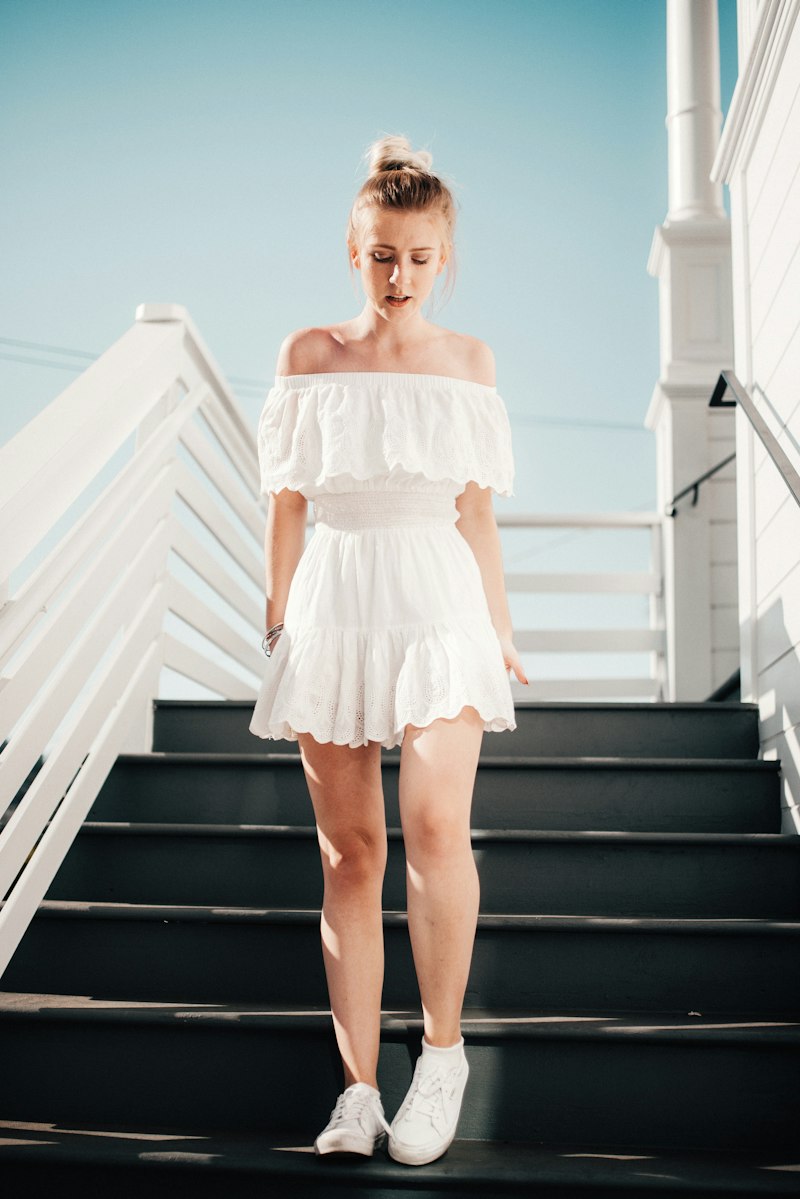
When it comes to wardrobe staples that effortlessly transition from sun-soaked beach days to elegant evening affairs, few garments can compete with the enduring appeal of a spaghetti strap dress. This iconic piece of women’s fashion has been gracing closets for over half a century, and its popularity shows absolutely no signs of fading. Whether you are building a capsule wardrobe or searching for the perfect outfit for a summer soirée, understanding the versatility and history of this remarkable garment will help you make informed style choices that last a lifetime.
The spaghetti strap dress derives its name from the impossibly thin straps that rest delicately on the shoulders, resembling — as the name suggests — strands of spaghetti. What makes this design so revolutionary is its ability to flatter virtually every body type while maintaining an understated elegance that more elaborate garments often fail to achieve. From fashion runways in Paris and Milan to the bustling streets of New York and London, the spaghetti strap dress has proven itself to be one of the most adaptable and universally flattering silhouettes in modern fashion history.
The Fascinating History Behind the Spaghetti Strap Dress
To truly appreciate the spaghetti strap dress, one must first understand its remarkable journey through fashion history. The origins of this delicate design can be traced back to the 1930s, when designers first began experimenting with minimalism in women’s evening wear. According to historical fashion archives documented on Wikipedia, the slip dress — a close cousin of the spaghetti strap dress — emerged as lingerie-inspired outerwear during the Art Deco period, challenging conventional notions of what constituted appropriate public attire for women.
The real explosion of the spaghetti strap dress came in the 1990s, when it became the defining silhouette of a generation. Supermodels like Kate Moss and Naomi Campbell wore them on red carpets and magazine covers, cementing the design’s place in fashion history. Fashion icon Carolyn Bessette-Kennedy’s iconic 1996 wedding dress, designed by Narciso Rodriguez, featured delicate spaghetti straps and became one of the most photographed and imitated bridal looks of the decade. Vogue’s comprehensive fashion retrospective dedicated an entire feature to how this seemingly simple design reshaped the fashion landscape of the late twentieth century.
What is particularly fascinating about the spaghetti strap dress is its cyclical nature in fashion. Just when critics declare it outdated, some of the world’s most influential designers reinvent it for a new generation. Designers like Calvin Klein, Vera Wang, and more recently, brands like Reformation and Aritzia, have continuously reinterpreted the spaghetti strap dress, proving that true style transcends temporary trends. The garment’s resilience in the fashion ecosystem is a testament to its fundamental design brilliance — simple, elegant, and endlessly adaptable.
Why the Spaghetti Strap Dress Flatters Every Body Type
One of the most remarkable qualities of the spaghetti strap dress is its universal flattery. Unlike many fashion trends that cater exclusively to specific body types, this versatile silhouette has the extraordinary ability to enhance and celebrate diverse body shapes. The thin straps create a visual line that draws the eye upward, elongating the neck and creating the illusion of broader shoulders. For those with a petite frame, this elongation effect can be particularly transformative, making the wearer appear taller and more statuesque than their actual measurements might suggest.
For individuals with a fuller bust, the spaghetti strap dress offers surprising support when properly constructed. The key lies in understanding the engineering behind quality garments — a well-designed spaghetti strap dress incorporates internal structure such as built-in bras, boning, or strategically placed seams that provide support without compromising the garment’s delicate aesthetic. Fashion experts at Harper’s Bazaar have repeatedly emphasized that the secret to finding a flattering spaghetti strap dress lies in paying attention to these hidden structural elements rather than focusing solely on the visible design.
Those with an athletic or rectangular body type will find that the spaghetti strap dress creates the illusion of curves where nature may not have provided them. The bare shoulders and collarbone area become the focal point, while the dress’s typically fluid drape creates movement and softness that counterbalances angular features. For pear-shaped individuals, A-line spaghetti strap dresses with fitted bodices and flowing skirts create a perfectly balanced silhouette that highlights the narrowest part of the torso while gracefully skimming over the hips. The mathematical precision with which these proportions work is no accident — fashion designers have spent decades perfecting these ratios to create garments that enhance natural beauty.
How to Style Your Spaghetti Strap Dress for Any Occasion
The true genius of the spaghetti strap dress lies in its chameleon-like ability to transform based on styling choices. The same dress that serves as your go-to beach cover-up can become the centerpiece of a sophisticated dinner outfit with just a few strategic additions. This versatility is what makes investing in quality spaghetti strap dresses such a smart financial decision for any fashion-conscious individual.
For casual daytime wear, pair your spaghetti strap dress with flat sandals, a wide-brimmed hat, and a crossbody bag. The laid-back aesthetic created by this combination is perfect for weekend brunches, farmers market visits, or afternoon strolls through the park. Choose fabrics like cotton, linen, or chambray for these casual occasions — these natural fibers breathe beautifully in warm weather and develop a charming lived-in character over time that synthetic fabrics simply cannot replicate.
When the occasion calls for something more polished, your spaghetti strap dress can easily transition to office-appropriate attire with the addition of a tailored blazer and classic pumps. The contrast between the delicate straps and the structured blazer creates a sophisticated tension that fashion editors absolutely love. For evening events, swap the blazer for a luxe leather jacket or a flowing kimono, add statement earrings and strappy heels, and you have an ensemble that commands attention without appearing overdone. The beauty of this approach is that a single well-chosen spaghetti strap dress can serve dozens of different styling combinations throughout the year.
Layering is another powerful technique that extends the wearability of your spaghetti strap dress across all four seasons. During transitional months like spring and autumn, layer a fitted turtleneck underneath for a look that is both fashion-forward and practical. In colder weather, try wearing your spaghetti strap dress over a long-sleeved thermal top paired with opaque tights and ankle boots. These styling tricks demonstrate that the spaghetti strap dress is not merely a summer garment but rather a year-round wardrobe cornerstone that rewards creative experimentation.
Choosing the Right Fabric for Your Spaghetti Strap Dress
Fabric selection is perhaps the most critical decision when purchasing a spaghetti strap dress, as the material fundamentally determines how the garment drapes, feels, and photographs. Silk remains the gold standard for luxury spaghetti strap dresses — its natural sheen catches light beautifully, creating an ethereal glow that is particularly flattering in evening settings. A silk spaghetti strap dress feels like liquid luxury against the skin and photographs with an almost cinematic quality that has made it the preferred choice of countless celebrities on red carpets worldwide.
For everyday wear, cotton and cotton-blend fabrics offer breathable comfort that is hard to match. Cotton spaghetti strap dresses are machine washable, durable, and develop a softer hand feel with each wash — qualities that make them ideal for frequent rotation in your wardrobe. Rayon and viscose offer a middle ground, providing the fluid drape of silk at a more accessible price point, though these fabrics typically require more careful laundering to maintain their shape and texture over time.
Satin and chiffon represent the dressier end of the fabric spectrum. Satin spaghetti strap dresses possess a luxurious weight and reflective quality that makes them perfect for formal events, galas, and special celebrations. Chiffon, with its airy transparency and delicate hand, creates an almost otherworldly femininity that is particularly popular for summer weddings and garden parties. When selecting between these fabric options, consider not only the occasion but also your local climate — heavier fabrics like satin can feel oppressive in humid conditions, while chiffon may not provide enough structure for air-conditioned indoor events.
Color Psychology and the Spaghetti Strap Dress
The color you choose for your spaghetti strap dress communicates volumes about your personality and the impression you wish to create. Color psychology research has consistently demonstrated that different hues evoke specific emotional responses in both the wearer and the observer, making color selection a strategic rather than merely aesthetic decision. Black spaghetti strap dresses remain the most versatile option in any wardrobe — the color black conveys sophistication, authority, and timelessness, making it appropriate for virtually any occasion from memorial services to cocktail parties.
White and ivory spaghetti strap dresses project purity, freshness, and effortless elegance. These shades are particularly popular for daytime events and summer occasions, though they require more maintenance to keep them looking pristine throughout the day. Red spaghetti strap dresses make a bold statement — the color red has been scientifically proven to increase heart rate and capture attention more effectively than any other color in the visible spectrum. If your goal is to be noticed, a red spaghetti strap dress is essentially a guaranteed method.
Emerald green, navy blue, and burgundy offer sophisticated alternatives that work beautifully across seasons. These deeper tones carry associations with wealth, stability, and refined taste — qualities that make them particularly effective for professional networking events and formal dinners. Pastel shades like blush pink, lavender, and mint green evoke spring and renewal, making them ideal choices for garden parties, bridal showers, and daytime celebrations. The key is selecting a color that not only complements your natural coloring but also aligns with the emotional atmosphere of the events you plan to attend.
Caring for Your Spaghetti Strap Dress to Ensure Longevity
Investing in quality spaghetti strap dresses is only worthwhile if you commit to proper garment care, as these delicate pieces require more attention than sturdier wardrobe items. The thin straps are particularly vulnerable to stretching and damage, so proper storage is essential. Always hang spaghetti strap dresses on padded hangers to distribute weight evenly and prevent the straps from elongating or deforming over time. Wire hangers should be strictly avoided — they can create permanent indentations in delicate fabrics and cause straps to stretch unevenly.
Washing instructions vary significantly by fabric type, but a general rule is to hand wash or use the delicate cycle with cold water for most spaghetti strap dresses. Silk and satin varieties almost always require professional dry cleaning to maintain their structural integrity and lustrous finish. When air drying, lay the garment flat on a clean towel rather than hanging it while wet — the added weight of water can stretch the delicate straps and distort the dress’s original silhouette. Never wring or twist a wet spaghetti strap dress, as this can cause permanent damage to the fabric fibers.
For storage between seasons, invest in breathable garment bags that protect against dust and moths while allowing air circulation. Avoid plastic storage bags, which trap moisture and can cause yellowing or mildew growth on natural fibers. Proper care extends the life of a quality spaghetti strap dress by years — a well-maintained silk piece can remain a wardrobe staple for decades, making the initial investment increasingly cost-effective over time.
The Spaghetti Strap Dress in Contemporary Fashion
In 2026, the spaghetti strap dress continues to dominate fashion conversations, proving once again that truly great design is timeless. Contemporary designers are pushing the boundaries of what this classic silhouette can achieve, incorporating sustainable fabrics, innovative draping techniques, and unexpected details that feel fresh while honoring the garment’s rich heritage. The rise of sustainable fashion has particularly influenced spaghetti strap dress design, with eco-conscious brands pioneering the use of organic cotton, recycled polyester, and plant-based silk alternatives that reduce environmental impact without compromising quality.
Social media platforms like Instagram and TikTok have also played a significant role in the spaghetti strap dress’s continued relevance. Style influencers regularly showcase creative ways to style and layer these garments, introducing them to new generations of fashion enthusiasts who might otherwise overlook this classic piece. The democratization of fashion through digital platforms means that the spaghetti strap dress is no longer the exclusive domain of high fashion — it is accessible, wearable, and beloved by people from all walks of life.
As we look toward the future, the spaghetti strap dress shows no signs of losing its position as one of fashion’s most essential garments. Its combination of simplicity, versatility, and timeless elegance ensures that it will remain a closet staple for generations to come. Whether you are a seasoned fashion enthusiast or someone just beginning to curate a thoughtful wardrobe, the spaghetti strap dress deserves a prominent place in your collection — because some pieces are simply too perfect to ever go out of style.