

Why a Cotton Circle Skirt Is the Most Effortlessly Versatile Wardrobe Piece You Can Own in 2026
A cotton circle skirt might not be the first garment that comes to mind when you think about building a timeless wardrobe, but it absolutely should be. The beauty of this particular silhouette lies in its ability to bridge casual and refined aesthetics without requiring any effort on your part. Whether you are heading to a weekend brunch, a creative office environment, or an evening garden party, a cotton circle skirt adapts to the occasion with an ease that few other garments can match. If you have been searching for women’s clothes that deliver comfort, movement, and understated elegance all in one piece, this is the item you should prioritize.
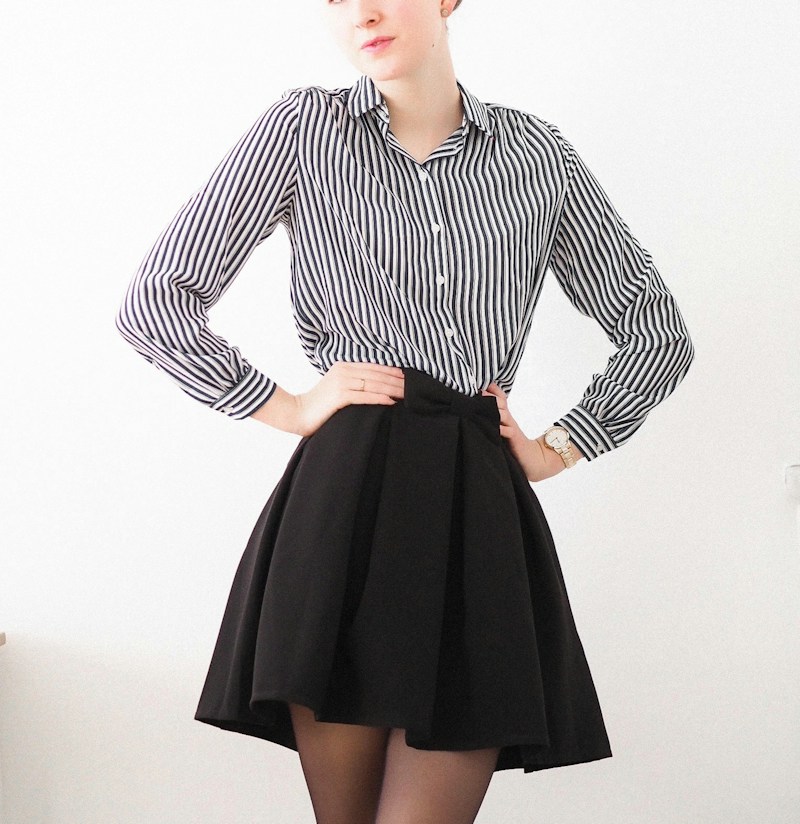
The Origins and Evolution of the Circle Skirt Silhouette
The circle skirt as a garment concept dates back to the 1940s, when fashion designers began experimenting with geometric pattern-cutting techniques that maximized fabric usage while creating a dramatic, flared shape. According to the Wikipedia entry on circle skirts, the defining feature of this garment is its construction from a circular piece of fabric with a waist opening at the center, producing the signature full sweep that fans out when you move. This mathematical precision in pattern-making meant that every circle skirt, regardless of the material, would produce the same flowing effect — a remarkable achievement in garment engineering that required no pleats, no gathers, and no additional structural elements.
What made the circle skirt particularly revolutionary during the mid-twentieth century was its departure from the restrictive silhouettes of previous decades. Before the 1940s, women’s fashion favored narrow, column-like shapes that constrained movement and prioritized form over function. The circle skirt inverted that philosophy entirely, celebrating freedom of motion and using the body’s natural movement to activate the garment’s visual drama. Designers like Claire McCardell championed this approach as part of a broader movement toward American sportswear that emphasized practicality alongside beauty. When cotton became the fabric of choice for these skirts, the combination became even more powerful — a breathable, washable, affordable material paired with a silhouette that looked far more expensive than it was.
By the 1950s, the cotton circle skirt had become a cultural icon, appearing in countless films, magazine spreads, and everyday wardrobes across Western fashion markets. It was the uniform of the teenager going to a sock hop, the young woman at a drive-in movie, and the modern homemaker who wanted to look polished without sacrificing comfort. This cultural moment cemented the cotton circle skirt’s place in fashion history not as a passing trend but as a foundational design that would resurface repeatedly in subsequent decades. Even today, when fashion cycles revisit mid-century aesthetics, the cotton circle skirt remains the authentic reference point rather than a reinterpretation.
Why Cotton Makes All the Difference
Fabric choice fundamentally determines how a garment performs, feels, and ages over time, and cotton stands out as one of the most versatile fibers ever cultivated for textile production. According to research published by the BBC Future, cotton’s natural breathability, moisture-wicking properties, and biodegradability make it uniquely suited for everyday clothing that needs to perform across seasons and climates. When applied to a circle skirt, cotton’s characteristics become even more valuable because the garment’s fullness requires a fabric that can hold its shape without becoming heavy or stiff.
A cotton circle skirt drapes beautifully because the natural fiber has enough body to create the characteristic flared silhouette while remaining light enough to move fluidly with your steps. Unlike synthetic alternatives that can cling or create static, cotton allows the skirt to breathe and fall naturally from the waist, creating that effortless swing motion that defines the circle skirt experience. This becomes particularly important in warmer months when you want a garment that looks structured but feels like wearing nothing at all. The cotton fiber’s ability to absorb perspiration and release it through evaporation means you stay comfortable even during extended outdoor wear — something that polyester-blend circle skirts simply cannot replicate.
Beyond comfort, cotton offers practical advantages that align with how people actually live. It is machine washable, it softens with each wash rather than degrading, and it responds well to ironing or steaming if you want a crisp, polished appearance. A well-made cotton circle skirt can last for years without losing its shape or color vibrancy, especially when sourced from quality mills that use long-staple cotton varieties. This longevity transforms the garment from a seasonal purchase into a genuine wardrobe investment, which is precisely the kind of value proposition that modern consumers are increasingly prioritizing in their shopping decisions.
How to Style a Cotton Circle Skirt for Every Season
One of the most compelling arguments for investing in a cotton circle skirt is its remarkable adaptability across seasons and occasions. In spring, you can pair it with a fitted turtleneck and ankle boots for a look that transitions seamlessly from the farmer’s market to a casual Friday at the office. The key is to balance the skirt’s volume with a more fitted top, creating a proportional silhouette that feels intentional rather than accidental. A thin leather belt at the natural waist can further define your shape and add a touch of sophistication that elevates the entire outfit without requiring any additional layers or accessories.
During summer, a cotton circle skirt paired with a simple tank top and sandals becomes the ultimate warm-weather uniform. The fabric’s breathability ensures comfort during the hottest days, while the skirt’s length options — from knee-length midi to full maxi — allow you to choose coverage based on your personal preferences and the specific setting. For beach outings or resort vacations, a lightweight cotton circle skirt in a bright color or playful print can serve as a stylish cover-up over swimwear, offering modest coverage without sacrificing the breezy, relaxed aesthetic that defines summer dressing. The versatility here is genuinely remarkable for a single garment.
When autumn arrives, the cotton circle skirt proves its worth once again by layering beautifully under cardigans, blazers, and even lightweight knit sweaters. Tights or leggings underneath extend the wearability into cooler temperatures, while ankle boots or loafers ground the look with a seasonal appropriateness that feels polished and considered. In winter, the skirt can be layered with thick wool tights, knee-high boots, and a chunky sweater for a cozy yet put-together ensemble that works for everything from holiday gatherings to weekend errands. The cotton fabric’s natural insulation properties, while not comparable to wool, still contribute enough warmth to make the skirt a viable cold-weather option when layered appropriately.
Body Type Considerations and Why This Silhouette Works for Everyone
Fashion advice that prescribes specific garments for specific body types has become increasingly outdated, and the cotton circle skirt is perhaps the best example of why that one-size-fits-all thinking should be retired. The circular cut of this skirt creates a balanced, symmetrical shape that flatters a wide range of proportions precisely because it does not cling to or emphasize any particular area of the body. Instead, it skims from the waist downward in a smooth arc that creates visual harmony regardless of whether you are petite, tall, curvy, or straight-figured. The waistband sits at your natural waist — the narrowest point of your torso — which inherently creates a flattering proportion for every body type.
For individuals with a fuller lower body, the cotton circle skirt’s gentle flare avoids the constriction and emphasis that more fitted skirts can create, offering instead a relaxed, flowing shape that celebrates movement rather than restricting it. For those with a straighter silhouette, the skirt adds volume and dimension to the lower half, creating the illusion of curves through the garment’s construction rather than relying on the body’s natural shape. Petite individuals benefit from the skirt’s continuous vertical line that elongates the figure, especially when worn in a monochromatic or tonal outfit that extends the eye from top to bottom without interruption.
The length of the cotton circle skirt also provides customization opportunities that further enhance its universal appeal. A midi-length option that hits just below the knee offers a classic, versatile proportion that works in professional and social settings alike. A maxi-length version creates a dramatic, elongating effect that can be particularly flattering for taller individuals or those who want to create the appearance of additional height. And for those who prefer a more playful, youthful aesthetic, a knee-length or slightly above-knee cotton circle skirt delivers energy and movement that feels fresh and modern without crossing into anything inappropriate for everyday wear.
Shopping Smart: What to Look for in a Quality Cotton Circle Skirt
Not all cotton circle skirts are created equal, and understanding the construction details that separate a well-made garment from a disposable one will save you money and frustration over time. The first thing to examine is the waistband construction. A quality cotton circle skirt features a fully finished waistband — not an elasticated band that can stretch out and lose its shape after a few wears. Look for a structured waistband with a hidden side zipper or a clean hook-and-eye closure that sits flat against the body without creating bulk. This detail alone distinguishes a garment designed for longevity from one designed for fast-fashion turnover.
The weight and weave of the cotton fabric also matter significantly. A medium-weight cotton with a tight, even weave will hold the circle shape better than a thin, loosely woven alternative that may appear floppy or shapeless after a single wear. You want a fabric that has enough substance to create the full, flared silhouette the circle cut is designed to produce, but not so heavy that the skirt feels cumbersome or loses its ability to move fluidly. When you hold the skirt up, the fabric should fall in a clean, continuous drape without excessive wrinkling or bunching — this indicates a well-selected cotton blend that will perform well in real-world conditions.
Finally, pay attention to the hemline finishing. A properly hemmed cotton circle skirt features a narrow, even hem that is either machine-stitched or hand-finished with care. The hem should lie flat and even when the skirt is hanging, without waviness or unevenness that indicates rushed construction. This may seem like a minor detail, but the hem is what gives the circle skirt its final shape and visual polish — a poorly finished hem can make even an otherwise well-constructed skirt look cheap and unfinished. Taking the time to evaluate these construction details before purchasing ensures that your cotton circle skirt will be a piece you reach for season after season rather than one that ends up discarded after a handful of wears.
The Sustainable Angle: Why a Cotton Circle Skirt Aligns with Conscious Fashion Values
As consumer awareness around environmental sustainability continues to reshape the fashion industry, the cotton circle skirt emerges as a garment that naturally aligns with responsible consumption principles. Cotton is a natural, renewable, and biodegradable fiber that decomposes far more readily than synthetic alternatives like polyester or nylon, which release microplastics into waterways with every wash. When you choose a cotton circle skirt made from organically grown or responsibly sourced cotton, you are supporting agricultural practices that reduce pesticide use, conserve water, and protect the ecosystems where the fiber is cultivated.
Additionally, the cotton circle skirt’s timeless design means it does not participate in the rapid trend cycles that drive overconsumption and textile waste. Unlike garments tied to specific seasonal trends that lose their relevance within months, a cotton circle skirt remains relevant across years and even decades because its silhouette is rooted in classic design principles rather than temporary fashion moments. This longevity reduces the frequency with which you need to replace the garment, which in turn reduces your overall consumption footprint — a simple but impactful shift toward more sustainable personal fashion habits that anyone can adopt without sacrificing style or self-expression.
The repairability of cotton garments also deserves mention here. Because cotton is a natural fiber that responds well to mending, a cotton circle skirt that develops a small tear or loose seam can often be repaired at home or by a local tailor, extending the garment’s usable life significantly. This contrasts sharply with synthetic garments that are often impossible to repair effectively and are therefore discarded at the first sign of wear. Choosing a cotton circle skirt is not just a style decision — it is a small but meaningful vote for a fashion system that values durability, repairability, and respect for the resources that go into making the clothes we wear every day.