

The Pink Dress Guide: Every Shade, Every Style, Every Occasion You Need to Know About in 2026
If there is one color that has the power to transform a simple dress into an instant mood-lifter, it is pink. From soft blush tones that whisper understated elegance to bold fuchsia shades that demand every eye in the room, a pink dress occupies a uniquely versatile position in any woman’s wardrobe. You have probably stood in front of your closet at some point, holding a pink dress and wondering whether it is the right choice for whatever event lies ahead. The answer, more often than not, is yes — and this guide will show you exactly why.
Why Pink Has Become the Dominant Fashion Color of the Decade
Color trends in fashion do not emerge from thin air. They are the result of cultural shifts, economic climates, and the collective psychological needs of a generation. According to Leatrice Eiseman, Executive Director of the Pantone Color Institute, who has been quoted extensively in Vogue’s coverage of annual color trend forecasts, pink’s rise to prominence reflects a broader cultural yearning for optimism and warmth. After years defined by global uncertainty, consumers have gravitated toward colors that feel nurturing and hopeful. Pink delivers on both fronts.
The data backs this up. A 2024 analysis by WGSN, the global trend forecasting authority, identified pink as the fastest-growing color category across all womenswear segments, with search volume for “pink dress” increasing by over 40% year over year on major retail platforms. You are not imagining the pink explosion — it is happening in every mall, every boutique, and every online storefront you visit. The shade has crossed demographic boundaries, appealing to women in their twenties choosing their first cocktail pink dress as much as to women in their fifties who appreciate the refined confidence of a dusty rose wrap style.
What makes pink particularly interesting from a fashion psychology standpoint is its dual nature. Lighter pinks — think baby pink, blush, and powder pink — project approachability, tenderness, and a soft femininity that never feels performative. Deeper pinks — magenta, hot pink, raspberry — carry an energy that reads as bold, assertive, and unapologetically confident. This range means that no matter your personality, your comfort level with standing out, or the formality of your event, there is a pink dress that matches your exact wavelength. You do not have to force yourself into a color identity; the spectrum accommodates you.
Choosing the Right Pink Shade for Your Skin Tone
Not every pink works for every woman, and that is perfectly fine. The key to wearing a pink dress with genuine confidence — the kind that has nothing to do with the garment itself and everything to do with how it makes you feel — lies in matching the shade to your skin’s undertones. This is not fashion snobbery; it is basic color theory applied to personal styling.
If your skin has warm undertones — meaning your veins appear more greenish, you tend to tan easily, and gold jewelry looks naturally harmonious on you — you will look extraordinary in pinks with warm bases. Coral pink, salmon, peachy pink, and rose gold are your allies. These shades complement the golden warmth in your complexion rather than fighting against it. A coral pink dress at a summer garden party will make your skin glow in a way that cooler pinks simply cannot achieve for your coloring.
On the other hand, if your undertones run cool — bluish veins, a tendency to burn before tanning, silver jewelry that looks like it was made for you — then your pink dress palette shifts toward cooler territory. Think icy pink, rose pink, magenta, and even the near-purple end of the spectrum with fuchsia and raspberry. These shades create a clean, luminous contrast against cool skin that looks intentional and polished. Stylist Rachel Zoe has spoken about this principle in Harper’s Bazaar’s feature on color theory in personal styling, noting that matching undertones is the single most impactful adjustment a woman can make to her wardrobe without buying a single new piece — just the right shades of the pieces she already owns.
For women with neutral undertones, you have hit the jackpot. Nearly every pink shade works for you, from the palest whisper of millennial pink to the most electric hot pink you can find. Your flexibility means you can choose a pink dress based on the occasion, your mood, or simply what catches your eye in the store rather than worrying about color compatibility.
The Pink Dress for Every Occasion You Will Ever Face
A pink dress is not a one-trick garment. Its versatility stretches across virtually every social and professional scenario you can name, and understanding which style serves which occasion will save you from both wardrobe anxiety and unnecessary purchases. Let us break down the most common situations where a pink dress proves itself indispensable.
For the office, the right pink dress walks a fine line between professional and personality-forward. A tailored sheath in dusty rose or a structured midi in muted mauve signals competence while quietly refusing the notion that workwear must be monochrome. Pair it with a blazer in navy or charcoal, keep your accessories minimal, and you have an outfit that commands respect without erasing your individuality. The key here is saturation — muted pinks read as sophisticated neutrals in a corporate context, while bright fuchsia can feel too casual for most professional environments.
Date night is where a pink dress truly earns its keep. A slip dress in champagne pink, a bodycon in vivid raspberry, or an A-line silhouette in classic rose — each sends a distinctly romantic signal without relying on the tired trope of the red dress. Pink communicates warmth, approachability, and a certain softness that many find more alluring than the aggressive energy of red. Add strappy heels, a delicate necklace, and you have a look that says you put thought into the evening without appearing as though you tried too hard.
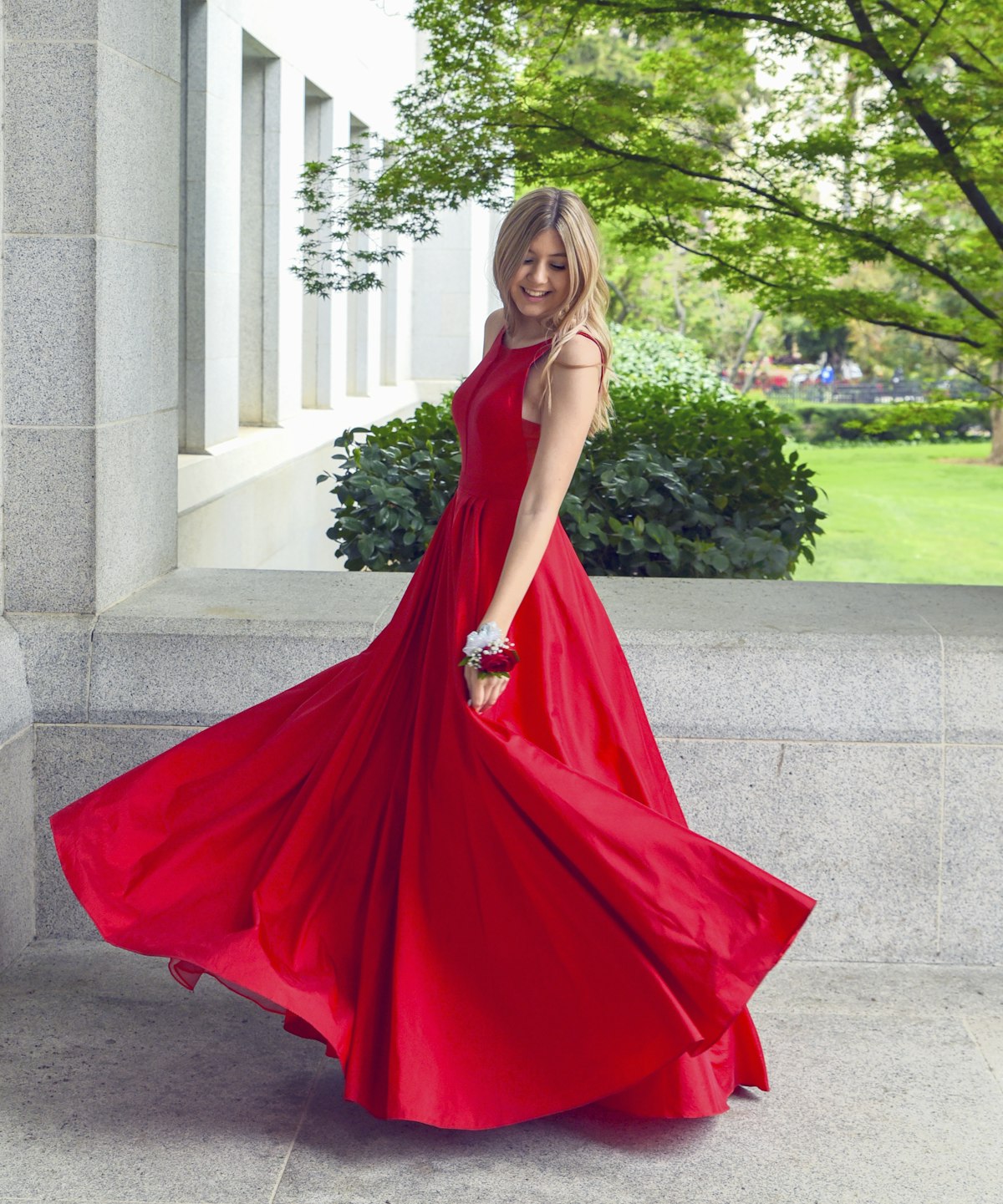
Weddings, graduations, garden parties — these events practically beg for a pink dress. The color photographs beautifully in natural light, complements outdoor settings (especially spring and summer venues), and photographs well alongside floral arrangements. A flowy maxi pink dress in chiffon at an outdoor wedding or a fit-and-flare style in soft pink at a garden brunch will make you feel like you belong in the scene rather than merely attending it. The trick is to avoid shades too close to traditional bridal tones if you are a wedding guest; blush can photograph nearly white, so lean toward deeper pinks like peony or cranberry for those events.

How to Style Your Pink Dress Beyond the Obvious
Most women stop at shoes and a handbag when styling a pink dress. That is a perfectly acceptable approach, but it leaves a lot of potential on the table. The way you accessorize, layer, and even alter the silhouette of a pink dress can transform it from a single outfit into several distinct looks that feel entirely different from one another.
Layering is your most powerful tool. Throw a denim jacket over a summer pink dress and you instantly ground the femininity with casual edge — this combination works because the roughness of denim creates a deliberate contrast with the softness of pink. A black leather jacket does something different: it adds an element of rebellion and modernity that makes the pink dress feel current and slightly dangerous rather than sweet and safe. For winter, a pink dress layered under a chunky knit cardigan in cream or oatmeal creates a look that is cozy without sacrificing style. You are not limited to wearing a pink dress only in warm months.
Footwear choices dramatically shift the energy of your pink dress. White sneakers transform it into a weekend brunch outfit. Nude pumps elevate it to boardroom-ready. Black ankle boots give it an autumn edge. Metallic sandals — gold or rose gold — push it into celebration territory. The dress itself stays the same, but the shoes rewrite the entire narrative of what you are communicating to the world around you. This is the kind of styling flexibility that makes investing in a quality pink dress worth far more than its price tag suggests.
Accessories deserve the same intentionality. Gold jewelry warms up a pink dress and enhances its romantic qualities. Silver jewelry cools it down and makes it feel sharper and more modern. A wide belt in a contrasting color can completely reshape the silhouette, turning a loose-fitting pink dress into something structured and defined. A silk scarf tied at the neck or woven through a handbag strap adds a touch of European polish that makes the entire look feel curated rather than assembled. Fashion influencer Aimee Song demonstrated this exact principle in her widely shared Instagram styling series on reimagining single statement pieces, showing how one pink dress could yield seven completely different outfits through strategic accessorizing alone.
The Fabric Factor: How Material Changes Everything About a Pink Dress
Pink is a color that interacts with fabric in ways that other colors simply do not. The same shade of pink looks dramatically different depending on whether it is rendered in cotton, silk, satin, chiffon, or knit. Understanding these interactions will help you choose a pink dress that not only looks right but feels right for the way you intend to wear it.
Cotton pink dresses are the everyday workhorses. The matte finish of cotton absorbs the pink tone, producing a softer, more muted result that reads as casual and effortless. A cotton pink dress in a shirt-dress silhouette is the kind of piece you throw on for running errands, meeting a friend for coffee, or working from a café where you want to look put together without looking like you are trying to impress anyone. The fabric’s breathability also makes cotton pink dresses ideal for hot summer days when comfort matters as much as appearance.
Silk and satin pink dresses exist on an entirely different plane. These fabrics reflect light, which means the pink color gains depth, luminosity, and a sense of movement that cotton cannot replicate. A satin pink dress catches the light as you walk, creating shifting highlights that make the garment feel alive. This is why satin pink dresses dominate the evening wear and special occasion categories. The fabric communicates luxury, and the pink color communicates warmth — together, they create a garment that feels genuinely celebratory.
Chiffon and tulle pink dresses belong in the realm of romantic and formal dressing. The sheer, layered quality of these fabrics allows pink to exist in gradients — the outermost layer appears palest, while the inner layers intensify the color, creating a depth effect that is visually stunning. If you have ever wondered why so many bridesmaid dresses and prom gowns feature pink chiffon, this is the reason. The fabric allows the color to breathe and create dimension that photographs magnificently.
Common Pink Dress Mistakes and How to Avoid Them
Even the most flattering pink dress can fall flat if certain common mistakes go unchecked. These are not dealbreakers, but they are the kinds of small adjustments that separate a good pink dress look from a genuinely great one. Knowing what to watch for will save you from second-guessing your outfit choice every time you look in the mirror.
The most frequent mistake is wearing pink tones that clash with your natural coloring rather than complement it. If you have placed a pink dress against your body and it makes your skin look sallow or washed out, the problem is not pink — it is the specific shade of pink. Move lighter or move darker along the spectrum until you find a shade that makes your complexion look vibrant. This is a five-minute fix in a fitting room that can completely change your relationship with the color.
Another common error is over-accessorizing a pink dress. Pink is already a statement color. Adding a bold printed scarf, chunky statement necklace, brightly colored handbag, and patterned shoes creates visual chaos that overwhelms the garment and the wearer. The most successful pink dress looks let the dress speak for itself and use accessories as supporting actors rather than competing leads. If your pink dress is a bright, saturated shade, keep your accessories neutral. If your pink dress is a muted, understated tone, you have slightly more room to play with colorful accessories, but restraint still serves you well.
Undergarment visibility is the third pitfall. Pink, especially in lighter shades and thinner fabrics, can be unforgiving when it comes to visible panty lines and bra straps. A seamless nude undergarment set — not white, which can show through pink fabric more than you might expect — solves this problem entirely. For satin and silk pink dresses, consider a slip underneath to prevent the fabric from clinging in ways that create unwanted silhouettes. These are minor details that nobody notices when done correctly but everyone notices when done wrong.
Investing in a Quality Pink Dress That Lasts
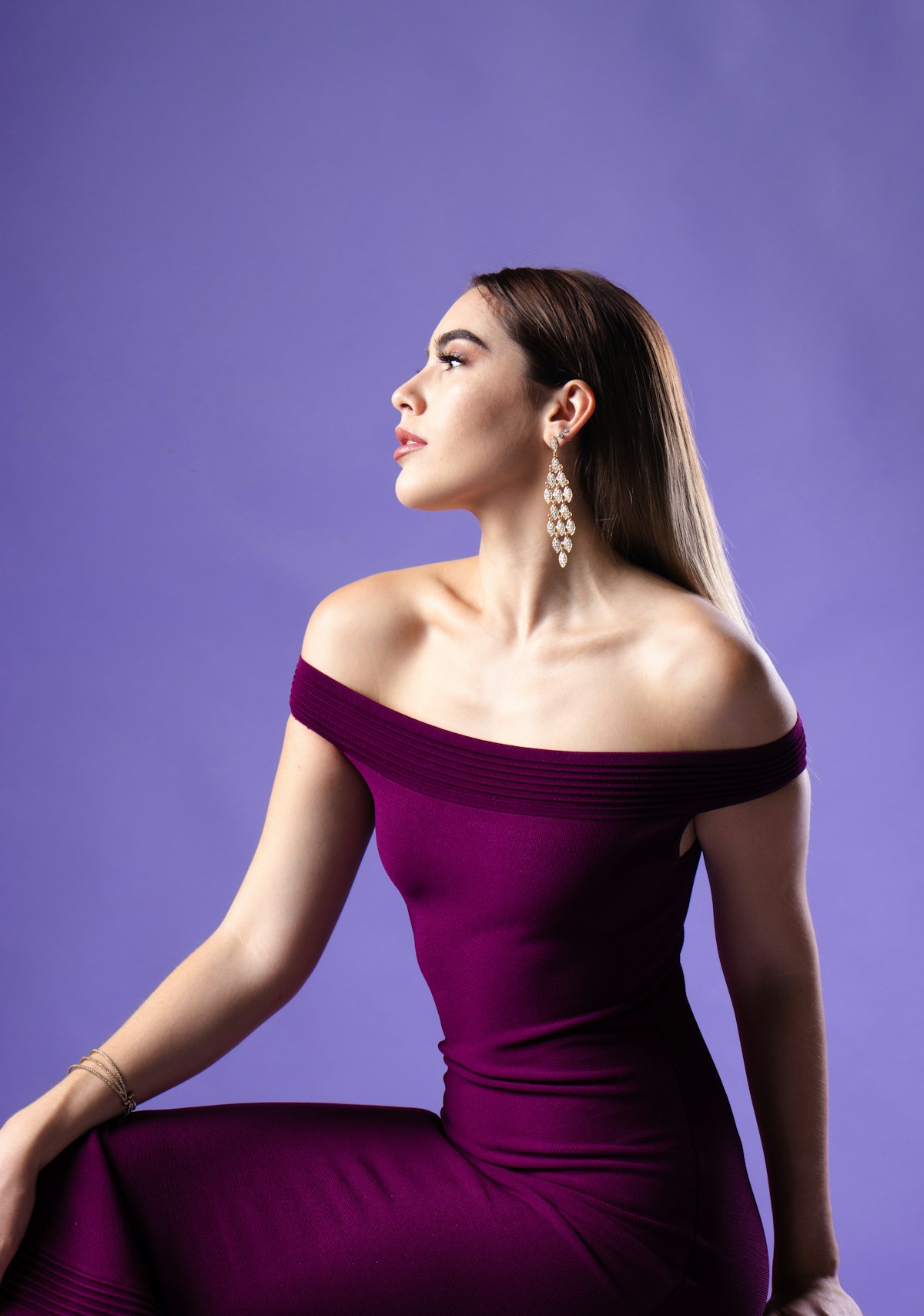
Not all pink dresses are created equal, and the price gap between a fast-fashion pink dress and a well-constructed one reflects real differences in materials, stitching, and longevity. If you plan to wear your pink dress more than once or twice — and you should, because versatility is the whole point — investing in quality pays dividends that become obvious after the third or fourth wear.
What separates a quality pink dress from a disposable one starts with the fabric composition. Natural fibers like cotton, silk, and linen age gracefully, developing a soft patina over time that actually enhances the garment’s character. Synthetic fabrics like polyester can look fine on the hanger but tend to pill, lose their shape, and develop that characteristic sheen that signals wear after just a handful of washes. Check the care label before you buy; a pink dress that requires dry cleaning may not be the practical everyday piece you are looking for, but it might be the perfect investment for special occasions where appearance matters most.
Construction quality is equally important. Examine the seams — they should be straight, even, and finished cleanly on the inside. Zippers should glide smoothly without catching on the fabric. Lining, if present, should be attached securely and made from a breathable material. Buttons should be sewn on with adequate thread and reinforced at stress points. These details may seem minor when you are shopping, but they determine whether your pink dress survives a full season of regular wear or falls apart after three outings. A well-made pink dress in a timeless silhouette is a wardrobe investment that will serve you for years, not just for the current season.
Finally, consider the cut and silhouette in relation to your body shape and lifestyle. A pink dress that fits your actual life — your commute, your workplace dress code, your weekend plans, your social calendar — will get worn far more often than a gorgeous pink dress that exists only for hypothetical occasions. The best pink dress is the one that aligns with how you actually live, not how you imagine you might live someday. When you find that dress, in the right shade, in the right fabric, with the right construction, you will know immediately. It is the one you reach for when you want to feel like yourself — just a slightly more polished, more confident version.