

What Makes a Linen Dress So Uniquely Comfortable in Hot Weather
When the temperature climbs and humidity makes every outfit feel like a compromise, a dress crafted from linen fiber rises above everything else in your wardrobe. The fabric has been around for thousands of years — it was literally used to wrap Egyptian mummies, according to historical records on Wikipedia — and for good reason. Linen, made from the flax plant (Linum usitatissimum), possesses a hollow fiber structure that allows air to circulate freely between your skin and the garment. This is not just marketing language; it’s actual textile science. The hollow fibers create micro-channels of ventilation that synthetic fabrics simply cannot replicate, no matter how advanced the engineering becomes.
A linen dress leverages this natural breathability to its fullest advantage. Unlike cotton, which tends to absorb and trap moisture, linen wicks water away from the body and dries remarkably quickly. Anyone who has sweated through a summer afternoon knows the difference between wearing something damp and clinging versus wearing something that lets you stay dry and composed. That is precisely why a linen dress has become the go-to choice for women who refuse to sacrifice comfort for style during the warmest months of the year. The keyword “linen dress” itself sees consistent search volume year after year because the demand for this specific garment is real and growing — and once you understand the material science behind it, that popularity stops feeling like a trend and starts looking like common sense.
Consider the thermoregulatory properties of flax fiber more closely. Studies published in textile research journals have demonstrated that linen fabric can keep the body up to three to four degrees cooler than cotton under identical conditions. This temperature differential might sound small on paper, but in practical terms it is the difference between feeling refreshed and feeling miserable on a ninety-degree afternoon. A linen dress captures this cooling advantage and extends it across your entire torso and legs, making it one of the most functionally effective garments you can own for warm-weather living.
The Aesthetic Appeal of Linen: Why It Looks as Good as It Feels
There is a common misconception that linen looks “wrinkled” and therefore sloppy. This view misses the point entirely about what makes linen visually appealing. The characteristic texture of a linen dress — the gentle creasing, the relaxed drape, the lived-in quality — communicates something that perfectly smooth, pressed fabrics cannot: effortless sophistication. Fashion editors at Vogue have repeatedly described linen as the fabric that “looks expensive without trying,” and this observation aligns with how consumers actually perceive linen garments in real-world settings. A woman walking down a Mediterranean street in a rumpled white linen dress reads as chic, not careless, precisely because the wrinkles signal authenticity rather than neglect.
The natural luster of linen fiber adds another dimension to its visual appeal. Unlike synthetic fabrics that reflect light in a flat, uniform way, linen has a subtle sheen that changes depending on the angle of illumination. This means a linen dress photographed in golden-hour sunlight will look entirely different from the same dress photographed under fluorescent office lighting — and both versions will be beautiful in their own way. This dynamic quality makes linen an exceptionally photogenic fabric, which partly explains why influencers and fashion bloggers consistently reach for their linen dresses when building content for Instagram and Pinterest. The fabric does the heavy lifting aesthetically, requiring minimal styling effort to achieve a polished, editorial-worthy look.

Color also behaves differently on linen compared to other textiles. The flax fiber accepts dye in a way that produces depth and variation rather than flat uniformity. This means a navy linen dress will have subtle tonal shifts that give the garment character and richness, while a white linen dress carries an almost luminescent quality that cotton cannot match. These color characteristics matter because they make a linen dress look significantly more expensive than its price point might suggest, providing genuine value for women who want to build a wardrobe that looks curated and intentional without spending a fortune on designer labels.
How to Style a Linen Dress for Every Occasion
The versatility of a linen dress is perhaps its most underappreciated quality. One garment can serve as casual weekend wear, office-appropriate attire, beach cover-up, and even event-appropriate dressing — the differences come down to accessories and styling choices rather than the dress itself. This adaptability means you are not buying a single-use item; you are investing in a wardrobe workhorse that earns its place in your closet by showing up repeatedly across different contexts and seasons.
For a casual daytime look, pair your linen dress with leather sandals, a woven straw tote, and minimal gold jewelry. The simplicity of this combination lets the fabric speak for itself, and the relaxed silhouette of a linen dress pairs naturally with the easygoing energy of a farmers’ market trip or a Saturday morning coffee run. Add a wide-brimmed hat and oversized sunglasses, and the outfit instantly gains a touch of Riviera glamour without any additional effort. The key principle here is restraint — a linen dress already carries visual interest through its texture and drape, so competing accessories or busy patterns tend to detract rather than enhance.
For professional settings, the same linen dress transforms with the addition of a tailored blazer, closed-toe mules or low block heels, and structured leather accessories like a briefcase or a satchel bag. A belt at the natural waist adds definition and creates a more formal silhouette, while a silk scarf tied at the neck introduces a polished finishing touch. Many women worry that linen is too casual for the office, but this concern assumes all linen garments are cut the same way. A well-tailored linen dress in a darker color — think charcoal, forest green, or deep burgundy — reads as sophisticated and appropriate for virtually any business-casual environment. The selection of linen styles available online has expanded dramatically in recent years, giving you plenty of options to find a cut that works for your specific workplace dress code.
Evening events require a slightly different approach, but the linen dress handles them with equal competence. Choose a longer hemline — midi or maxi — and elevate the look with metallic accessories: strappy gold sandals, statement earrings, and a clutch bag in a complementary shade. A silk kimono or lightweight cashmere wrap draped over the shoulders adds warmth for cooler evening air while introducing textural contrast that elevates the overall composition. The result is an outfit that looks intentional and expensive, built around a garment that costs a fraction of what you would pay for a formal silk or chiffon evening dress.
The Sustainability Case for Choosing Linen Over Synthetic Alternatives
Environmental considerations are increasingly factoring into purchasing decisions, and linen stands out as one of the most sustainable textile options available to consumers. The flax plant requires significantly less water than cotton — estimates suggest approximately 6.4 liters of water to produce one kilogram of flax fiber, compared to over 10,000 liters for the same amount of conventional cotton. This dramatic difference matters because water scarcity is one of the most pressing environmental challenges facing the global textile industry today. Choosing a linen dress over a cotton dress is not just a comfort decision; it’s an environmental statement.
Additionally, flax can be grown in poor-quality soil where other crops would fail, and it requires minimal to no pesticides when cultivated in its traditional growing regions across Western Europe. The entire flax plant is usable — the seeds produce linseed oil, the byproducts become animal feed, and nothing goes to waste. This full-utilization model stands in stark contrast to the wasteful practices common in fast-fashion supply chains, where synthetic fibers shed microplastics into waterways and discarded garments accumulate in landfills at an accelerating rate. A linen dress, made from a natural biodegradable fiber, will eventually return to the earth without leaving toxic residue behind.
The longevity of linen fabric further strengthens its sustainability credentials. A well-made linen dress can last a decade or more with proper care, developing a softer hand and more characterful drape with each wearing and washing cycle. This durability directly counters the disposable fashion model, where garments are designed to be replaced after a handful of wears. When you calculate the cost-per-wear of a quality linen dress over five years of regular use, the price per wearing drops to pennies, making it one of the most economically sensible clothing purchases you can make alongside its environmental benefits.
Caring for Your Linen Dress: Simple Rules for Long-Lasting Beauty
One reason some women hesitate to invest in a linen dress is the perception that linen is difficult to maintain. This reputation is largely undeserved and stems from outdated ironing expectations rather than genuine care complexity. The modern approach to linen embraces its natural texture and minimizes the effort required to keep a linen dress looking its best. Understanding a few simple principles will extend the life of your garment significantly while reducing the time and energy you spend on laundry.
Wash your linen dress in cool or lukewarm water on a gentle cycle, or hand wash for the most delicate pieces. Avoid hot water, which can cause shrinkage and accelerate fiber breakdown over time. Use a mild, pH-neutral detergent — the same kind you would use for wool or silk — and skip the fabric softener entirely. Fabric softeners coat the fibers and reduce linen’s natural absorbency and breathability, which are the very qualities that make a linen dress worth owning in the first place. For drying, lay the garment flat on a clean towel or hang it on a padded hanger in the shade. Direct sunlight can cause fading over extended exposure, particularly for darker-colored linen dresses.
Ironing is optional and depends entirely on your personal aesthetic preference. If you prefer the crisp, polished look, iron your linen dress while it is still slightly damp using a medium-to-high heat setting. Iron on the reverse side to prevent shine marks on the fabric surface. However, if you embrace the relaxed, lived-in aesthetic that linen naturally provides, you can skip ironing altogether and simply shake out the garment after washing, hang it to dry, and wear it with confidence. Both approaches are valid, and neither compromises the integrity of the fabric. The beauty of a linen dress lies in its forgiving nature — it looks good regardless of which care philosophy you choose.
Choosing the Right Linen Dress for Your Body Type and Personal Style
Not every linen dress flatters every body shape equally, and understanding how different silhouettes interact with linen’s specific properties will help you make smarter purchasing decisions. Linen has a structured drape — it holds its shape rather than clinging to the body — which makes it particularly flattering for women who prefer a relaxed fit or who want to skim over areas they feel self-conscious about without adding bulk. A linen dress in an A-line cut creates clean lines from shoulder to hem, providing a universally flattering shape that works for pear-shaped, apple-shaped, and hourglass figures alike.
For women with a smaller bust, a linen dress with detailing at the neckline — such as a ruffle, pleating, or a subtle V-neck — adds visual interest and creates the illusion of more volume in the upper body. For women with a fuller bust, a wrap-style linen dress offers adjustable fit and comfortable support without the need for restrictive structure. The wrap silhouette also cinches at the smallest part of the waist, creating an hourglass effect that flatters virtually every body type. Midi-length linen dresses are particularly versatile because they provide coverage without feeling heavy, making them suitable for both conservative environments and more relaxed social settings.
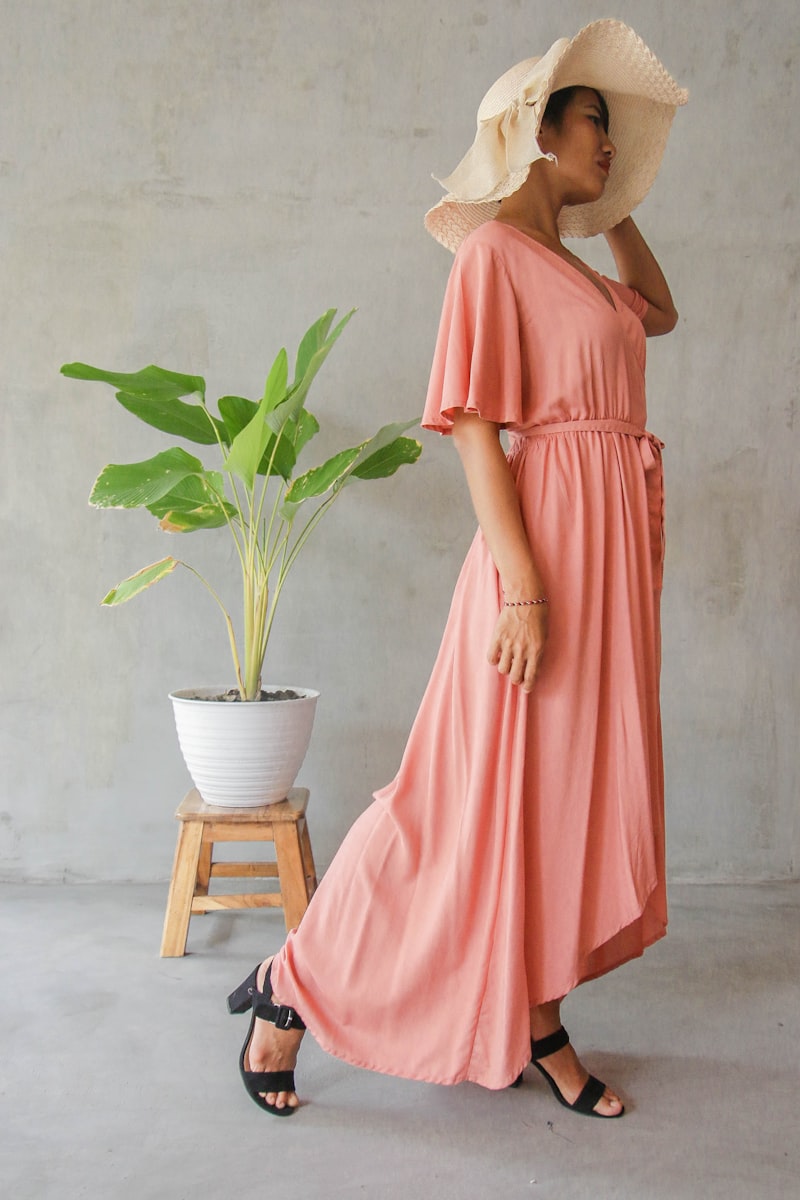
Color selection should align with both your skin tone and your existing wardrobe. Neutral tones — white, ivory, natural flax, navy, and charcoal — offer maximum versatility and pair easily with the accessories and shoes you already own. If you want to add visual energy, earth tones like olive, terracotta, and rust work beautifully on linen because they complement the natural warmth of the flax fiber. Bright colors like coral, turquoise, and lemon yellow create a striking summer statement and photograph exceptionally well for social media or vacation memories. The key is to choose a color you genuinely feel good wearing, because confidence is the ultimate styling tool, and a linen dress worn with genuine comfort and self-assurance will always outperform any expensive garment worn with hesitation or discomfort.