

The Definitive Guide to Knit Sweaters: Why This Timeless Wardpiece Deserves Center Stage in Every Closet
There is something universally comforting about pulling on a well-crafted knit sweater on a crisp morning. The way the fibers hug your frame, the gentle weight that settles across your shoulders, and the immediate sense of ease it brings—it is no wonder that this humble garment has survived centuries of fashion evolution. While sweater collections have expanded to include everything from cropped silhouettes to oversized slouchy designs, the fundamental appeal of a quality knit sweater remains unchanged. Whether you are building a minimalist capsule wardrobe or hunting for that standout piece to anchor a seasonal look, understanding what makes knit sweaters so enduringly relevant is the first step toward making smarter purchasing decisions.
The History Behind the Knit: From Fishermen’s Garments to Runway Staples
The origins of the knit sweater stretch back several centuries, rooted in practical necessity rather than fashion ambition. Fishermen along the Irish and Scottish coastlines wore hand-knit jumpers—later known as Aran sweaters—to shield themselves from harsh Atlantic winds and relentless sea spray. Each cable pattern carried meaning within the community: diamond stitches represented the islands’ patchwork fields, while the zigzagging cable patterns mimicked the ropes that kept fishing boats tethered to shore. The Metropolitan Museum of Art’s Costume Institute has documented how these working-class garments gradually transitioned from utilitarian wear to symbols of heritage and craftsmanship, eventually catching the attention of Parisian couture houses in the early twentieth century. Coco Chanel famously incorporated jersey knit into her collections during the 1910s, effectively elevating a material once associated with fishermen’s wives into a legitimate fashion textile. This cultural migration—from the rocky shores of the Aran Islands to the grand salons of Paris—established the knit sweater as a garment that could simultaneously communicate comfort and sophistication. The story does not end there, however. During World War II, military-issued knit sweaters became standard uniform for naval forces across Europe and North America, further cementing the garment’s association with durability and reliability. Post-war, Hollywood icons like James Dean and Steve McQueen wore chunky knit pullovers in film stills that would become style templates for generations to come. Today, when fashion historians trace the lineage of any wardrobe staple, the knit sweater appears with remarkable frequency as a through-line connecting centuries of dress culture.
What Makes Knit Fabric Different: Understanding Yarn, Gauge, and Construction
Not all knit sweaters are created equal, and the differences lie in the technical details of how each piece is constructed. Knit fabric, by definition, is formed by interlocking loops of yarn rather than the woven interlacing found in materials like denim or silk. This looped structure is what gives knit sweaters their characteristic stretch and flexibility. The term “gauge” refers to the number of stitches per inch, and it directly impacts the sweater’s weight, drape, and warmth. A fine-gauge knit sweater—typically 14 to 18 stitches per inch—produces a sleek, lightweight garment that layers easily beneath blazers or coats without adding bulk. Mid-gauge knits fall in the 8 to 12 stitch range and offer a comfortable middle ground suitable for transitional weather. Heavy-gauge knits, sometimes called chunky or bulky, feature fewer than 8 stitches per inch and create the thick, textured fabric that most people associate with cozy winter wardrobes. The choice of yarn matters just as much as the gauge itself. Merino wool delivers exceptional softness and temperature regulation, making it ideal for a knit sweater that needs to perform across seasons. Cashmere, sourced from the undercoat of cashmere goats, produces the most luxurious hand feel but requires more careful maintenance. Cotton knits breathe beautifully and work wonderfully in warmer climates, though they lack the insulating properties of wool blends. Acrylic and synthetic blends offer affordability and easy care, though purists argue they sacrifice the natural breathability that makes wool-based knit sweaters so comfortable for extended wear. When shopping for a knit sweater, examining the fiber content label and understanding how the gauge affects the overall silhouette will help you choose pieces that genuinely serve your lifestyle rather than simply filling space on a hanger.
The Many Silhouettes: Finding the Right Knit Sweater for Your Body Type
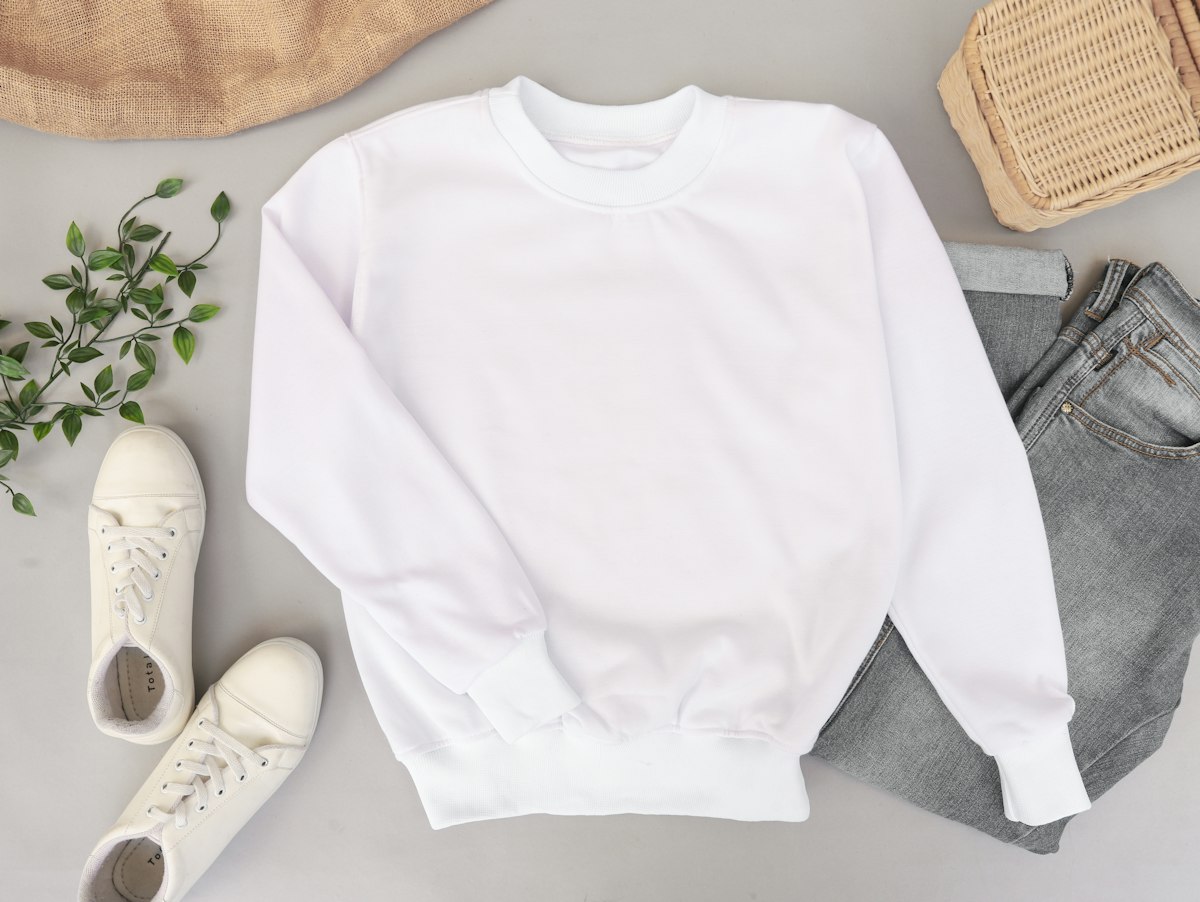
One reason the knit sweater has maintained such pervasive popularity is its remarkable adaptability to different body shapes and styling preferences. The crewneck knit sweater remains the most universally flattering option—a rounded neckline that sits at the base of the neck creates clean horizontal lines that work with virtually every face shape and shoulder width. For those seeking a slightly more elongated appearance, the V-neck knit sweater draws the eye downward and creates the illusion of a longer torso, which many stylists recommend for petite frames and fuller busts alike. The turtleneck knit sweater, sometimes called a roll neck, has experienced several fashion resurgences over the past decade and offers maximum warmth alongside a sleek, intellectual aesthetic that pairs naturally with tailored trousers and structured outerwear. Cardigans—open-front knit sweaters with button or tie closures—provide layering versatility that closed-front styles cannot match. A long-line knit cardigan worn over a slip dress creates an elegant contrast between structured knit and flowing fabric, while a cropped knit cardigan layered over high-waisted jeans taps into the proportion-play that has defined contemporary street style. Oversized knit sweaters have dominated fashion conversations since the mid-2010s, and their appeal lies in the deliberate contrast between generous fabric volume and the typically streamlined bottoms that accompany them. Fashion stylist Rachel Zoe has frequently noted in interviews with Vogue that an intentionally oversized knit sweater creates a sense of effortless confidence because it signals that the wearer prioritizes comfort without sacrificing intentionality. For those with a more athletic build, fitted ribbed knit sweaters emphasize muscular definition while still delivering the softness and stretch that knit construction provides. The half-zip knit sweater occupies a space between casual and polished, making it a popular choice for business-casual environments where a full sweater might feel too relaxed but a dress shirt alone feels insufficient. Understanding which silhouette complements your natural proportions transforms the knit sweater from a generic cold-weather basic into a deliberately chosen component of your personal style vocabulary.
Styling a Knit Sweater Across Seasons: Beyond the Winter Months
A common misconception limits the knit sweater to autumn and winter wardrobes, but a well-curated collection of knit pieces can anchor outfits throughout all four seasons. Spring styling revolves around lighter-weight knit sweaters in breathable yarns like cotton, linen blends, or fine merino. A pastel-hued cotton knit sweater paired with white denim and leather sandals captures the fresh, optimistic energy of spring without overheating as temperatures climb. The trick lies in selecting the right gauge—anything heavier than mid-gauge will feel oppressive by late April in most temperate climates. Summer might seem an unlikely season for knitwear, yet linen-knit sweaters and open-weave crochet pieces have become warm-weather staples in coastal fashion communities. A loosely knitted linen sweater worn over a tank top or swimsuit provides sun protection while the open stitch pattern allows airflow that solid fabrics cannot replicate. Fashion-forward destinations like the Greek islands and the Amalfi Coast have long embraced summer knitwear as part of their resort aesthetic, proving that the category extends far beyond cold-weather practicality. Autumn is where the knit sweater truly comes into its element. This is the season for layering—wearing a fine-gauge knit sweater beneath a leather jacket, or pairing a chunky cable-knit piece with a flowing midi skirt and ankle boots. The color palette naturally shifts toward earth tones: camel, forest green, burgundy, and charcoal become the dominant hues that complement the changing landscape. Winter demands the heaviest knit sweaters in your rotation, and this is when wool and cashmere blends prove their worth. Layering a turtleneck knit sweater beneath a wool coat creates a streamlined silhouette that traps body heat without requiring excessive bulk. Adding a silk camisole underneath your warmest knit sweater introduces an additional insulating layer that many cold-climate residents consider essential. The ability to adapt a single garment category across such dramatically different temperature ranges speaks to the knit sweater’s unmatched versatility. A recent analysis by the British Fashion Council noted that knitwear appears in approximately 40 percent of all runway collections annually, a statistic that underscores the garment’s year-round relevance in both commercial and high-fashion contexts.
Caring for Your Knit Sweater: Washing, Storing, and Extending Garment Life
Investing in quality knit sweaters only makes sense if you know how to care for them properly, because neglect can transform an expensive piece into a misshapen disappointment within a single season. The golden rule for most wool and cashmere knit sweaters is hand washing in cold water with a detergent specifically formulated for delicate fibers. Machine washing—even on a gentle cycle—introduces agitation and spin forces that can cause natural fibers to felt, shrink, or lose their original shape entirely. If hand washing feels impractical, look for care labels indicating “machine washable,” a designation that typically means the fibers have been treated or blended to withstand gentle mechanical washing. After washing, never hang a wet knit sweater to dry, as the weight of absorbed water will stretch the garment out of shape. Instead, lay the sweater flat on a clean, dry towel, roll the towel to absorb excess moisture, then reshape the sweater and allow it to air dry on a flat surface away from direct sunlight and heat sources. Storage requires equal attention. Folding knit sweaters and placing them in a drawer or on a shelf preserves their shape far better than hanging, which causes the shoulders to stretch and the body to elongate over time. Cedar blocks or lavender sachets placed in storage areas naturally deter moths without the chemical residue associated with traditional mothballs. For knit sweaters made from luxury fibers like cashmere, rotating wear so that no single piece receives more than two consecutive days of use allows the fibers to recover their natural elasticity between wears. Small pills—those fuzzy balls that form on the surface of knit fabric through friction—are a natural occurrence and not a sign of poor quality. A fabric shaver or cashmere comb removes pills cleanly without damaging the underlying knit structure. Following these care practices extends the usable life of a well-made knit sweater by years, if not decades, transforming what might seem like a seasonal purchase into a genuine wardrobe investment.
Building a Knit Sweater Collection: Essential Pieces Every Wardrobe Needs
Creating a functional knit sweater collection does not require filling a closet with dozens of pieces—rather, it means selecting a handful of versatile styles that cover your most common styling scenarios. Start with a classic crewneck knit sweater in a neutral color like navy, charcoal, or cream. This piece serves as your foundational layer, pairing effortlessly with everything from tailored trousers to denim to skirts. Add a V-neck knit sweater in a complementary shade, which provides a slightly dressier option for office environments and occasions that call for a more refined appearance. A turtleneck knit sweater in black or deep burgundy anchors cold-weather layering strategies and looks particularly sophisticated when worn beneath blazers or structured coats. For weekend wear, an oversized knit sweater in a soft neutral or muted pattern introduces relaxed energy to otherwise simple outfits. A lightweight cardigan-style knit sweater rounds out the collection by offering the layering flexibility that closed-front styles cannot achieve. If budget allows, investing in one premium cashmere knit sweater delivers a level of softness and drape that mid-range alternatives simply cannot replicate, and many wearers find that a single exceptional cashmere piece becomes their most frequently worn garment across multiple seasons. Color strategy matters when building a cohesive collection: aim for roughly 70 percent neutral pieces that mix and match easily, and reserve the remaining 30 percent for seasonal colors or statement patterns that express personal style without complicating daily outfit decisions. A cable-knit knit sweater in an unexpected shade like mustard or teal, or a color-blocked piece that incorporates two complementary tones, can inject visual interest into a rotation that otherwise skews conservative. For those exploring curated knitwear options, searching for cable knit sweater styles on your favorite fashion retailer will reveal the range of textures and silhouettes available within this category. The goal is not to own every variation of knit sweater but to own the right variations—the ones that genuinely work with your existing wardrobe, suit your climate, and reflect the way you actually want to dress on any given morning.
The Cultural Resonance: Why Knit Sweaters Keep Coming Back
Fashion cycles move quickly, yet the knit sweater occupies a rare position as a garment that never truly goes out of style—it merely shifts in prominence from season to season. Designers return to knitwear with remarkable regularity because the medium offers nearly infinite creative possibility: yarn weight, stitch pattern, silhouette, color, and embellishment can each be adjusted independently, producing results that range from minimalist to extravagantly textured. British designer Stella McCartney has described knitwear as “the most democratic form of fashion construction”, noting that unlike woven fabrics that arrive from mills in predetermined patterns and weights, knit garments can be engineered stitch by stitch to achieve specific design intentions. This creative freedom has produced some of fashion’s most memorable garments, from Ralph Lauren’s iconic cable-knit rugby sweaters that defined preppy American style to Rei Kawakubo’s deconstructed knit pieces for Comme des Garçons that challenged conventional notions of what a sweater could be. On a cultural level, the knit sweater carries associations that few other garments can claim. It evokes images of grandmother’s hands working knitting needles, of university students studying in drafty libraries, of weekend cabin getaways and fireside conversations. These emotional connections give the knit sweater a warmth that extends far beyond its physical properties. In an era of fast fashion and disposable clothing, a well-made knit sweater represents something increasingly rare: a garment designed to last, to age gracefully, and to accumulate personal meaning through years of wear. That combination of practical function, creative versatility, and cultural resonance explains why the knit sweater continues to appear on runways, in street style photography, and in the everyday wardrobes of people who may not follow fashion trends closely but know a good thing when they feel it against their skin.