

There’s something about a dress made of satin that feels like a shortcut to looking put together without trying too hard. Whether you’re heading to a wedding reception, a cocktail party, or simply want to elevate your Tuesday evening dinner plans, a satin dress delivers the kind of effortless polish that few other fabrics can match.
The satin dress has held a remarkably steady position in women’s fashion for over a century, and the numbers back it up. According to a 2024 fashion industry report by Grand View Research, the global satin fabric market was valued at approximately USD 2.4 billion, with dresses and formalwear representing the largest end-use segment (source: grandviewresearch.com).
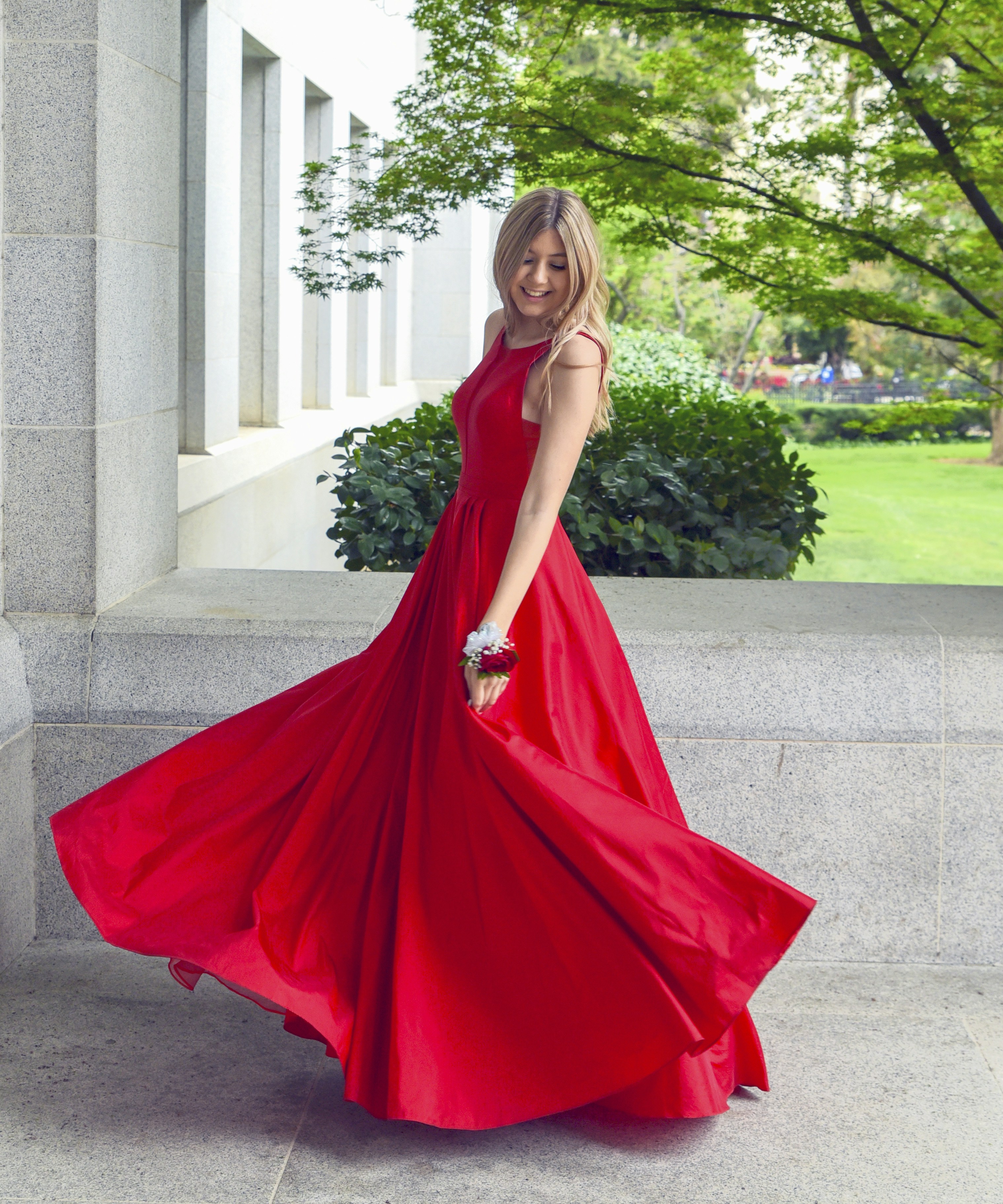
What Makes the Satin Dress So Universally Flattering
When you first slip into a satin dress, the most immediate thing you notice is the way the fabric catches light. Unlike matte materials that absorb light and flatten your silhouette, satin’s signature weave creates a subtle sheen that sculpts and highlights. The glossy surface and the dull back work together as a kind of optical technology — the light bounces off the raised warp yarns in a way that naturally draws attention to the curves and lines of the garment’s design. Wikipedia’s entry on satin explains that the satin weave — one of three fundamental textile weaves alongside plain and twill — was developed precisely to maximize this light-reflective quality (source: en.wikipedia.org/wiki/Satin).
But the visual appeal is only half the story. The second half is tactile, and it matters more than fashion writers typically acknowledge. When you wear a satin dress, your skin experiences a surface that slides rather than grips. This has a cascading effect on how the garment hangs from your body. Unlike stiff cottons or heavy wools that resist your natural shape, satin yields. It follows rather than fights. That’s why women of virtually every body type — from petite to plus-size, from athletic to hourglass — can find a satin dress that makes them feel genuinely comfortable, not just dressed up.
The physics of the fabric also means that a well-cut satin dress doesn’t need excessive embellishment to command attention. The fabric does the work. A simple sheath silhouette in midnight blue satin will out-shine a heavily beaded dress in polyester every time, because the material itself is doing the talking. If you’ve ever stood in front of a mirror in a silk charmeuse dress and wondered how something so simple could feel so luxurious, you’ve experienced exactly what fashion houses have been banking on for generations.
Choosing the Right Satin Dress for Your Body Type
Not every satin dress works the same way on every frame, and understanding the relationship between your body proportions and the dress’s cut will save you a lot of shopping frustration. The good news is that the range of satin dress silhouettes available today is wider than it has ever been, which means the right one is out there — you just need to know what to look for.
If you carry more weight around your midsection, an A-line satin dress is your most reliable option. The gradual flare from the waist down creates a clean, elongating line that doesn’t cling to areas you might prefer to minimize. Look for satin with a bit of weight to it — heavier satin drapes more cleanly and doesn’t show every contour. A bias-cut satin dress in a rich jewel tone like emerald or burgundy will give you that red-carpet look without feeling overdone. The key is to let the dress skim rather than squeeze. When the fabric glides past your body instead of pressing against it, the satin dress creates a silhouette that photographs beautifully from every angle.
For those with an hourglass figure, the satin dress is practically custom-made for you. The fabric’s natural drape follows your curves without exaggerating them. A wrap-style satin dress or a fitted sheath with a defined waist seam will accentuate your proportions in exactly the right way. Don’t be afraid of brighter colors — satin in coral, cobalt, or even white can look extraordinary on an hourglass frame because the structure of the dress already provides the necessary balance.
If you’re petite, the danger with satin is that too much fabric can overwhelm you. A midi-length satin dress with a V-neckline and a defined waist will create the illusion of height without looking like you borrowed someone else’s clothes. Avoid floor-length satin gowns unless they’re specifically tailored for shorter frames — the pooling fabric at the bottom can make you look shorter, not taller. A satin slip dress that hits just above the knee is a petite woman’s secret weapon for looking elongated and polished.

Styling Your Satin Dress for Every Occasion
One of the most underappreciated qualities of the satin dress is its range. The same garment that looks completely appropriate at a black-tie gala can, with the right adjustments, work for a casual Saturday brunch. The trick is understanding which styling levers to pull for each context.
For formal occasions — galas, award ceremonies, upscale dinners — you want to lean into the inherent elegance of the satin dress. Pair it with metallic heels in gold or silver, a structured clutch, and minimal jewelry. A single statement piece, like a pair of drop earrings or a cuff bracelet, is enough. The satin dress is already making a visual statement, and adding too many competing elements dilutes the effect. Hair styled in a loose updo or a sleek low ponytail keeps the focus on the neckline and the way the fabric falls. As Harper’s Bazaar noted in their spring 2026 styling guide, the current trend favors understated elegance over maximalist accessorizing for evening wear (source: harpersbazaar.com).
For semi-formal events like cocktail parties or gallery openings, the satin dress gives you room to be more playful. Try a knee-length satin dress in a bold pattern or an unexpected color like burnt orange or forest green. Layer a cropped blazer over the shoulders for a structured contrast against the fluid satin. Ankle-strap heels and a crossbody bag keep the look grounded and modern. You can experiment with layered necklaces or a stack of thin bracelets here — the less formal the event, the more personality you can inject into your accessories.
For casual settings, which is where most people don’t think to wear a satin dress, try pairing a simple midi-length satin slip dress with white sneakers and a denim jacket. It sounds contradictory, but that’s precisely what makes it work. The contrast between the dress’s inherent formality and the casualness of sneakers and denim creates an outfit that feels intentional rather than accidental. Add a canvas tote and you’ve got a look that works for farmers’ markets, coffee shop meetings, and weekend errands — all while wearing something that looks like you put in far more effort than you actually did.
The Seasonal Guide to Wearing a Satin Dress
Satin gets a reputation as a warm-weather fabric, but that assumption limits you more than you might realize. A satin dress is genuinely wearable year-round if you adjust your layering strategy to match the temperature. Understanding how to adapt this garment across seasons transforms it from a closet occasional into a year-round staple.
In spring, the satin dress shines in its most natural element. The moderate temperatures mean you can wear it alone or with a light cardigan draped over your shoulders. Pastel-toned satin dresses — think blush pink, lavender, or soft mint — feel seasonally appropriate and photograph beautifully in natural spring light. A pair of nude pumps and a woven handbag completes the look without competing with the dress itself. If the evening runs cooler, a sheer shawl in a complementary tone adds warmth without hiding the satin’s characteristic sheen.
Summer is where the satin dress faces its biggest test. Real silk satin breathes, but polyester satin does not, and that distinction matters enormously when temperatures climb. If you’re shopping for a summer satin dress, prioritize natural fiber content — silk satin, cotton-satin blends, or even bamboo satin will keep you cooler than pure polyester. Choose lighter colors and shorter hemlines to maximize airflow. A slip dress in champagne or pale blue satin, worn with flat sandals and minimal jewelry, is the kind of outfit that keeps you cool while still looking like you dressed with intention.
Autumn is arguably the best season for the satin dress, and here’s why: the cooler weather lets you layer creatively without overheating. A long-sleeve satin dress in a deep, rich color like oxblood, forest green, or navy becomes the centerpiece of a layered autumn outfit. Throw a chunky knit cardigan over it, add ankle boots, and you’ve created a textural contrast that fashion editors photograph at street style events every fashion week. The juxtaposition of soft, lustrous satin against rough, woolly knitwear is visually compelling and practically brilliant for temperature management.
Winter demands the most from a satin dress, but the payoff is a look that stands out in a sea of winter blacks and greys. A long-sleeve, floor-length satin dress worn under a wool overcoat creates a dramatic reveal when you step indoors and remove your coat. Add opaque tights, heeled boots, and a statement necklace, and the satin dress becomes the kind of winter outfit that makes people ask where you got it. The key winter rule with satin: never let the dress touch the inside of a coat that will lint or pill — the smooth surface of satin shows every fiber that transfers to it.
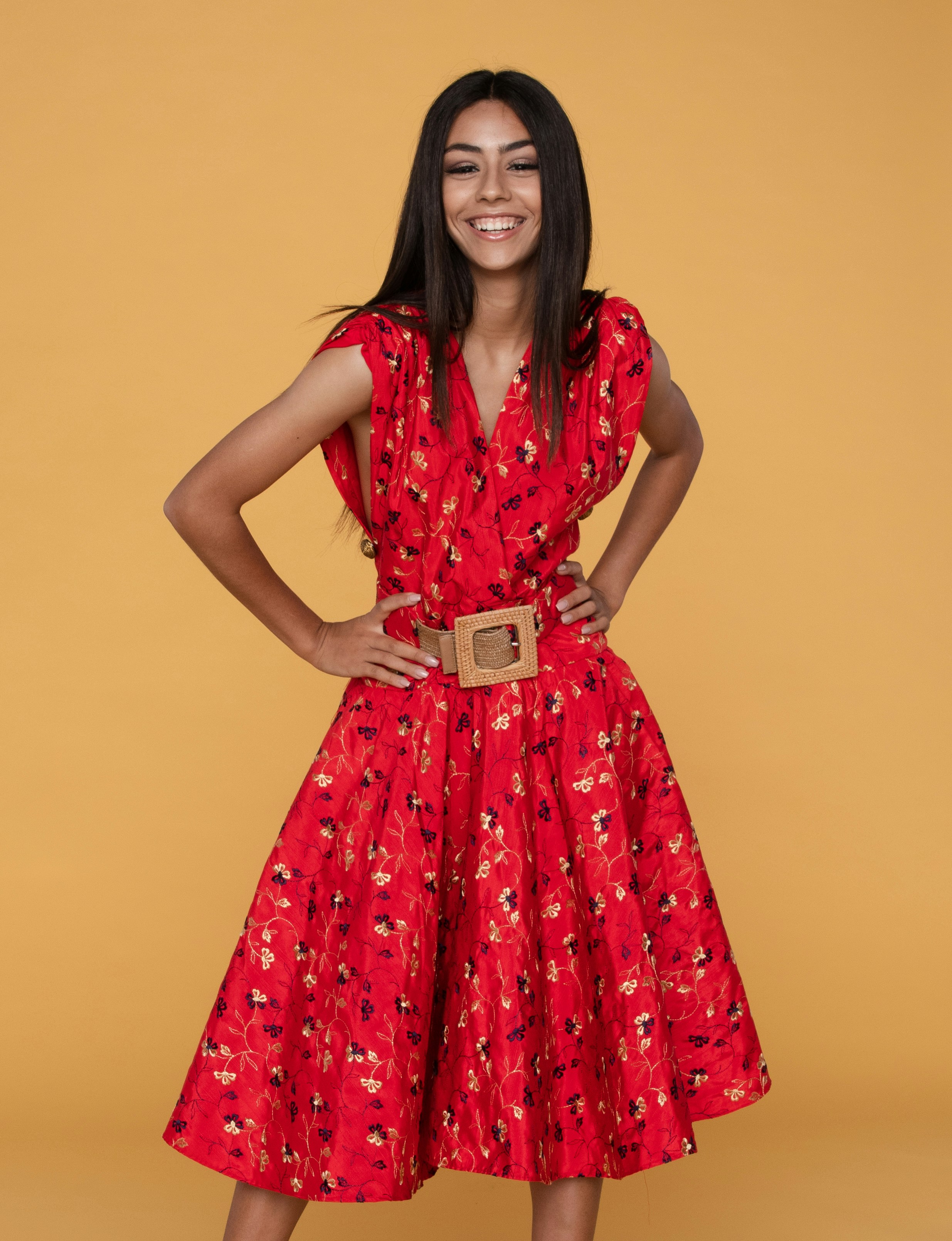
Caring for Your Satin Dress So It Lasts
A satin dress is an investment, and like any investment, its longevity depends on how you maintain it. The care instructions vary depending on the fiber content, but there are universal principles that apply to every satin dress regardless of what it’s made from.
First, always hang your satin dress on a padded hanger — never wire. Wire hangers create indentations in the shoulders that are nearly impossible to remove without professional steaming. Second, store it in a breathable garment bag, not plastic. Plastic traps moisture, and moisture against satin fabric creates water marks that show up as darker patches on the glossy surface. If you’re storing a satin dress for an extended period, fold it carefully along the seams and place it in a cotton storage bag with a sachet of lavender or cedar to deter moths — particularly important if the dress contains any silk content.
For cleaning, check the care label first. Silk satin almost always requires dry cleaning or very gentle hand-washing in cool water with a pH-neutral detergent. Polyester satin can sometimes be machine-washed on a delicate cycle, but always use a mesh laundry bag to protect the surface from friction against other garments. Never wring or twist a wet satin dress — press the water out gently between two clean towels and lay flat to dry. Ironing satin requires a low-heat setting and a pressing cloth between the iron and the fabric; direct heat can scorch the glossy surface permanently.
If your satin dress develops a snag, resist the urge to pull the thread. Instead, use a fine needle to gently work the thread back to the wrong side of the fabric. For small stains, blot — never rub — with a clean, damp cloth. The satin weave is durable in terms of wear, but the surface finish is vulnerable to abrasion, and rubbing a stain will create a dull patch that’s more noticeable than the original mark.
Where the Satin Dress Trend Is Heading in 2026
The satin dress isn’t going anywhere, but the way designers and consumers are approaching it has shifted in interesting directions this year. Three trends in particular are worth noting if you’re planning to add a new satin dress to your wardrobe.
First, the bias-cut satin dress is having a major moment. Designers are returning to the 1930s-inspired silhouette that Madeleine Vionnet popularized nearly a century ago. The bias cut — where the fabric is cut at a 45-degree angle to the grain — creates a dress that clings and releases in rhythm with your movements. It’s the most flattering cut for a satin dress because the diagonal weave maximizes the fabric’s natural stretch and drape. Expect to see more bias-cut satin dresses in stores this year, and if you find one in your size, consider it a wardrobe investment that will serve you for a decade.
Second, color is becoming bolder. Where neutral satin dresses in black, ivory, and navy dominated the past few seasons, 2026 is seeing a surge in saturated tones — magenta, electric blue, canary yellow, and even metallic gold satin dresses are showing up on retailer sites and street style feeds. The shift reflects a broader cultural mood: after years of muted palettes, people want to be seen. A satin dress in a vivid color does exactly that.
Third, sustainability is reshaping how satin dresses are produced. Consumers are increasingly asking about the fiber content and manufacturing process of their garments, and brands are responding with recycled polyester satin, organic silk alternatives like cupro and peace silk, and transparent supply chains. When you shop for a satin dress this year, check whether the brand discloses its material sourcing. A satin dress made from responsibly sourced materials looks identical to a conventional one but carries the added satisfaction of knowing your purchase didn’t compromise the planet.
The satin dress remains one of the most versatile, flattering, and visually striking garments you can own. It dresses up and down with equal ease, photographs beautifully, and — when cared for properly — lasts for years. Whether you’re buying your first satin dress or adding a sixth to a collection you’re honestly not embarrassed about, the principles in this guide will help you choose, style, and maintain a garment that earns its place in your wardrobe every single time you wear it.