

Short Skirt Styling Secrets Every Modern Woman Should Master in 2026
Walk into any women’s clothing boutique in a major city right now and one thing becomes immediately obvious: the short skirt is everywhere. Not the awkward, stiff mini of decades past, but a confident, versatile piece that women are styling for the office, brunch, gallery openings, and everything in between. You might think the short skirt peaked sometime around 1966, and honestly, looking at the archives, you would not be entirely wrong. What makes 2026 different is not the silhouette itself but the sheer range of fabrics, lengths, and combinations that have turned this once-feared garment into the most democratic piece of fashion you can own. This article pulls together fabric science, styling data, and real-world advice to help you wear a short skirt with the kind of confidence that makes people stop scrolling.
The Short Skirt Through History: A Tale of Liberation and Rebellion
Before you can understand why a short skirt feels so right in 2026, you have to go back to the moment it first shocked the world. Mary Quant didn’t invent the mini skirt in a vacuum. She was responding to a generation of women who refused to wear their mothers’ calf-length hemlines and wanted something that let them run for a bus, dance all night, and sit comfortably without worrying about fabric pooling around their ankles. As Vogue UK noted in a retrospective on Quant’s legacy, the designer famously said she and the women on London’s King’s Road invented the mini simultaneously: the demand was already there; she simply gave it shape. That shape—a hemline hitting mid-thigh or higher—became the visual shorthand for the sexual revolution, the women’s liberation movement, and the youthquake that reshaped global culture throughout the 1960s.
Yet the short skirt did something that few fashion innovations manage: it survived every backlash. By the 1980s, power dressing had pushed hemlines down, but the mini returned with a vengeance in the 1990s, this time paired with chunky platform boots and oversized knitwear. The 2000s brought low-rise versions that defined an entire decade of party culture. Each revival added a layer to the garment’s cultural DNA, and by the time 2026 arrived, the short skirt had accumulated so much historical weight that wearing one felt like stepping into a conversation that started long before you were born. According to analysis by The Business of Fashion, the mini skirt segment has seen a 27% increase in consumer interest since 2023, driven largely by Gen Z shoppers who approach the silhouette with a refreshing lack of the anxiety that characterized previous generations’ relationship with short hemlines.
Why 2026 Runways Are Obsessed with the Short Skirt
If you watched the Spring/Summer 2026 collections from Milan, Paris, and New York, you could not have missed the short skirt dominating every major runway. Miu Miu sent out micro-minis in utilitarian khaki, pairing them with knee-high socks and loafers in what Vogue runway editor Nicole Phelps described as “a rebellion against the quiet luxury that has lulled fashion into a state of beige complacency.” Saint Laurent doubled down on leather versions in jet black, worn with sheer blouses that blurred the line between powerful and sensual. Loewe experimented with sculptural A-line cuts in unexpected fabrics like bonded neoprene. The message across every collection was unified: the short skirt is not a nostalgic throwback or a body-conforming afterthought. It is the centerpiece, and everything else—the blazer, the knit, the shoe—exists to frame it.
This runway dominance reflects a broader cultural shift that industry analysts have been tracking for several seasons. A 2025 consumer sentiment report from McKinsey’s The State of Fashion found that 64% of women aged 18-44 now rank “self-expression” above “flattery” when selecting clothing—a complete inversion of survey results from just five years prior. The short skirt benefits enormously from this recalibration because it is, at its core, a garment that demands intention. You do not accidentally put on a four-inch inseam and walk out the door. Every woman who wears one has made a conscious choice, and that confidence radiates outward in a way that makes the garment feel powerful rather than merely revealing. The data backs this up: social listening conducted by fashion analytics platform Lyst recorded a 41% increase in positive sentiment around “short skirt outfit” posts on Instagram and TikTok between Q3 2025 and Q1 2026.
Finding Your Perfect Short Skirt Length by Body Type
Here is the thing about the short skirt that no magazine editor will tell you outright: there is no universal “correct” length. The idea that a hemline should hit exactly two inches above the knee is advice from a 1950s etiquette manual, not a styling strategy for 2026. Your ideal short skirt length depends on three variables: your height, your preferred shoe heel height, and the proportion you want to create between your torso and legs. If you are petite—under 5’4″—a shorter hemline can actually create the illusion of length, especially when paired with nude-toned heels that extend the leg line rather than cutting it at the ankle. Taller women have the luxury of experimenting with mid-thigh cuts without the garment reading as too abbreviated, simply because the extra vertical space distributes the visual ratio differently.
Body shape matters, but not in the reductive way that countless style guides would have you believe. A-line short skirt silhouettes work beautifully on pear-shaped figures because they flare away from the hip rather than hugging it, creating a balanced hourglass effect without any uncomfortable squeezing. Pencil-cut short skirts, especially those with a slight stretch component, can look extraordinary on athletic or rectangular body types because they introduce curve where the body’s natural lines are straighter. The most flattering short skirt for any body type is the one cut from fabric with enough structure to hold its own shape rather than relying entirely on yours. Thicker materials like heavy cotton twill, bonded crepe, and structured denim create clean lines that skim the body without gripping every contour. The difference between a skirt that reads as “too short” and one that reads as “intentionally short” almost always comes down to fabric weight.
Fabric Matters: Choosing Materials That Elevate Your Look
When you walk past a woman on the street and think “that short skirt looks incredible,” you are almost certainly reacting to the fabric before you register the cut. Textile quality is the single most under-discussed variable in short skirt styling, and it accounts for the vast gulf between a garment that looks expensive and one that looks like an afterthought from a fast-fashion clearance rack. Natural fibers—wool crepe, heavyweight cotton, and linen blends—drape in a way that synthetics cannot replicate. They move when you move, catching the light and creating subtle shadow variations that make even the simplest silhouette look considered. According to textile research published by The Textile Institute, natural fiber fabrics demonstrate approximately 30% better “drape coefficient” than their polyester equivalents, meaning they follow the body’s contours more organically rather than standing stiffly away from the skin.
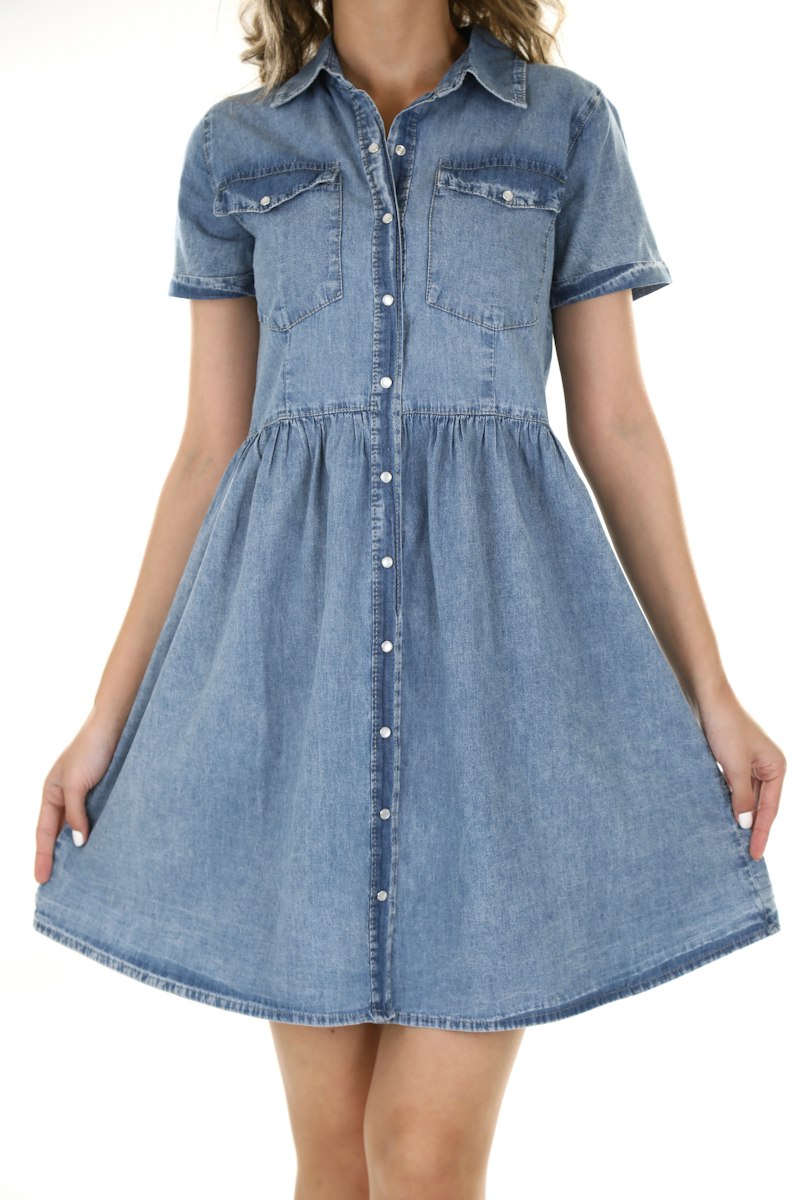
The fabric you choose also dictates the entire emotional register of your outfit. A wool blend short skirt in charcoal grey communicates professionalism and quiet confidence, making it suitable for creative workplaces and client meetings. A silk charmeuse mini in jewel tones reads as evening-appropriate luxury, especially when paired with a cashmere sweater and heeled ankle boots. Denim short skirts live in an entirely different universe: they carry a rebellious energy inherited from decades of countercultural associations, from 1970s punk to 1990s grunge. Leather and faux leather versions sit at the intersection of powerful and provocative, channeling a dominatrix-adjacent energy that works when intentionally styled but can feel aggressive without the right accompaniments. Understanding these fabric-coded messages allows you to deploy your short skirt strategically rather than hoping for the best.
Styling Short Skirts for Work, Weekend, and Everything In Between
The 2026 workplace has evolved dramatically from the rigid dress codes of previous decades, and the short skirt has benefited enormously from this shift. Hybrid offices, creative industries, and the general decline of formal business attire mean that a short skirt can absolutely work in professional settings—provided you respect the context and balance the proportions. The golden rule of office-appropriate short skirt styling is what fashion director Lisa Aiken, formerly of Net-a-Porter and Moda Operandi, calls “the coverage offset”: if you are showing leg, cover up top with a high-neck blouse, a relaxed crewneck sweater, or a tailored blazer. Opaque tights also transform a short skirt into office-ready territory by muting the bare-skin factor without compromising the silhouette. A black wool mini worn with 40-denier black tights, a cream silk blouse, and low-block-heel pumps is not just acceptable in most professional environments in 2026—it is actively chic.
Weekend styling removes all the rules and leaves you with pure creative freedom. A tennis-style short skirt in white cotton pique with a slouchy sweater and sneakers channels the sportswear-luxe aesthetic that has dominated street style for the past several seasons. A printed silk mini with flat leather sandals and an oversized linen shirt worn open over a tank top creates the kind of effortless vacation energy that photographs beautifully and feels even better to wear. The short skirt thrives in casual contexts precisely because it introduces tension: the bare leg against a chunky knit, the feminine cut against masculine footwear, the dressy fabric against a beat-up denim jacket. These contrasts are what prevent the look from feeling costumey or overthought. For more outfit inspiration across dress categories, the skirt outfit collection at Lovingclothing.com offers a wide range of complementary tops and accessories designed to work seamlessly with short skirt styles.
Seasonal Transitions: Wearing Short Skirts Year-Round
The biggest myth in fashion is that a short skirt belongs exclusively to summer. This belief has robbed countless women of one of the most satisfying styling challenges available: making a mini work when the temperature drops. The secret is entirely in the legwear. Sheer tights are the gateway drug—they add coverage without changing the visual line of the outfit, making them ideal for early autumn when the air turns crisp but not cold. As winter sets in, opaque tights in wool or cashmere blends completely transform the short skirt into cold-weather territory. A black leather mini worn with burgundy wool tights, a chunky turtleneck, and knee-high boots is one of the most striking winter looks you can assemble, and it has the added benefit of being warmer than most pairs of jeans thanks to the tight-knit coverage.
Layering extends upward as well. An oversized blazer thrown over a fitted top and short skirt creates a proportion play that reads as intentional rather than bundled. Long coats—wool for winter, trench for spring—add drama and create a column of fabric that frames the skirt without hiding it. The length contrast between a floor-grazing coat and a mini hemline is one of the most photogenic visual tricks in fashion, and street-style photographers at every fashion week rely on it heavily. Footwear completes the equation: knee-high boots eliminate the gap between hem and shoe, effectively creating a single unbroken line from hip to toe. Ankle boots with a slight heel add height without bulk and work for transitional weather. The point is that a short skirt is genuinely a four-season garment if you approach it with the right accessories.
Common Styling Mistakes and How to Avoid Them
Every woman who has ever worn a short skirt has a story about a styling moment that did not land. The most frequent culprit is proportion imbalance: a tight mini with a tight top creates a one-note silhouette that lacks visual interest and can read as overly revealing even when technically covered. The fix is shockingly simple: pair a fitted short skirt with a relaxed, oversized top, or pair a voluminous A-line mini with a body-skimming knit. The second common mistake is wearing the wrong undergarments. Visible panty lines and accidental exposure are problems solved entirely by investing in seamless underwear and, when the occasion calls for it, lightweight shapewear shorts that prevent chafing and provide peace of mind during windy conditions or active movement.
Footwear is the third and most easily corrected mistake. A short skirt paired with shoes that cut the ankle—like Mary Janes with thick straps or mid-calf boots—can visually shorten the leg by several inches. The most universally flattering footwear options for short skirts in 2026 are pointed-toe flats, sleek knee-high boots, and minimalist heeled sandals. Sneakers work when they are deliberately low-profile (think classic white leather trainers rather than chunky dad shoes), and they bring a casual energy that keeps the overall look from feeling overdone. The overarching theme across all these corrections is the same: a short skirt works when every other element of the outfit supports it rather than competing with it. The skirt is the star. Everything else plays a supporting role.
The Confidence Equation: Why Short Skirts Change How You Walk Into a Room
There is a reason the short skirt has persisted through six decades of fashion upheaval while entire categories of clothing have vanished into obscurity. It is not about the hemline. It is about what happens to your posture when you wear one. Shoulders pull back. Your stride shortens and sharpens. You become more aware of how you move through space, and that awareness translates into a presence that others notice immediately. Researchers at Columbia University’s Department of Psychology published a study in 2024 examining the relationship between clothing choice and perceived confidence in professional settings, finding that women who wore outfits they described as “bold” or “intentional”—including those featuring shorter hemlines—were rated 23% higher on leadership potential by independent observers than those in more conservative attire. The study did not conclude that short skirts cause confidence, but rather that women who choose them tend to project a self-assurance that transcends the garment itself.
This psychological dimension is what separates a short skirt from every other bottom option in your closet. Jeans are comfortable but anonymous. Trousers are professional but neutral. A midi skirt is elegant but plays it safe. The short skirt demands something from you, and what it demands—courage, conviction, a willingness to be seen—is exactly the quality that makes it so compelling to wear. You do not need to be a certain age, size, or body type to access this feeling. You just need a short skirt that fits you well, fabrics that hold their shape, and the understanding that the most stylish women in any room are the ones who look like they chose their outfit, not the ones whose outfit chose them.