

The Brown Dress Revolution: How This Earthy Neutral Became Fashion’s Most Unexpected Power Player in 2026
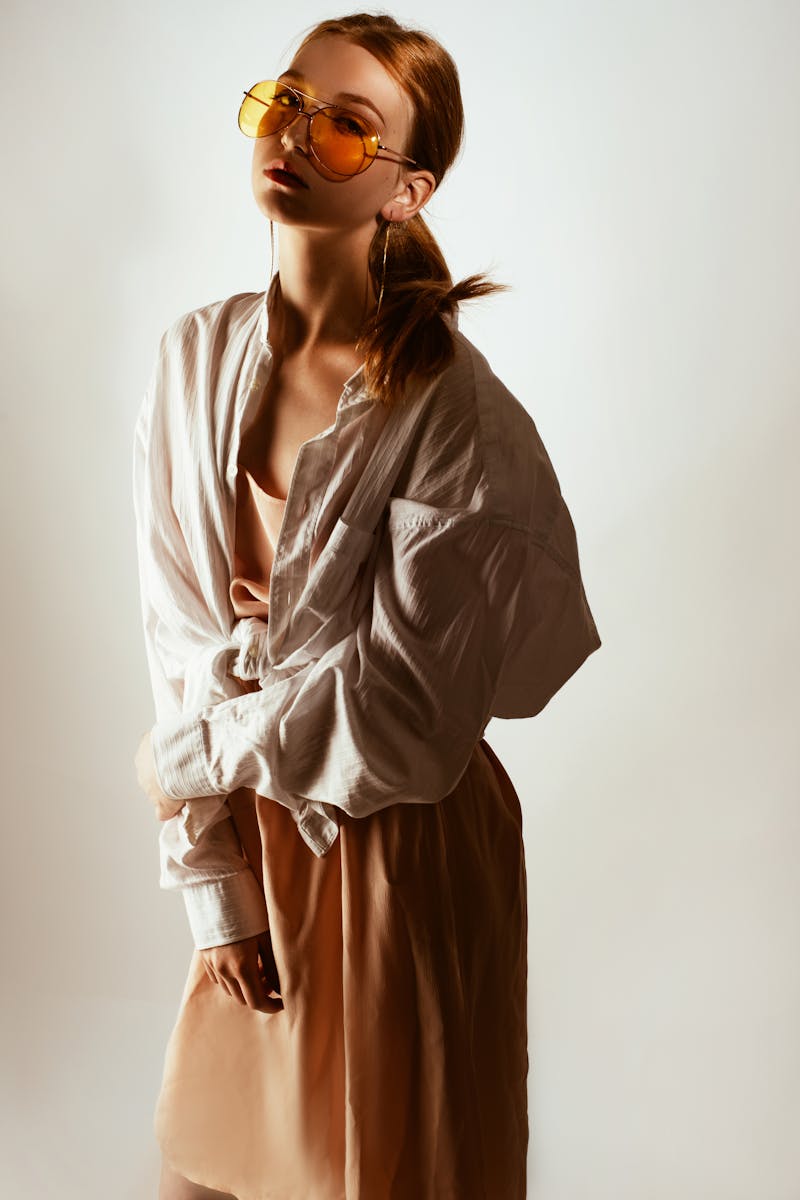
Walk into any boutique right now and you’ll notice something surprising: the racks aren’t dominated by black or navy. Instead, shades of chocolate, caramel, taupe, and espresso are stealing the spotlight. The brown dress — long dismissed as boring, drab, or “too earthy” — has undergone a complete image overhaul. In 2026, brown dresses are everywhere: on red carpets, in street-style galleries, across TikTok outfit-of-the-day videos, and most importantly, in the closets of women who understand that true style isn’t about shouting the loudest. It’s about wearing something that feels as confident and grounded as you do. This isn’t a fleeting micro-trend that will vanish by next season. Brown has quietly been building momentum for years, and now it’s reached a full-blown tipping point that nobody saw coming — except the designers who’ve been championing it season after season.
What makes the brown dress so compelling in 2026 isn’t just the color itself. It’s what the color represents: a shift away from fast-fashion disposability toward pieces that feel substantial, versatile, and worth keeping. When you slip into a well-cut brown dress, you’re not just getting dressed — you’re making a statement about valuing quality over noise. The brown dress works because it doesn’t compete with you. It complements. Whether you’re walking into a boardroom, meeting friends for brunch, attending an autumn wedding, or simply running errands on a crisp Saturday morning, a brown dress adapts to the occasion without demanding attention. And in a world that’s increasingly chaotic and overstimulating, that kind of quiet confidence? It’s exactly what fashion needed.
The Color Psychology Behind Brown — Why It Works on a Deeper Level
Color psychology isn’t just marketing jargon — it’s backed by decades of research into how humans respond to different wavelengths of light. Brown, specifically, occupies a unique space in the color spectrum. Unlike red, which signals urgency and excitement, or blue, which evokes calm and trust, brown communicates stability, reliability, and groundedness. It’s the color of earth, wood, leather, and stone — materials that have surrounded humans for millennia. When you wear a brown dress, you’re tapping into something primal. You’re signaling that you’re approachable yet substantial, warm yet authoritative. It’s no coincidence that luxury brands like Hermès, The Row, and Bottega Veneta have built entire visual identities around shades of brown. These houses understand that brown doesn’t need to shout to be heard.
According to research published by the Institute for Color Research, people make subconscious judgments about a person or environment within 90 seconds of initial viewing, and between 62% and 90% of that assessment is based on color alone. A brown dress sends a message that’s fundamentally different from what a neon pink or electric blue garment would communicate. It says: I’m not trying too hard. I don’t need to. Fashion psychologist Dr. Carolyn Mair, author of *The Psychology of Fashion*, has written extensively about how earth tones create what she calls “psychological safety” in social interactions. When someone wears brown, others perceive them as more trustworthy, more grounded, and more authentic. In an era of carefully curated Instagram personas and AI-generated perfection, authenticity has become the rarest currency of all. The brown dress delivers it effortlessly.
Brown Dresses Through Fashion History — A Timeline Nobody Expected
To understand why the brown dress matters in 2026, you have to rewind a few decades. In the 1970s, brown was everywhere — suede skirts, corduroy jackets, crochet vests in every shade of tan and rust imaginable. It was the unofficial uniform of the counterculture movement, a rejection of the plastic-bright aesthetics of the 1960s. Then the 1980s happened, and brown went into hibernation. Power suits in electric blue and shoulder pads in hot pink pushed earth tones to the back of the closet. The 1990s brought grunge, which flirted with brown through flannel and distressed leather, but it wasn’t until the mid-2010s that brown started its slow, deliberate comeback. Normcore, the anti-fashion movement that celebrated oatmeal-colored sweaters and unremarkable sneakers, laid the groundwork. Then came the “latte dressing” trend of the early 2020s, fueled by TikTok creators and Pinterest boards dedicated entirely to monochromatic beige and brown outfits.
What happened next was a cultural shift that elevated brown from “trend” to “movement.” The pandemic-era focus on comfort, combined with a growing awareness of sustainable fashion, made consumers reconsider what they wanted from their clothing. A brown dress made from natural fibers — linen, organic cotton, Tencel — felt more aligned with these values than a synthetic neon mini that would fall apart after three washes. The 2025 Pantone Color Institute report named “Mocha Mousse” as one of its key seasonal colors, describing it as “a warming, brown hue imbued with richness that nurtures with its suggestion of the delectable qualities of chocolate and coffee.” By early 2026, brown had officially moved from trend report to mainstream acceptance. Major retailers reported that brown dress sales were up 34% year-over-year compared to the same period in 2025, according to data from retail analytics platform Edited. The numbers don’t lie: brown has arrived.
Finding Your Perfect Brown Dress Shade — It’s More Scientific Than You Think
Not all brown dresses are created equal, and the shade you choose matters enormously. The spectrum of brown is vast: there’s warm caramel with yellow undertones, cool taupe with gray undertones, deep espresso that reads almost black in low light, rich chestnut with red undertones, and soft beige that straddles the line between brown and neutral. Your skin’s undertone should guide this choice. If you have warm undertones — meaning gold jewelry flatters you more than silver, and your veins appear greenish — look for brown dresses in caramel, cognac, rust, and warm chocolate. These shades will harmonize with your natural coloring rather than washing you out. Cool undertones, on the other hand, pair beautifully with taupes, ash browns, and deep espresso shades. Silver jewelry, blue-tinted veins, and a tendency to burn before tanning are all signs of cool undertones. According to personal color analysis systems like the seasonal palette approach popularized by image consultant Carole Jackson, brown is actually one of the most versatile colors across all seasonal palettes — it simply needs to be the right shade of brown.
Neutral undertones — the lucky ones who can wear both gold and silver — have the most flexibility. A rich medium-brown dress in a tone like milk chocolate or saddle brown will almost always work. Fabric choice also affects how the color reads. A matte brown dress in cotton or linen absorbs light and creates a soft, approachable look. A satin or silk brown dress reflects light and adds dimension and luxury. According to textile research from the Fashion Institute of Technology, the same brown dye can appear up to 40% darker on matte cotton than on shiny silk due to differences in light absorption. This is why a chocolate brown silk slip dress feels decadent while a chocolate brown cotton shirtdress feels practical. Same color, completely different energy. When shopping for a brown dress — whether online at retailers like LovingClothing or in person — pay attention to fabric composition as much as the color name on the tag.
Styling a Brown Dress for Every Occasion — From Coffee Runs to Cocktail Parties
The brown dress’s greatest superpower is its chameleon-like ability to transform based on how you style it. Take a simple midi-length brown dress in a ribbed knit fabric. For a casual daytime look, pair it with white sneakers, a canvas tote bag, and minimal gold jewelry. The contrast between the earthy brown and crisp white creates visual interest without trying too hard. For an office setting, swap the sneakers for tan leather loafers or pointed-toe flats, add a structured blazer in cream or camel, and carry a leather satchel. The brown dress becomes the anchor that ties together every other piece you’re wearing. For evening? That same brown dress can transition with strappy heeled sandals in metallic gold, statement earrings that catch the light, a sleek clutch, and a bold lip color. The brown provides a sophisticated canvas that lets your accessories do the talking without competing with them.
Seasonal styling is where the brown dress truly shines. In spring, layer a light-wash denim jacket over a caramel brown mini dress and finish with ankle boots. The casual denim softens the brown and keeps the look fresh. Summer calls for a breezy brown linen dress worn with flat leather sandals, oversized sunglasses, and a wide-brim straw hat — it’s the kind of outfit that looks just as good in a Mediterranean village as it does at your local farmers market. Autumn is brown’s natural habitat. Layer a turtleneck underneath a brown slip dress, add opaque tights and knee-high boots, and throw on an oversized scarf in a complementary shade like mustard or burnt orange. The tonal layering creates depth without looking busy. Winter is when a brown dress becomes the coziest thing in your closet. Pair a knitted brown sweater dress with wool tights, ankle boots, and a long wool coat in camel or charcoal gray. The result is an outfit that feels like a warm hug but looks polished enough for dinner reservations.
The Brown Dress on the 2026 Runway — Designers Are All In
If you need proof that the brown dress is having a legitimate fashion moment rather than just being another social media flash in the pan, look at the runway collections. The Spring/Summer 2026 shows in New York, London, Milan, and Paris featured brown dresses in nearly every major collection. Prada sent out structured brown shirt dresses with utilitarian pocketing that felt both intellectual and wearable. The Row, as always, doubled down on their signature monastic brown — floor-length brown silk dresses that pooled dramatically at the hem and looked like they cost more than most people’s monthly rent. Bottega Veneta’s Matthieu Blazy showed brown leather dresses so buttery and fluid they looked poured onto the models’ bodies rather than sewn. Even brands not traditionally associated with earth tones embraced the shift. Versace — typically known for their maximalist prints and electric colors — included several brown dresses in their collection, styled with gold Medusa hardware that popped dramatically against the muted backdrop.
What’s particularly noteworthy about the runway’s embrace of the brown dress is the diversity of silhouettes on display. This isn’t a one-note trend limited to a specific cut or style. Designers showed brown mini dresses with dramatic puff sleeves, brown slip dresses that skimmed the body, brown tailored dresses with sharp shoulders and nipped waists, brown ruffled maxi dresses that belonged at garden parties, and brown bodycon dresses that proved the color can be just as sexy as any little black dress. *Vogue’s* runway editor Nicole Phelps noted in her Spring 2026 trend report that “brown has officially replaced gray as fashion’s most important neutral. Designers are treating brown the way they once treated navy — as a sophisticated building block around which entire collections can be constructed.” The fashion bible has spoken, and the verdict is clear: if you don’t own a brown dress yet, you’re behind the curve.
How Fashion Insiders and Style Icons Are Wearing Brown in 2026
Street style during fashion month always provides the best real-world examples of how runway trends translate to actual wardrobes, and in 2026, the brown dress dominated sidewalk photography. At Copenhagen Fashion Week — widely considered the bellwether for wearable style — editors and influencers wore brown dresses styled in refreshingly accessible ways. One editor for Danish fashion magazine *DANSK* paired a chocolate brown collared midi dress with cherry-red ballet flats and a woven basket bag, creating a look that felt simultaneously editorial and effortlessly achievable. In Paris, a stylist for French Vogue wore a silky brown slip dress under an oversized charcoal blazer with pointed black boots, proving that brown works as a base layer for more complex outfit compositions. The common thread across all these looks? Nobody was trying too hard. The brown dress did the heavy lifting while the wearer simply looked comfortable and confident.
Celebrity adoption has accelerated the trend further. Actress Zendaya was photographed in New York in April 2026 wearing a custom brown leather midi dress by Loewe, paired with minimal jewelry and her natural curls — the image went viral within hours and sparked a measurable spike in online searches for “brown leather dress.” Meanwhile, styling a brown dress with confidence has become a recurring theme across fashion platforms. Style influencer and consultant Allison Bornstein, known for her “three-word method” of defining personal style, has repeatedly featured brown dresses in her wardrobe sessions with clients, arguing that brown is “the most underrated color for building a cohesive wardrobe because it creates continuity between seasons in a way that black can’t.” Bornstein’s point is well taken: a brown dress worn in July with sandals looks seasonally appropriate, and the same brown dress worn in December with tights and boots doesn’t feel like you’re forcing summer clothes into winter. That level of cross-seasonal versatility is rare and valuable.
Accessories That Elevate a Brown Dress — The Complete Guide
Accessorizing a brown dress requires a slightly different approach than accessorizing black or white. With black, almost any accessory color works because black functions as a true neutral. With brown, the color has warmth and character that interacts with your accessories in more nuanced ways. The safest and most sophisticated approach is tonal dressing — pairing your brown dress with accessories in adjacent earth tones. A chocolate brown dress with a camel-colored bag and tan suede boots creates a harmonious gradient that looks intentional and expensive. This monochromatic approach has dominated luxury fashion for the past several seasons and shows no signs of fading. Gold jewelry is brown’s natural soulmate. The warmth of gold — whether yellow gold, rose gold, or even a warm-toned bronze — echoes brown’s earthy undertones and creates cohesion. Silver and white gold can work but tend to create more contrast, which isn’t necessarily bad — it just produces a cooler, sharper look that works better on people with cool undertones.
For those who want to push the envelope, color-blocking with a brown dress can yield spectacular results. Bright cobalt blue accessories against a warm brown dress create a striking contrast that photographs beautifully and turns heads. Emerald green and brown is an unexpectedly sophisticated combination that draws from nature’s own color palette — think forest floors and moss-covered trees. According to color theory principles documented by the Bauhaus school and later refined by contemporary color experts like Leatrice Eiseman of the Pantone Color Institute, brown’s complementary color on the traditional color wheel is actually a blue-tone, but brown’s warmth means that cool jewel tones create the most dynamic pairings. A *brown dress* accessorized with turquoise jewelry, for instance, taps into a color relationship that southwestern artisans have understood for centuries. The key is intentionality — when you break the tonal approach, do it deliberately and with conviction. Half-hearted color mixing reads as a mistake; full commitment reads as style.
Why the Brown Dress Is an Investment Worth Making
Fashion is full of pieces that promise to be “investment-worthy” but end up at the back of the closet after a single season. The brown dress is different, and the data supports this. According to resale platform The RealReal’s 2025 Luxury Consignment Report, brown clothing items retained 23% more of their retail value compared to trend-driven colors like neon green or hot pink. This isn’t because brown is boring — it’s because brown is enduring. When you invest in a high-quality brown dress, you’re not betting on a seasonal whim. You’re adding a piece to your wardrobe that will look just as relevant in 2030 as it does today. Fashion historian Valerie Steele, director of the Museum at the Fashion Institute of Technology, has written about how certain colors achieve “timelessness” through cultural associations rather than short-term trend cycles. Brown’s connection to leather, wood, earth, and natural materials gives it a permanence that synthetically trendy colors can’t replicate.
The sustainability angle matters too. A 2026 report by environmental organization Fashion Revolution highlighted that consumers who build wardrobes around versatile neutrals like brown, black, navy, and cream tend to buy fewer items overall and keep them longer. The brown dress embodies this philosophy perfectly. One well-made brown dress can replace five trend-driven impulse purchases that would have ended up in a landfill within two years. As the fashion industry grapples with its environmental impact — and it’s a significant impact, with the UN Environment Programme estimating that fashion accounts for up to 10% of global carbon emissions — individual purchasing decisions matter more than ever. Choosing a brown dress made from sustainable materials like organic cotton, Tencel, or recycled fibers isn’t just a style choice; it’s a vote for the kind of fashion industry you want to support. And honestly? A beautifully crafted brown dress from a brand committed to ethical production simply feels better to wear. There’s a satisfaction that comes from knowing your clothes align with your values, and in 2026, that alignment is perhaps the most stylish thing of all.
The brown dress has earned its place at the center of the fashion conversation, and all signs suggest it’s not stepping aside anytime soon. From the runways of Paris to the sidewalks of Copenhagen, from celebrity stylists to sustainability advocates, the consensus is remarkably unified: brown is the new essential neutral. It’s warm without being overwhelming, sophisticated without being pretentious, and versatile enough to earn its keep in any wardrobe. If your closet doesn’t yet include a brown dress that makes you feel like the best version of yourself, 2026 is the year to change that.
References: Pantone Color Institute 2025 Seasonal Report; Edited Retail Analytics Platform; The RealReal 2025 Luxury Consignment Report; UN Environment Programme Fashion Industry Impact Assessment; Fashion Revolution 2026 Consumer Behavior Report; Vogue Runway Spring/Summer 2026 Trend Report; Carolyn Mair, “The Psychology of Fashion”; Institute for Color Research Consumer Behavior Studies.