

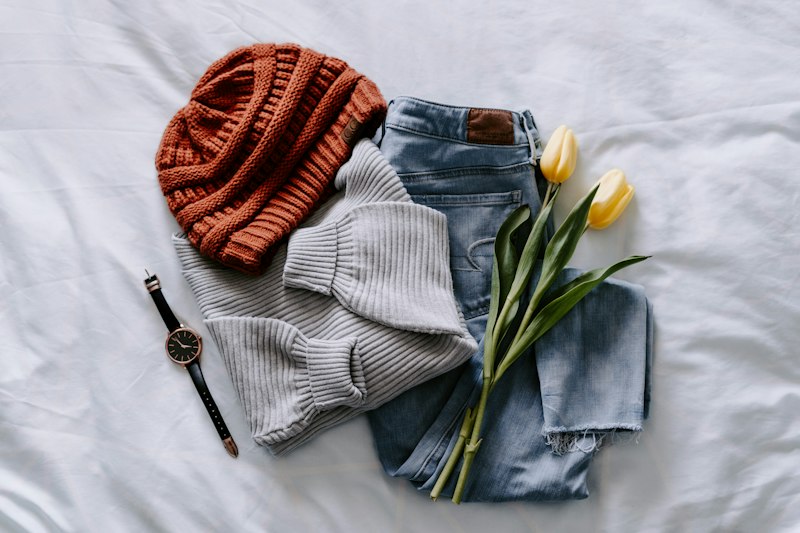
If you have opened Instagram, TikTok, or any fashion editorial in the past eighteen months, you have almost certainly been confronted with a cropped sweater at least a dozen times before you finished your morning coffee. These abbreviated knitwear pieces have become utterly inescapable — and for good reason. Unlike so many micro-trends that flare up and fizzle out within a single season, the cropped sweater has demonstrated genuine staying power, evolving from a fleeting Y2K nostalgia play into a genuinely practical and endlessly versatile wardrobe workhorse. The modern sweater landscape has shifted dramatically in recent years, and the cropped silhouette sits squarely at the center of that transformation. What began as a niche offering from high-fashion labels and fast-fashion copycats has matured into a legitimate category-defining piece that appears in boardrooms-converted-into-Zoom-backdrops, brunch spots, date-night venues, and everything in between. This shift is not accidental — it reflects a broader recalibration of how women think about proportion, layering, and the intersection of comfort and self-expression in their daily lives.
The numbers back this up convincingly. According to data compiled by Edited, the retail analytics platform, searches for cropped knitwear surged by 47 percent across major e-commerce platforms between the first quarter of 2024 and the same period in 2026, making it one of the fastest-growing categories in women’s apparel. Edited’s retail analyst Kayla Marci noted that “the cropped sweater has outperformed every other knitwear silhouette in year-over-year growth, driven by its unique ability to bridge casual and elevated dressing.” Meanwhile, Lyst’s 2025 Year in Fashion report ranked cropped knits among the top five most-searched womenswear items globally, alongside ballet flats and wide-leg trousers. When a single garment category racks up triple-digit search-volume increases over multiple consecutive quarters, you are not looking at a passing fad. You are looking at a structural change in how women are building their wardrobes from the ground up.
The appeal of the cropped sweater is not difficult to decode once you examine it from a practical standpoint. Traditional full-length sweaters have always carried a certain risk of looking shapeless, especially when paired with high-waisted bottoms — a combination that has dominated fashion for the better part of a decade now. A cropped sweater solves this problem elegantly by ending precisely at the natural waist or just above it, creating an automatic definition point that flatters virtually every body type without requiring any additional styling effort. You do not need to master the French tuck, worry about excess fabric bunching around your midsection, or spend ten minutes in front of the mirror adjusting proportions that refuse to cooperate. The garment does the work for you, and that efficiency is precisely what makes it so addictive once you have worn one a few times. The silhouette also opens up layering possibilities that simply do not exist with longer-length knitwear — you can layer a fitted turtleneck underneath, throw a tailored blazer over the top, or wear it alone with high-waisted trousers for a clean, intentional look that photographs beautifully from every angle.
From the Runway to Your Closet: How High Fashion Embraced the Cropped Knit
Any time a trend transitions from niche to mainstream, you can trace its trajectory through the runway collections that legitimized it in the eyes of retailers, editors, and eventually consumers. The cropped sweater followed this exact path with remarkable precision. Miu Miu’s Fall 2024 collection featured cropped cashmere knits paired with low-rise skirts in a way that felt deliberately off-kilter and impossibly cool — the kind of styling that sets off a thousand copycat TikTok videos within forty-eight hours of the show. Prada followed suit with cropped wool pullovers worn over crisp button-downs, while The Row demonstrated the quieter, more luxurious end of the spectrum with cropped cashmere pieces in muted tones that whispered rather than shouted. Vogue Runway director Nicole Phelps observed that “the abbreviated knit has become the unifying thread across collections that otherwise have nothing in common — it is the single silhouette that every major house agrees on right now.”
What makes this runway endorsement particularly significant is the speed at which it translated into accessible retail. In previous fashion cycles, it might have taken eighteen months for a high-fashion silhouette to trickle down to mass-market retailers. The cropped sweater compressed this timeline dramatically. By spring 2025, Zara, H&M, Mango, and COS had all introduced robust cropped knit categories that sold out repeatedly, and the restocking cycles became a reliable indicator of sustained demand rather than curiosity-driven spikes. This is the kind of data that fashion buyers watch closely, because it separates genuine consumer adoption from the kind of editorial hype that generates clicks but not transactions. When a silhouette posts strong sell-through rates across fast fashion, contemporary, and luxury price points simultaneously, retailers expand their buy — which is exactly what has happened with cropped knitwear across the board.
The runway-to-retail pipeline for the cropped sweater also benefited from an unlikely ally: the work-from-home revolution. As millions of women recalibrated their relationship with clothing during and after the pandemic years, the demand for pieces that looked polished on a video call from the waist up while remaining genuinely comfortable became non-negotiable. A cropped knit paired with high-waisted sweatpants or relaxed trousers delivered exactly that combination — presentable enough for a client meeting, comfortable enough to wear for ten hours straight. This dual-purpose functionality is something that fashion has been chasing for decades, and the cropped sweater stumbled into it almost by accident. The silhouette was already heading toward mainstream acceptance; the remote-work era simply accelerated the timeline by eliminating the last remaining objections around practicality.
Proportion and the Art of the Cropped Silhouette
Understanding why the cropped sweater works so well requires a brief detour into the mechanics of proportion — something that stylists obsess over and most women intuit without necessarily being able to articulate. The human eye processes an outfit in vertical segments, and where those segments fall relative to the body’s natural landmarks determines whether a look reads as balanced or awkward. A sweater that ends at the hip bone creates one visual block; one that ends at the natural waist creates a distinctly different block that elongates the legs and defines the torso in a way that photographs and moves beautifully. This is not a matter of body type or size — it is pure geometry, and it works the same way whether you are five feet tall or five-foot-ten. The cropped length acts as a visual anchor point that organizes everything above and below it into a coherent whole, which is why so many women report that their first cropped sweater purchase leads to a rapid accumulation of additional colors and textures.
Style consultant Allison Bornstein, whose “Three Word Method” for personal style has garnered a significant following, has specifically highlighted cropped knitwear as one of the most effective tools for women who want to look intentional without overthinking their outfits. In an interview with Byrdie, Bornstein explained that “a cropped sweater immediately creates an intentional proportion — you didn’t accidentally tuck it in awkwardly, you chose a piece that falls exactly where you want it to fall, and that intentionality reads as confidence.” This insight gets at something deeper than mere aesthetics: the cropped silhouette signals to the world that you made a deliberate choice, and deliberate choices are the foundation of personal style. You are not wearing a sweater that happens to be cropped because it shrank in the wash; you are wearing a garment designed to hit at a specific point, and that specificity communicates taste and awareness.
The proportion conversation becomes even more interesting when you consider how the cropped sweater interacts with different bottom silhouettes. Paired with a high-waisted wide-leg trouser, the cropped knit creates a striking hourglass effect that would be impossible to achieve with a hip-length sweater — the eye travels from shoulder to waist to dramatically widened hem in a single fluid sweep. With a pencil skirt, the effect tightens into something more streamlined and professional. With relaxed denim, the cropped knit introduces just enough structure to prevent the outfit from reading as sloppy. No single sweater length can claim that kind of chameleon-like versatility across such a wide range of bottom silhouettes, which is precisely why stylists continue to reach for cropped knits as their default choice when building outfits for clients with wildly different body types and style preferences.
Fabric, Texture, and the Quality Divide
Not all cropped sweaters are created equal, and the difference between a piece that becomes a permanent fixture in your rotation and one that languishes at the back of your drawer after three wears often comes down to fabric composition and construction quality. Cashmere cropped sweaters represent the aspirational end of the spectrum — they drape beautifully, regulate temperature more effectively than synthetic alternatives, and develop a subtle patina with wear that adds character rather than looking worn-out. Wool-cotton blends offer a more accessible price point while still delivering on shape retention and breathability. At the fast-fashion end, acrylic and polyester blends can approximate the look of a quality cropped sweater in photographs but tend to pill after a handful of washes and lose their structural integrity much faster than natural-fiber alternatives. The price gap between the cheapest and most expensive cropped knits on the market can exceed a factor of twenty, but the cost-per-wear calculation tends to favor spending more upfront for a piece you will actually want to wear for years rather than seasons.
Texture plays an equally important role in how a cropped sweater functions within an outfit. A fine-gauge merino cropped knit reads as polished and work-appropriate, sliding easily under blazers and alongside tailored trousers without adding bulk. A chunky cable-knit cropped sweater, by contrast, leans into the casual end of the spectrum and pairs naturally with denim and sneakers for weekend errands or coffee dates. The ribbed cropped knit occupies a versatile middle ground — textured enough to hold its own as a standalone piece, refined enough to transition between casual and semi-formal contexts without requiring a full outfit change. Understanding these textural distinctions is what separates women who wear cropped sweaters from women who truly know how to style them, because texture dictates the entire emotional register of an outfit in ways that color alone cannot.
The construction details also warrant attention, particularly around the hem and cuffs. A well-made cropped sweater features a finished hem that sits flat against the body rather than curling upward after washing — a common complaint with lower-quality pieces that use inadequate ribbing or skip the hem reinforcement step entirely. The sleeve length matters too: a cropped body with full-length sleeves creates an elegant tension between exposed and covered that feels more considered than a piece that crops both the body and the sleeve. These are the kinds of details that separate a $40 cropped knit from a $200 one, and while budget constraints are always a legitimate consideration, being aware of what you are trading off at each price point helps you make better purchasing decisions regardless of what you ultimately spend.
How to Wear a Cropped Sweater Across Every Season
One of the most persistent misconceptions about the cropped sweater is that its abbreviated length makes it a warm-weather-only piece — something you pull out in spring and retire the moment temperatures dip below sixty degrees. This could not be further from the truth. In summer, a lightweight cotton or linen-blend cropped knit worn over a slip dress or with high-waisted shorts delivers breathability while adding a layer of visual interest that a basic tank top simply cannot match. The key is choosing open-weave or lightweight knits that allow air to circulate rather than trapping heat against the skin. In autumn, the cropped sweater truly comes into its own — layered over a thin turtleneck, topped with a trench coat, and paired with high-waisted trousers or a midi skirt, it anchors transitional outfits with an effortlessness that heavier knits struggle to replicate.
Winter styling requires a bit more creativity but rewards it handsomely. A cashmere cropped sweater worn over a fitted thermal base layer, tucked into high-waisted wool trousers, and layered under a long wool coat creates a silhouette that is simultaneously warm and visually elongated — the cropped knit breaks up the vertical line just enough to prevent the outfit from looking like a single block of fabric. The secret is strategic layering: the exposure between the hem of the cropped sweater and the waistband of your bottoms should be covered by a base layer that matches your skin tone or the color of your trousers, creating the illusion of a seamless transition without actually sacrificing warmth. In spring, the cropped knit returns to its natural habitat, worn alone with wide-leg jeans and ballet flats for an outfit that requires approximately forty-five seconds of thought but looks like you spent at least twenty minutes getting dressed.
The seasonal versatility of the cropped sweater is not just a styling trick — it is a genuine economic advantage. A garment that you can wear eight or nine months out of the year in most climates delivers dramatically better cost-per-wear than a piece that only works for a specific two-month window. This is the kind of wardrobe math that has driven the silhouette’s adoption among budget-conscious shoppers who want their purchases to work as hard as possible. A single well-chosen cropped sweater in a neutral color such as charcoal, cream, or navy can anchor dozens of outfits across multiple seasons, while a seasonal statement piece in a trendy color provides variety without undermining the core versatility of the silhouette. The smart shopper builds a small collection of two or three cropped knits that cover different weights and textures, then rotates them through the year with minor adjustments to layering and accessories.
Street Style, Social Media, and the Democratization of the Cropped Knit
Fashion trends have always been shaped by a combination of top-down and bottom-up forces, but the cropped sweater may be one of the first major silhouettes whose mainstream adoption was driven primarily by social media rather than traditional editorial gatekeepers. Pinterest reported that searches for “cropped sweater outfit” increased by 82 percent in 2025 compared to the previous year, while the hashtag #croppedsweater has accumulated over 1.2 million posts on Instagram as of mid-2026. TikTok creators have built entire content series around styling a single cropped sweater five, ten, or even twenty different ways, generating millions of views and, crucially, driving direct purchasing behavior through platform-integrated shopping features. This is word-of-mouth marketing operating at a scale and speed that no traditional advertising campaign could hope to match.
What is particularly notable about the social-media-driven adoption of the cropped sweater is how democratic the trend has proven to be. Unlike certain silhouettes that seem to gravitate toward a specific body type, age demographic, or aesthetic tribe, the cropped knit shows up across the full spectrum of social media fashion content — from minimalist capsule-wardrobe accounts to maximalist street-style pages, from size-inclusive fashion creators to luxury-focused editorial feeds. This breadth of appeal suggests that the silhouette has tapped into something more fundamental than a passing aesthetic preference. The consistency with which different communities have independently adopted and celebrated the cropped knit points toward a genuine functional advantage that transcends the usual boundaries of taste and identity.
The street-style photography from the most recent fashion weeks in New York, London, Milan, and Paris reinforces this observation. Cropped knits appeared outside every major show venue, worn by editors, buyers, influencers, and celebrities in configurations that ranged from sharply tailored to deliberately undone. Harper’s Bazaar’s street-style editor noted that “the cropped sweater has become the unofficial uniform of fashion week attendees — it photographs well, layers easily under the statement coats that photographers are actually looking for, and allows the wearer to adjust their look between shows without carrying a complete outfit change.” When a single garment type achieves saturation across four major fashion capitals in a single season, the fashion industry takes notice — and the retail orders that follow from that attention create a feedback loop that extends the trend well beyond its natural lifespan.
Finding Your Perfect Cropped Sweater and Making It Work
If this exploration of the cropped sweater has convinced you that the silhouette deserves a spot in your rotation, the next question is practical: how do you find the right one? The most important variable is length. A truly cropped sweater should end somewhere between your natural waist and the top of your hip bone — any lower and you lose the proportion-defining benefit; any higher and you risk crossing into crop-top territory, which is a different category with different styling rules. If you are shopping online, look for detailed measurements in the product description and compare them against a sweater you already own and love the fit of. If you are shopping in person, raise your arms — the hem should rise slightly but not expose your midriff unless that is specifically the look you are going for.
Color selection for your first cropped sweater should prioritize versatility. Black, charcoal, cream, camel, and navy are the safest bets because they pair effortlessly with virtually everything else in a typical wardrobe, from brown sweaters layered over them to statement skirts worn beneath. Once you have established that the silhouette works for your body and lifestyle, branching out into seasonal colors — sage green for spring, rust for autumn, powder blue for summer — adds variety without undermining the workhorse status of your core neutrals. The goal is not to accumulate dozens of cropped sweaters but to build a small, carefully chosen collection that maximizes outfit combinations while minimizing decision fatigue.
The final piece of advice is perhaps the most important: trust your instincts about what feels right on your body. No amount of trend data, runway validation, or social-media enthusiasm can override the simple fact that you are the one who has to wear the garment through your actual life — through long workdays, unexpected weather changes, last-minute dinner plans, and everything else that real wardrobes have to accommodate. The cropped sweater has earned its place in the fashion conversation through a combination of genuine functional advantages and well-timed cultural alignment, but its ultimate value is determined by whether it makes you feel like the best version of yourself when you catch your reflection in a window or a mirror. If the answer is yes, you have found a piece worth keeping. And based on the trajectory of the past two years, that piece is going to look just as current in 2028 as it does right now.