

If you’ve spent any amount of time scrolling through fashion content on social media over the past eighteen months, you’ve definitely noticed it — an avalanche of dresses dripping in ribbons, lace trims, puff sleeves, and the kind of soft, romantic detailing that feels like it walked straight out of a Jane Austen adaptation. This is the coquette dress trend, and against all predictions, it hasn’t faded. It’s actually settling in as one of the defining fashion movements of 2026. What started as a niche TikTok aesthetic with pearl-buttoned cardigans and ballet flats has grown into a full-blown style language, with the coquette dress sitting at the very center of it all. As Vogue’s fashion features director Emma Spedding noted in a 2025 trend analysis, “The coquette aesthetic has proven far more resilient than anyone expected — it’s not a micro-trend, it’s a genuine shift in how a generation of women wants to present themselves.” That shift shows no signs of slowing down. The sheer volume of ribbon-trimmed, puff-sleeved, lace-covered dresses flooding both luxury boutiques and mass-market retailers tells you everything you need to know about where women’s fashion is heading right now. Whether you find the look charming or overwhelming, the coquette dress has officially graduated from internet curiosity to legitimate wardrobe category, and ignoring it at this point means missing one of the most interesting cultural shifts in contemporary style.
Where the Coquette Aesthetic Actually Comes From
Before anyone writes off the coquette dress as just another fleeting internet whim, it helps to understand where the look actually originates. The term “coquette” itself is French, derived from “coq” meaning rooster, and historically described a flirtatious woman — but the modern fashion interpretation borrows much more from historical romanticism than from French linguistics. The coquette dress draws visual and emotional cues from the Regency era, Victorian femininity, and 1950s ultra-girlish silhouettes, all filtered through a distinctly 2020s lens. Regency-era empire waists, delicate puff sleeves, and empire-line cuts appear constantly in coquette designs. Victorian-inspired lace collars, corset-style bodice details, and pearl-buttoned back closures add that vintage precision. Meanwhile, the 1950s contributions — full circle skirts, fitted bodices, and pastel color palettes — give the coquette dress its unmistakably sweet, polished silhouette. What makes the 2026 version different from a simple historical costume, though, is how these elements have been remixed with contemporary proportions: shorter hemlines, lighter fabrics, and styling choices that deliberately clash the ultra-feminine dress with chunky loafers or an oversized leather bag. This tension between saccharine and street-smart is precisely what keeps the coquette dress from feeling like cosplay. According to fashion historian Dr. Kimberly Chrisman-Campbell, who has written extensively about the cyclical nature of femininity in fashion for The Atlantic, these romantic revivals tend to surface during periods of cultural uncertainty — women reaching for softness and perceived innocence as a form of aesthetic escapism. The coquette dress fits that pattern almost too perfectly, arriving at a moment when many people are craving gentleness and beauty in their daily visual experience.
The Anatomy of a Coquette Dress — What Makes It Instantly Recognizable
Walk into any boutique with a strong feminine-leaning edit right now, and you can spot a coquette dress from across the room without even checking the tag. There are specific visual codes that define the category, and understanding them helps you shop smarter — whether you’re browsing luxury designers or fast-fashion interpretations. The most immediate giveaway is the bow. Bows appear on coquette dresses as shoulder ties, back closures, waist-cinching sashes, or delicate embellishments at the neckline. A 2026 coquette dress without a bow somewhere on it is genuinely hard to find. Lace and eyelet fabrics follow closely behind, usually in white, cream, or soft pastels, sometimes layered over contrasting linings for depth. Puff sleeves — ranging from subtle gathers at the shoulder to full Juliet-style balloon shapes — are non-negotiable for many devotees of the look. The silhouette tends to favor a fitted bodice that flares into an A-line or gathered skirt, hitting anywhere from mini to midi length. Square necklines, sweetheart cuts, and corset-inspired bodices with visible boning channels all appear regularly across different price points and brands. What’s interesting is that the coquette dress doesn’t necessarily demand expensive materials — cotton poplin, lightweight linen blends, and even polyester chiffons are all fair game. The value comes from the detailing: properly finished pintucks, well-placed ribbon threading, and clean hem finishes that don’t look like they’ll unravel after two wears. Harper’s Bazaar’s senior market editor recently pointed out that “the difference between a costume-looking coquette dress and an elegant one is entirely in the construction quality — cheap lace looks like a Halloween costume; good cotton eyelet looks like heirloom dressing.” When you’re shopping for a coquette dress, train your eye on the seams first and the ribbons second.
Why TikTok and Pinterest Fell So Hard for the Coquette Dress
You cannot separate the rise of the coquette dress from the platforms that amplified it. TikTok became the primary engine, with the coquette hashtag accumulating billions of views as creators posted outfit-of-the-day videos featuring ribbon-tied dresses, Mary Jane shoes, and delicate pearl accessories. Pinterest, meanwhile, reported a massive surge in searches related to hyper-feminine dressing throughout 2025 and into 2026. The platform’s own trend data indicated that searches for “coquette outfit” and “coquette dress” grew by triple-digit percentages year-over-year, with particularly strong interest among users aged 18 to 34. Part of what makes the coquette dress so algorithm-friendly is its visual distinctiveness — these garments photograph beautifully in soft, diffused lighting, against romantic backdrops, often accessorized with fresh flowers, vintage teacups, or lace-trimmed socks. The entire aesthetic feels custom-built for the kind of aspirational, aesthetically cohesive content that performs well on visual platforms. But there’s also a deeper psychological layer here. After several years of minimalist “clean girl” aesthetics and the deliberately un-sexy quiet luxury trend, the coquette dress offers something fundamentally different: permission to be overtly, unapologetically girly. It pushes back against the idea that dressing femininely is unserious or unprofessional. The community around the aesthetic has also fostered a surprisingly body-positive space — women of all sizes sharing how they style puff sleeves, where they find plus-size coquette dresses with proper bust support, and how to adapt the trend for different body types. This inclusive energy has given the coquette dress a longevity that purely trend-driven aesthetics rarely achieve. The hashtag now has its own ecosystem of creators, styling guides, and shopping recommendations that keep feeding new audiences into the coquette dress pipeline every single day.
Dressing Coquette Without Looking Like You’re Playing Dress-Up
Here’s where things get practical, because the line between wearing a coquette dress stylishly and looking like you raided a theater costume department is thinner than most people realize. The key lies in strategic contrast — pairing the ultra-feminine dress with elements that ground it in reality. Think of a white cotton eyelet coquette dress with a fitted bodice and puff sleeves, then throw on a pair of chunky black combat boots or worn-in Adidas Sambas instead of dainty ballet flats. The juxtaposition instantly modernizes the look and signals that you’re referencing the aesthetic rather than cosplaying it. Denim jackets, oversized blazers, and leather motorcycle jackets all serve the same purpose when layered over a coquette dress — they introduce texture, edge, and a deliberate clash that feels intentional rather than accidental. Accessories matter enormously here. A single velvet ribbon tied at the throat hits different from a full suite of pearl jewelry; the former is a subtle nod to coquette codes, while the latter can tip into costume territory. Hair should stay relatively undone — loose waves, a messy low bun, or natural texture work better than rigid curls or elaborate updos. Makeup follows the same principle: a soft, flushed cheek and groomed brows pair better with a coquette dress than a full beat of contour and heavy liner. The overall philosophy is to treat the coquette dress as the statement piece and let everything else whisper rather than shout. For evening, the calculus shifts slightly — a black silk coquette dress with corset detailing and ribbon straps reads completely differently than a daytime cotton version. Paired with strappy heels and a red lip, it becomes genuinely sophisticated rather than sweet. The versatility is there; you just have to work the dials. As one stylist put it in a recent Who What Wear feature, the coquette dress is one of those rare pieces that can pivot from coffee run to candlelit dinner with nothing more than a shoe change.
The Color Palette That Defines the Coquette Dress
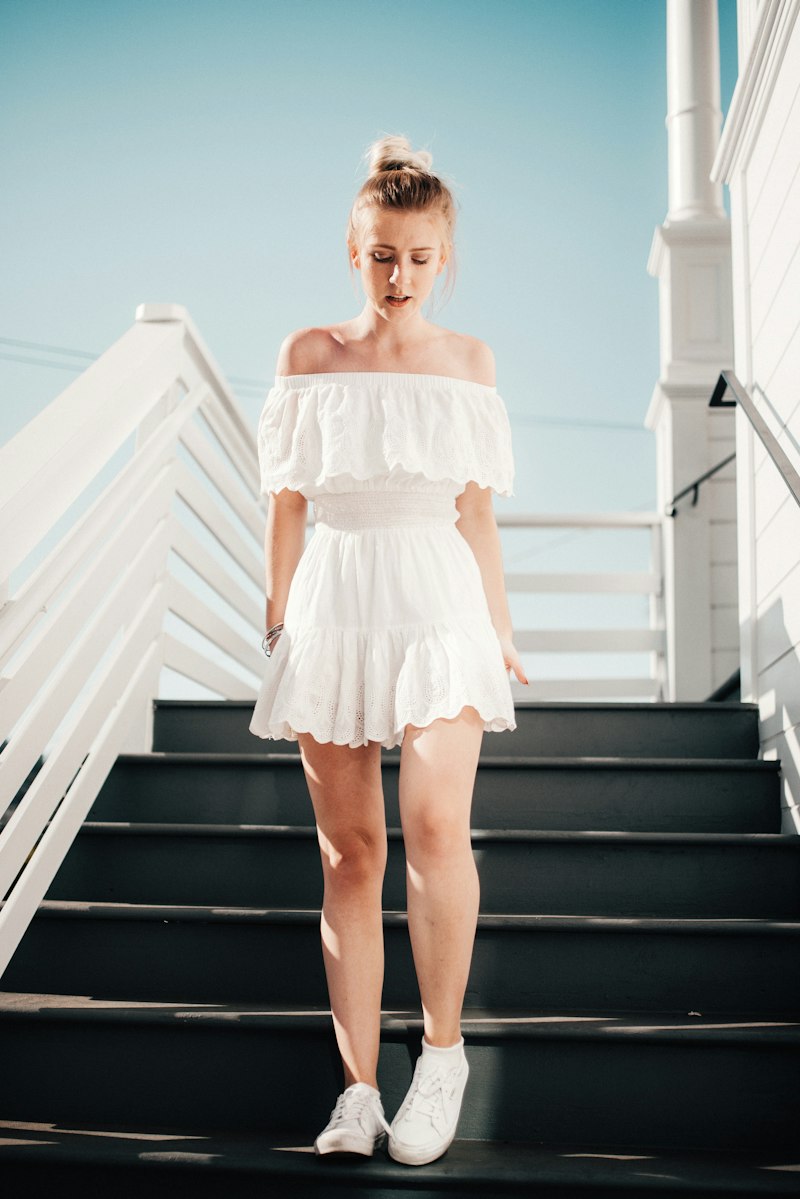
Color is doing a tremendous amount of heavy lifting in the coquette dress conversation, and anyone looking to purchase one should understand the palette before clicking “add to cart.” The foundational colors are white, cream, ivory, and champagne — these account for what feels like seventy percent of the coquette dress offerings on the market right now. They photograph flawlessly, they feel bridal-adjacent without actually being wedding dresses, and they provide a blank canvas for the lace, ribbon, and embroidery details that define the category. Soft pink follows closely, ranging from barely-there blush to a slightly more saturated ballet pink that reads as deliberate rather than washed-out. Powder blue, lavender, and butter yellow have also carved out significant territory in the coquette dress landscape, each bringing a slightly different emotional register — blue feels more demure and vintage-inspired, lavender adds a touch of whimsy, and yellow skews cheerful and optimistic. What you almost never see in the coquette dress space are neon brights, harsh primary colors, or heavy jewel tones. The aesthetic simply doesn’t accommodate those intensities. Even black, when it does appear, tends to be rendered in soft fabrics like silk charmeuse or velvet rather than stiff cottons, and it’s almost always accessorized with feminine details — a black coquette dress will still have its ribbon ties and lace insets, just rendered in a darker, moodier palette. According to color psychology research published by the Pantone Color Institute, softer, desaturated tones are consistently associated with approachability, gentleness, and romantic appeal — exactly the emotional territory the coquette dress occupies. This isn’t accidental branding; it’s a carefully calibrated aesthetic language that communicates specific values before you even register the garment details.
The Numbers Don’t Lie — How Big the Coquette Dress Movement Has Become
It’s easy to write off a trend as purely vibes-based, but the coquette dress has enough hard data behind it to silence the skeptics. Pinterest’s annual trend report noted that searches containing the term “coquette” more than tripled between early 2024 and late 2025, with the coquette dress specifically driving the largest share of those queries. Google Trends data tells a similar story: global search interest for “coquette dress” hit an all-time high in the first quarter of 2026, with the United States, United Kingdom, Australia, and Canada accounting for the bulk of the traffic. On the retail side, fast-fashion giants like Zara, H&M, and Mango have all significantly expanded their feminine dress offerings, with ribbon-tie details, puff sleeves, and eyelet fabrics appearing in collection after collection. Luxury houses, too, have leaned into the aesthetic — Sandy Liang has become almost synonymous with the coquette dress look at the contemporary designer level, while Simone Rocha and Cecilie Bahnsen offer high-fashion interpretations that regularly sell out despite four-figure price tags. The resale market provides another telling data point. Depop and The RealReal both reported that listing descriptions containing “coquette” or “balletcore” keywords sold faster and at higher price premiums than comparable items without those descriptors throughout 2025. This suggests buyer intent isn’t purely impulse-driven — people are actively seeking out the coquette dress as a specific category, not just stumbling onto it. The trend’s geographic spread is also noteworthy. While it originated primarily in Western fashion markets, the coquette dress has gained significant traction in East Asian markets, particularly South Korea and Japan, where the aesthetic aligns naturally with existing preferences for soft, romantic, modestly feminine dressing. Chinese social platform Xiaohongshu has seen an explosion of coquette dress styling content, often blended with local interpretations of the trend that add unique cultural dimensions to the global coquette movement.
Coquette Dress Meets Everyday Life — Styling for Real Occasions
One of the most common questions people ask about the coquette dress is whether it actually works for real life, or whether it’s strictly a photo-op garment. The answer depends heavily on how you style it, but the short version is yes — a coquette dress can absolutely function as a wearable everyday piece if you approach it with intention. For casual daytime scenarios, look for coquette dresses in cotton or linen blends with minimal embellishment. A simple white broderie anglaise dress with a square neckline and subtle puff sleeves works beautifully for brunch, farmers’ market runs, or casual coffee dates. Style it with flat sandals or white sneakers, a canvas tote bag, and minimal jewelry for a look that reads as effortless rather than try-hard. For office-appropriate coquette dressing, the trick is to choose a coquette dress in a slightly longer midi length, a more muted color like navy or charcoal, and to layer a structured blazer or tailored cardigan over the top. The puff sleeve detail gets partially concealed by the outer layer, leaving just enough of the feminine DNA visible to feel personal without violating any workplace dress codes. For date nights and evening events, the coquette dress truly shines. A silk or satin version in champagne or black, with corset-style bodice detailing and delicate ribbon straps, paired with heeled sandals and a clutch, creates a genuinely sophisticated evening look. Browse the latest coquette dress styles to see how different fabrics and silhouettes transform across occasions. The key to making a coquette dress work for everyday life boils down to fabric choice, hem length, and how you manage the accessories — tone them down for day, dial them up for night, and never over-accessorize. The coquette dress rewards restraint: the quieter your supporting pieces, the louder the dress itself speaks.
Finding Your Perfect Coquette Dress Without the Guesswork
With the coquette dress market now absolutely flooded with options at every price point, shopping smart requires a strategy. Start by identifying which specific elements of the aesthetic speak to you personally — if bows make you feel silly, look for coquette dresses that achieve the romantic effect through lace, pintucks, or puff sleeves instead. You don’t need every single coquette signifier on one garment; in fact, the most elegant examples of the category tend to use restraint. A dress with a simple square neckline, short puff sleeves, and a single ribbon tie at the back waist reads as coquette without screaming it. Second, pay obsessive attention to fabric. The difference between a coquette dress that looks expensive and one that looks cheap often comes down entirely to textile quality. Natural fibers — cotton, linen, silk, and their blends — will drape better, photograph better, and hold up through more wash cycles than their polyester counterparts. If you’re working with a tighter budget, look for cotton-poplin or cotton-voile coquette dresses from retailers like & Other Stories, Mango, or even the better end of H&M’s premium line. Third, understand your own body proportions and how puff sleeves, empire waists, and A-line skirts will interact with your specific frame. Women with broader shoulders might want to opt for more subtle puff sleeves rather than the full Juliet balloon; those with shorter torsos might find that an empire waist hits at exactly the right spot while a dropped waist doesn’t. Fourth, check the return policy before you buy — coquette dresses are finicky about fit in ways that simpler silhouettes aren’t, because all those details like ribbon placement, sleeve volume, and bodice boning have to align with your specific proportions. It’s worth ordering two sizes and returning one rather than settling for a mediocre fit on a garment that’s designed to look precise and intentional. The right coquette dress, properly fitted and thoughtfully styled, isn’t a trend purchase at all — it’s a piece you’ll reach for season after season, long after the TikTok hashtags have moved on to the next thing.
Whether you lean into the full fantasy or just borrow a few coquette codes for your existing wardrobe, the coquette dress represents something genuinely refreshing in contemporary fashion — a permission slip to embrace softness, romance, and the kind of overt femininity that mainstream style spent the better part of a decade treating as unserious. And if the sales data, search trends, and cultural staying power are any indication, the coquette dress isn’t going back in the closet anytime soon.